The Contenders
For most UK buyers the comparison comes down to two main options.
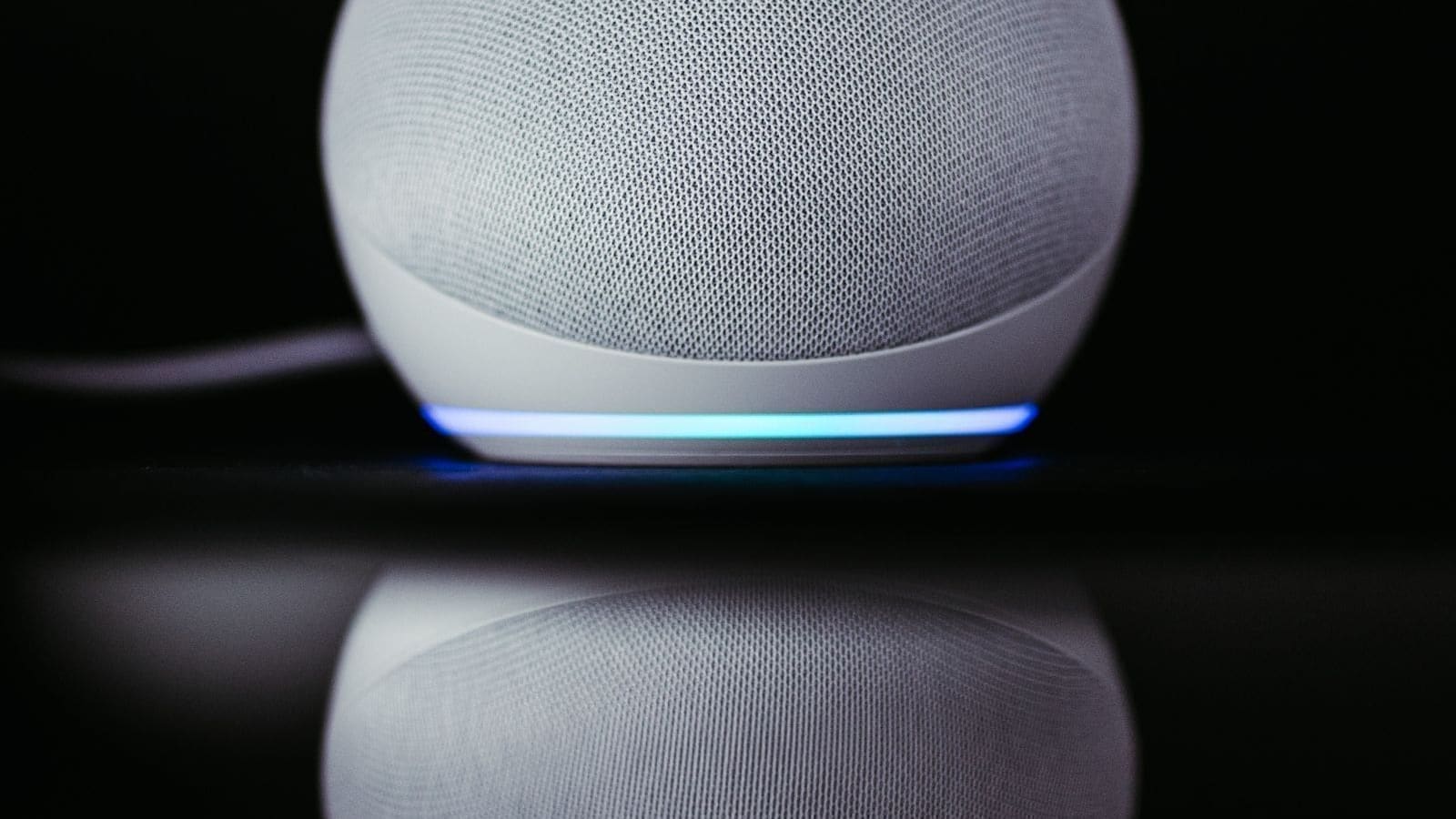
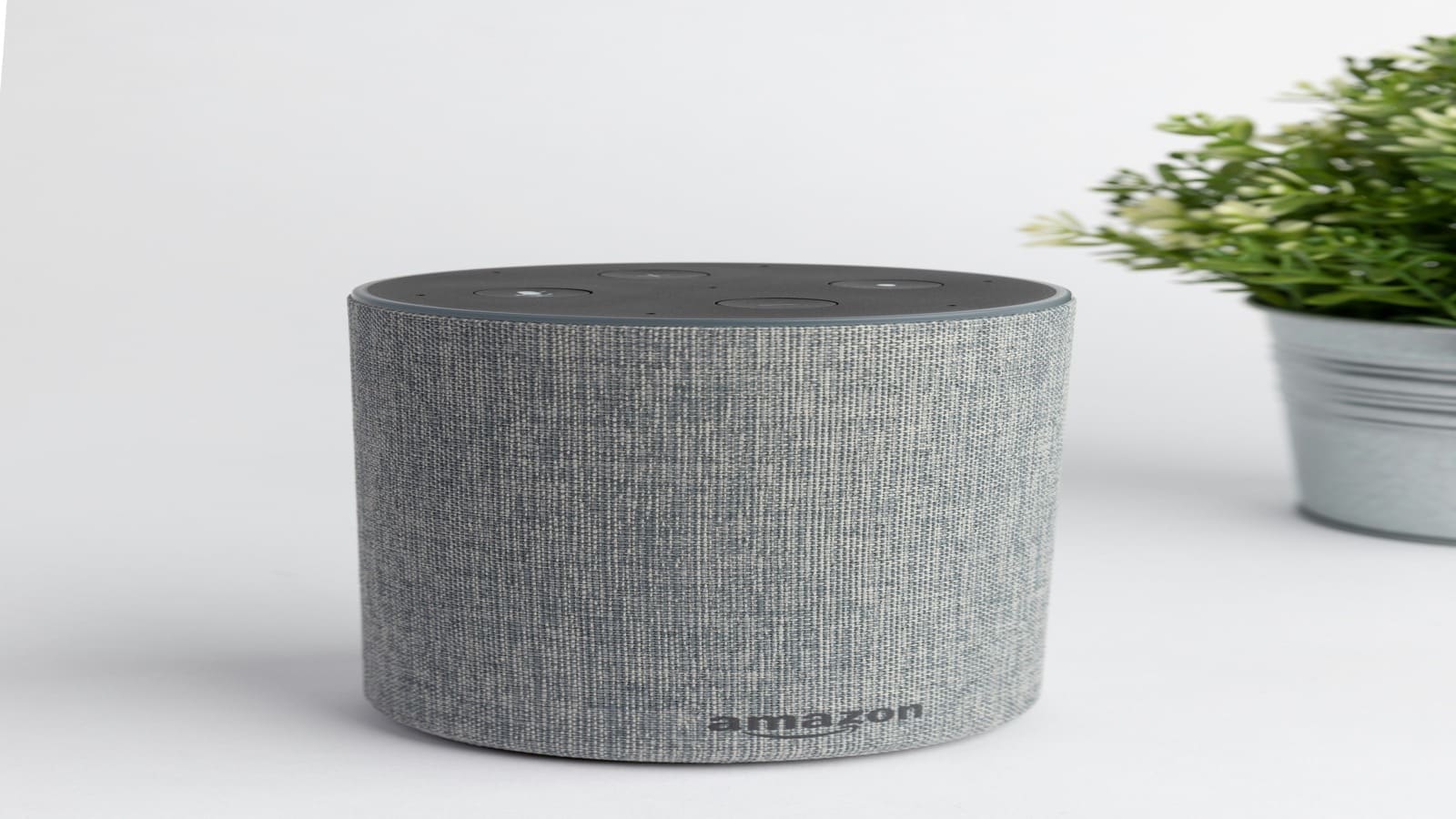
Amazon Echo (4th Gen) — Amazon's current flagship smart speaker features a spherical design, a 3-inch woofer and dual 0.8-inch tweeters, plus a built-in Zigbee and Matter smart home hub. It is available from Amazon, John Lewis and Currys; prices vary by retailer and sale period.
Google Home Speaker (2026) — Google's long-awaited successor to the discontinued Nest Audio launched on 25 June 2026, priced at £99.99. It ships with Gemini for Home AI built in, a 360-degree driver array and two colour options for the UK: Hazel and Porcelain. Purchases include a six-month trial of Google Home Premium Standard.
The original Google Nest Audio has been officially discontinued and is no longer stocked in the Google UK store. If you find remaining stock at a retailer, treat it as a clearance purchase rather than a supported product going forward.
Sound Quality
On audio, the two are closely matched at similar price points. The Nest Audio's 2.95-inch woofer and 0.75-inch tweeter earned a strong reputation for warm, detailed sound — Google claimed it was 75 per cent louder and delivered 50 per cent stronger bass than the original Google Home. The new Google Home Speaker's 360-degree design is designed to fill a room evenly, which suits open-plan living common in UK homes.
The Echo 4th Gen's 3-inch woofer and front-firing tweeters produce a well-balanced sound with clear mids and decent bass for a speaker its size. For a more direct audio comparison against other multiroom options, see our guide to the best multiroom speakers in the UK.
Verdict: The new Google Home Speaker's 360-degree design gives it a slight edge in larger rooms. For most UK living rooms, both are more than adequate.
Smart Home Integration
This is where the Echo has a concrete advantage. The Amazon Echo 4th Gen includes a built-in Zigbee hub and Matter controller, meaning you can pair compatible smart bulbs, plugs and sensors directly without a separate bridge. Alexa is compatible with over 60,000 smart home devices, making it the broadest ecosystem by device count.
Google Home has invested heavily in Matter support, and the new Google Home Speaker works as a Matter controller over Wi-Fi and Thread (via a compatible Google hub). However, it does not include a Zigbee radio, so existing Zigbee devices need a separate hub or a bridge such as a Philips Hue Bridge.
If you are running a mixed-brand smart home — perhaps IKEA TRÅDFRI bulbs, a Ring doorbell and a Hive thermostat — Alexa's wider compatibility makes setup considerably less painful. For a deeper look at what the Echo can do on its own, read our full Amazon Echo UK review.
Verdict: Echo wins for broad smart home control. Google Home is catching up, but Zigbee support remains an Echo exclusive.
Voice Assistants: Alexa vs Gemini
Amazon's Alexa excels at shopping (naturally), task management, and smart home routines. It handles BBC Sounds reliably, supports Spotify, Amazon Music and Apple Music, and integrates tightly with Amazon Prime Video if you have an Echo Show.
Google's assistant — now powered by Gemini on the new Home Speaker — is stronger at general knowledge queries, Google Calendar integration and answering follow-up questions conversationally. It ties seamlessly into YouTube Music and Google Workspace. If your household runs on Google Calendar and Gmail, Gemini adds real daily value.
UK-specific note: Both assistants support BBC Sounds and Spotify. Amazon Music Unlimited is bundled with Prime, which many UK households already pay for, giving Echo a cost advantage for music if you are a Prime subscriber.
Price and Value
Pricing changes frequently, particularly around Prime Day and Black Friday, so always check current prices at your preferred retailer. As a general guide:
- The Amazon Echo Dot (5th Gen) is the entry point at around £54.99, offering Alexa in a compact form.
- The Amazon Echo (4th Gen) typically sits in the £79–£99 range and adds the built-in Zigbee/Matter hub.
- The Google Home Speaker (2026) launches at £99.99, with a six-month Home Premium trial included.
Both brands discount heavily during sales events. If budget is the primary concern, the Echo Dot punches well above its price for everyday Alexa tasks.
Which Should You Buy?
The right choice depends on your existing setup:
- Choose the Amazon Echo if you have a mixed-brand smart home, use Amazon Prime, want a built-in Zigbee hub, or simply want the widest device compatibility without extra hardware.
- Choose the Google Home Speaker if you are embedded in the Google ecosystem (Gmail, Calendar, YouTube Music), want Gemini's conversational AI, or prioritise 360-degree room-filling audio.
- Consider both if you have different rooms with different needs — Echos in the smart-home-heavy areas, a Google Home Speaker where audio quality and Gemini matter most.
A Note on the Google Nest Audio
The Nest Audio has been discontinued by Google, so if you spot it at a clearance price, weigh up whether reduced software support longevity is acceptable for your household. The new Google Home Speaker is the product Google intends buyers to choose going forward.