The Ring vs Nest doorbell UK debate is one of the most common questions among British homeowners shopping for their first smart doorbell. Both brands are widely available — from Amazon and John Lewis to Currys — and both deliver solid video quality and motion alerts. The difference lies in subscriptions, ecosystem fit, and a few practical UK-specific details that matter more than most comparison guides acknowledge.
The Line-Up: Which Models Are Available in the UK?
Ring sells several models in the UK, spanning a broad price range. The entry-level Ring Battery Doorbell is a popular starting point, while the Ring Battery Doorbell Plus adds a head-to-toe view that lets you see packages left on the doorstep. Wired options — which draw power from your existing doorbell circuit — include the Ring Wired Doorbell at the budget end and the more capable Ring Wired Doorbell Pro. Prices vary by retailer; check Amazon UK, John Lewis, and Currys for the most current figures.
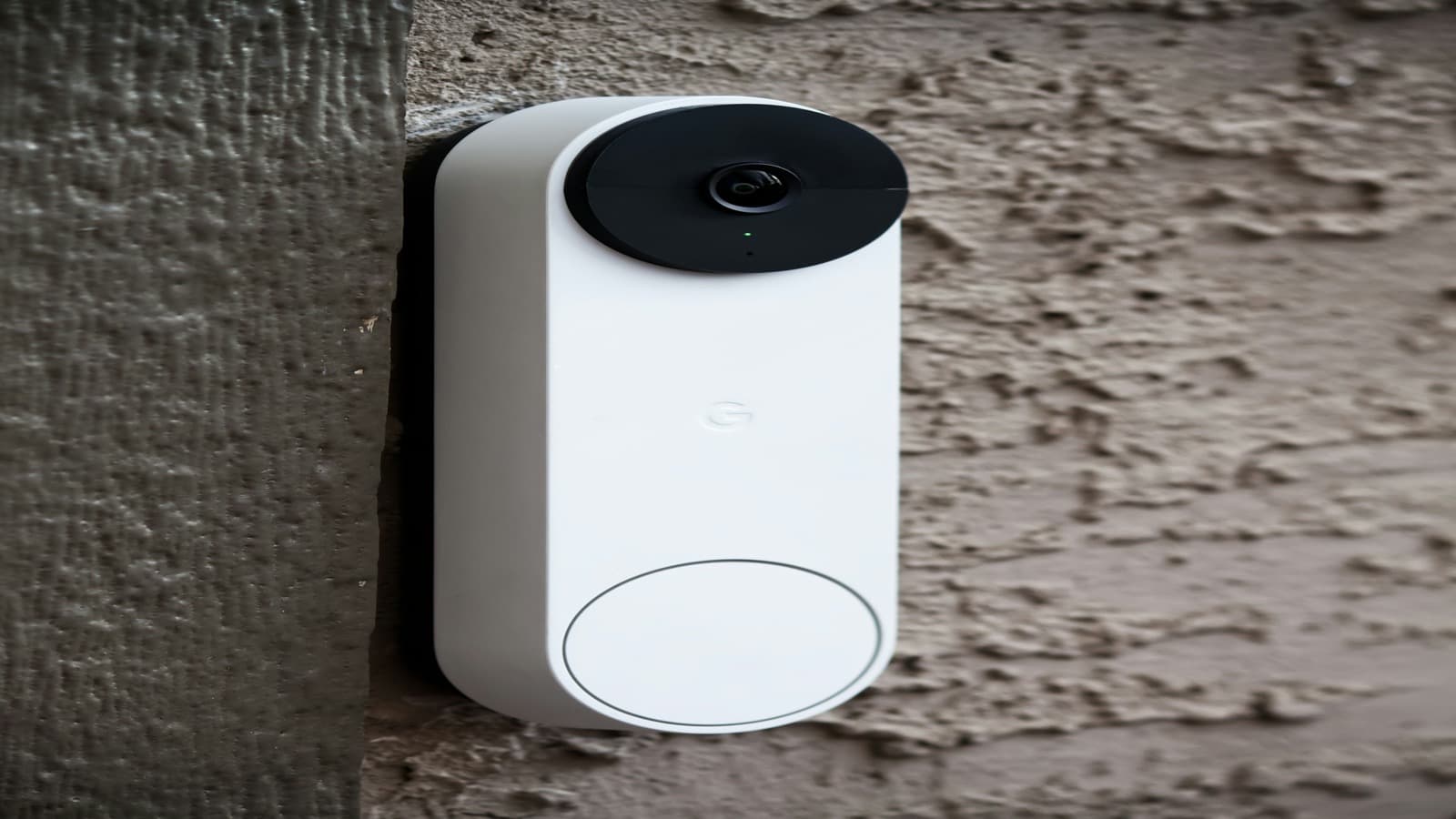
Google's Nest range in the UK is slimmer but well-chosen. The Nest Doorbell (Battery) can also be connected to existing 8–24 VAC doorbell wiring, making it flexible for homes with or without a chime transformer. The newer Nest Doorbell (Wired) is a purely hardwired model offering a higher-resolution 2K square sensor with a wide 166-degree field of view. Again, prices shift regularly across retailers, so treat any figure you see online as a guide rather than a guarantee.
Video Quality: Head-to-Toe vs. HDR
Ring's head-to-toe aspect ratio is a standout feature of its Plus and Pro wired models. The taller frame captures the full height of a visitor — including parcels on the floor — which is genuinely useful when verifying deliveries. Resolution on the higher-end Ring models reaches 1536p, with the Pro offering 4K on supported models.
Nest counters with excellent HDR processing. Bright UK afternoons with the sun directly behind a visitor can cause overexposure that washes out faces on lesser cameras; Nest's HDR tone-mapping handles this noticeably better in real-world testing. The battery Nest Doorbell shoots at 960p, while the wired model steps up to 2K (2048 × 2048 pixels) — its square sensor meaning the image is tall as well as wide.
Both deliver clear colour night vision, an important feature given the UK's long winter evenings.
AI Detection and Smart Alerts
Nest's AI detection is widely regarded as the more sophisticated of the two. On a subscription plan, it identifies people, packages, vehicles, and animals separately, and a familiar faces feature can distinguish household members from strangers — reducing nuisance notifications when your partner arrives home. Ring's detection, while reliable, is limited to people and packages on its standard plan and does not currently offer vehicle or animal categories at the same tier.
Both doorbells send instant push notifications to your phone and support customisable motion zones — an important consideration under UK data protection rules, which require you to limit recording to your own property where possible.
Subscription Costs: The Critical UK Comparison
This is where the two brands diverge most sharply, and it has a significant long-term impact on total cost of ownership.
Ring Protect Basic costs around £2.99–£4.99 per month (or approximately £30–£50 per year if paid annually) per device, unlocking 60-day video history and snapshot capture. Ring Protect Plus — covering all Ring devices at one address — runs roughly £8 per month or £80 per year. Without any plan, you lose all recorded video and can only receive live view and motion alerts.
Google's subscription, now branded Google Home Premium (previously Nest Aware), is priced at approximately £8 per month or £80 per year. Critically, every Nest Doorbell includes three hours of free event video history at no cost — enough for many households who only want to check who rang the bell an hour ago. If you decide the free tier is sufficient, the Nest Doorbell carries no ongoing cost at all, while Ring requires a subscription to store any footage.
Over three years, a Ring user on the Basic plan spends roughly £90–£150 on subscriptions alone. That shifts the real-world cost comparison considerably from the hardware price alone. For a fuller view of how subscription costs stack up across doorbell brands, see our guide to the best smart doorbells in the UK. If you are specifically comparing eufy as a no-subscription alternative to both brands, our eufy video doorbell UK review covers the E340, C31, and S4 models in depth.
Battery Life
Battery-powered doorbells are popular in the UK because many older properties lack a dedicated doorbell transformer. Ring claims up to six months of battery life on its battery models under typical UK usage (moderate motion volume); real-world results are closer to two to four months depending on how busy your front door is. Nest's battery model typically lasts two to three months between charges. That means more frequent trips to retrieve and charge the unit — something worth factoring in if your doorbell is in an awkward or high position.
If you have or can add a 8–24 VAC transformer — standard in most UK new-builds after the mid-2000s — both brands offer wired models that eliminate this concern entirely.
Smart Home Ecosystem: Alexa or Google?
Ecosystem compatibility is arguably the most decisive factor for UK buyers who already own smart home devices.
Ring is owned by Amazon and integrates deeply with Alexa. You can see a live doorbell feed on any Echo Show display, trigger Alexa routines when the doorbell rings, and combine it with Ring's wider ecosystem of cameras, floodlights, and the Ring Alarm security system. If your home already runs on Amazon Echo devices, Ring is the natural fit.
Nest belongs to Google and slots into Google Home seamlessly. Live view appears on Nest Hub and Nest Hub Max displays, and it triggers Google Home automations. The Google Home app also unifies Nest cameras, thermostats, and speakers into a single interface. If you already use a Nest Hub or Google speakers, the Nest Doorbell will feel like a natural extension of your setup.
Neither doorbell works natively with Apple HomeKit. If HomeKit is your priority, other brands (such as Eve or Logitech) are worth considering instead. Neither Ring nor Nest currently supports the Matter doorbell standard in the UK, though this may change in future firmware updates.
For households looking to build a broader smart home stack around their doorbell, it is also worth exploring how your choice connects to your home network. Our Home Assistant UK setup guide covers how open-source hubs can bridge different ecosystems if you prefer not to be locked into Amazon or Google.
UK-Specific Considerations
A few practical points that often get overlooked in US-focused reviews:
- UK data protection: Both Ring and Nest store video footage on servers outside the UK. Under the UK GDPR and the Data Protection Act 2018, you are responsible for ensuring your doorbell camera does not capture footage beyond your own property boundary. Both apps support motion zone configuration to help you comply.
- Existing chime compatibility: Ring sells a separate Chime Pro for UK homes without a doorbell transformer. The Nest Doorbell (Battery) works with existing wired chimes when hardwired; the battery-only mode requires the Google Home app notification as your alert.
- Wi-Fi requirement: Both require a stable 2.4 GHz or 5 GHz Wi-Fi signal at the front door. UK Victorian and Edwardian brick construction can attenuate signals significantly — a mesh Wi-Fi system may help if your signal is weak at the doorstep.
- Planning permission: Installing a doorbell camera in a listed building or conservation area may require consent from your local planning authority. Check with your council before drilling.
Which Should You Buy?
The honest answer depends on two questions: which smart home ecosystem do you already use, and how do you feel about ongoing subscription costs?
Choose Ring if you use Amazon Echo devices, want the longest battery life, or plan to expand into the broader Ring security ecosystem. The head-to-toe video on the Plus models is also genuinely useful for parcel visibility.
Choose Nest if you use Google Home or Nest displays, value AI detection quality, or want to avoid a compulsory subscription — the three-hour free history tier is a meaningful differentiator. The HDR video also handles the bright skies of a UK summer afternoon more gracefully.
Either way, both are solid, well-supported options available from major UK retailers. The best smart doorbell is ultimately the one that slots into the ecosystem you already use.