What Is the Google Nest Learning Thermostat?
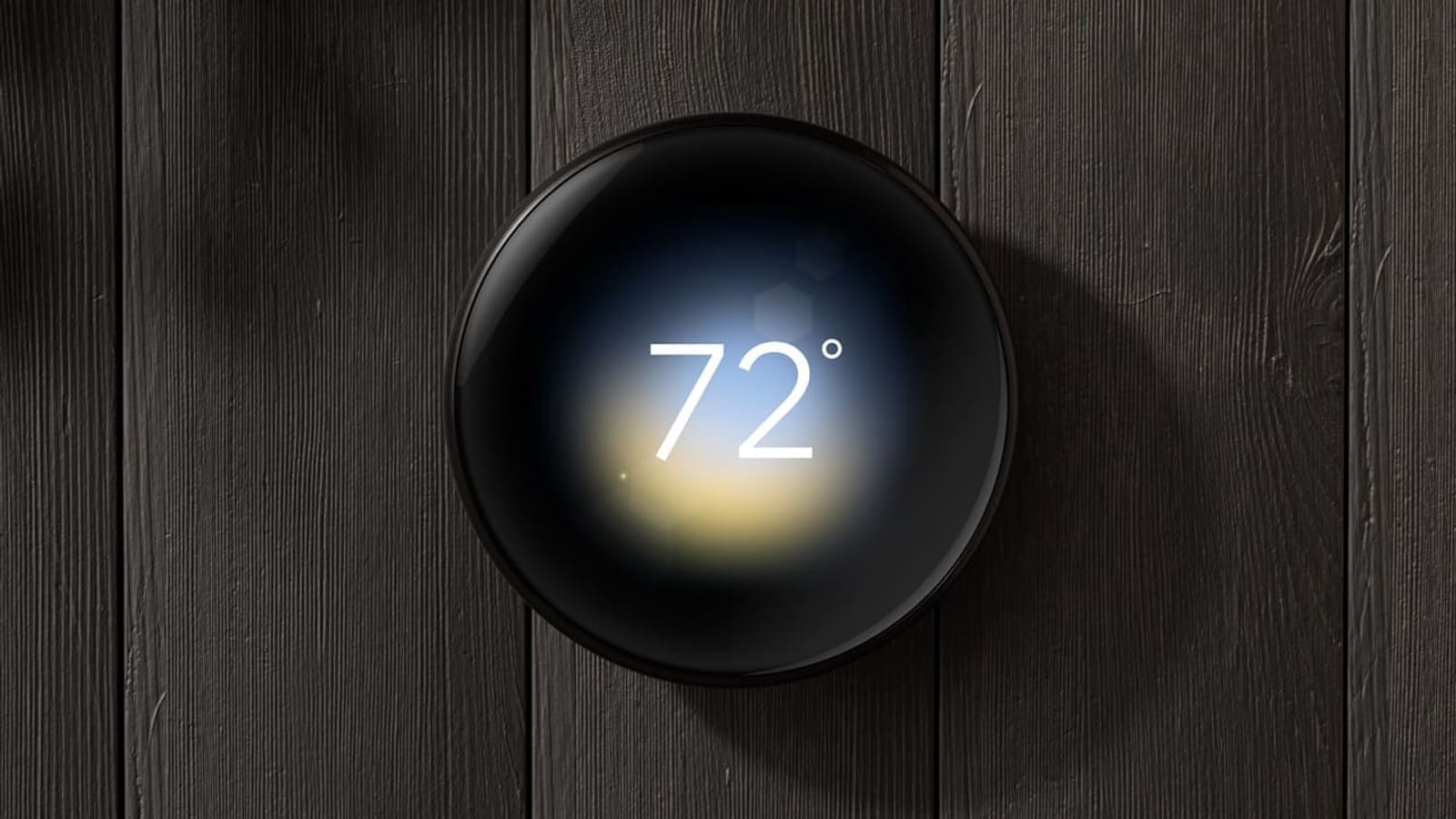
The Nest Learning Thermostat is a self-programming thermostat that learns your heating preferences over roughly a week of use, then builds a schedule automatically. You do not need to programme it manually. It connects to your home Wi-Fi and can be controlled via the Google Home app or directly at the thermostat using the large rotary dial.
The UK version differs significantly from the North American one. It uses a separate Heat Link module that wires into your boiler circuit, while the thermostat itself sits wirelessly on the wall. This means installation is non-invasive — the main thermostat can be placed anywhere with a decent Wi-Fi signal, not just next to the boiler cupboard.
Key Specifications (UK Model)
| Spec | Nest Learning Thermostat (UK) |
|---|---|
| Generation | 3rd (T3028GB — stainless, T3021GB — black, T3028GF — copper/white) |
| Display | 2-inch circular Farsight display; shows time, temperature, or weather when you approach |
| Connectivity | 802.11b/g/n Wi-Fi (2.4 GHz); Heat Link communicates via 868 MHz radio |
| Sensors | Temperature, humidity, near-field activity (proximity), ambient light |
| Boiler protocol | OpenTherm and standard on/off switching |
| Hot water control | Yes, with compatible systems (cylinder thermostat required for hot water tank setups) |
| Works with | Google Home, Amazon Alexa, IFTTT |
| Colour options | Stainless, mirror black, copper |
UK Boiler Compatibility
Compatibility is the first question most UK buyers ask, and the answer is broadly positive. The Nest Learning Thermostat works with the majority of UK gas combi boilers, system boilers, and heat-only boilers. The Heat Link replaces your existing thermostat wiring, so no new cables need to be run through the house.
If your boiler supports OpenTherm — a modulating protocol used on modern Viessmann, Intergas, Baxi, and Worcester Bosch condensing boilers — the Nest can take advantage of it. OpenTherm allows the thermostat to request a precise flow temperature from the boiler rather than just switching it on and off, which typically improves efficiency in well-insulated homes. Older on/off-only boilers still work fine; they just will not benefit from modulation.
Google publishes a compatibility checker at store.google.com — use it before purchasing. Electric heating systems and some older gravity-fed systems are not compatible.
Installation: DIY or Professional?
Nest recommends using a Gas Safe registered engineer or a certified Nest Pro installer. The Heat Link connects to your boiler's switched live circuit, and in the UK working on gas appliances requires appropriate qualifications. Professional installation typically adds £75–£150 to the total cost, depending on your location and boiler configuration. John Lewis has historically offered installation packages that bundle the thermostat and a fitting appointment.
The DIY installation guide is available from Google (linked from support.google.com) and the steps are clearly described, but budget a couple of hours and ensure you are confident isolating and reconnecting mains wiring. If you have any doubt, use a professional.
The Self-Learning Feature in Practice
The thermostat's headline claim is that it learns your schedule without any programming. In practice, it takes roughly a week of manual adjustments before the schedule becomes genuinely useful. Nudge the temperature up in the morning, turn it down when you leave the house, and lower it at night — the Nest records these adjustments and starts anticipating them.
Auto-Away is a complementary feature that uses the thermostat's built-in activity sensor to detect when the house has been empty for a while and drops the temperature automatically. Combined with the learning schedule, this is where most of the real-world savings come from.
Energy Savings: What UK Households Can Realistically Expect
Google claims the Nest Learning Thermostat saves an average of 10–12% on heating bills. Independent research commissioned by Nest across European homes (cited in their energy savings white paper) found similar figures. At June 2026 Ofgem default tariff rates of approximately 6.99p/kWh for gas, a household consuming 12,000 kWh of gas annually could save roughly 1,200–1,440 kWh per year — equivalent to around £84–£101 in heating costs.
Those savings are meaningful but not dramatic. The payback period on a device costing £180–£220 (hardware only, prices vary by retailer) plus installation works out at roughly three to four years for a typical semi-detached UK home. Households that currently leave the heating running all day on a fixed schedule stand to save more; those already using a programmable room thermostat will see smaller gains.
For a broader look at which smart thermostat delivers the best value across the UK market, see our best smart thermostats UK roundup, which includes budget alternatives alongside the Nest.
The App and Google Home Integration
The Google Home app handles day-to-day control, scheduling, and energy history. The interface is clean and reliable. You can set temperature holds, view a history of your heating usage, and receive notifications when the system switches on or off remotely.
Amazon Alexa support means voice control is available even if you are not embedded in the Google ecosystem. The Nest also integrates with Google Assistant speakers and Nest Hub displays, so a quick "Hey Google, turn up the heating" works seamlessly.
Nest Learning Thermostat vs tado and Hive
The two main competitors in the UK are tado° and Hive. The key differences in 2026:
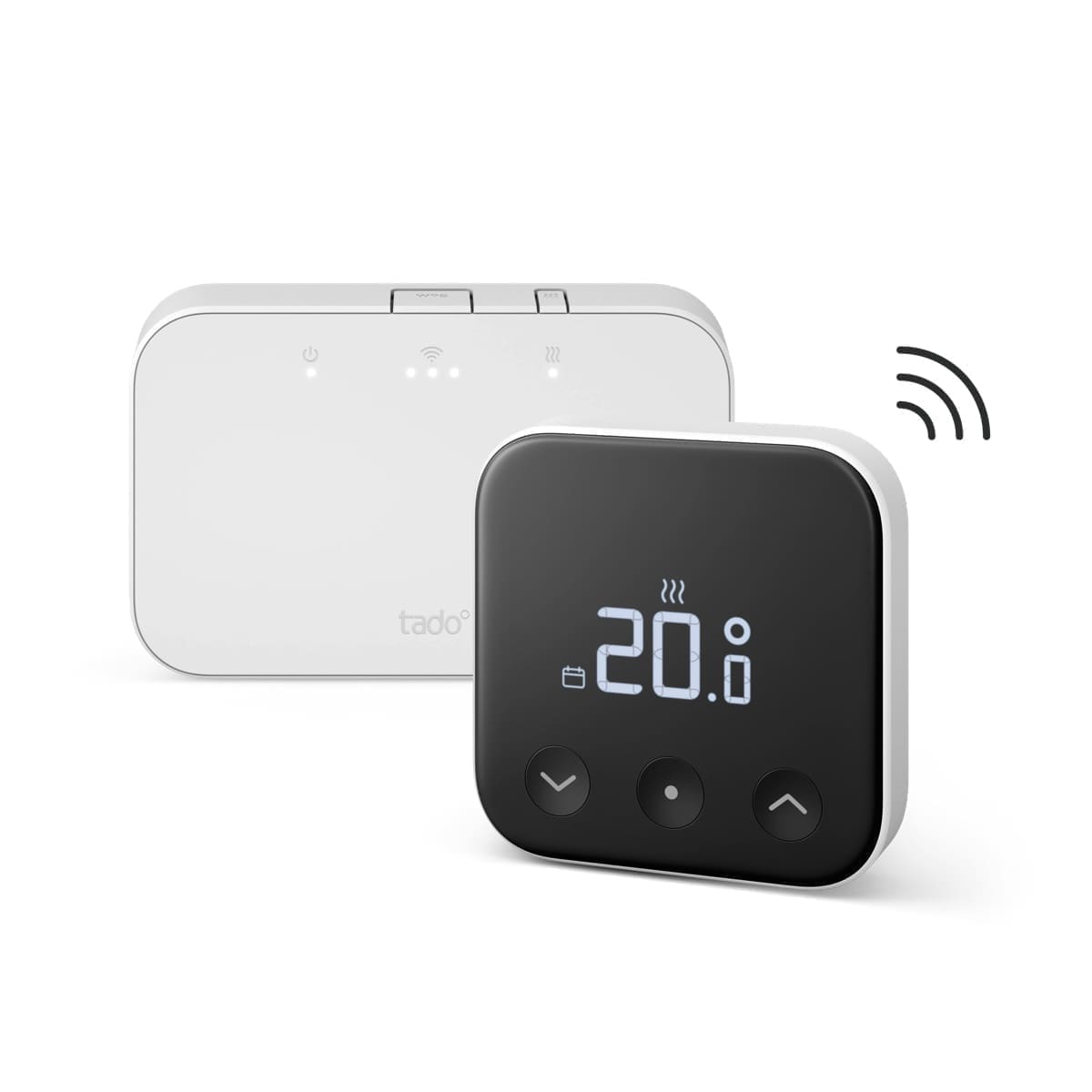
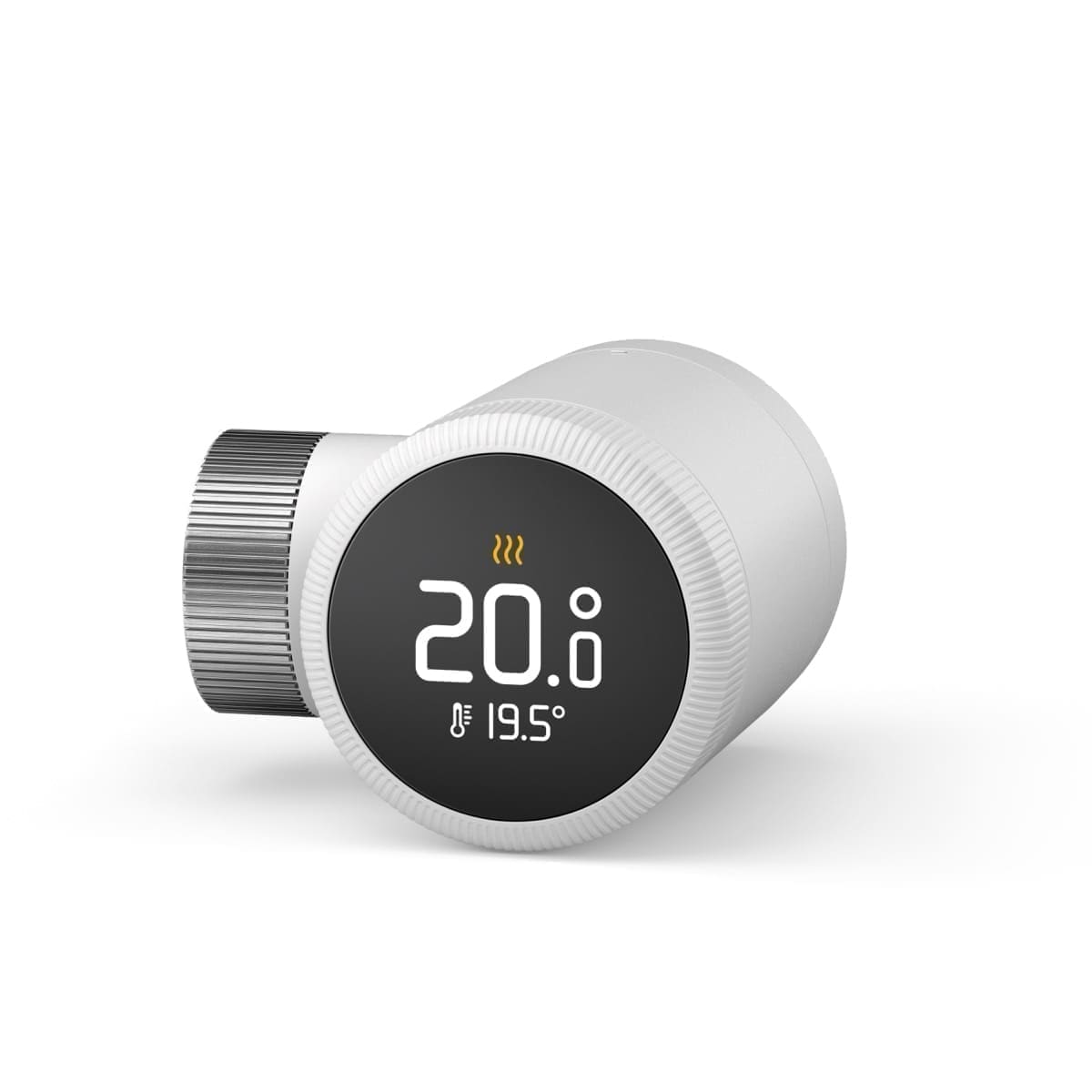
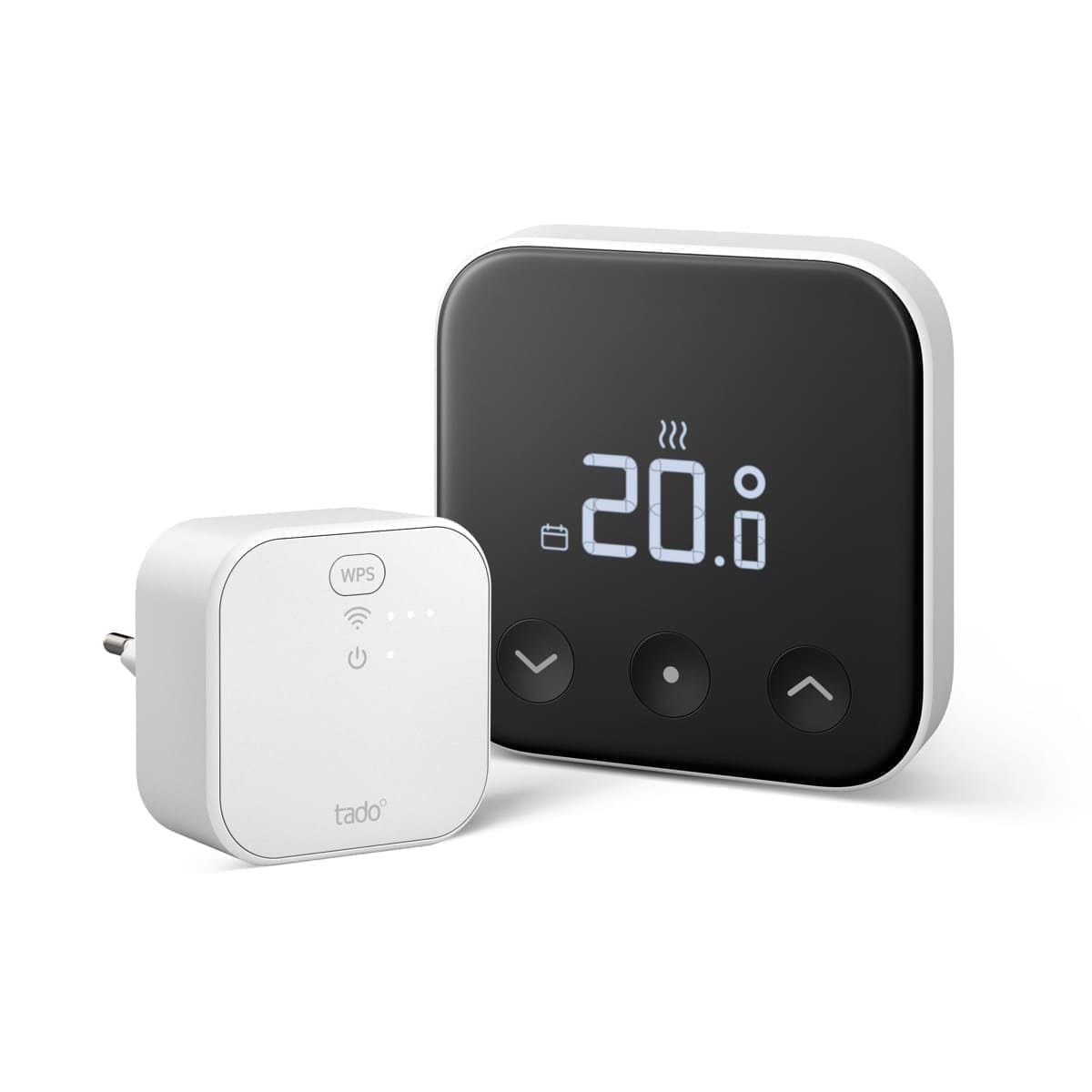
- tado°: Uses geofencing via smartphone location rather than a built-in activity sensor. Stronger for households where schedules vary significantly day to day. Requires a monthly Smart Schedule subscription (£2.99/month) to access some advanced features — the Nest has no subscription fees.
- Hive Active Heating: Backed by British Gas and widely available at Screwfix, B&Q, and Currys. Installation through British Gas is straightforward. Less visually refined than the Nest but competitively priced and has a large UK installer network.
- Nest Learning Thermostat: Best-in-class display and build quality. No subscription fees. OpenTherm support. Better Google/Alexa ecosystem integration. However, the hardware is now two generations behind the US model and has not received a UK hardware refresh since 2015.
For a detailed head-to-head, read our tado vs Nest UK comparison which covers installation, geofencing, and cost over three years.
Should You Buy the 3rd Gen Nest Learning Thermostat in 2026?
The Nest Learning Thermostat UK 3rd gen remains a polished, reliable product. Its self-learning algorithm works well, the build quality is the best in the category, and there are no ongoing subscription costs. The Farsight display that lights up as you approach is a small detail that still feels premium years after launch.
The main caveat is that it is now a discontinued platform. In April 2025 Google told European customers it would stop launching new Nest thermostats in the region, citing heating systems that "have a variety of hardware and software requirements that make it challenging to build for the diverse set of homes". The 3rd gen and the Nest Thermostat E stay on sale while current supplies last, and Google has committed to continued security updates for existing units. The US-only 4th gen (see our Nest Thermostat 4th gen UK review) is not a workaround either: it wires directly into 24V North American systems, has no Heat Link, and cannot control a UK hot-water cylinder, so importing one is not a practical option. If you want the most actively developed smart thermostat in the UK, tado° is the obvious alternative.
Buying new (remaining stock) vs refurbished
New: retailers such as John Lewis, Amazon UK and Currys were still listing the 3rd gen in 2026, but stock is finite and prices swing between roughly £150 and £220 depending on colour and retailer. At the lower end of that range, with no subscription and continued security updates, it is still a sensible buy for a Google-ecosystem household that wants the learning schedule and Heat Link simplicity.
Refurbished or used: Google-certified refurbished units and eBay listings are typically £80–£130. Check three things before buying: that the Heat Link is included (it is often missing from used listings and is hard to source separately), that the previous owner has removed the device from their Google Home account, and that the colour variant matches the listing (stainless T3028GB, black T3021GB, copper/white T3028GF). A used unit with Heat Link at around £100 is the best-value way to get a Learning Thermostat in the UK now.
Skip it if: you want room-by-room radiator control, HomeKit support, or a product with a roadmap of new features ahead of it. The 3rd gen will keep working and keep getting security patches, but it will not get anything new.
Verdict
Rating: 4 out of 5. The Google Nest Learning Thermostat is one of the best smart thermostats available to UK buyers in 2026, combining self-learning scheduling, broad boiler compatibility, and no monthly fees. It is held back by the age of the hardware and by Google's decision to end Nest thermostat development for Europe, which makes it a run-out product rather than a long-term platform. Buy it at a discount or refurbished with the Heat Link included, and it remains a very good UK smart thermostat.