What's Actually Available in the UK?
Before comparing features, it helps to understand what you can actually buy today.
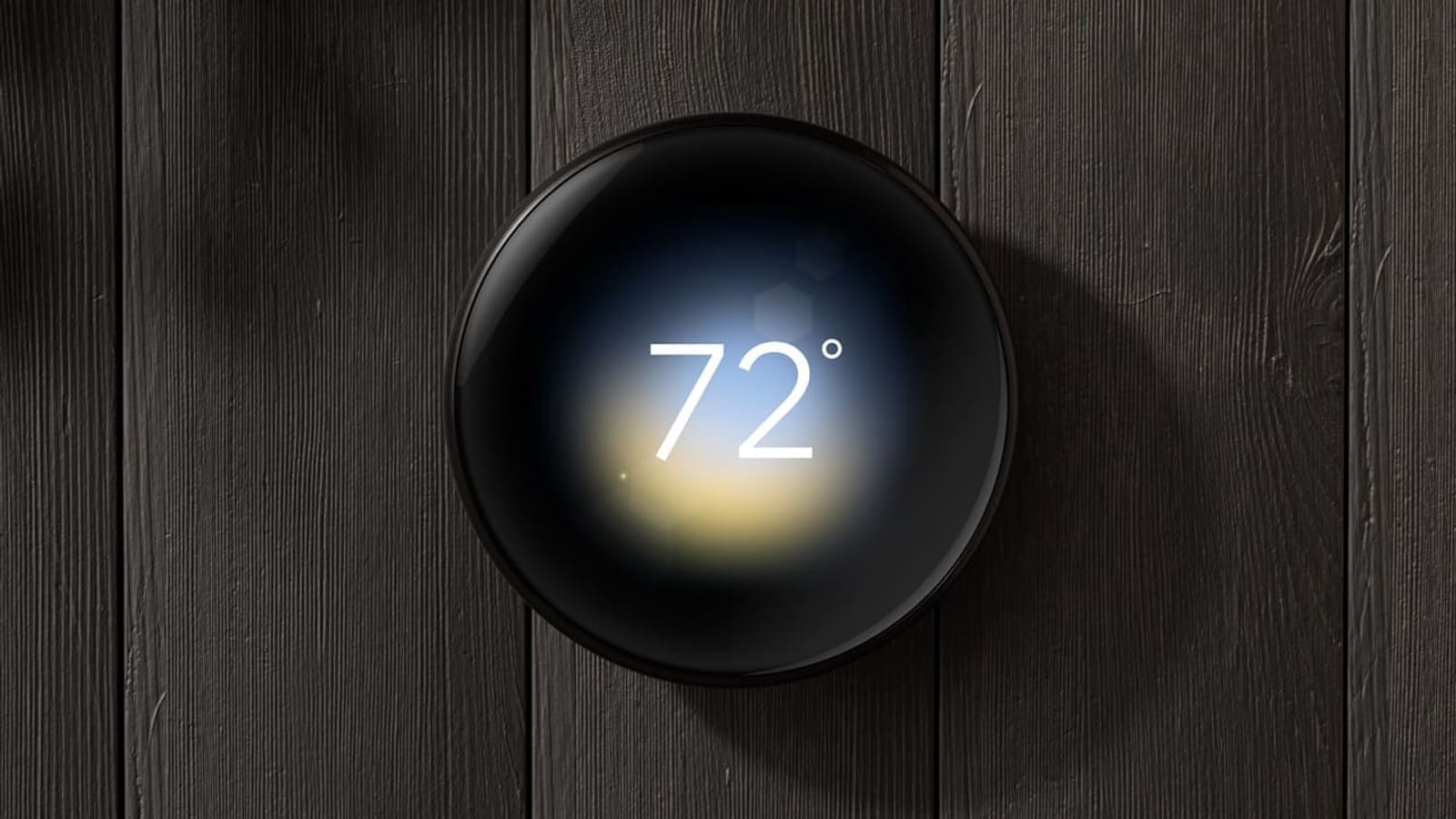
Google Nest (3rd Gen): Google announced in April 2025 that it would cease selling Nest thermostats in Europe. The 3rd Gen Learning Thermostat and the Nest Thermostat E remain available while stocks last at retailers such as John Lewis and Amazon UK, but prices have risen as supply tightens — expect to pay upwards of £280 for a new unit. Google has confirmed no 4th Gen model is planned for the UK, and the 4th Gen released in other markets was never launched here.
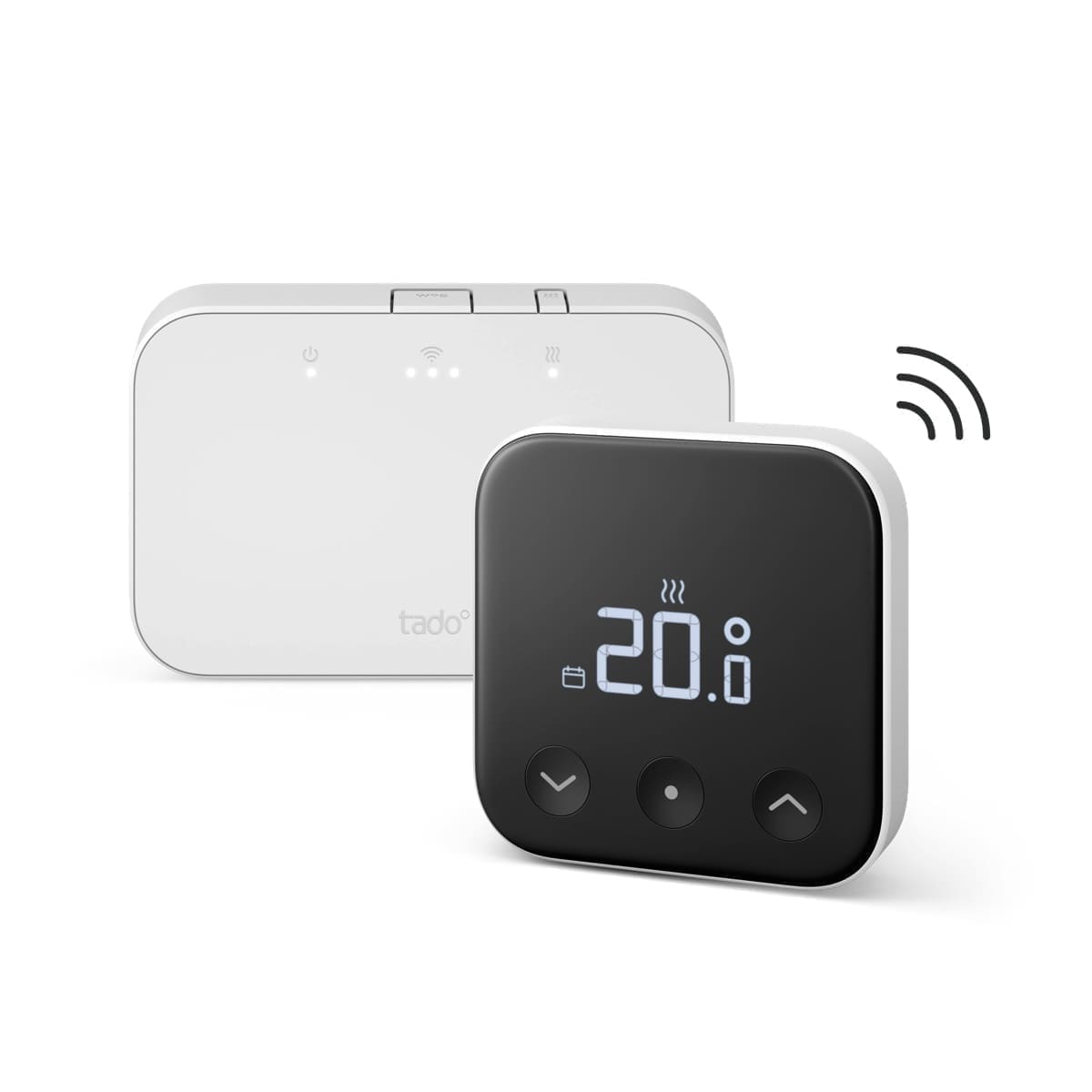
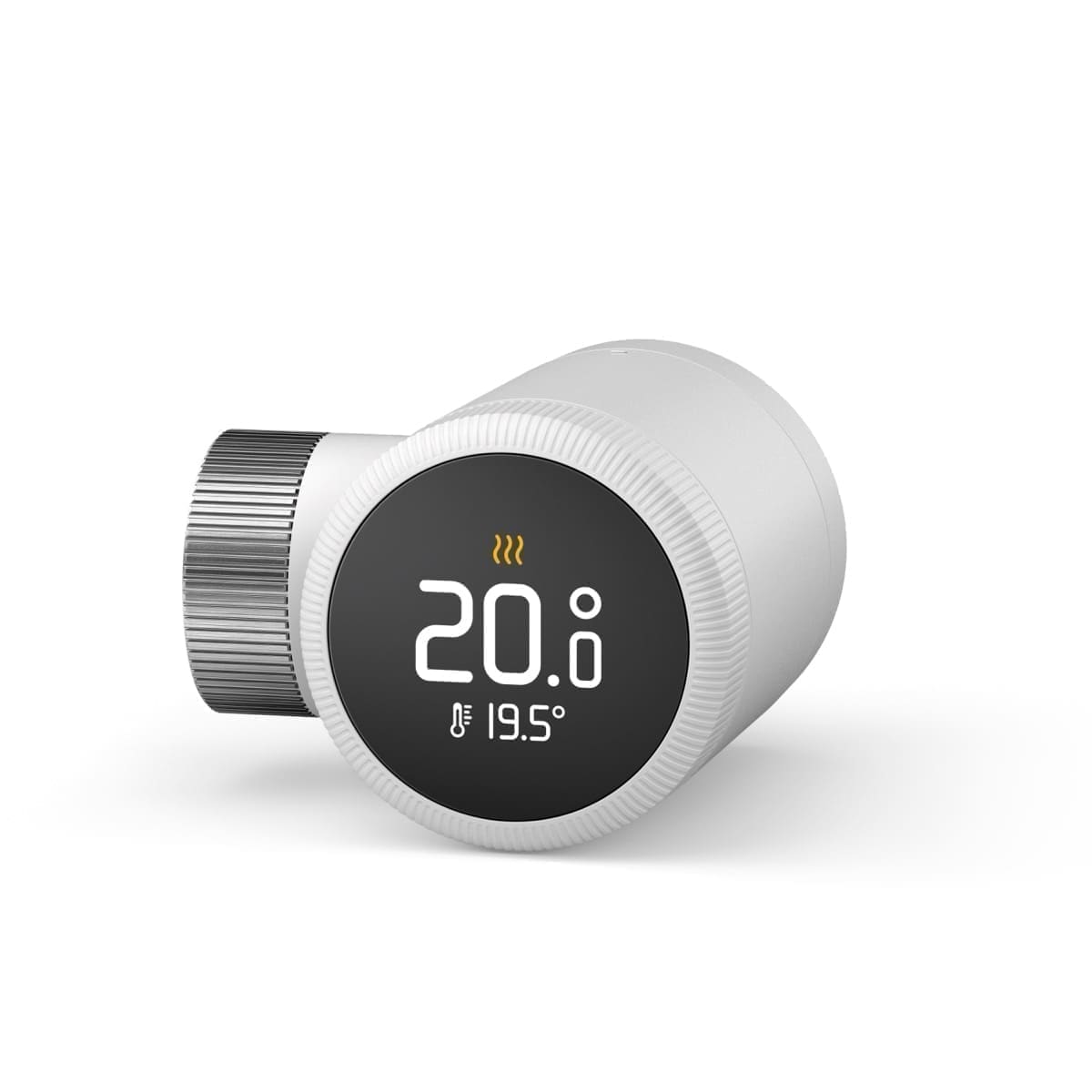
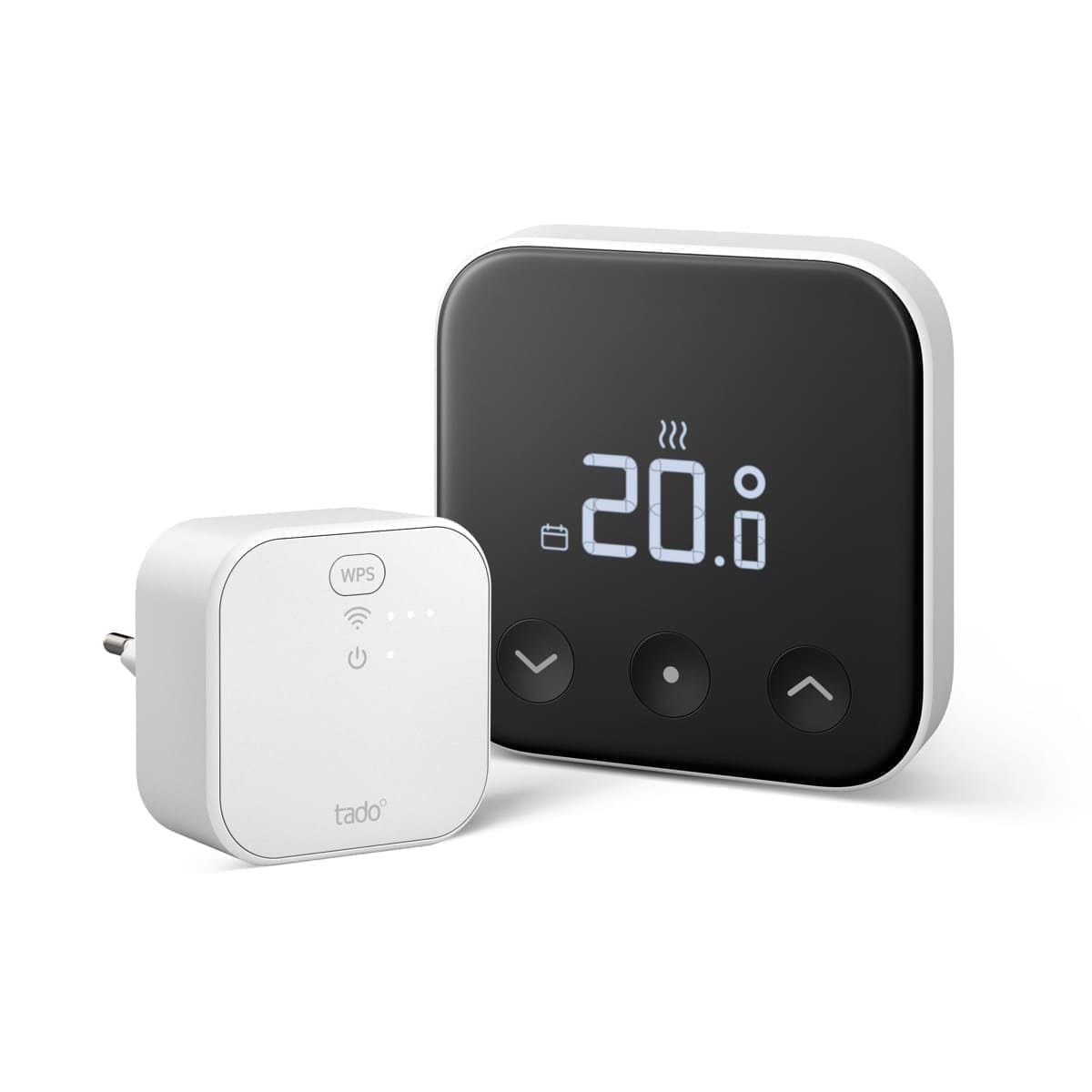
tado° V3+ and X: Both generations are readily available. The V3+ Wireless Starter Kit typically retails between £150 and £180 (prices vary by retailer), while the newer tado° X Starter Kit — available in both wired and wireless variants — is priced around £160 (prices vary by retailer). Smart Radiator Thermostats X cost approximately £80 each, with a quattro pack available at around £260 (prices vary by retailer).
Energy Savings: How Much Can You Actually Save?
This is the number that matters most on a UK energy bill. Both systems claim meaningful savings, but the mechanisms differ.
tado with OpenTherm modulation is the stronger performer on paper and in practice. Rather than simply switching your boiler on and off, tado communicates via the OpenTherm protocol to tell the boiler exactly how hard to work. On a mild October day, the boiler runs at low output; on a cold February morning, it ramps up. Independent testing has recorded energy savings of 10–22% compared with a standard programmer, equating to roughly £80–£280 per year based on Ofgem's Q1 2026 price cap and average UK gas consumption. The savings are highest in homes with a compatible modulating boiler.
Nest's learning algorithm is genuinely clever. The thermostat spends its first week observing your adjustments, then builds a heating schedule that anticipates your routine. Google claims savings of up to 10–15%, and real-world UK testing has supported figures in that range — around £75–£150 per year. However, Nest does not support OpenTherm; it can only relay-switch your boiler, which is less efficient than modulation.
If your boiler supports OpenTherm — models from Vaillant ecoTEC, Worcester Bosch Greenstar, Ideal Vogue, Intergas, and Baxi Platinum all do — tado's modulating control is a significant advantage over Nest. If your boiler is older or relay-only, both systems perform similarly in energy-saving terms.
Boiler Compatibility
Both thermostats cover the vast majority of UK gas combi boilers. The practical difference lies in how they control the boiler:
- tado: Supports OpenTherm modulation as well as standard on/off relay control. Works with most combi, system, and heat-only boilers. tado explicitly supports DIY installation with a 30-minute fitting guide for most setups.
- Nest (3rd Gen): Relay-only in the UK — no OpenTherm. Supports most standard combi boilers. Requires correct wiring at the programmer position; some older UK systems need a Nest Heat Link to bridge the gap.
For radiator-by-radiator control — useful in homes where not all rooms need to be warm simultaneously — tado's Smart Radiator Thermostats (TRVs) integrate directly with the same app and use the same geofencing logic. Nest has no direct equivalent for UK TRV integration.
Smart Home Integration and Future-Proofing
This is where the gap between the two products has widened most sharply.
tado° X is built on Matter over Thread, the open interoperability standard backed by Apple, Google, Amazon, and Samsung. This means tado X devices work natively with Apple Home, Google Home, and Amazon Alexa without bridges or workarounds. The Thread mesh also improves range and reliability in larger properties. tado has confirmed a 10-year warranty on X-range hardware.
Google Nest (3rd Gen) uses its own proprietary protocol and integrates primarily with Google Home. It also works with Amazon Alexa and IFTTT. However, with no hardware successor planned for the UK, the long-term software support picture is uncertain. Google has committed to security updates for existing European devices, but feature development appears frozen for this market.
If you use Apple Home or want a device that will remain interoperable as the Matter ecosystem matures, tado X is the obvious choice. Nest remains a capable Google Home hub device, but buying one now means investing in a discontinued product line.
Installation and App Experience
Both systems are designed for DIY installation by a confident homeowner — though a Gas Safe engineer is advisable if you are uncomfortable working near your boiler's wiring terminals.
tado provides a step-by-step in-app installation wizard that identifies your boiler type and walks through wiring. The V3+ app is polished and includes a Home Report showing daily energy consumption, geofencing away/home detection, and optional Auto-Assist subscription (around £3/month or £25/year) for fully automatic geofencing and open-window detection.
Nest is renowned for its intuitive dial interface and the setup process is similarly app-guided. The learning algorithm reduces the need for manual schedule programming. There are no subscription tiers — all features are included in the purchase price.
One cost to factor in: tado's most useful automation features — automatic geofencing and open-window detection — require the Auto-Assist subscription. Without it, you must manually switch between home and away modes. Nest includes equivalent learning and away-detection at no extra cost.