
How They Connect: Bridge vs Wi-Fi
This is the biggest practical difference between the two ecosystems.
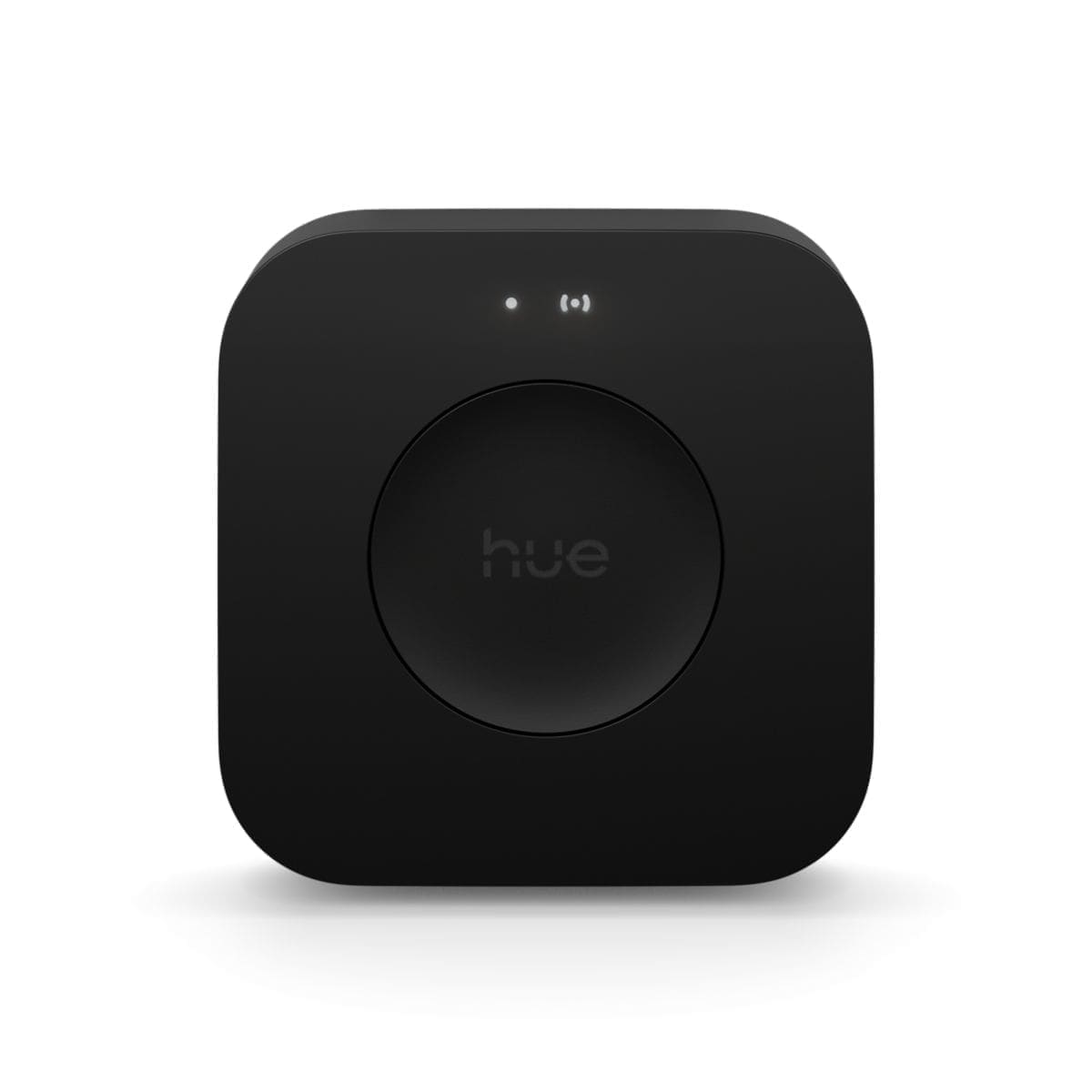
Philips Hue uses a dedicated Zigbee bridge — the Hue Bridge — that plugs into your router via Ethernet. Bulbs communicate with the bridge over Zigbee (a low-power mesh protocol on the 2.4 GHz band), and the bridge then talks to the internet. The bridge costs around £49–£59 at UK retailers, which adds to the upfront cost. The payoff is a dedicated mesh network that does not compete with your home Wi-Fi, works locally even when the internet is down, and offers automation response times under 50 ms.
LIFX takes the opposite approach: each bulb connects directly to your home 2.4 GHz Wi-Fi network with no hub required. This lowers the barrier to entry and simplifies setup — screw in a bulb, download the app, connect to Wi-Fi, and you are done. The trade-off is that every bulb occupies a slot on your router, which can cause congestion if you have dozens of devices on a busy network.
Brightness and Colour
LIFX has long been the brightness champion. The LIFX Colour A60 in B22 bayonet fitting (the standard UK cap type) produces around 1,000 lumens, while higher-tier LIFX models reach 1,600 lumens — noticeably brighter than most competitors for the same wattage. The colour temperature range stretches from a warm 1,500 K all the way to a cool 9,000 K, covering everything from candlelight ambience to daylight-matching productivity light.
Philips Hue White and Colour Ambiance A60 bulbs produce up to 1,100 lumens in the standard single-pack (E27 Edison Screw). The Hue colour gamut is excellent but slightly narrower than LIFX at the extremes. For most living rooms and bedrooms, both brands produce gorgeous, vibrant colour — the difference is visible only in a direct side-by-side comparison at maximum saturation.
Both brands support E27 and B22 fittings, which cover the vast majority of UK light sockets. Always confirm the fitting type before buying — B22 bayonet is more common in older UK homes, while E27 screw is prevalent in modern fittings and lamps.
UK Pricing
Prices vary by retailer and change frequently, so treat these as indicative ranges rather than exact figures.
- Philips Hue White and Colour Ambiance A60 (single bulb): roughly £35–£45 per bulb. A two-pack starter kit including the Hue Bridge and a smart button typically retails in the £90–£110 range.
- LIFX Colour A60 (single bulb): roughly £33–£40 per bulb. No additional hub cost.
At first glance LIFX looks cheaper, but if you are buying more than five or six bulbs, the per-bulb cost converges and the absence of Hue's bridge overhead matters less. For a whole-home deployment of fifteen or more bulbs, Hue's Zigbee mesh actually becomes more cost-effective per connection point than adding that many Wi-Fi devices to a consumer router.
Home Assistant Integration
Both brands integrate with Home Assistant, and this is a major consideration for serious smart home builders. If you are running Home Assistant on a Raspberry Pi or similar device in the UK, there are meaningful differences.
Philips Hue integrates with Home Assistant via the official Hue integration (cloud-assisted but primarily local) or, if you want full local control with zero cloud dependency, via the Zigbee USB stick using ZHA or Zigbee2MQTT. This gives you direct control of each bulb without relying on the Hue Bridge at all, and Zigbee's mesh range is excellent in typical UK semi-detached and terrace houses.
LIFX integrates with Home Assistant via the LIFX integration, which operates over your local LAN without needing the cloud once set up. Response times over LAN are fast and the integration is well-maintained. The trade-off is that adding many LIFX bulbs puts significant load on a typical consumer Wi-Fi router — important if you are in a flat or house with thick concrete or brick walls already causing Wi-Fi dead spots.
For a deeper look at the broader smart bulb landscape, our guide to the best smart light bulbs in the UK covers budget alternatives as well as these two premium options side by side.
Ecosystem and Accessories
Philips Hue has the wider ecosystem by some margin. Beyond bulbs, Hue offers lightstrips, outdoor garden lighting, ceiling fixtures, wall switches, motion sensors, and the Hue Sync Box for TV ambilight effects. All of these accessories are designed to work together inside the Hue app and through the bridge, making it easy to set up whole-room scenes that include multiple fixture types.
LIFX focuses almost entirely on bulbs and lightstrips, with a smaller range of accessories. The LIFX app is clean and capable for scheduling and colour scenes, but it does not match the depth of the Hue ecosystem for complex multi-room automations.
Matter Support
Matter — the cross-brand smart home standard — is increasingly relevant for UK buyers in 2026. The Philips Hue Bridge has supported Matter since late 2022, exposing your Hue lights to any Matter controller, including Apple Home, Google Home, Amazon Alexa, and Home Assistant. Signify (Hue's parent company) has indicated that future bulbs may gain direct Matter connectivity without requiring the bridge.
LIFX has also been working on Matter support. For buyers who want future-proofing across ecosystems, confirming Matter compatibility on the specific model you are purchasing is worthwhile — check the product listing or manufacturer page before buying.
Energy Efficiency
Smart LED bulbs use roughly 8–11 W each, versus 40–60 W for the incandescent bulbs they replace. Replacing ten incandescent bulbs with smart LEDs saves approximately 400–500 W of continuous draw. At the current Ofgem-regulated unit rate, that translates to meaningful savings on your electricity bill over a year. Both Philips Hue and LIFX bulbs carry similar energy ratings, so neither brand has a material efficiency advantage over the other — the big saving comes from switching to LED in the first place, and then using smart scheduling to avoid leaving lights on unnecessarily.
Which Should You Buy?
The right choice depends on how you plan to use your smart lighting:
- Choose Philips Hue if you want a broad accessory ecosystem, rock-solid reliability, deep Home Assistant integration via Zigbee, or if you are deploying many bulbs across a larger UK home. The upfront bridge cost is quickly offset by per-bulb prices that are competitive with LIFX once you factor in no hub on the LIFX side. If you are new to the Hue ecosystem, our Philips Hue starter kit review covers which bundle to choose and what to expect from your first setup.
- Choose LIFX if you want vibrant colour and high brightness without buying a hub, if you are starting with just a handful of bulbs, or if your router and network are already well-managed and have headroom for additional Wi-Fi devices.
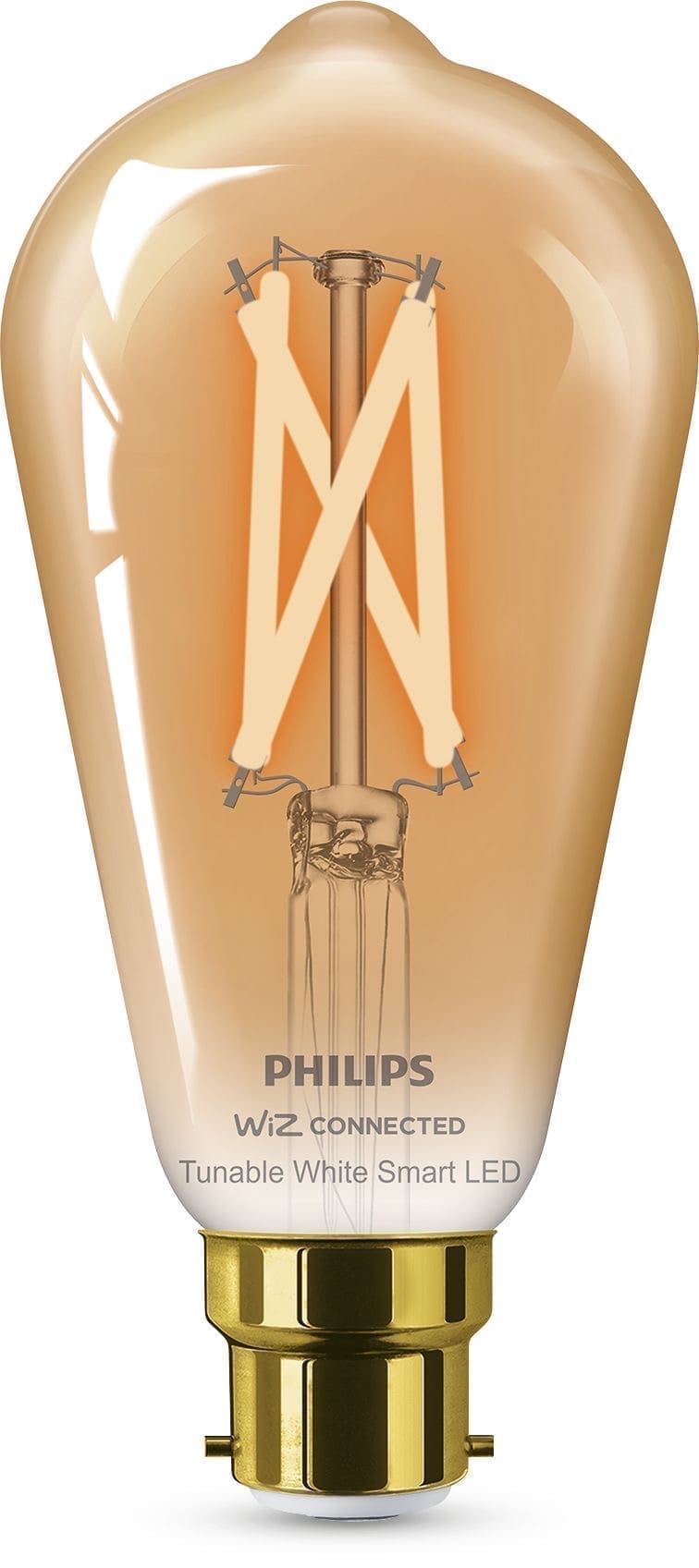
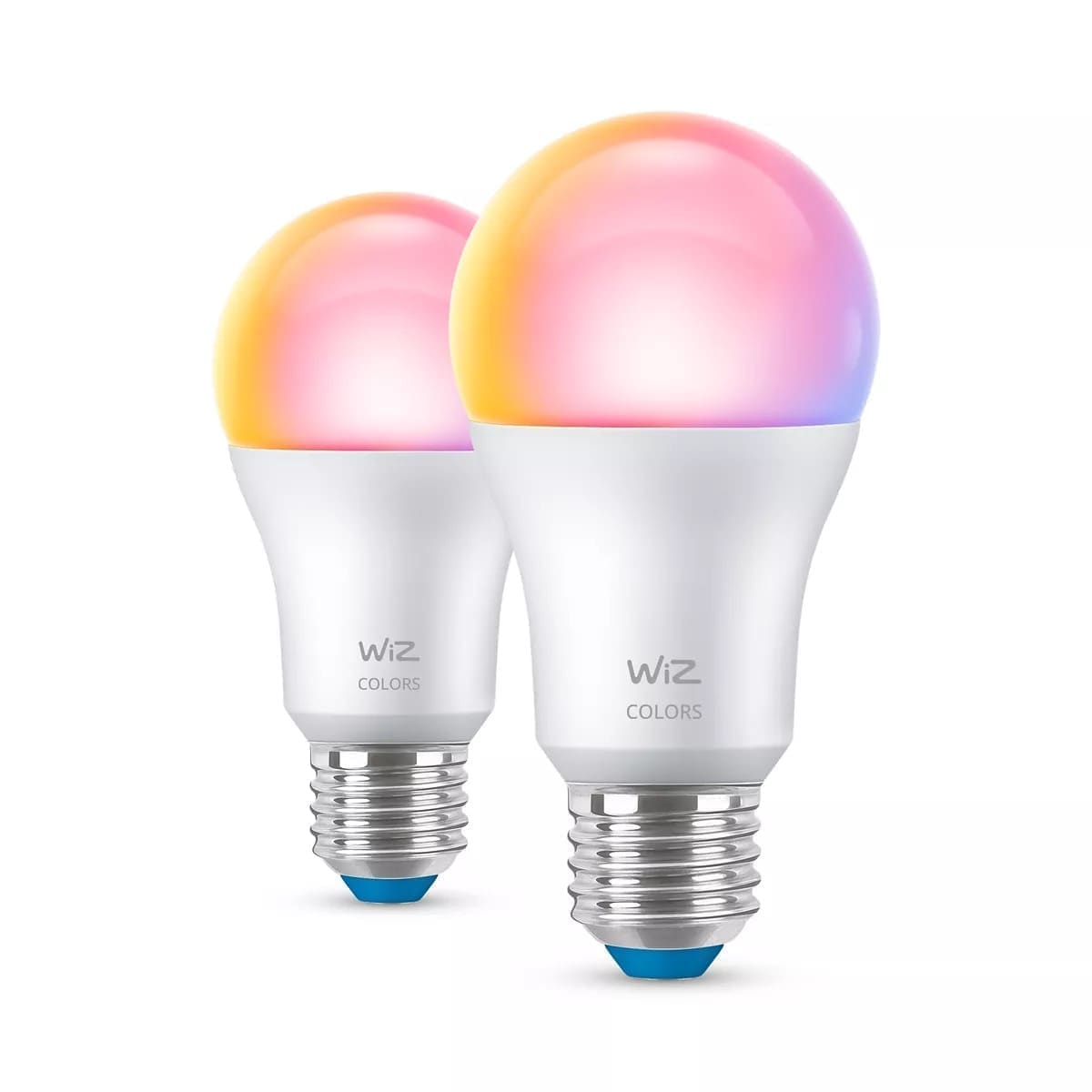
- Consider neither if you are on a tight budget — brands such as Tapo and WiZ offer solid colour-changing smart bulbs at significantly lower price points, with decent Home Assistant support via Matter or local APIs.
- Consider Govee if budget is your primary concern — our Govee smart lights UK review covers the full range of strips, bulbs, and lamps available in 2026.
- Consider IKEA TRADFRI for the lowest per-bulb cost with Matter support — our IKEA TRADFRI review UK covers the full 2026 range including B22 bayonet bulbs and the DIRIGERA hub.
Weighing up a third option too? Our Philips Hue vs WiZ vs LIFX three-way comparison brings WiZ's budget Wi-Fi bulbs into the mix alongside these two.