
Do UK homes need a neutral wire for smart switches?
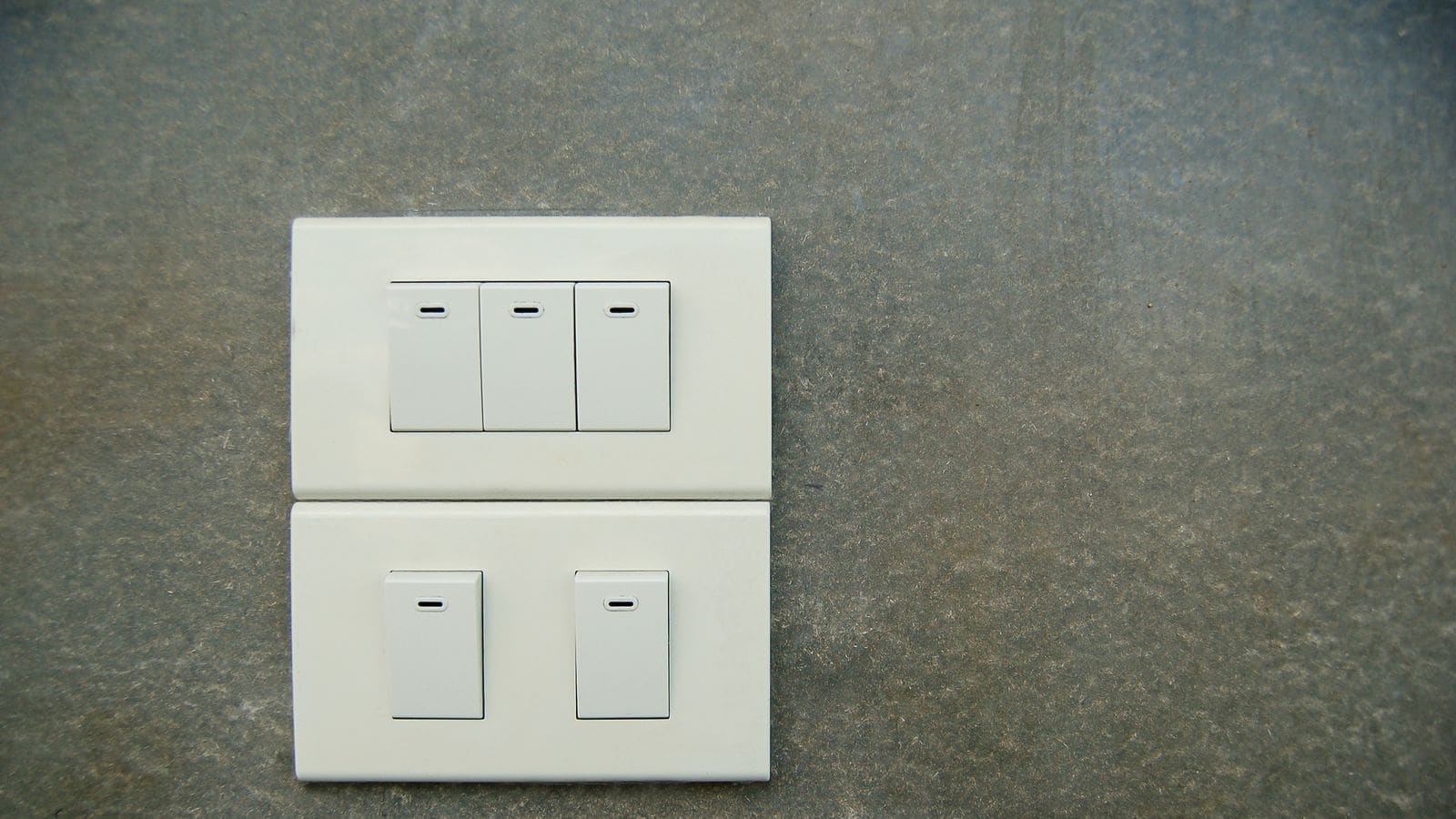
This is the single most important question before you buy. Traditional UK wiring runs only a live and switched-live wire to the wall switch box, with the neutral going directly to the ceiling rose — not to the switch. Many smart switches require a neutral wire to power their radio and processor when the load is off, which means they simply will not work in the majority of older UK homes without rewiring.
To check which wires are in your back box, isolate the circuit at the consumer unit, unscrew the existing switch, and look for a cluster of neutrals — a bare copper or blue wire looped between multiple switches. If there is only a red (or brown) and black (or grey) wire, you have a 2-wire loop-at-switch setup. Several brands now offer no-neutral smart switches built specifically for this kind of UK retrofit — see our dedicated no-neutral smart switch guide for a deeper comparison of minimum LED loads, bypass modules, and battery-powered options if that's your situation. The picks below cover both no-neutral and neutral-required switches so you can shop by protocol and feature set regardless of your wiring.
What are the best smart light switches available in the UK?
1. Tapo S210 / S220 — Best value Wi-Fi switch
Best for: newcomers who want hassle-free setup without a separate hub.
TP-Link's Tapo S210 (single gang) and S220 (two gang) are among the most affordable smart switches sold in the UK. Both operate without a neutral wire and connect to the Tapo hub (the H100 or H200) rather than directly to your router, keeping your 2.4 GHz Wi-Fi network clutter-free. The RRP for the S220 two-gang model is around £30, though prices vary by retailer. Voice control works with Alexa and Google Assistant out of the box; HomeKit is reachable via the H200 hub using Matter.
The app is polished and supports schedules, away mode, and sunrise/sunset automations. The switch plate itself is slim enough to sit flush over most standard UK single back boxes, though a deeper 35 mm box is recommended for a neat finish. Home Assistant integration is available through the Tapo integration, which supports local polling.
View Tapo S210 on Amazon UK → · View Tapo S220 on Amazon UK →
2. Aqara H1 EU — Best Zigbee switch for HomeKit users
Best for: Apple HomeKit households and Home Assistant users who already run a Zigbee coordinator.
The Aqara H1 EU Smart Wall Switch is available in both no-neutral and with-neutral variants, and in single or double rocker configurations. It uses Zigbee 3.0 for rock-solid local communication and pairs with the Aqara hub for HomeKit, or directly with any Zigbee coordinator (such as a Sonoff Zigbee dongle) for Home Assistant use without any cloud dependency. The no-neutral single rocker version retails at around £32 on Amazon UK, though prices vary.
Build quality is noticeably higher than budget alternatives — the rocker action is firm and the backlit status LED is subtle. It works with Zigbee smart bulbs on the same coordinator, meaning you can mix switches and bulbs in one unified automation platform. One caveat: the EU faceplate is a square format rather than a UK standard oblong, so you will need the optional UK adapter plate for a flush fit on standard UK pattress boxes.

3. Candeo Zigbee Dimmer — Best dimmer for UK LED loads
Best for: rooms with dimmable LED downlighters where you want flicker-free, silent dimming.
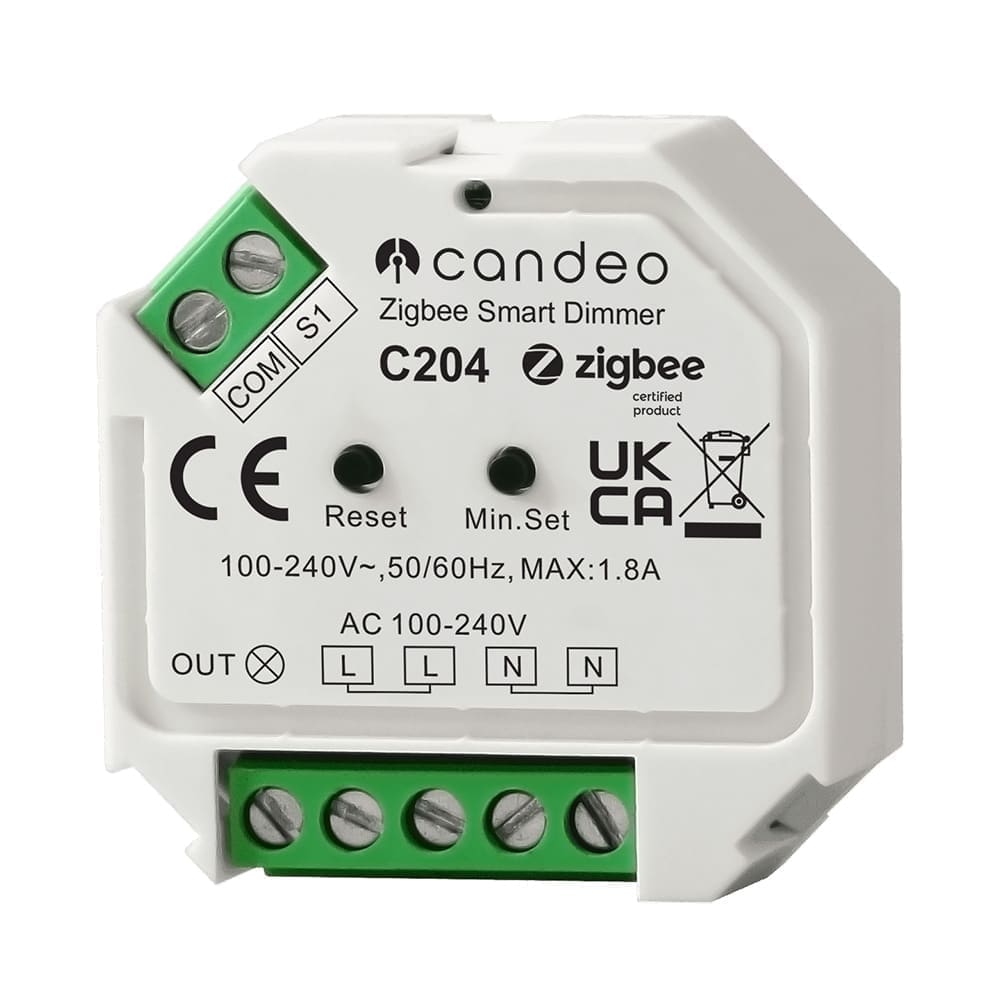
Candeo is a UK-focused brand that has earned a strong reputation in the Home Assistant and Zigbee communities. Their Zigbee Smart Dimmer Switch requires no neutral wire and fits a standard UK 1-gang or 2-gang back box. Importantly, Candeo publish a full LED compatibility list on their website, so you can verify your specific bulb before purchase — this is rare among smart switch brands and significantly reduces the risk of flicker or hum.
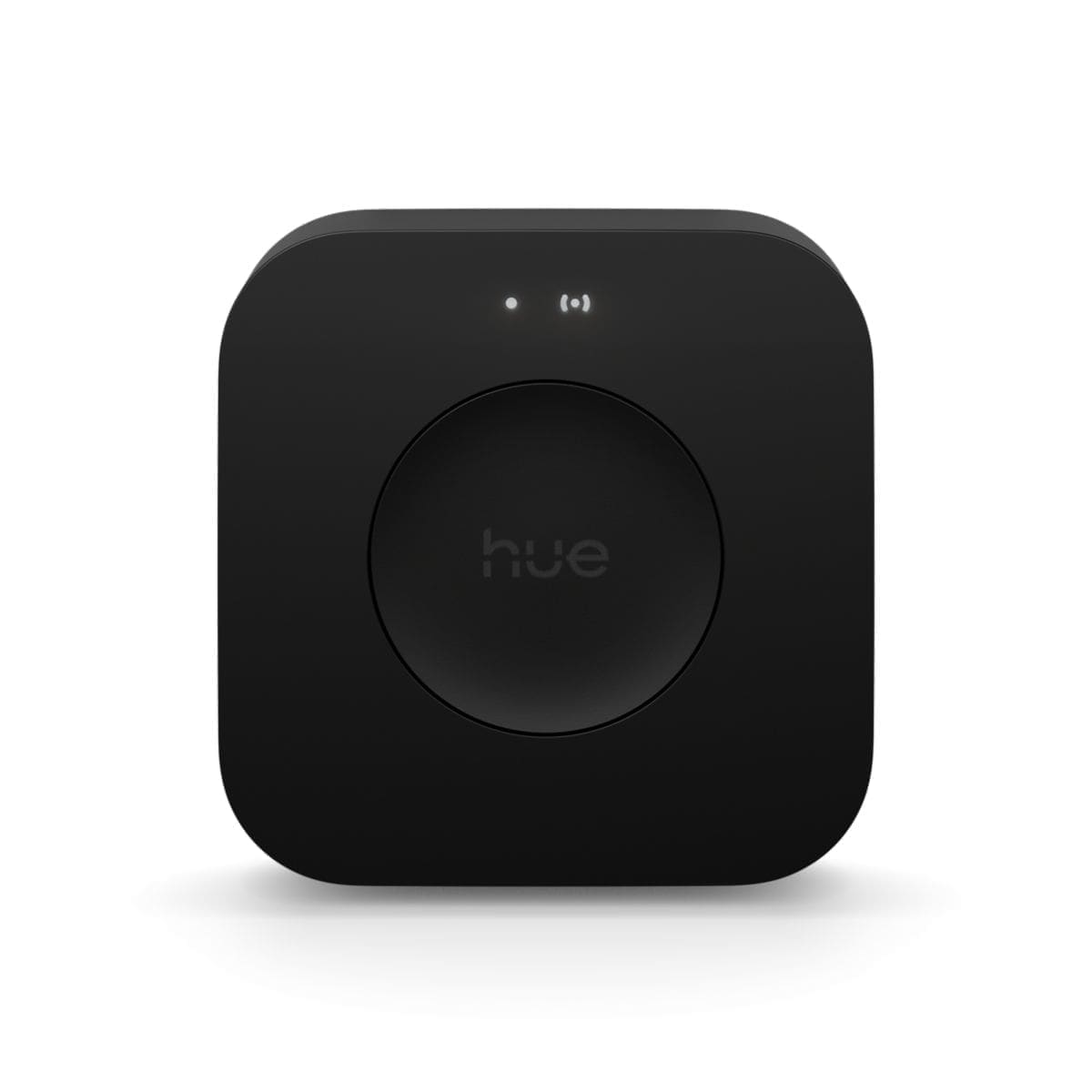
The dimmer acts as a Zigbee router, strengthening your mesh, and integrates natively with Home Assistant via Zigbee2MQTT or ZHA. It also works with Philips Hue Bridge, Amazon Echo (with Zigbee), and SmartThings. Pricing for a one-gang kit (module plus faceplate) sits in the £40–£50 range, prices vary by configuration. If you are building a whole-home Zigbee lighting system alongside smart bulbs, Candeo dimmers are among the most reliable UK options available.
4. Shelly Plus 1 / Shelly i4 — Best for Home Assistant power users
Best for: DIY enthusiasts and Home Assistant power users who want maximum local control.
Shelly devices are not traditional wall switches — they are compact relay or input modules that fit behind your existing switch plate inside the back box. The Shelly Plus 1 is a Wi-Fi relay that works with or without a neutral wire and slots behind almost any existing rocker switch, preserving the original look of your home. The Shelly i4 handles four dry-contact inputs and is ideal for retractive (momentary) switch conversions.
Shelly integrates with Home Assistant natively over the local network via the official Shelly integration, with no cloud account required. Devices are Certified Works with Home Assistant. The Plus 1 is available on Amazon UK for around £15–£20 depending on pack size, prices vary. Because the module hides behind the wall plate, there is zero visual difference to your existing décor — a significant advantage in period properties.
View Shelly 1 Mini Gen3 on Shelly Store UK → · View Shelly i4 Gen3 on Shelly Store UK →
5. Tapo S500 series — Best Matter-native switch
Best for: future-proofing a multi-platform household (Apple, Google, Amazon simultaneously).
TP-Link's Tapo S500 series are the brand's Matter-over-Wi-Fi smart switches, requiring a neutral wire but offering direct multi-platform support without a hub. Once added to your home via the Tapo app, they appear natively in Apple Home, Google Home, and Amazon Alexa simultaneously — no Matter bridge required. For new builds or renovations where neutral wires are available at every switch, these represent a solid long-term investment as Matter adoption grows.
Correction: only the newer Tapo S505/S505D carry Matter certification — the S500/S500D are Wi-Fi only (Alexa/Google Assistant, no native Matter). Check the exact model number before buying if Matter support matters to you; UK retail availability for the S505 was not confirmed at the time of writing.
What should UK buyers consider before buying a smart light switch?
Check your load type
No-neutral smart switches work by bleeding a small current through the load. This works well with LED bulbs of 5 W or above, but can cause flickering or ghost glow with very low-wattage LEDs or some dimmable drivers. Always cross-reference the switch's minimum load specification (commonly 3–10 W) against your installed bulb wattage.
Gang size and back box depth
UK standard wall switches use oblong single-gang (86 × 86 mm) or double-gang (146 × 86 mm) plates on a 25 mm or 35 mm back box. Smart switches contain more electronics than a passive rocker, so a 35 mm deep back box is strongly recommended. If you have a flush 25 mm box, you may need to retrofit a deeper surface-mount box or use a low-profile module like Shelly.
Wiring regulations
In England, Wales, and Scotland, replacing a like-for-like light switch is classed as non-notifiable minor electrical work under the Building Regulations Part P, meaning a competent DIYer can carry out the work without notifying the local authority. However, any new circuit, consumer unit work, or work in a bathroom or kitchen zone must be carried out or certified by a registered electrician. Always isolate the circuit at the consumer unit before working on any wiring.
Energy savings
Smart switches enable schedule-based and occupancy-based control that eliminates standby waste. With the Ofgem default tariff electricity unit rate at approximately 24.67p per kWh from April 2026, cutting even 1 kWh per day in unnecessary lighting (around 10 × 10 W bulbs left on for 10 hours) saves roughly £90 per year at that rate. Pairing switches with Home Assistant energy monitoring gives you circuit-level visibility of exactly where savings are being made.
Which protocol should you choose?
Wi-Fi switches (Tapo, Shelly) are simple to set up and need no hub, but add load to your 2.4 GHz network. Zigbee switches (Aqara, Candeo) use a separate low-power mesh that grows more robust with every added device, and integrate tightly with Home Assistant. Matter switches (Tapo S500 series) are the most future-proof but currently require a neutral wire and a slightly more involved first-time setup. For most UK homes with older wiring, a no-neutral Zigbee switch paired with a Zigbee coordinator is the most reliable long-term choice. If you prefer a hub-based system with rock-solid reliability and no 2.4 GHz congestion, read our Lutron Caseta UK review for an alternative approach.