Best Smart Home Hubs UK: At a Glance
| Hub | Protocols | Local control | Home Assistant compatible | UK price |
|---|---|---|---|---|
| Home Assistant Green | Matter, Thread, Zigbee (with ZBT-2 dongle) | Yes, fully local | Yes — runs Home Assistant natively | ~£90 (plus ~£25 ZBT-2 dongle) |
| Home Assistant Yellow | Matter, Thread, Zigbee (built-in radio) | Yes, fully local | Yes — runs Home Assistant natively | ~£140–£160 |
| Amazon Echo Hub | Matter, Thread, Zigbee | No, cloud-dependent | Via Matter only | ~£170–£180 |
| Apple HomePod mini | Matter, Thread; no Zigbee | Partial (local Thread routing) | Via Matter only | ~£99 |
| Aqara Hub M3 | Matter, Thread, Zigbee 3.0 | Partial (Aqara cloud for some features) | Yes, via Matter bridge mode | ~£70–£80 |
| Samsung SmartThings Hub V3 | Matter, Thread, Zigbee, Z-Wave | Partial, local for supported devices | Via Matter only | ~£60–£70 |
| SmartThings Station | Matter, Thread, Zigbee | Partial, local for supported devices | Via Matter only | ~£50–£60 |
| Philips Hue Bridge Pro | Matter, Thread, Zigbee | Yes for lighting automations | Yes, native integration + Matter | ~£80–£90 |
| IKEA Dirigera | Matter, Thread, Zigbee | Partial, local for supported devices | Yes, native integration + Matter | ~£40 |
| Homey Pro | Matter, Thread, Zigbee, Z-Wave, Wi-Fi, IR, 433/868 MHz | Yes, fully local | Yes, via Homey Pro's Home Assistant app | ~£350 |
How We Chose These Hubs
We shortlisted hubs available through mainstream UK retailers with UK warranty support and Type G plug compatibility, then scored each on four criteria: protocol coverage (Matter, Thread, Zigbee, Z-Wave), whether automations run locally or depend on the manufacturer's cloud, UK street price, and depth of Home Assistant compatibility — since that is the most common query behind this guide. We excluded hubs without confirmed UK retail availability or a UK warranty, and we prioritise devices we can verify against manufacturer spec sheets and UK retailer listings, cited throughout this guide.
What Makes a Good Smart Home Hub?
Before diving into the picks, it helps to understand what a hub actually does. A smart home hub is the device that translates between wireless protocols — Zigbee, Thread, Z-Wave, Wi-Fi — and gives you a single place to build automations. Without a hub, each brand needs its own app and cannot talk to devices from other manufacturers.
In 2026 the key protocols to look for are:
- Matter — the universal cross-platform standard backed by Apple, Google, Amazon, and the Connectivity Standards Alliance. Any Matter-certified device works with any Matter controller.
- Thread — the low-power mesh radio that most battery-powered Matter devices use. Your hub needs a Thread Border Router to reach them.
- Zigbee 3.0 — still the protocol behind most affordable smart plugs, bulbs, and sensors sold in the UK. A good hub includes a Zigbee radio so you can use these devices without a separate bridge.
- Z-Wave — less common in the UK but valued for door locks and security sensors, especially in professional installations.
For UK buyers, two additional factors matter: UK plug compatibility (Type G sockets) and UK retail availability. A hub sold only on US Amazon with no UK warranty is a poor choice, however capable it may be.
Our Top Picks
1. Home Assistant Green — Best Overall for UK Buyers
Best for: Anyone who wants full local control, no subscription fees, and the widest device compatibility.
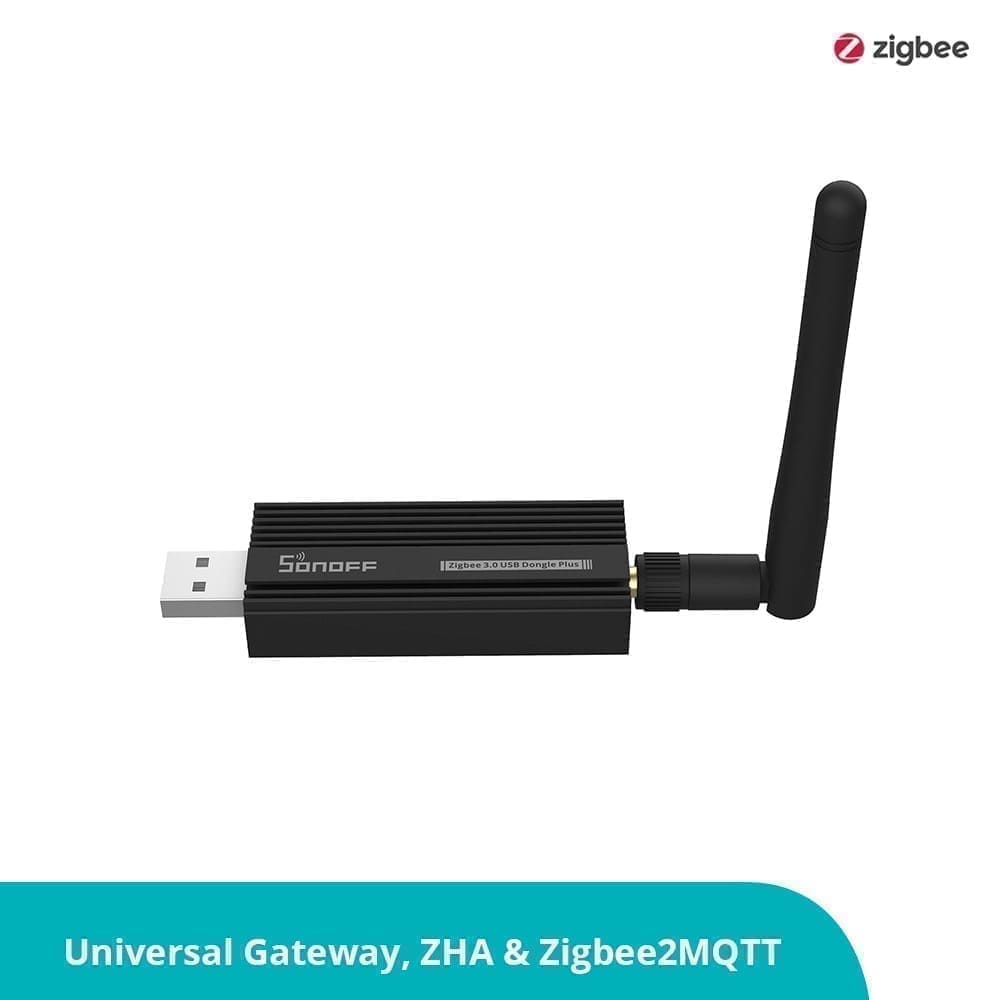
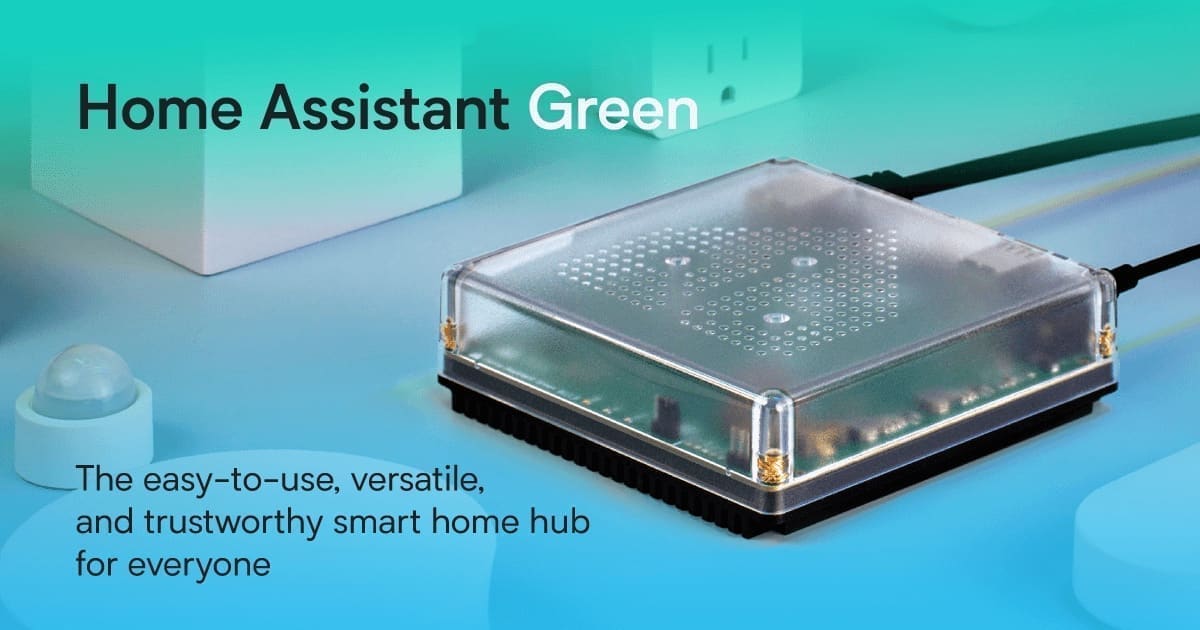
Home Assistant Green is a compact, plug-and-play hub from Nabu Casa that runs Home Assistant OS out of the box. It connects via Ethernet, draws around 2 W at idle, and is available from UK retailers including Amazon UK and Smart Home Shop UK (prices vary by retailer). Pair it with a Home Assistant Connect ZBT-2 USB dongle (sold separately) to add Zigbee and Thread radios — that combination gives you Matter controller, Thread Border Router, and Zigbee coordinator in a single low-cost setup.
Because all automations run locally on the device, your home continues to function during broadband outages. There is no mandatory cloud subscription, though the optional Nabu Casa subscription (around £6.50 per month) adds voice assistant integration and remote access. Home Assistant also integrates with over 3,000 services, making it the most future-proof hub on this list — including most current robot vacuums; see our robot vacuum finder for which models offer the best Home Assistant support.
The trade-off is a steeper initial setup compared to a plug-and-play Echo Hub. If you are new to smart home tech, read our full guide on how to set up Home Assistant in the UK before committing.
Protocol support: Matter (controller), Thread (with ZBT-2 dongle), Zigbee (with ZBT-2 dongle), Wi-Fi, Bluetooth, Z-Wave (with additional dongle)
2. Amazon Echo Hub — Best Plug-and-Play Option
Best for: Alexa users who want a dedicated wall-mounted smart home control panel.
The Amazon Echo Hub is an 8-inch touchscreen designed specifically as a smart home control panel. Unlike a standard Echo smart speaker, it has no audio output — its entire purpose is controlling your smart home. It includes built-in Zigbee, Thread, Matter, Wi-Fi, and Bluetooth radios, making it one of the most protocol-complete hubs available at its price point. Prices vary by retailer; check Amazon.co.uk for current UK pricing.
Setup takes around ten minutes via the Alexa app and requires no technical knowledge. The touchscreen lets you control devices, view Ring camera feeds, and trigger routines directly without reaching for your phone. It is compatible with over 10,000 devices, covers all UK-common smart home brands, and supports the UK Type G socket standard through compatible smart plugs.
The main limitation is cloud dependency: automations run through Amazon's servers, so a prolonged internet outage disables most routines. Alexa routines are also less powerful than Home Assistant automations, particularly for complex multi-condition triggers. In 2026, Alexa+ (included with Prime or as a paid add-on) brings enhanced AI capabilities to the platform.
Protocol support: Matter, Thread, Zigbee, Wi-Fi, Bluetooth
3. Apple HomePod Mini — Best for Apple Households
Best for: iPhone and iPad users already in the Apple ecosystem.
The Apple HomePod mini doubles as a compact smart speaker and a fully-featured HomeKit home hub. It acts as a Thread Border Router automatically once set up, bridging Thread-based Matter devices to your Apple Home — and via Matter's multi-admin feature, to Home Assistant and Google Home simultaneously. It is available from Apple UK, Amazon UK, and John Lewis (prices vary by retailer).
For UK buyers with multiple Apple devices, HomePod mini is the simplest path to reliable home hub functionality. Automations run locally on the device, your home stays responsive when cloud connectivity drops, and Siri integration works hands-free without any configuration. HomeKit's privacy model means no home data is shared with Apple unless you explicitly opt in.
The limitation is ecosystem lock-in: HomeKit supports fewer third-party devices than Home Assistant or Alexa, and many affordable UK smart home products — Sonoff, Shelly, Meross — require a separate Matter bridge or firmware flash to work with HomeKit. If you mix brands heavily, HomeKit can become restrictive.
Protocol support: Matter (controller), Thread (Border Router), Wi-Fi, Bluetooth; no Zigbee
4. Aqara Hub M3 — Best All-in-One Protocol Hub
Best for: Mixed-protocol setups that need Matter, Thread, and Zigbee in a single device.
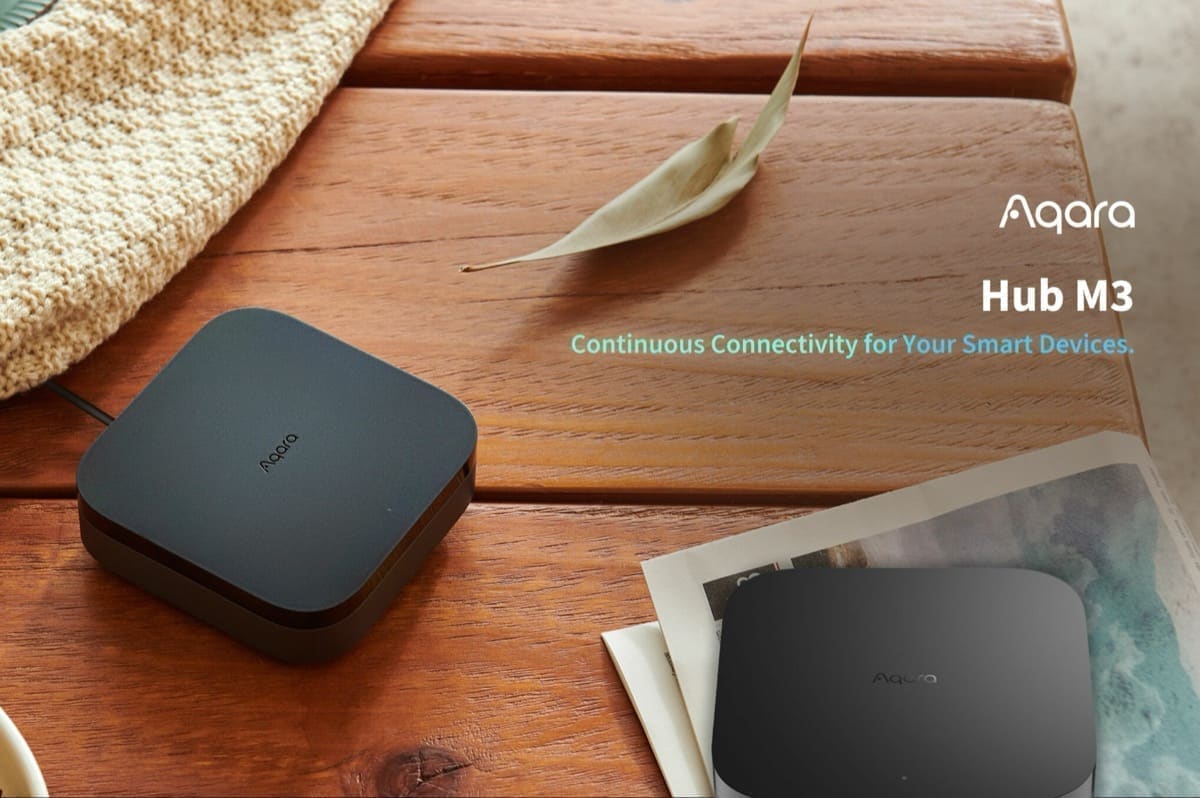
The Aqara Hub M3 is the most technically complete single-unit hub on this list. It packs a Matter controller, Thread Border Router, Zigbee 3.0 radio, Bluetooth, and an infrared blaster into one mains-powered device, and adds gigabit Ethernet for a reliable wired connection. It is available on Amazon UK (prices vary by retailer) and the Aqara UK shop.
A particularly useful feature is Aqara's Matter bridge mode: the M3 exposes all your existing Aqara Zigbee accessories to Apple Home, Google Home, and Alexa as Matter devices, eliminating the need for separate bridges per ecosystem. This makes it an excellent choice if you have a collection of Aqara sensors and want to bring them into Home Assistant via Matter without running a Zigbee coordinator separately.
The M3 does not support Z-Wave and its HomeKit Secure Video role is absent, so Ring or Eufy camera users will not get HomeKit camera integration. For more detail on pairing the M3 with Home Assistant, see our guide to Home Assistant Matter setup.
Protocol support: Matter, Thread, Zigbee 3.0, Bluetooth, IR, Wi-Fi, Ethernet (PoE)
5. Samsung SmartThings Hub (V3) — Best for Z-Wave Compatibility
Best for: Users with Z-Wave devices or a mix of Zigbee and Z-Wave accessories.
The Samsung SmartThings Hub V3 remains the go-to choice for UK buyers who need Z-Wave support alongside Zigbee. It connects via Ethernet, supports both protocols natively, and integrates with a wide range of UK-available devices including smart door locks, sensors, and energy monitors. Samsung's 2026 hub refresh introduced a Thread Border Router and Wi-Fi 6E alongside the existing Zigbee and Z-Wave radios, making the updated model fully Matter-compatible. Prices vary by retailer; check Amazon UK and Samsung's own store.
SmartThings automations run partly in the cloud, though local execution is available for supported devices. The SmartThings app is mature and well-regarded for its device management interface. The main drawback is that Samsung's ecosystem focus means the hub works best when paired with Samsung appliances and SmartThings-branded accessories.
Protocol support: Matter, Thread, Zigbee 3.0, Z-Wave, Wi-Fi, Ethernet
6. Home Assistant Yellow — Best for a Built-In Zigbee Radio
Best for: Buyers who want the full Home Assistant experience with Zigbee and Thread radios already on board, no separate dongle required.
Home Assistant Yellow is Nabu Casa's higher-spec sibling to the Green: the same fully local, subscription-free Home Assistant OS, but with a built-in Zigbee radio and Power over Ethernet support baked into the board. It is available from UK retailers including Home Assistant's own store and specialist resellers (prices vary by retailer).
Because the Zigbee coordinator ships inside the case, there is no dongle to lose track of, and PoE means a single Ethernet cable handles both data and power — useful in a cupboard or loft away from a socket. Everything else follows the Green: local automations, no mandatory cloud fees, and Home Assistant's full integration library. The trade-off is price — Yellow costs roughly £50–£70 more once you account for the Green's required ZBT-2 dongle.
Protocol support: Matter (controller), Thread (Border Router), Zigbee 3.0 (built-in), Wi-Fi, Ethernet (PoE)
7. SmartThings Station — Best Compact Matter Hub
Best for: Samsung ecosystem users who want a small, unobtrusive hub with a wireless phone charger built in.
The SmartThings Station is Samsung's compact follow-up to the SmartThings Hub V3 — a puck-sized device that combines a Matter/Thread/Zigbee radio with a Qi wireless charging pad on top, so it doubles as a bedside or hallway charging spot. It is available on Amazon UK and Samsung's own UK store (prices vary by retailer).
Setup runs through the SmartThings app, and the Station doubles as a secondary Thread Border Router alongside an existing SmartThings Hub V3 to extend Thread mesh coverage. It has no Z-Wave radio, so buyers with Z-Wave locks or sensors should stick with the full SmartThings Hub V3 instead.
Protocol support: Matter, Thread, Zigbee 3.0, Wi-Fi, Bluetooth; no Z-Wave
8. Philips Hue Bridge Pro — Best for Existing Hue Households
Best for: Anyone with a substantial Philips Hue lighting collection who wants faster local automations and Matter support.
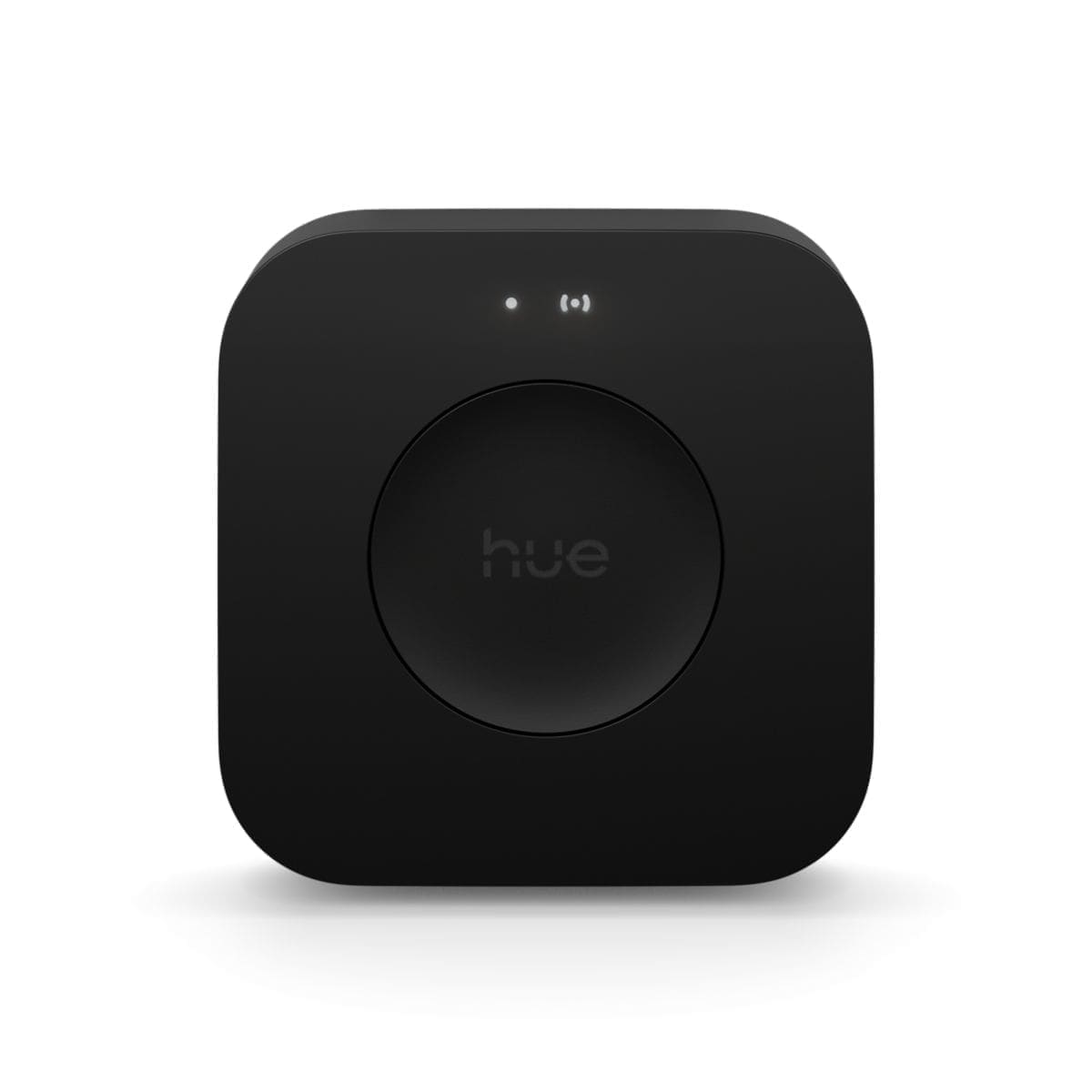
The Hue Bridge Pro is Signify's 2026 refresh of the long-running Hue Bridge, adding a Thread Border Router, Matter support, and enough onboard processing to run lighting automations noticeably faster than the previous generation — Signify quotes near-instant response for scenes and motion-triggered lighting. It is available from Amazon UK, Philips Hue's UK store, and John Lewis (prices vary by retailer).
For UK buyers already invested in Hue bulbs, sensors, and dimmer switches, the Bridge Pro is the natural upgrade: existing Hue Zigbee accessories keep working unchanged, and Matter exposes them to Home Assistant, Apple Home, Google Home, and Alexa simultaneously. Local automations for lighting scenes skip the round trip to Signify's servers, though the Hue app itself still needs an account. It remains lighting-focused rather than general-purpose — no door lock, thermostat, or Z-Wave support — so it works best alongside another hub rather than as a whole-home controller.
Protocol support: Matter, Thread (Border Router), Zigbee 3.0, Wi-Fi, Ethernet
9. IKEA Dirigera — Best Budget Hub
Best for: Buyers on a tight budget who still want Matter and Thread support.
The IKEA Dirigera is the cheapest hub on this list with genuine Matter and Thread support, and it remains one of the best value options for UK buyers building a smart home around IKEA's TRÅDFRI and PARASOLL ranges. It connects via Ethernet or Wi-Fi and is sold through IKEA UK stores and ikea.com.
Dirigera runs some automations locally, though full functionality depends on an internet connection for firmware updates and the IKEA Home Smart app. Its Zigbee radio pairs reliably with IKEA's own devices and most third-party Zigbee 3.0 kit, and Matter support means Dirigera-connected devices can be shared into Home Assistant, Google Home, or Apple Home without a separate bridge. At this price the companion app's automation features are limited, so heavy users tend to run Dirigera as a Zigbee/Matter bridge into Home Assistant rather than as their primary automation engine.
Protocol support: Matter, Thread (Border Router), Zigbee 3.0, Wi-Fi, Ethernet
10. Homey Pro — Best for Advanced Multi-Protocol Automations
Best for: Enthusiasts who want the widest single-device protocol coverage without assembling a Home Assistant setup from separate parts.
Homey Pro from Athom packs Matter, Thread, Zigbee, Z-Wave, Wi-Fi, infrared, and 433/868 MHz radio support into one mains-powered sphere, making it the most protocol-complete hub sold as a single finished product. It is available from Athom's UK store and Amazon UK (prices vary by retailer).
Automations run locally via the Homey flow editor, a visual builder friendlier for non-technical users than Home Assistant's YAML while still supporting multi-condition logic. Homey Pro also has an official Home Assistant companion app, so it can sit inside a broader Home Assistant setup as a protocol bridge rather than a standalone hub. The main downside is price — at roughly £350 it costs several times more than the other hubs here, and Home Assistant Green plus a ZBT-2 dongle covers most of the same ground for less. Homey Pro earns its place mainly for buyers who want 433/868 MHz support for older UK alarm sensors that Home Assistant cannot reach without extra hardware.
Protocol support: Matter, Thread, Zigbee 3.0, Z-Wave, Wi-Fi, Bluetooth, IR, 433/868 MHz
How to Choose the Right Smart Home Hub
Use this quick decision guide based on your situation:
- Starting from scratch and want maximum flexibility: Home Assistant Green + ZBT-2 dongle. It will run any device from any brand for years without subscription fees.
- Already own Alexa-compatible devices and want easy setup: Amazon Echo Hub. The touchscreen adds genuine value and setup is beginner-friendly.
- All-Apple household: HomePod mini. It just works and handles Thread automatically.
- Large collection of Aqara or Zigbee sensors and want cross-ecosystem control: Aqara Hub M3. The Matter bridge mode is the standout feature.
- Have Z-Wave door locks or legacy security devices: Samsung SmartThings Hub V3.
- Want a built-in Zigbee radio and PoE, no dongle: Home Assistant Yellow.
- Already own a large Philips Hue lighting collection: Hue Bridge Pro.
- Tightest budget, still want Matter and Thread: IKEA Dirigera.
- Need 433/868 MHz support for older UK alarm sensors: Homey Pro.
Browse every hub, dongle, and Thread Border Router we track — with live UK pricing and Home Assistant compatibility notes — in our smart home hubs and dongles finder.
UK Energy and Value Considerations
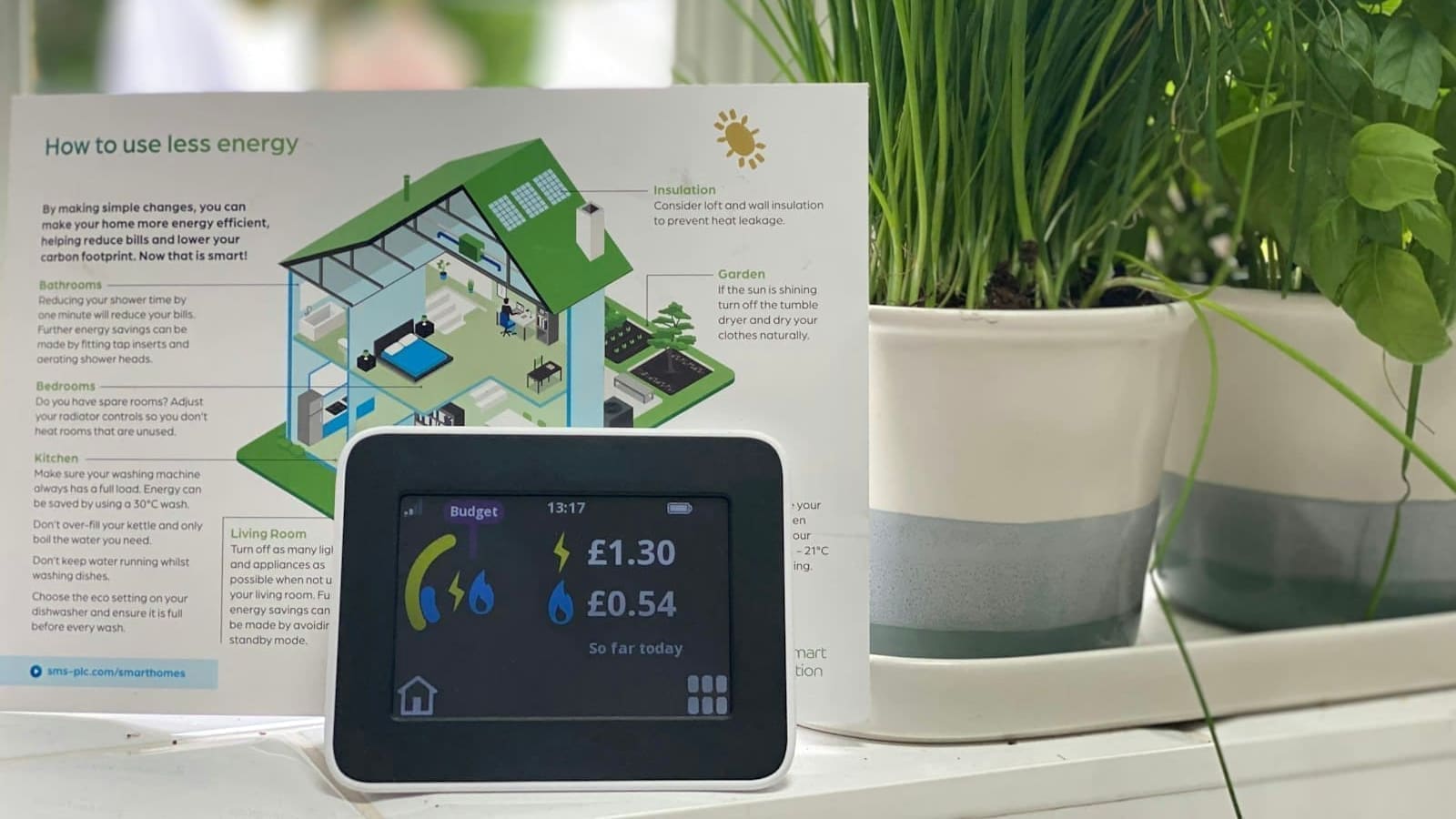
Smart home hubs themselves use very little power — most draw between 1 W and 5 W at idle. At the 2026 Ofgem electricity rate of approximately 24p/kWh (rates vary by tariff and quarter), running a 2 W hub continuously costs around £4 per year. The real energy saving comes from the automations a hub enables: a smart thermostat integration that drops heating setpoints when rooms are unoccupied can save a typical UK household £150–£300 per year on gas bills, based on 2026 Ofgem price cap rates.
All five hubs on this list are available through mainstream UK retailers with UK warranty coverage. None requires a US-spec power adaptor — check the product listing to confirm the UK Type G plug is included or that a UK adaptor is bundled.
Worth Watching: Anker MindBase
Anker unveiled a new entrant at IFA Berlin 2026 worth keeping an eye on: Anker MindBase, a hub that pairs a Matter 1.5 controller with on-device AI and up to 48TB of local NAS storage, and lists confirmed Home Assistant compatibility. No price or release date has been announced yet, so it does not make this list until real units ship and get tested — but it signals more mainstream hubs converging on the local-first approach this list already favours.