
What Is WiZ? (Signify's Budget Brand)
WiZ was founded in Hong Kong in 2012 and acquired by Signify in 2019. Since then it has remained a distinct product line positioned below Philips Hue — sharing Signify's manufacturing quality but without Hue's Zigbee ecosystem or premium pricing. This matters because the engineering is solid: the bulbs use the same chip platform across the WiZ range and WiZ technology is licensed to over 20 other brands worldwide, including some sold under the Philips Smart LED name in non-UK markets.
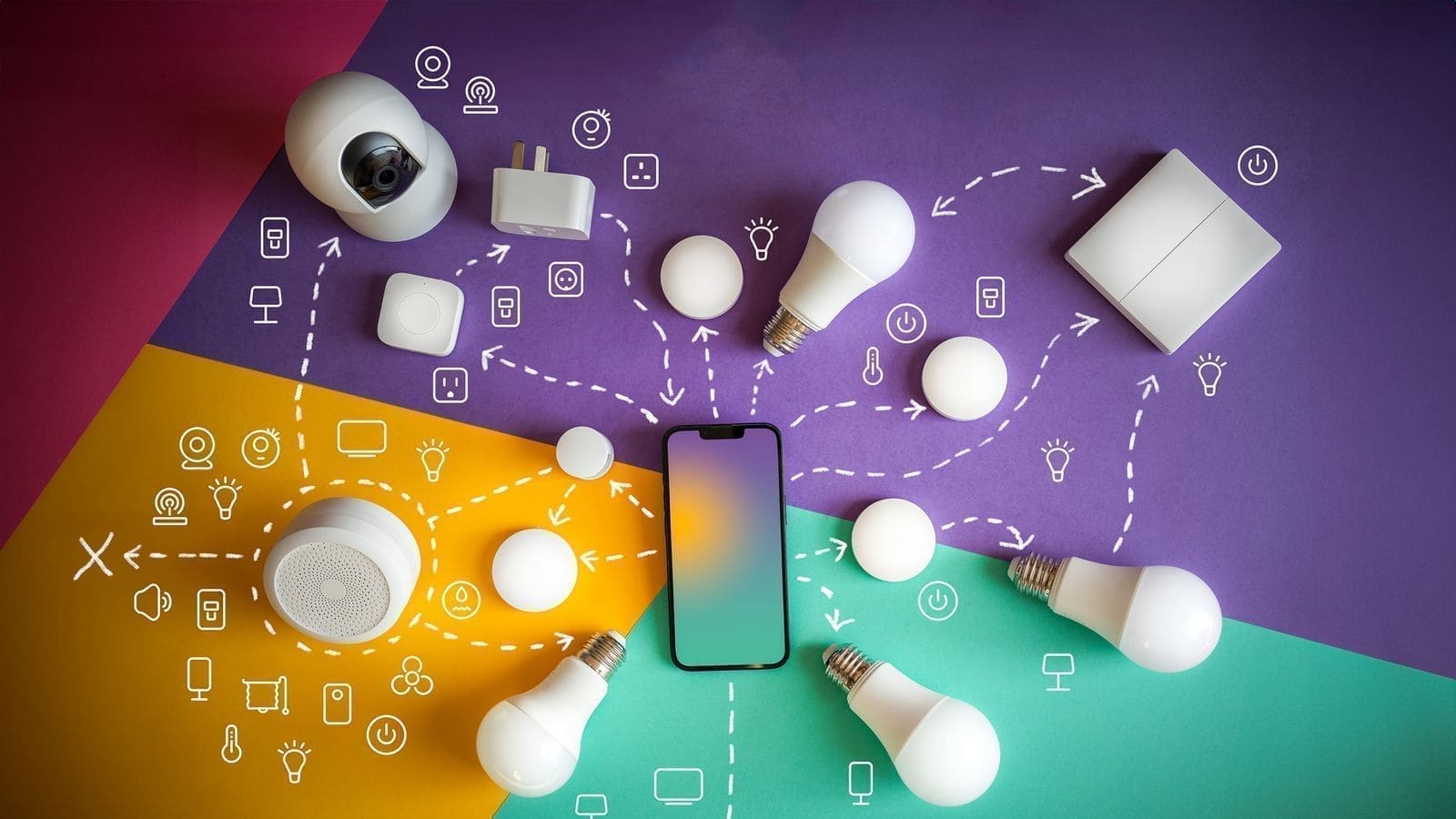
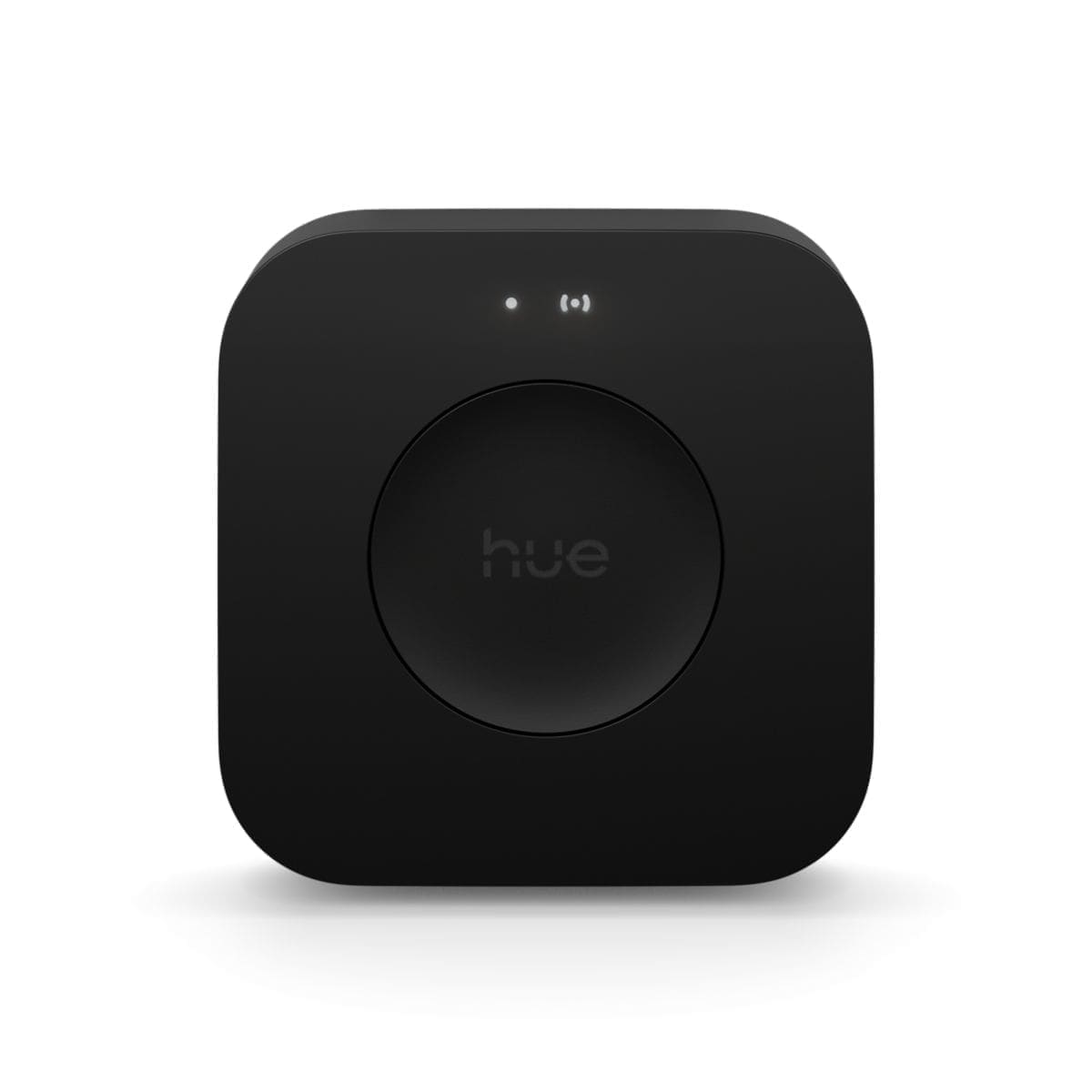
The key difference from Hue is connectivity. Where Hue uses a Zigbee mesh bridged through the Hue Bridge, WiZ bulbs join your 2.4 GHz Wi-Fi network directly. That removes the £49–£59 bridge cost and simplifies setup considerably, but it means each bulb occupies a device slot on your router — something worth considering if you are adding ten or more bulbs to a busy home network.
Products Tested: A60 RGBW, GU10, and BR30
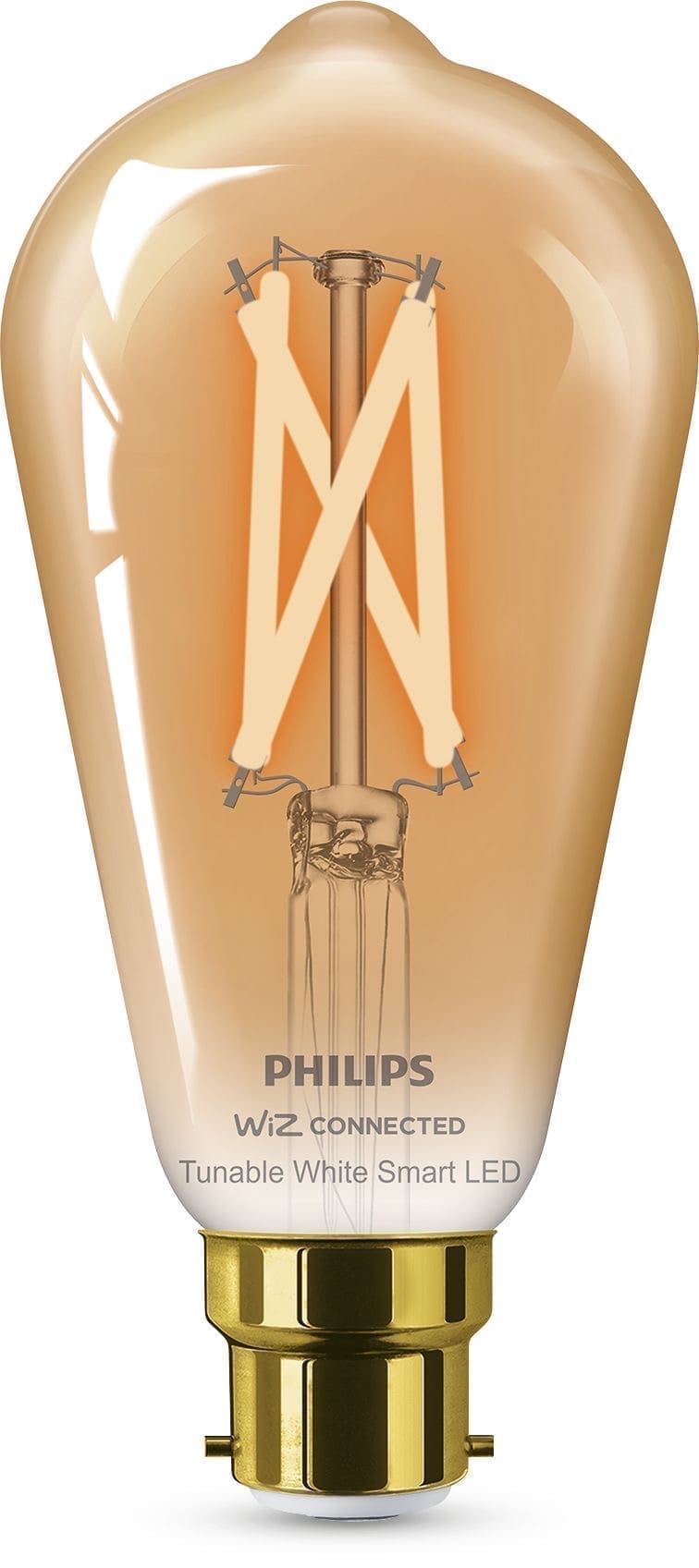
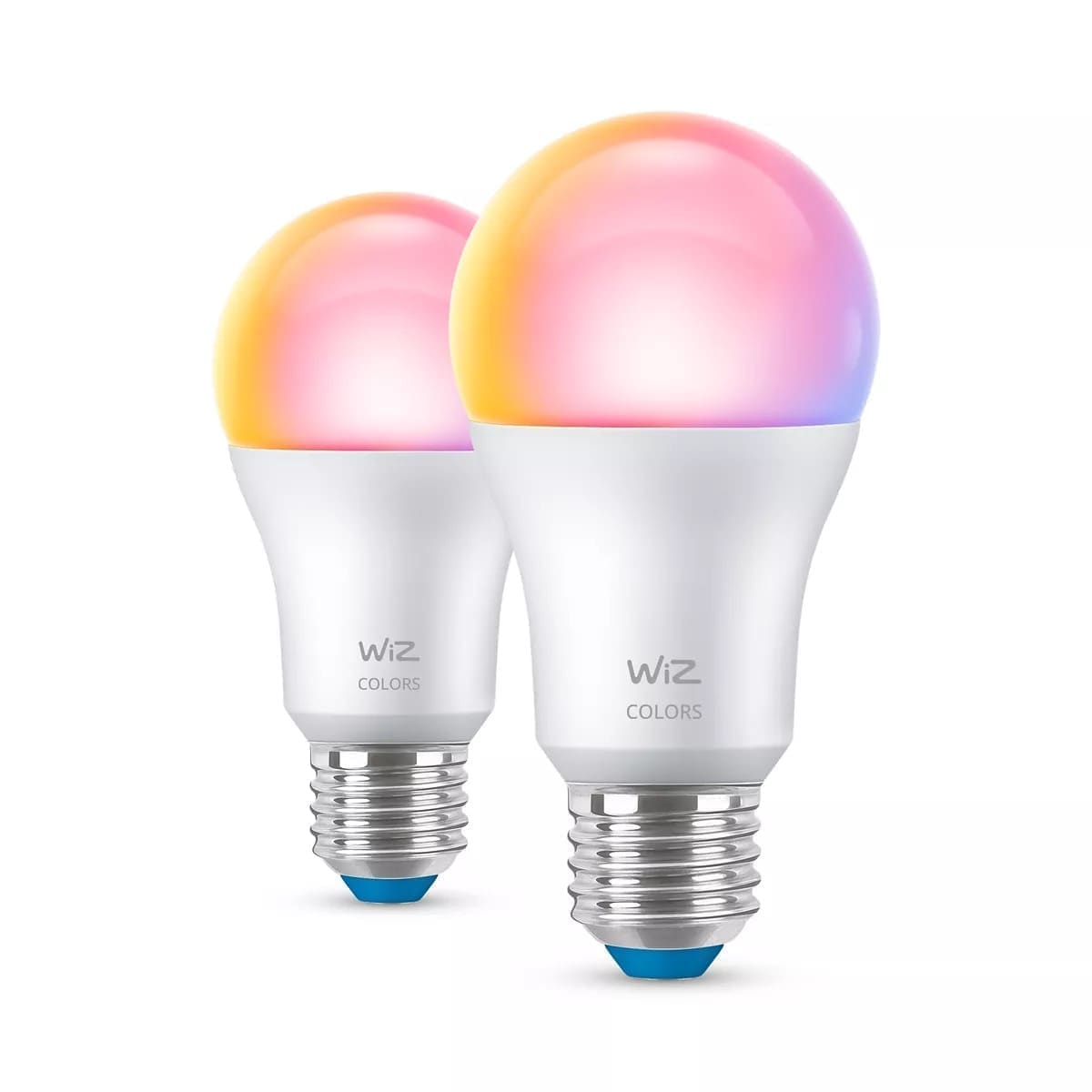
WiZ A60 RGBW (E27/B22). The flagship colour bulb draws 8.5 W and is rated at 806 lumens — roughly equivalent to a 60 W incandescent. Colour temperature is adjustable from 2,200 K (warm candlelight) to 6,500 K (cool daylight), and the RGBW element adds full-colour capability across approximately 16 million colours. Both E27 Edison screw and B22 bayonet cap variants are available, covering the two most common UK fittings. The bulb is rated for 25,000 hours. It is available on Amazon UK, with prices varying by retailer.
WiZ GU10 RGBW. The GU10 spotlight variant is rated at approximately 4.9 W with 345 lumens output. It suits recessed ceiling fittings, kitchen under-cabinet spotlights, and bathroom mirror lights. The glass-envelope design makes it noticeably slimmer than competing smart GU10s and helps it fit in shallower ceiling recesses. A two-pack typically retails around £13–£15 at Amazon UK and Currys.
WiZ BR30. The BR30 flood bulb is less common in UK homes (it is primarily sold in North America) but is available via Amazon UK for anyone with BR30 fittings in older or converted properties. It produces up to 810 lumens and supports the same full RGBW colour range.
App and Initial Setup
Setup is straightforward. Install the WiZ app (available on iOS and Android), screw in the bulb, power it on, and follow the in-app pairing flow. WiZ uses a combination of Wi-Fi provisioning and Bluetooth for the initial handshake — the app locates the bulb over Bluetooth, configures the Wi-Fi credentials, and then hands control over to the Wi-Fi network. The whole process takes around two minutes per bulb on a well-performing 2.4 GHz network.
The WiZ app is clean and responsive. The home screen shows all your rooms and devices with one-tap on/off and brightness sliders. Colour and colour-temperature pickers are smooth, and there is a dedicated Scenes library covering 20+ presets — including Relax, Focus, Party, Cosy, and Night. A Sleep routine gradually dims and warms the light over a set period, which works well as a wind-down cue.
SpaceSense is WiZ's built-in motion-detection feature. The bulbs contain a passive infrared sensor — albeit a basic one — that can trigger scenes or switch the light on when movement is detected. It is less reliable than a dedicated PIR sensor but useful as a gentle automation that requires no extra hardware.
Dynamic Scenes and Music Sync
WiZ scenes cycle through colour gradients on a user-defined speed and can be grouped across multiple bulbs in the same room. The music-sync feature — Rhythm — uses your phone's microphone to pulse the lights in time with audio playing nearby. It responds well to bass-heavy music and parties, though the microphone dependency means it only works when your phone is in the room and the app is open.
Google Home, Alexa, and Apple HomeKit
WiZ integrates natively with Google Home and Amazon Alexa via each platform's official WiZ skill and action. Pairing is simple — link your WiZ account in the respective app — and thereafter you can control bulbs, scenes, and groups by voice. Brightness and colour temperature are both voice-accessible. Colour commands work reliably for common colours; more obscure shades can produce inconsistent results, which is typical across all smart bulb brands.
Apple HomeKit support was added to newer WiZ bulbs in 2023. Not all older WiZ hardware supports HomeKit, so check the product listing before buying if HomeKit is a requirement for your setup. Matter support is present on the latest 2025 WiZ hardware, which means compatible bulbs can join any Matter controller — including Google Home, Amazon Alexa, Apple Home, and Home Assistant — without a dedicated WiZ account once provisioned.
Home Assistant Integration
WiZ has an official Home Assistant integration that uses local push — meaning your HA instance communicates directly with the bulbs over your local network rather than routing commands through Signify's cloud. This is a significant advantage for smart home enthusiasts: your lights continue to respond to HA automations even during an internet outage.
Auto-discovery works well. Home Assistant detects WiZ bulbs on the LAN and prompts you to add them under Settings › Devices & Services. The one requirement is that Allow local communication must be enabled in the WiZ app before HA can take control. Once added, the integration exposes a light entity with full brightness, colour temperature, and RGB support, plus binary sensor entities for SpaceSense occupancy events on supported hardware.
For more on integrating Wi-Fi smart bulbs with Home Assistant, see our Philips Hue vs LIFX comparison — it covers the trade-offs between hub-based Zigbee and direct Wi-Fi approaches in depth. If you are weighing up multiple budget smart bulb options, our best smart bulbs UK guide covers the top picks at every price point.
WiZ vs Philips Hue: Price and Performance
The comparison to Hue is inevitable given they share a parent company. A Philips Hue White and Colour Ambiance A60 costs roughly £35–£45 per bulb, versus approximately £10–£15 for a WiZ A60 RGBW. The Hue Bridge adds a further £49–£59 upfront. The total system cost for five Hue colour bulbs plus the bridge runs to around £225–£285; five WiZ colour bulbs cost around £50–£75 with no bridge needed.
What does the extra money buy with Hue? Zigbee's mesh reliability and lower latency, a wider accessory ecosystem (outdoor lighting, lightstrips, motion sensors, switches), and tighter integration with professional smart home platforms. For the majority of UK renters and homeowners who want a handful of colour-changing bulbs in a living room or bedroom, WiZ delivers around 80% of the Hue experience at 25–30% of the cost.
Verdict
WiZ smart lights are the sensible choice for anyone who wants affordable, capable smart bulbs without committing to a premium ecosystem. Hub-free 2.4 GHz Wi-Fi setup, solid app quality, Alexa and Google Home compatibility, and a Home Assistant integration that uses local push rather than cloud polling all stack up well at the price. The A60 RGBW is the strongest all-round option; the GU10 is the best-value smart spotlight in the UK market. If you are already invested in Philips Hue or want Zigbee mesh reliability, WiZ will not tempt you across. For everyone else — especially those building their first smart lighting setup — WiZ is a compelling starting point.