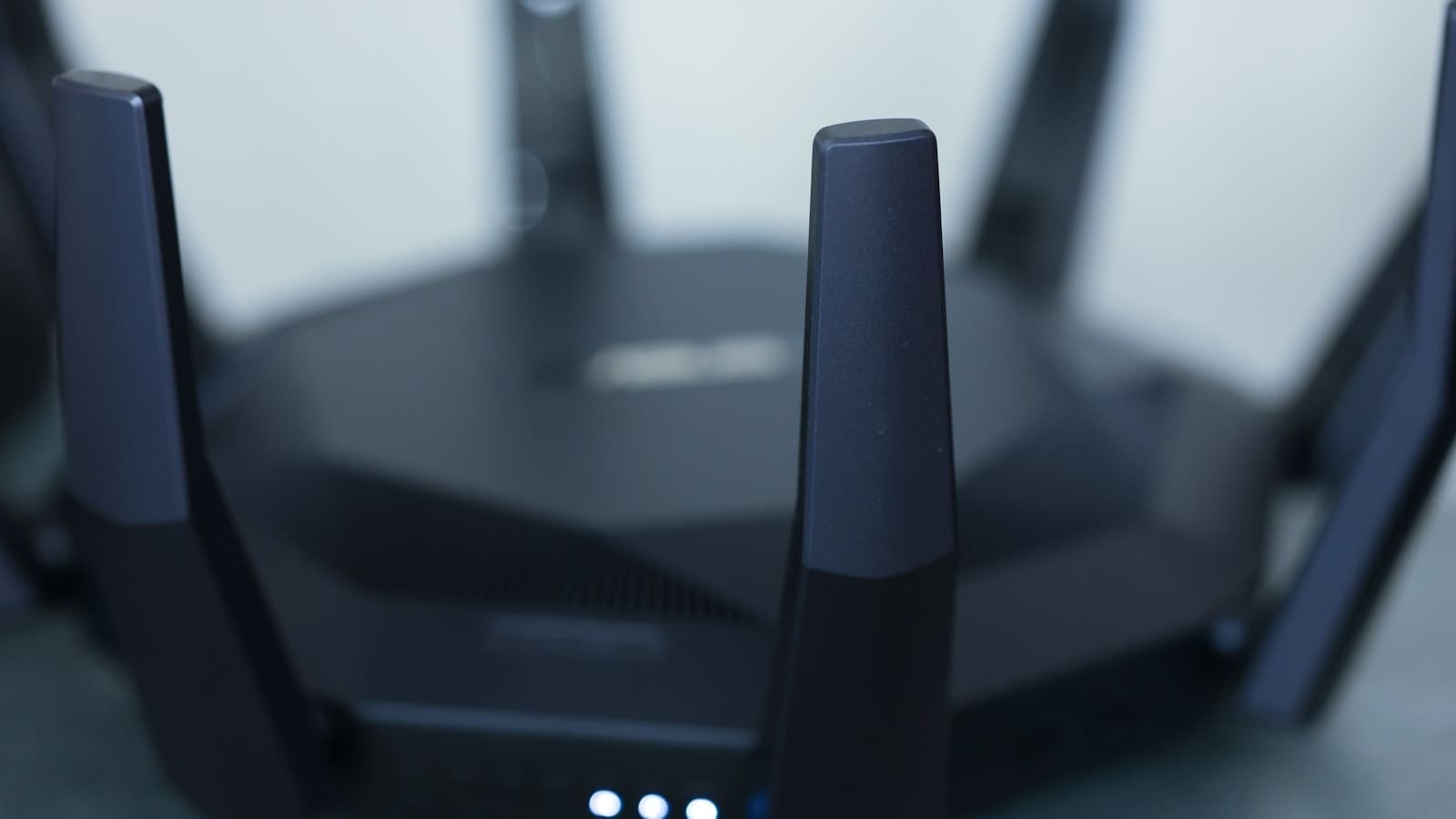

What Is WiFi 6E?
WiFi 6E extends the WiFi 6 standard into the 6 GHz band. A standard WiFi 6 router operates on 2.4 GHz and 5 GHz — bands that have been in use for decades and are now heavily congested, especially in flats and terraced houses with neighbours on all sides. WiFi 6E adds a third band at 6 GHz, which currently has far fewer competing devices and supports up to seven non-overlapping 160 MHz channels, compared to just two on the 5 GHz band. The result is dramatically lower latency and much less interference for compatible devices. the full breakdown of how the two standards compare on paper — bands, speeds, and UK device support — see our WiFi 6 vs WiFi 6E guide.
In the UK, Ofcom released 500 MHz of the lower 6 GHz band (5,925–6,425 MHz) for indoor Wi-Fi use in 2020, making the UK one of the first European countries to do so. More recently, Ofcom has proposed sharing the upper 6 GHz band between low-power Wi-Fi and mobile broadband networks, which would eventually open up an additional 700 MHz of spectrum.
WiFi 6E vs WiFi 7: Which Should You Buy?
WiFi 7 is the newer standard, but WiFi 6E remains excellent value for most UK households. The key difference is that WiFi 7 introduces Multi-Link Operation (MLO), which allows a device to use multiple bands simultaneously, reducing latency by up to 75% in congested environments. WiFi 7 also supports 320 MHz channels on the 6 GHz band and 4096-QAM encoding, pushing theoretical maximum speeds to around 46 Gbps across all bands — versus 9.6 Gbps for WiFi 6E.
In practice, if your broadband is below 1 Gbps and you have fewer than 20 active devices, a WiFi 6E router will serve you very well and costs significantly less. WiFi 7 makes more sense if you have multi-gigabit fibre, run a densely packed smart home, or want a router that will remain current for the next five or more years. Both standards are covered in this guide — we have included two WiFi 7 routers alongside three WiFi 6E models to give you the full picture. If you have already decided WiFi 7 is the right call, see our dedicated best WiFi 7 router UK roundup for a wider range of tri-band and mesh picks.
For more on building a solid home network foundation, see our guide to the best router for a smart home in the UK.
Top 5 WiFi 6E and WiFi 7 Routers Available in the UK
1. ASUS RT-BE96U — Best WiFi 7 Router Overall
WiFi standard: WiFi 7 (802.11be) | Bands: Tri-band (2.4 GHz + 5 GHz + 6 GHz) | Max speed: 19,000 Mbps | Ports: Dual 10 Gbps
The ASUS RT-BE96U is one of the most capable home routers available. As a WiFi 7 device it supports Multi-Link Operation, 320 MHz channels, and 4096-QAM on the 6 GHz band. The dual 10 Gbps ports make it ideal for homes with multi-gig fibre or a NAS. It supports AiMesh, so you can pair it with additional ASUS nodes to create a whole-home mesh network. It is the most expensive option here, but represents genuine future-proofing. Check UK price on Amazon. Approximate UK price: £400–£500.
2. TP-Link Archer BE800 — Best WiFi 7 Value
WiFi standard: WiFi 7 (802.11be) | Bands: Tri-band | Max speed: 19,000 Mbps | Ports: Dual 10 Gbps, four 2.5 Gbps
The TP-Link Archer BE800 delivers WiFi 7 performance at a more competitive price point than the ASUS RT-BE96U. It features a distinctive LED display on the front panel showing network status at a glance, support for 320 MHz channels on the 6 GHz band, and TP-Link's EasyMesh compatibility. The four 2.5 Gbps LAN ports are a practical bonus for wired devices such as a smart home hub, NAS, or gaming PC. TP-Link's HomeShield security subscription adds threat protection. Check UK price on Amazon. Approximate UK price: £300–£380.
3. Netgear Nighthawk RAXE500 — Best WiFi 6E for Performance
WiFi standard: WiFi 6E | Bands: Tri-band (2.4 GHz + 5 GHz + 6 GHz) | Max speed: 10,800 Mbps | Ports: One 2.5 Gbps WAN, four 1 Gbps LAN
The Netgear Nighthawk RAXE500 was one of the first WiFi 6E routers on the market and remains a strong performer. It delivers fast, consistent throughput on the 6 GHz band and supports OFDMA and MU-MIMO for efficient management of multiple simultaneous connections. It suits large homes of up to roughly 325 m² (3,500 sq ft). The price has dropped considerably from its original launch price of around £550, making it much better value now. Check UK price on Amazon. Approximate UK price: £250–£320.
4. ASUS RT-AXE7800 — Best WiFi 6E Mid-Range
WiFi standard: WiFi 6E | Bands: Tri-band (2.4 GHz + 5 GHz + 6 GHz) | Max speed: 7,800 Mbps | Ports: One 2.5 Gbps WAN
The ASUS RT-AXE7800 is the most accessible of the dedicated WiFi 6E routers in this list. It hits the sweet spot between price and performance for a typical UK household. The 6 GHz band supports up to seven 160 MHz channels, the 2.5 Gbps WAN port handles multi-gig fibre connections, and ASUS AiMesh compatibility means you can add nodes later if coverage needs to extend to outbuildings or a large garden. AiProtection Pro provides network security without a subscription. Check UK price on Amazon. Approximate UK price: £180–£230.
5. TP-Link Archer AXE200 Omni — Most Distinctive WiFi 6E Router
WiFi standard: WiFi 6E | Bands: Tri-band | Max speed: ~11,000 Mbps | Ports: One 10 Gbps WAN, one 2.5 Gbps WAN/LAN
The TP-Link Archer AXE200 Omni is a genuinely unusual router: its antennas are motorised and automatically rotate to aim signal at the client devices creating the most demand. It supports a quad-core 2.0 GHz processor, dual high-speed WAN ports, and all three WiFi 6E bands. The design is divisive — it looks more like a satellite than a router — but the performance is strong and the automatic antenna positioning is a meaningful feature in open-plan layouts. Check UK price on Amazon. Approximate UK price: £300–£400.
Who Actually Needs a WiFi 6E or WiFi 7 Router?
Not everyone does, and it is worth being honest about that. If you have fewer than ten devices and a broadband connection below 500 Mbps, a quality WiFi 6 router will serve you perfectly well and cost considerably less. However, WiFi 6E or WiFi 7 genuinely makes a difference in the following scenarios:
- Large homes: The 6 GHz band's additional non-overlapping channels reduce congestion, particularly helpful in detached homes or properties with thick walls.
- Dense smart home setups: If you are running 30 or more IoT devices — sensors, bulbs, cameras, and hubs — the extra band capacity prevents the bottlenecks that can cause automations to lag.
- Multi-gig broadband: Full Fibre (FTTP) connections from providers such as Hyperoptic, Community Fibre, and Gigaclear commonly offer 1–2.5 Gbps. Getting that speed wirelessly requires a 6E or WiFi 7 router with a matching WAN port.
- Home workers and streamers: A dedicated 6 GHz band can be reserved for laptops and video-conferencing devices, keeping the 2.4 GHz and 5 GHz bands free for IoT and entertainment.
If you are building a full mesh setup rather than a single router, take a look at our guide to the best mesh WiFi systems in the UK, which covers several 6E mesh options including the ASUS ZenWiFi Pro ET12 and TP-Link Deco XE75.
UK Prices at a Glance
Prices fluctuate with retailer promotions, but the approximate UK price ranges as of mid-2026 are:
- ASUS RT-BE96U (WiFi 7): £400–£500
- TP-Link Archer BE800 (WiFi 7): £300–£380
- Netgear Nighthawk RAXE500 (WiFi 6E): £250–£320
- ASUS RT-AXE7800 (WiFi 6E): £180–£230
- TP-Link Archer AXE200 Omni (WiFi 6E): £300–£400
All five routers are available from Amazon UK and specialist retailers such as Scan.co.uk. Always check both before purchasing, as pricing can differ noticeably between them.
Verdict
For most UK households, the ASUS RT-AXE7800 is the standout pick: it delivers genuine WiFi 6E performance on the 6 GHz band at a price that has now fallen to around £180–£230, supports AiMesh for future expansion, and includes a 2.5 Gbps WAN port for multi-gig fibre. If your budget stretches further and you want a device that will remain current as WiFi 7 clients become mainstream, the TP-Link Archer BE800 offers excellent WiFi 7 performance at a more accessible price than the ASUS RT-BE96U. Whichever you choose, the additional 6 GHz band will make a meaningful difference in any home running more than a handful of connected devices.