Design and Build
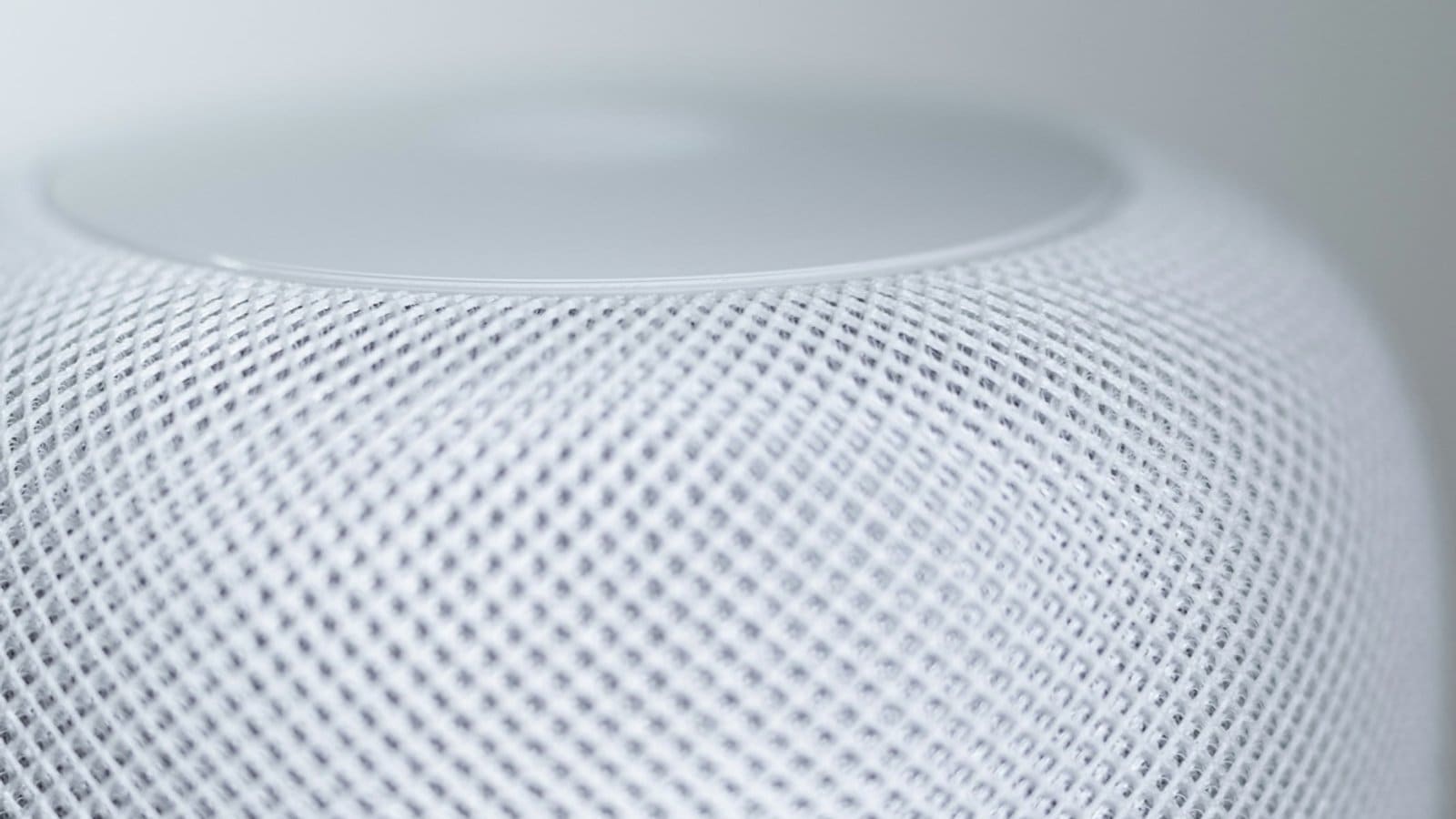
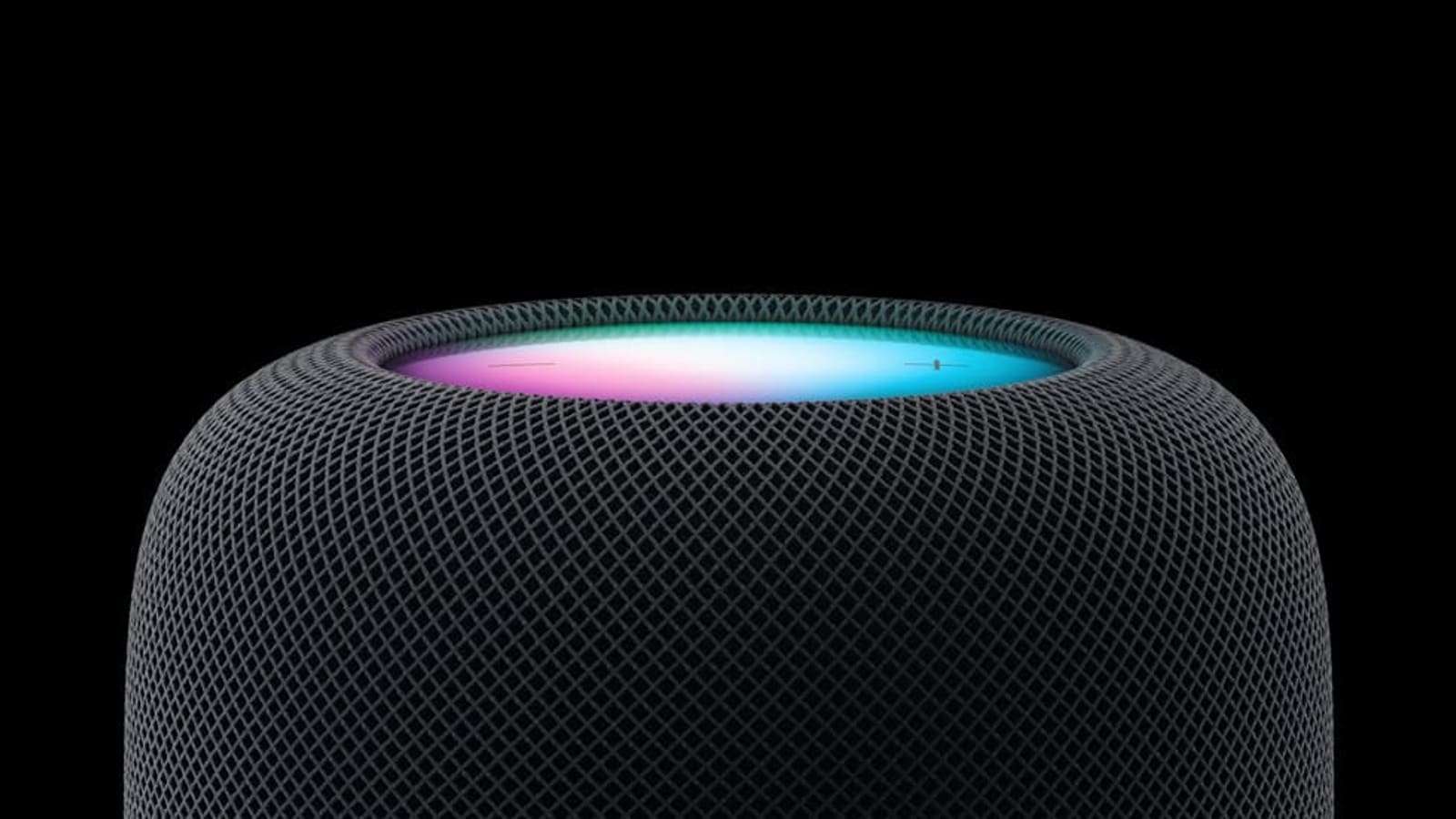
The HomePod 2 is almost identical to the original. It is a 168 mm tall cylinder wrapped in acoustically transparent woven mesh fabric, available in Midnight and White. Apple uses 100 per cent recycled rare earth elements in the speaker magnets and 100 per cent recycled gold in the circuit board plating, which makes it one of the more sustainably produced premium speakers on the market. At 2.3 kg, it feels substantial, and the colour-matched woven power cable is a thoughtful touch. The touch surface on top shows a waveform animation when Siri is listening, and volume control is as simple as a tap or press.
Audio Performance
Sound quality is where the HomePod 2 truly earns its price. Apple engineered the unit around a 4-inch high-excursion woofer with a powerful motor that drives the diaphragm 20 mm for deep, controlled bass, and an array of five horn-loaded beamforming tweeters, each with its own neodymium magnet, positioned around the base to project sound in every direction. The result is a rich, wide soundstage that fills a medium-sized room without distortion.
Spatial Audio with Dolby Atmos is a genuine differentiator. Apple Music subscribers streaming lossless and Atmos content will notice a perceptible three-dimensional quality that competing single-cabinet speakers rarely match at this price. Room sensing uses the built-in microphones to detect acoustic reflections and automatically tunes the output to suit the space — a process Apple calls computational audio, handled by the S7 chip also found in the Apple Watch Series 7. The tuning is active and ongoing; move the speaker to a different surface or corner and it re-adapts within seconds.
Pair two HomePod 2 units for stereo and the improvement in imaging is substantial. This is an option worth budgeting for if your listening room is larger than about 25 m². For smaller spaces, one unit is genuinely sufficient. You can also combine a HomePod 2 with HomePod mini speakers for whole-home audio — a setup that works seamlessly through the Home app on any Apple device. If you are evaluating multi-room audio options, our best multiroom speakers UK guide covers the leading alternatives.
Smart Home Hub: HomeKit, Matter and Thread
The HomePod 2 acts as a HomeKit hub for remote access and automation. This means your HomeKit automations run locally, even when your iPhone is away from home, and you can control your accessories remotely via the Home app. In practice, hub reliability is excellent — it stays online silently in the background without the need for a separate bridge or controller.
This generation adds both Matter and Thread support, which were absent from the original. Matter allows the HomePod 2 to act as a border router and controller for Matter-certified devices from other ecosystems — a significant step forward for interoperability. Thread is a low-power mesh networking protocol that lets battery-powered sensors and locks communicate reliably without creating another 2.4 GHz Wi-Fi device. For a deeper look at how these protocols work together, see our Thread smart home UK guide.
The built-in temperature and humidity sensor is a practical addition that eliminates the need for a separate HomeKit sensor in whichever room the speaker occupies. The sensor is optimised for indoor ambient conditions (approximately 15 °C to 30 °C and 30% to 70% relative humidity), which covers typical UK living rooms. You can build HomeKit automations around it — for example, triggering a fan when the temperature exceeds a threshold — directly in the Home app without any additional hardware.
Sound recognition is also on board: HomePod 2 can detect a smoke alarm or carbon monoxide alarm and send an alert to your iPhone, even when you are out. This requires no subscription and runs entirely on-device.
Siri and Voice Control
Siri has improved since the original HomePod, but it still trails Alexa and Google Assistant in general knowledge and third-party integrations. For tasks within Apple's ecosystem — setting timers, playing music from Apple Music, adding reminders, controlling HomeKit accessories, sending iMessages, or initiating FaceTime audio calls — it is fast and accurate. Outside that ecosystem, it falls short. Siri can recognise multiple voices and associate them with different Apple ID accounts, which is useful in households where two people want their own music preferences and reminders.
Third-party music services such as Spotify are supported via AirPlay, but you cannot ask Siri to play a specific Spotify playlist by voice — you need to cast from your phone. If streaming-service flexibility matters to you, this is a meaningful limitation compared with an Amazon Echo or Google Nest speaker.
UK Price and Availability
The HomePod 2nd generation retails at £299 from Apple.com/uk. Street prices at third-party retailers vary; it is worth checking John Lewis, Currys, and Amazon UK for periodic discounts, where prices have occasionally dipped below the MSRP. The speaker ships in Midnight and White, and Apple offers a standard one-year warranty with the option to add AppleCare+ for extended coverage. There is no subscription required for any of its core smart home or audio features.
Who Should Buy It?
The HomePod 2 is the right choice if you are already committed to Apple devices. iPhone users who rely on HomeKit, use Apple Music, and want a single speaker that doubles as a home hub, Matter controller, Thread border router, and room sensor will find it genuinely hard to beat. The audio quality exceeds what Sonos offers in a single-cabinet speaker at the same price, and the smart home depth is unmatched on the HomeKit side.
It is the wrong choice if you are not Apple-centric. Android users cannot configure or control it, Spotify voice control is absent, and the ecosystem walls are real. If you want platform-agnostic multiroom audio with excellent smart home integration, the Sonos ecosystem is the more open alternative — see our Sonos Era 100 review UK for a direct comparison point at a lower price.
Verdict
The Apple HomePod (2nd generation) is the finest-sounding smart speaker Apple has ever shipped, and one of the best in its class at £299. The addition of Matter, Thread, and an onboard temperature and humidity sensor gives it genuine smart home utility beyond just playing music. Siri's limitations and the hard Apple-only boundary are the main reasons to pause — but if your home already runs on iPhones, iPads, and Apple TV, this speaker belongs in every room you care about the audio in.
Want to see how it compares purely on sound quality against the Sonos Five, Amazon Echo Studio and Google Nest Audio? Our best smart speaker for music UK guide ranks all four on driver count, soundstage and bass control.