The Short Answer
Choose Alexa (Alexa+) if you already pay for Amazon Prime, use Ring security cameras, or own a lot of existing Alexa-compatible devices. Alexa+ is included free with a Prime membership, which makes it exceptionally good value for existing Prime subscribers.
Choose Google (Gemini for Home) if you use Android, rely heavily on Google Calendar and Google Maps, prefer a cleaner app interface, or want the most natural conversational AI available on a smart speaker right now. Gemini's language understanding is a generation ahead of the old Google Assistant.
What Has Changed in 2026
Until early 2026, both assistants were showing their age. The classic Alexa struggled with context — ask a follow-up question and it often forgot the conversation. Classic Google Assistant was sharper at web queries but equally rigid about phrasing.
Alexa+ (launched UK March 2026) is built on large language models and can maintain conversational context across devices. Start a request on your Echo Show in the kitchen and continue it on the Alexa app on your phone. Amazon's Cambridge-based team also specifically tuned Alexa+ to understand British accents, regional dialects, and UK-centric services such as JustEat and The Guardian. For UK Prime members, Alexa+ is included at no extra cost; for non-Prime customers it costs £19.99 per month, with free Early Access available until at least 15 September 2026.
Gemini for Home replaced Google Assistant across Google Nest and Google Home devices beginning late 2025, with UK availability confirmed in early 2026. Gemini supports Continued Conversation — no need to repeat a wake word for follow-ups — handles multi-step commands in a single sentence, and can trigger smart home automations based on what connected cameras see. For example, switching off lights automatically when the camera detects your car leaving the driveway. The basic Gemini for Home feature set is free; Google Home Premium, which unlocks detailed Nest Cam alerts and extended video history, starts at £8 per month.
Quick Comparison: Alexa+ vs Gemini for Home
| Feature | Amazon Alexa+ | Google Gemini for Home |
|---|---|---|
| Platform | Amazon Echo range | Google Nest / Google Home devices |
| Entry-level device price (UK) | Echo Dot 5th gen ~£37–£39 | Nest Hub 2nd gen ~£79.99; Google Home Speaker ~£99.99 |
| Mid-range device price | Echo Show 8 ~£179.99; Echo Studio ~£219.99 | Google Home Speaker £99.99 |
| AI upgrade cost | Alexa+ free with Prime; £19.99/month otherwise | Gemini for Home free; Google Home Premium £8/month |
| Conversational AI | Alexa+ (LLM-powered, UK-tuned) | Gemini (strong at multi-step queries) |
| Smart home hub | Echo (4th gen+): Zigbee + Matter controller | Google Home Speaker: Thread + Matter controller |
| Device compatibility | Widest catalogue (56M UK devices) | Works with Google Home + Matter devices |
| Google Calendar / Maps | Limited | Native integration |
| Ring / Blink cameras | Yes (native) | No |
| Best for | Prime subscribers, Ring owners, widest device range | Android users, Google ecosystem, best conversational AI |
Smart Home Device Compatibility
Alexa still has the wider device catalogue. Amazon has shipped over 600 million Alexa-compatible devices globally, with 56 million connected UK devices reported at the time of the Alexa+ launch. Echo devices from the 4th generation onwards act as both a Zigbee and Matter controller, meaning newer Matter-certified products from any brand can be added without a separate hub. Amazon's own ecosystem — Ring doorbells, Blink cameras, Amazon Smart Plug — integrates tightly with Alexa. If you have a Home Assistant setup and want to connect Alexa, the official integration is well-supported and reliable.
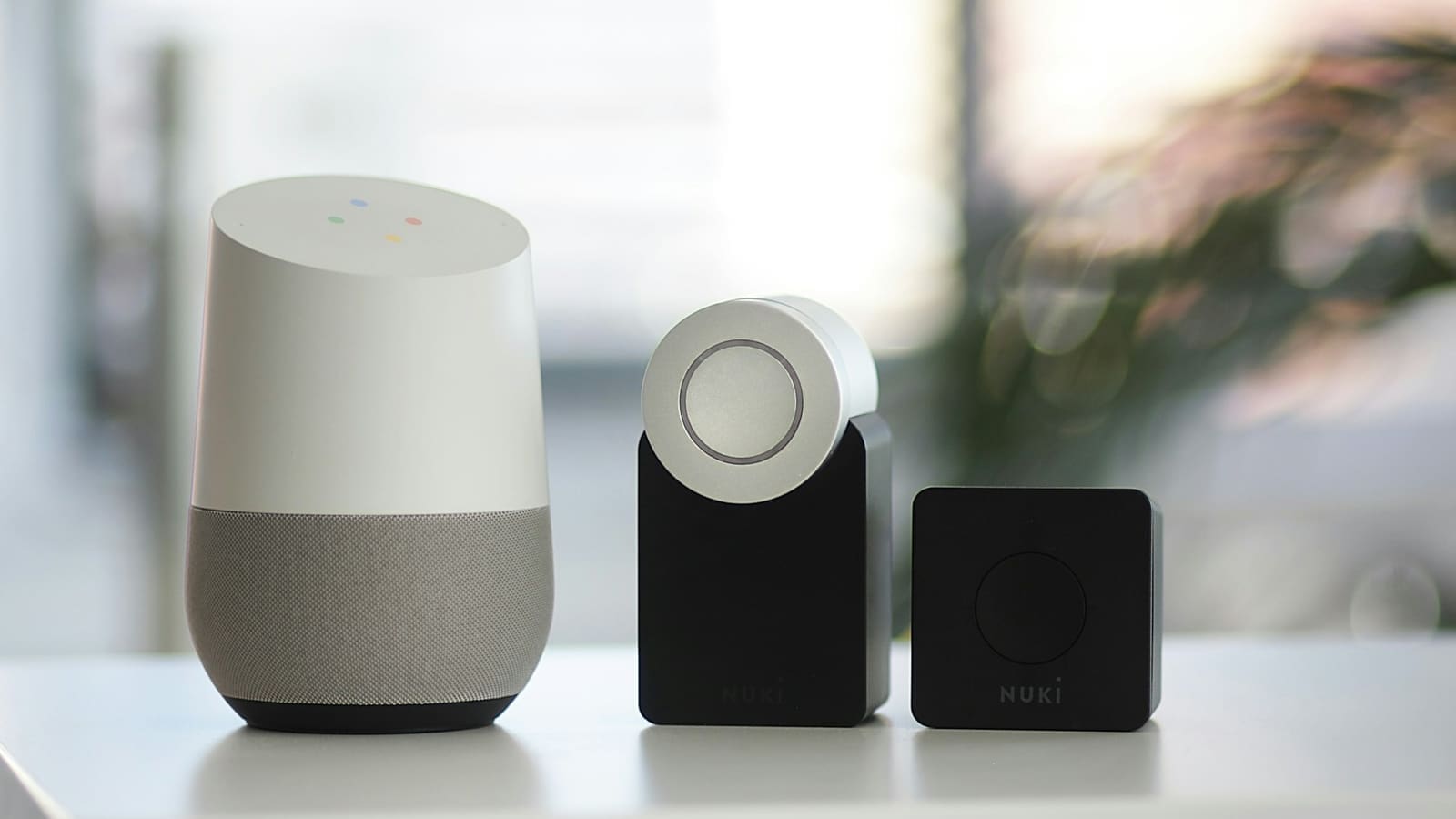
Google is catching up quickly via Matter. The new Google Home Speaker (launched 25 June 2026, priced at £99.99) ships with Wi-Fi 6, Bluetooth 5.4, Thread 1.3, and acts as a Matter controller and Thread border router — making it compatible with thousands of devices from Works with Google Home partners and any Matter-certified product. Google's compatibility list covers lighting, thermostats, locks, cameras, and entertainment devices. If you want to connect Google Home with Home Assistant, the integration remains one of the most feature-rich bridges available.
For UK-specific heating brands, Alexa has a slight edge with broader support for Hive, tado, and Honeywell Evohome out of the box. Google Home works well with tado and Nest Thermostats natively, but compatibility with third-party UK heating brands can require additional setup.
Hardware: What You Can Buy in the UK
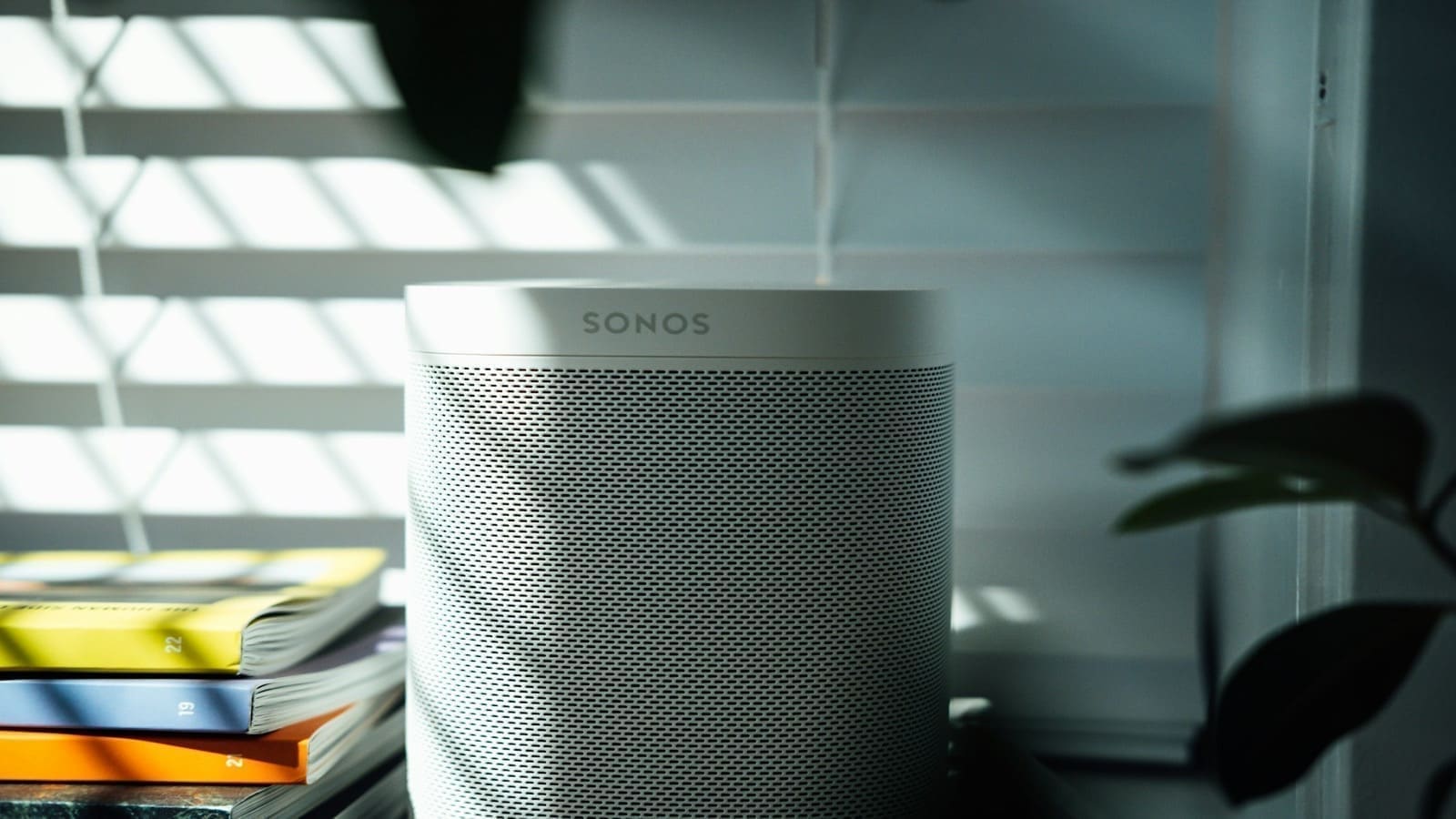
Amazon's Echo range spans from budget to premium. The Echo Pop starts from around £38 (prices vary by retailer), the Echo Dot (5th gen) from around £37, the Echo Dot Max at £99.99, the Echo Studio at £219.99, and the Echo Show 8 and Echo Show 11 at £179.99 and £219.99 respectively. All current-generation Echo devices support Alexa+. For a deeper look at the full Echo range, see our Amazon Echo UK review.
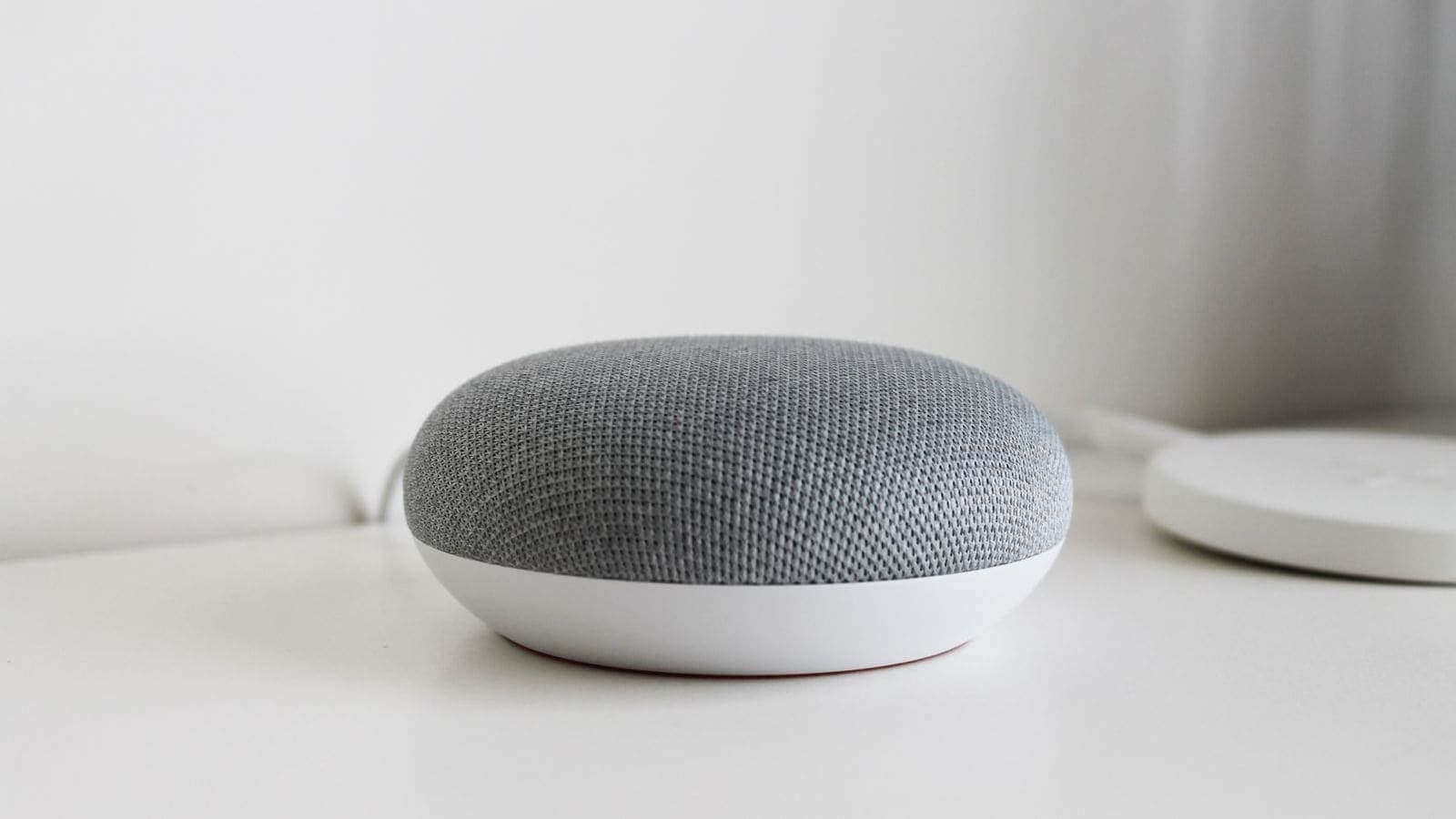
Google's hardware lineup is thinner but high-quality. The Nest Audio is available from around £79.99 (where still in stock — Google has discontinued it in favour of the new Home Speaker). The Google Home Speaker, Google's first new smart speaker in six years, launched at £99.99 on 25 June 2026 with Gemini built in, 360-degree audio, and a six-month Google Home Premium trial included. The Nest Hub (2nd gen) with its 7-inch display remains available from around £79.99.
AI and Conversational Ability
In head-to-head conversational testing, Gemini for Home edges ahead for complex, multi-part requests. It handles ambiguity better and is more likely to ask a clarifying question than give a wrong answer. Alexa+ has closed the gap considerably — its contextual memory and UK-tuned language model are a vast improvement on classic Alexa — but Google's underlying AI investment remains deeper.
Where Alexa+ wins is in action-oriented tasks: it can book a restaurant, track a delivery, build a shopping list with dietary preferences, and control your smart home in a single conversation thread. Gemini for Home is stronger on information queries and benefits from direct integration with Google Search, Google Maps, and Google Calendar — invaluable if your life runs on Google's apps.
Appliance makers are chasing the same contextual, chat-based approach: at IFA 2026 LG unveiled ThinQ Claw, a text-chat AI agent built into its AI Home platform that's designed to coordinate LG appliances and third-party devices from a single conversation, similar in spirit to Alexa+'s action-oriented approach.
Routines and Automations
Both assistants support trigger-based routines, but there are important differences in complexity and flexibility.
Alexa Routines allow multi-step sequences triggered by time, voice, sensor events, or third-party triggers. The Alexa app has more granular control, but the interface can feel overwhelming for new users. Power users who want custom logic — for example, turning on heating only if a door sensor detects the house is empty — will find Alexa Routines capable of handling this.
Google Home Routines have a cleaner app experience and Gemini for Home adds the ability to create automations using plain English in the app: type the desired schedule in natural language and the app converts it into a working routine. The Spring 2026 update also allows camera-triggered automations, a first for a mainstream smart home platform.
Privacy and Data
Both Amazon and Google process wake-word detection on-device, with full voice queries processed in the cloud. Amazon's privacy dashboard lets you delete individual recordings or set automatic deletion at 3-month intervals. Google Home's privacy settings offer similar controls, including an off-switch for voice activity storage. Neither platform offers fully on-device processing for complex requests — if that is a priority, a local voice assistant via Home Assistant is worth exploring.
Which Should You Buy?
For most UK households the decision comes down to two factors: your existing ecosystem and your relationship with Amazon Prime.
If you pay for Amazon Prime, Alexa+ is effectively free and the Echo range offers the widest device choice at every price point. If you are an Android user who relies on Google services daily, Gemini for Home will feel more natural and the new Google Home Speaker at £99.99 is the most capable Google smart speaker ever shipped. For smart home enthusiasts running Home Assistant, both integrate well — though Alexa's broader device compatibility often tips the balance for complex setups.