Design and build quality
Google wrapped the Nest Audio in a soft fabric shell that blends into domestic settings more naturally than the glossy plastic of earlier Google Home devices. It is a tall, oval unit — roughly the size of a large grapefruit — available in Chalk, Charcoal, Sage, Sand and Sky colourways. There are no physical volume knobs; instead, touch-sensitive pads sit on top for play/pause and volume. A physical microphone mute switch on the rear is a welcome privacy touch, cutting the mics completely when toggled.
Build quality feels solid for the price. The chassis has some heft and does not slide around on a shelf. The fabric surround is smooth rather than rough, making the speaker easy to dust and resistant to picking up pet hair. It is a mains-powered device — there is no battery option — so placement is limited to surfaces near a power socket.
Audio performance
Inside the Nest Audio are a 75 mm woofer and a 19 mm tweeter, driven by separate amplifier channels. Google calls this a full-range audio system, and in practice the results are noticeably better than the earlier Google Home. Bass is present without being boomy; treble is clear without being harsh. For a speaker at this price point, the soundstage is surprisingly wide, and the Nest Audio holds together well at higher volumes.
That said, audiophiles will notice compression on complex orchestral or jazz recordings. The Nest Audio is best suited to podcast listening, casual music playback and background audio — it excels in all three. If you want higher fidelity, Google does allow you to pair two Nest Audios as a stereo pair via the Google Home app, which dramatically improves stereo separation and low-end response at the cost of occupying two power sockets.
Smart home features and ecosystem
The Nest Audio runs Google Assistant and integrates directly with Google Home. It responds quickly to wake-word commands and handles UK-specific requests — checking the weather, setting timers, adding items to a Google Shopping list — reliably. Multi-room audio is handled through Chromecast Audio, which is built into the device. This means you can group Nest Audios (and any other Chromecast-enabled speaker) into speaker groups and play synchronised audio across rooms without an additional hub.
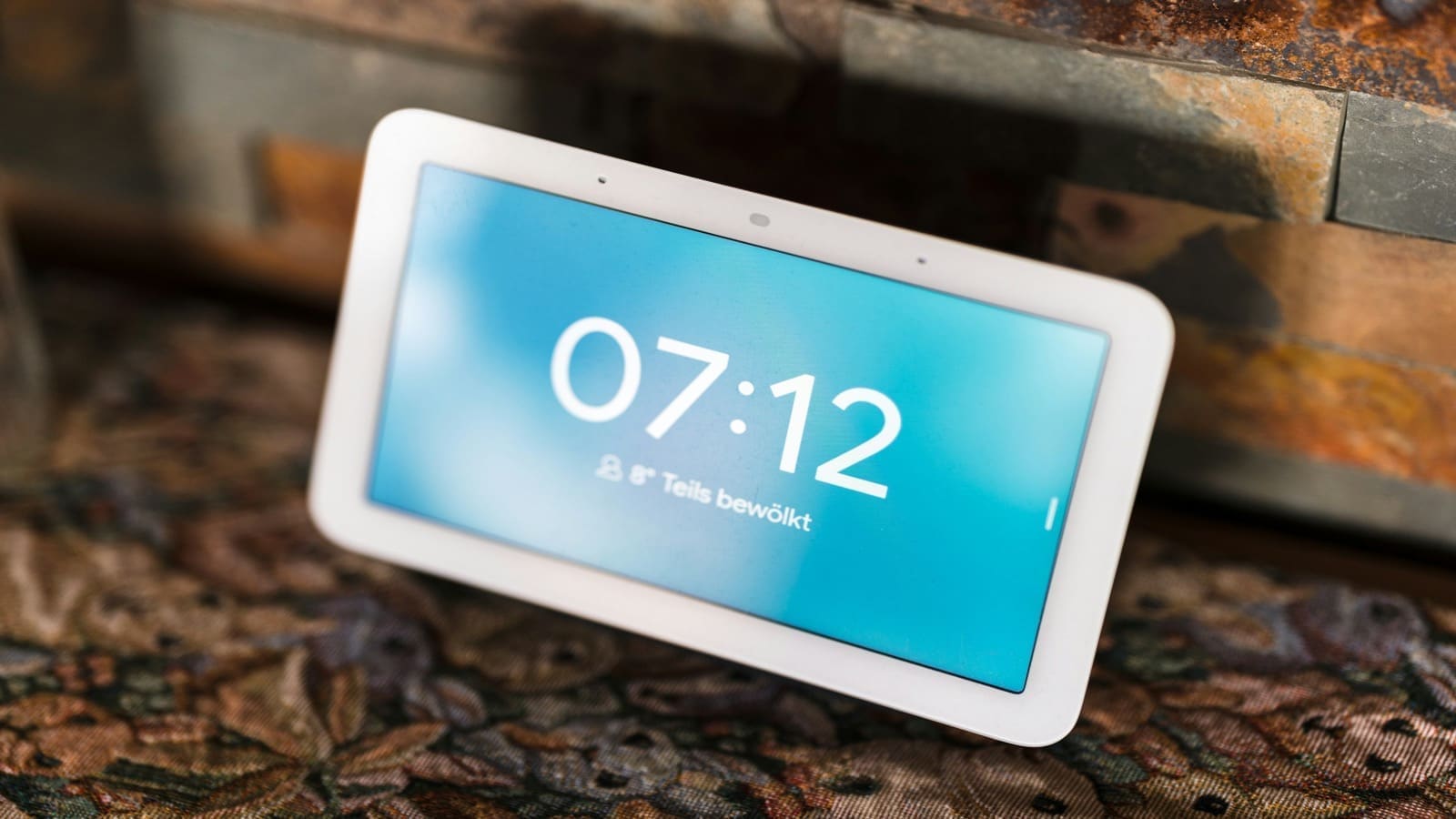
Smart home control is broad. The Nest Audio can control Philips Hue, TP-Link Kasa, Tado, Nest thermostats, and hundreds of other Google Home-compatible devices using voice commands or routines. However, it does not have a screen, so visual feedback — camera feeds, recipe steps — is not available. For that, consider the Google Nest Hub, which adds a 7-inch touchscreen. If you are weighing up the Nest Audio against Amazon's equivalent, our Amazon Echo vs Google Nest UK comparison covers the key differences in depth.
Multi-room and stereo pairing
Multi-room is one of the Nest Audio's strongest selling points. Because Chromecast Audio is built in, the Nest Audio integrates cleanly with other Chromecast-enabled speakers — including soundbars and TVs — without the latency problems that affect some Bluetooth multi-room systems. Synchronisation between rooms is tight and reliable on a 5 GHz Wi-Fi network. Our step-by-step guide to Google Home speaker group setup covers the full process, from adding devices to fixing groups that drop out.
The stereo pair feature works well if you have two units in the same room. Google Home handles the pairing process in a few taps, and the result is noticeably fuller sound than a single unit. Given the frequent sale prices, buying a pair on promotion can represent good value compared with a single, pricier smart speaker from a rival brand.
Privacy and controls
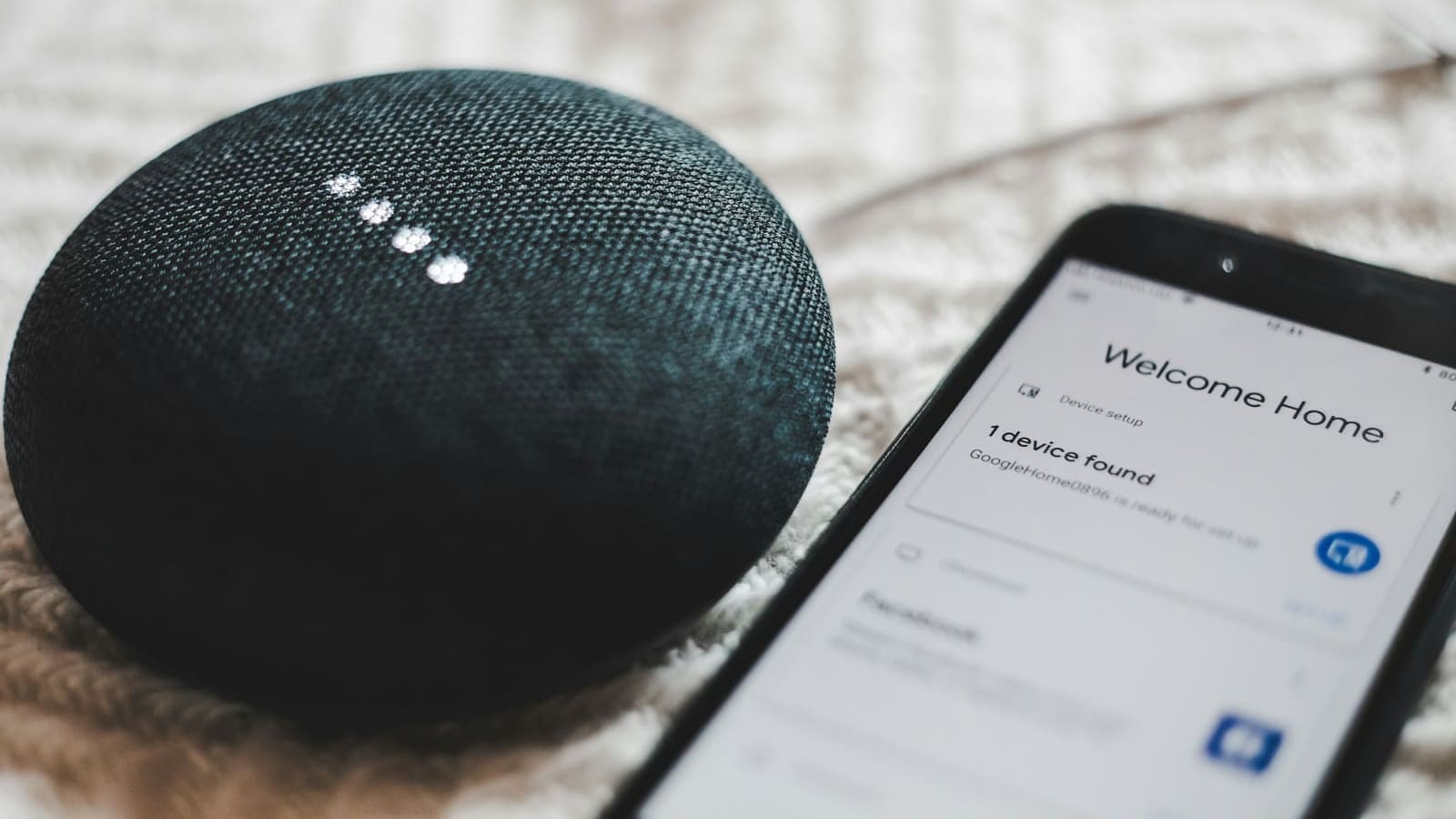
The physical microphone mute switch cuts power to the microphones entirely — the speaker will not listen for the wake word when muted. Google also provides activity controls in the Google Home and My Activity dashboards, where you can review and delete voice recordings. The Nest Audio does not have a camera, which some privacy-conscious buyers will prefer over the Nest Hub Max. The four LED lights on top indicate microphone status and volume level at a glance.
Price and value
The Google Nest Audio has an RRP of around £89.99 in the UK, though it regularly drops to around £59.99 during Google sales and Black Friday events. At the sale price in particular it represents excellent value: the audio hardware competes with speakers that cost considerably more, and the built-in Chromecast means you are not paying separately for a streaming dongle. Prices vary by retailer — check store.google.com and major UK retailers for current availability.
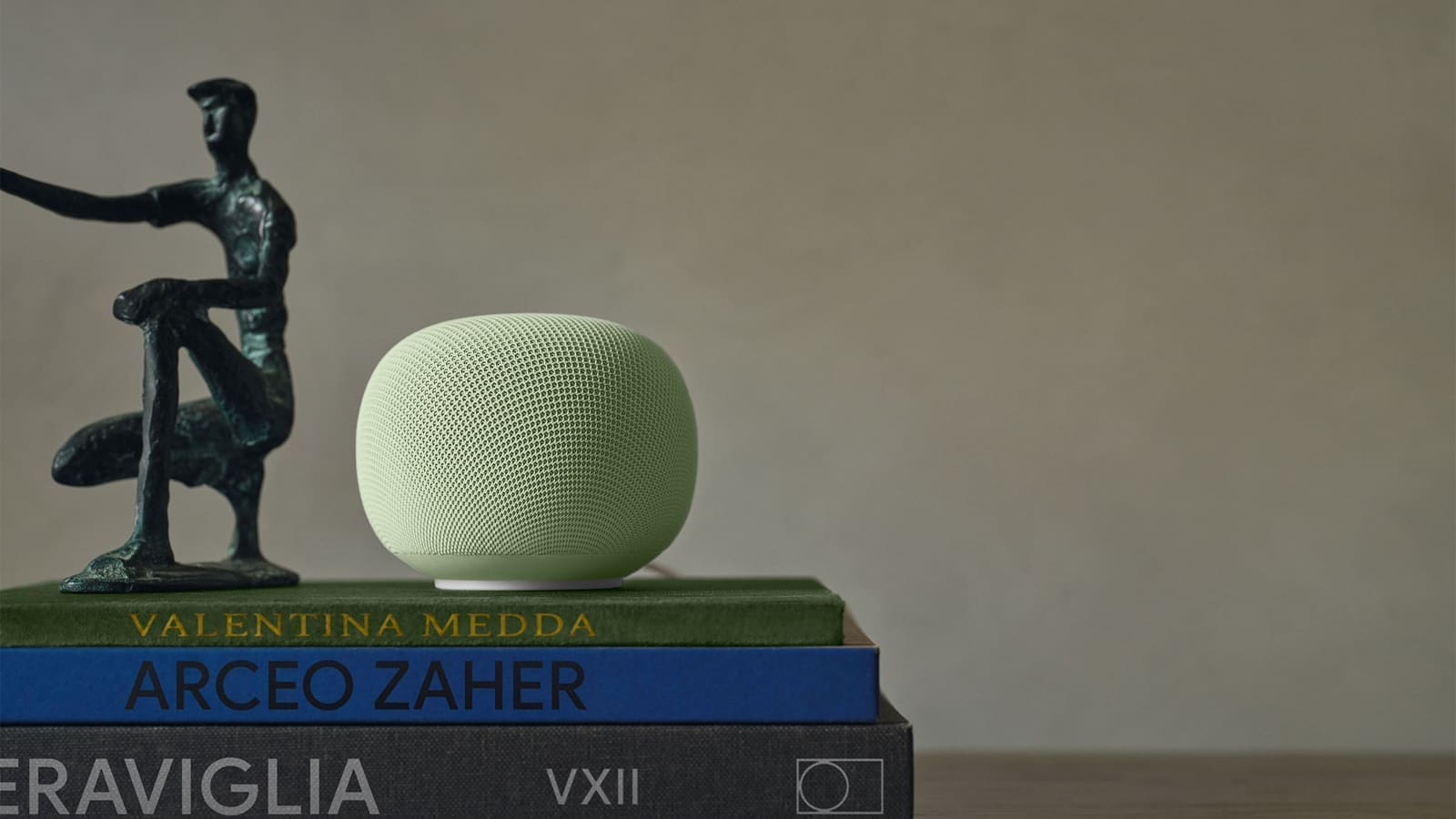
If budget is the primary concern, the Google Nest Mini is available for less and suits smaller rooms or kitchens. At the other end of the scale, the Apple HomePod mini offers tighter integration with Apple devices, though it costs more and lacks Chromecast. For pure wireless audio, our best wireless speaker UK guide covers a wider range of options beyond smart speakers.
Verdict
The Google Nest Audio is a well-rounded mid-range smart speaker that delivers genuinely good audio for the price, strong Google Assistant integration and the versatility of built-in Chromecast Audio. The fabric design ages better than plastic rivals, the multi-room and stereo pairing options add real flexibility, and the physical mute switch addresses the most common privacy concern. It is not the best-sounding speaker you can buy, but it is arguably the best value smart speaker on the UK market in its price bracket — particularly when on sale.
Related: Amazon Echo review UK, Amazon Echo vs Google Nest, and best multiroom speaker systems UK.