
What Is a Smart Heating Zone?
A heating zone is any area of your home that can be controlled independently of the rest. In the simplest sense, a traditional UK home has one zone: the central thermostat decides when the boiler fires, and every radiator follows suit. Smart zoning gives each room (or group of rooms) its own temperature target and schedule.
There are two hardware approaches to creating zones:
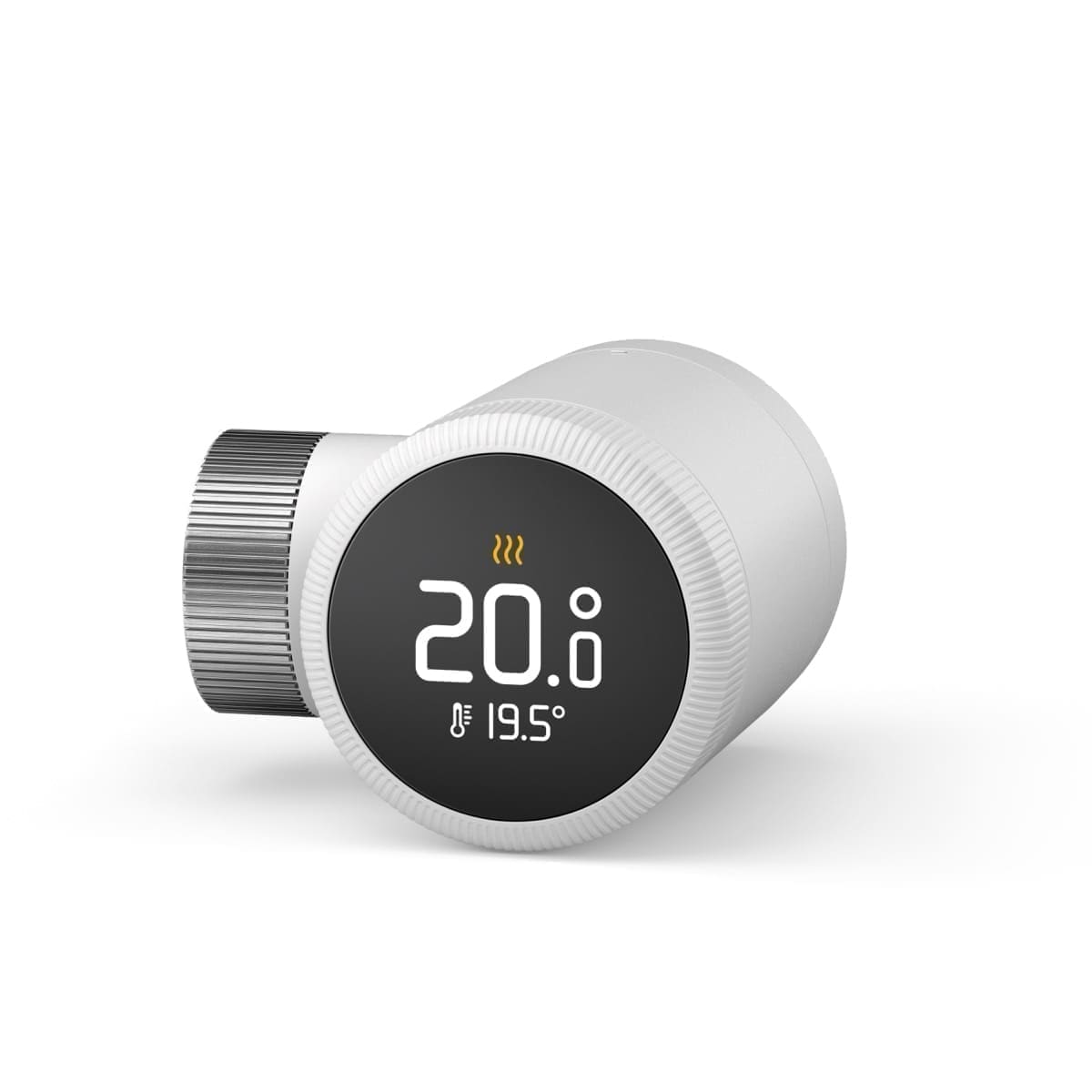
- Smart thermostatic radiator valves (TRVs) — battery-powered motorised heads that replace the manual valve on each radiator. They open and close to regulate flow based on a room's target temperature, and they call for heat from the boiler via a central hub. No pipework changes are needed.
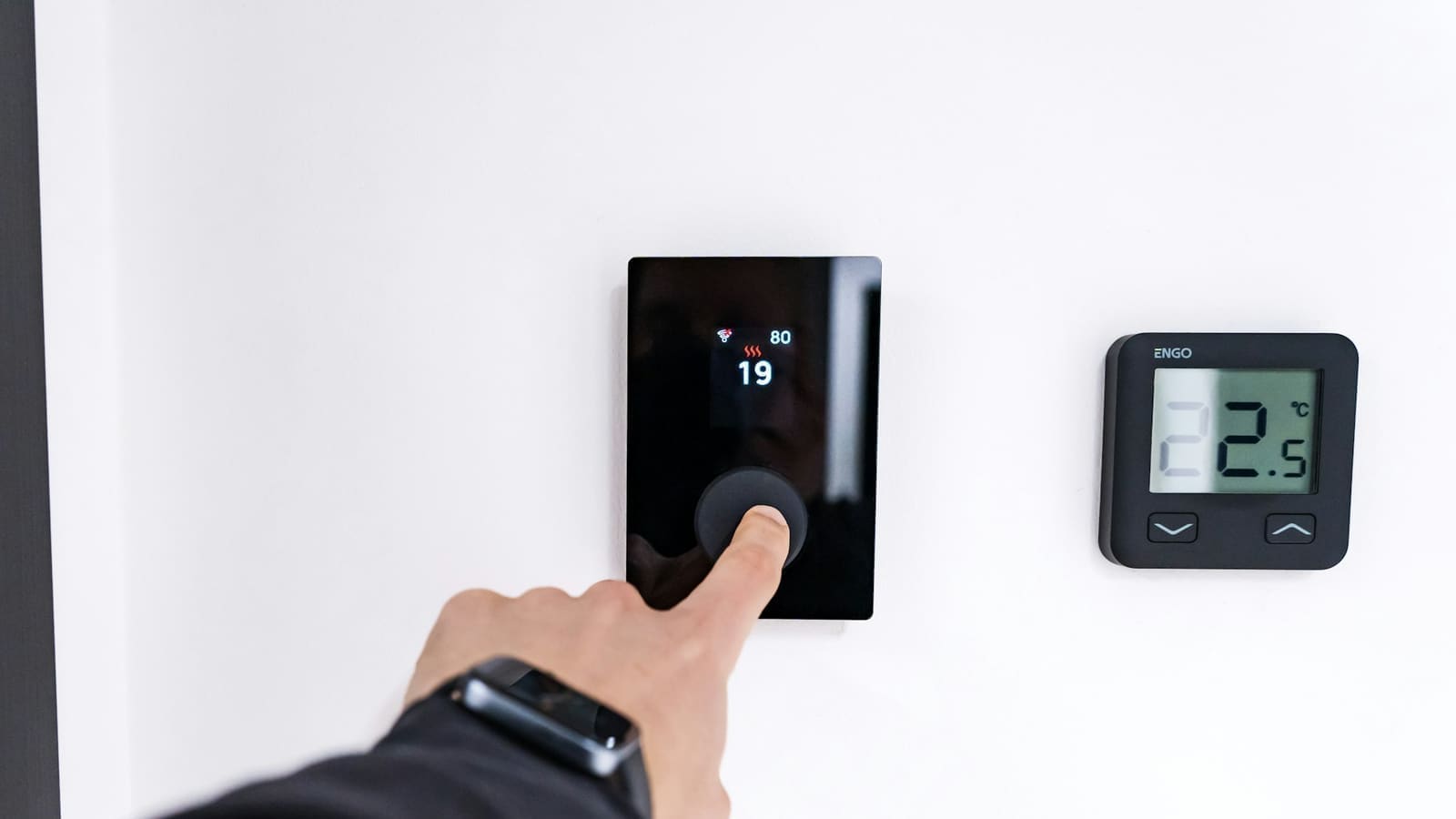
- Zone valves with room thermostats — motorised valves installed on the pipework, typically by a plumber, with a wireless or wired room thermostat in each zone. This is the traditional approach for larger systems and new builds but requires more installation work.
For most UK homes being retrofitted with smart controls, smart TRVs are the practical first choice. They are DIY-friendly, work with existing pipework, and can be added room by room.
Smart TRVs vs Zone Valves: Which Approach Is Right for You?
Smart TRVs are the right choice when you want room-by-room control without touching your pipework. Fitting takes around five minutes per radiator — unscrew the existing TRV head and click the smart one in place. Systems such as the best smart radiator valves UK buyers are choosing right now span a wide price range, from budget Zigbee valves to premium options with open-window detection and weather compensation.
The trade-off is that each TRV relies on its own temperature sensor, which sits next to the radiator and tends to read 2–4 °C warmer than the actual room temperature. Better systems compensate for this, and some — like Tado — support a separate room sensor to improve accuracy.
Zone valves suit properties where distinct heating circuits already exist (upstairs/downstairs, extension, underfloor heating loops), or where a plumber is already working on the system. A motorised valve on each circuit, controlled by a wireless room thermostat, gives crisp on/off zone control. Honeywell Evohome supports both TRVs and its BDR91 zone-valve switch, letting you mix approaches in one system.
The Main Multi-Zone Systems Available in the UK
Honeywell Evohome
Evohome is the most mature and capable multi-zone system on the UK market, supporting up to 12 independent heating zones in a single property. It uses a central colour-touchscreen controller that communicates wirelessly with HR92 smart radiator thermostats, BDR91 relay switches (for zone valves or electric heating), and the HCC80/HCC100 underfloor heating controllers (5–8 UFH zones each). The controller talks directly to the boiler and fires it only when at least one zone calls for heat.
Evohome suits larger homes, properties with underfloor heating loops, or anyone who wants a standalone system that does not depend on a cloud subscription to function day-to-day. Our Honeywell Evohome review goes into depth on setup and real-world performance.
Tado Smart Heating
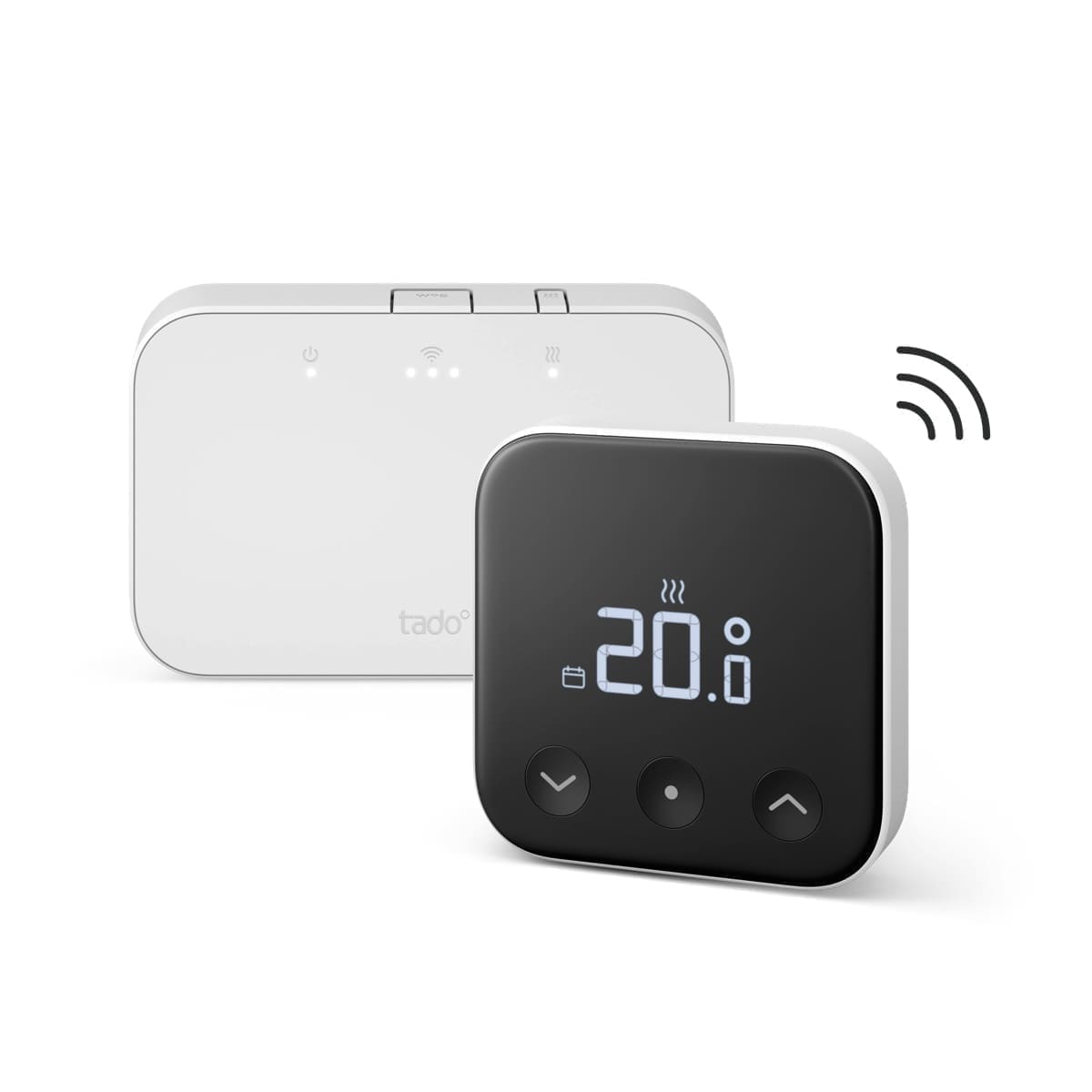
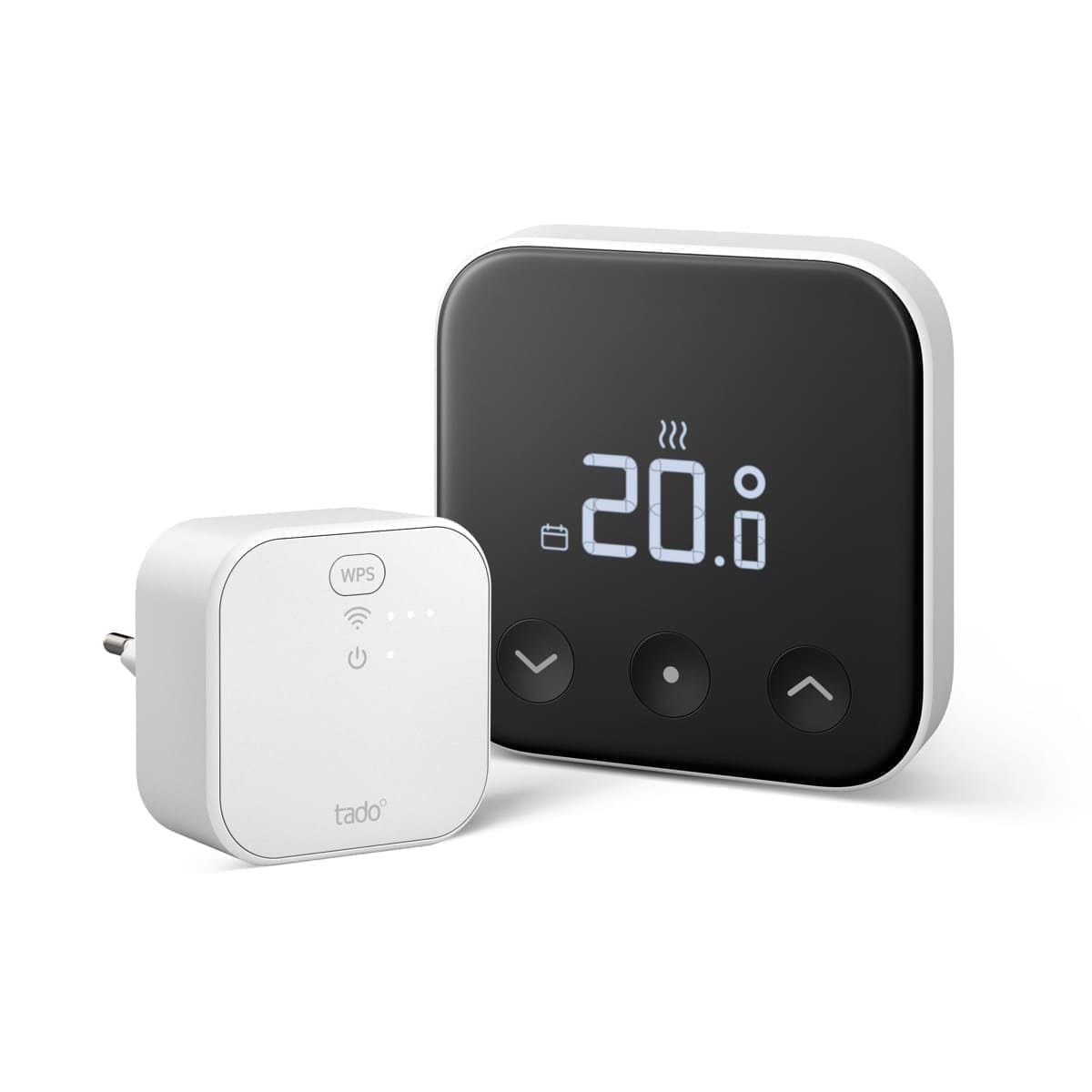
Tado's multi-room approach pairs a Smart Thermostat (controlling the boiler) with Smart Radiator Thermostats in individual rooms. The Room Link feature ensures the boiler fires only when at least one radiator thermostat is calling for heat, eliminating the wasted energy of a boiler running while all zones are satisfied. Tado's own data suggests users save an average of 22% on their heating bills, with savings up to 31% possible depending on prior heating habits.
Tado also offers geofencing (the system reduces temperature when everyone leaves home) and open-window detection, both of which add meaningful savings in daily use. Our Tado TRV review covers installation and app experience in detail.
Drayton Wiser
Drayton Wiser is the value pick for UK multi-room heating. The system centres on a Heat Hub that connects to your boiler and communicates with iTemp smart radiator thermostats (TRVs) and room thermostats. A typical starter kit — boiler control plus two TRVs — costs significantly less than equivalent Tado or Evohome bundles, and there is no subscription fee.
Wiser also supports local control: the Heat Hub continues to work and maintain schedules even if the internet goes down, which is reassuring for anyone who has experienced cloud-dependent systems failing. Read our full Drayton Wiser review for a hands-on verdict.
Hive Multi-Zone
Hive (now owned by Centrica) supports multi-zone control via its Active Heating 2 system. The system can manage separate heating zones using additional Hive thermostats wired to zone valves, making it a reasonable choice for homes with pre-existing upstairs/downstairs pipework zones. Hive also uniquely offers hot water control alongside heating zones. The trade-off is that room-level TRV control is less granular than Tado or Evohome, and the app has received mixed reviews compared to its competitors.
Designing Your Zone Layout
Before buying hardware, map out which rooms actually need independent control. A practical starting point for a typical three-bedroom UK semi-detached house:
- Always-on zones: Living room and kitchen — these are used throughout the day with different temperature preferences.
- Scheduled zones: Bedrooms — typically want a brief warm-up before bedtime and a cooler setpoint overnight.
- Setback zones: Guest bedroom, home office, hallway — can run at frost-protection (7–12 °C) when unused and be boosted on demand.
- Separate circuit zones: Underfloor heating in a bathroom or extension — requires its own controller (zone valve or UFH actuator), not just a TRV.
You do not need a smart TRV on every radiator on day one. Start with the rooms that vary most — the home office, spare bedroom, or a sun-facing room that overheats in spring — and expand later. Most systems are modular.
Underfloor Heating Zones
Underfloor heating (UFH) requires zone valves or actuators, not TRVs. Each UFH loop (one per room or area) has a flow valve that opens and closes to deliver warm water. Smart UFH controllers like the Evohome HCC100 manage up to eight loops wirelessly, integrating with the main Evohome system so your UFH and radiator zones share a single app and schedule.
If you have a new build or a property with a wet UFH manifold, check whether the manifold has actuators fitted. Many builders install basic wired thermostats on UFH — replacing these with wireless smart thermostats compatible with your chosen system is a straightforward upgrade that does not require touching the manifold itself.
Smart Heating Zones with Home Assistant
For technically minded homeowners, Home Assistant offers the most flexible zone control without any subscription fees. Zigbee TRVs (from brands such as Sonoff, Moes, and TRVZB-compatible models) appear as climate entities in Home Assistant and can be combined with external Zigbee temperature sensors to achieve accurate room-level control — solving the on-radiator sensor problem that plagues TRVs generally.
The Home Assistant heating control guide covers setting up a multi-zone boiler relay, pairing Zigbee TRVs, and building automations that fire the boiler only when one or more zones are actively calling for heat. The custom HACS component Better Thermostat is widely used in the UK Home Assistant community to group multiple TRVs to a single room and add advanced control algorithms such as TPI (time proportional integral).
How Much Can You Save?
The savings from smart zoning depend heavily on your starting point. If your current system heats the whole house to 21 °C from 6 am to 10 pm every day, dropping unoccupied rooms to 16 °C for six hours a day can cut a meaningful share of your heating demand. Tado reports average savings of 22% across its user base, with figures up to 31% for households making the biggest behavioural shift. A Resideo survey found 43% of UK homeowners already prefer heating only the rooms they actively use — smart zones give the system the intelligence to do this automatically.
The Energy Saving Trust notes that homes with properly controlled underfloor heating can be up to 30% more efficient than traditional central heating, when combined with a heat pump or condensing boiler running at lower flow temperatures.
Payback periods vary. A Drayton Wiser starter kit plus four TRVs costs around £200–£250 installed DIY. If it saves £150–£200 per year on a typical gas bill, you are looking at 12–18 months to break even — and the system keeps saving money every year thereafter. For a full overview of the smartest options, see our guide to the best smart thermostats UK.
Installation: What to Do Yourself and What to Leave to a Plumber
Smart TRVs are designed for DIY installation — all reputable systems use the standard M30 × 1.5 mm thread that fits the vast majority of UK radiator valves (Danfoss RA adaptors are included for pin-type valves). No draining of the system is required. The wireless hub or thermostat that connects to the boiler typically wires into the existing thermostat connections and is also a DIY-friendly job for anyone comfortable with a screwdriver and following a wiring diagram.
Where you will need a qualified heating engineer:
- Adding zone valves to existing pipework
- Installing underfloor heating loops or UFH manifolds
- Wiring a Wiring Centre (required for some Evohome configurations with multiple zone valve controllers)
- Any work on the boiler itself, including installing an OpenTherm bridge