
Price: WiZ Wins by a Wide Margin
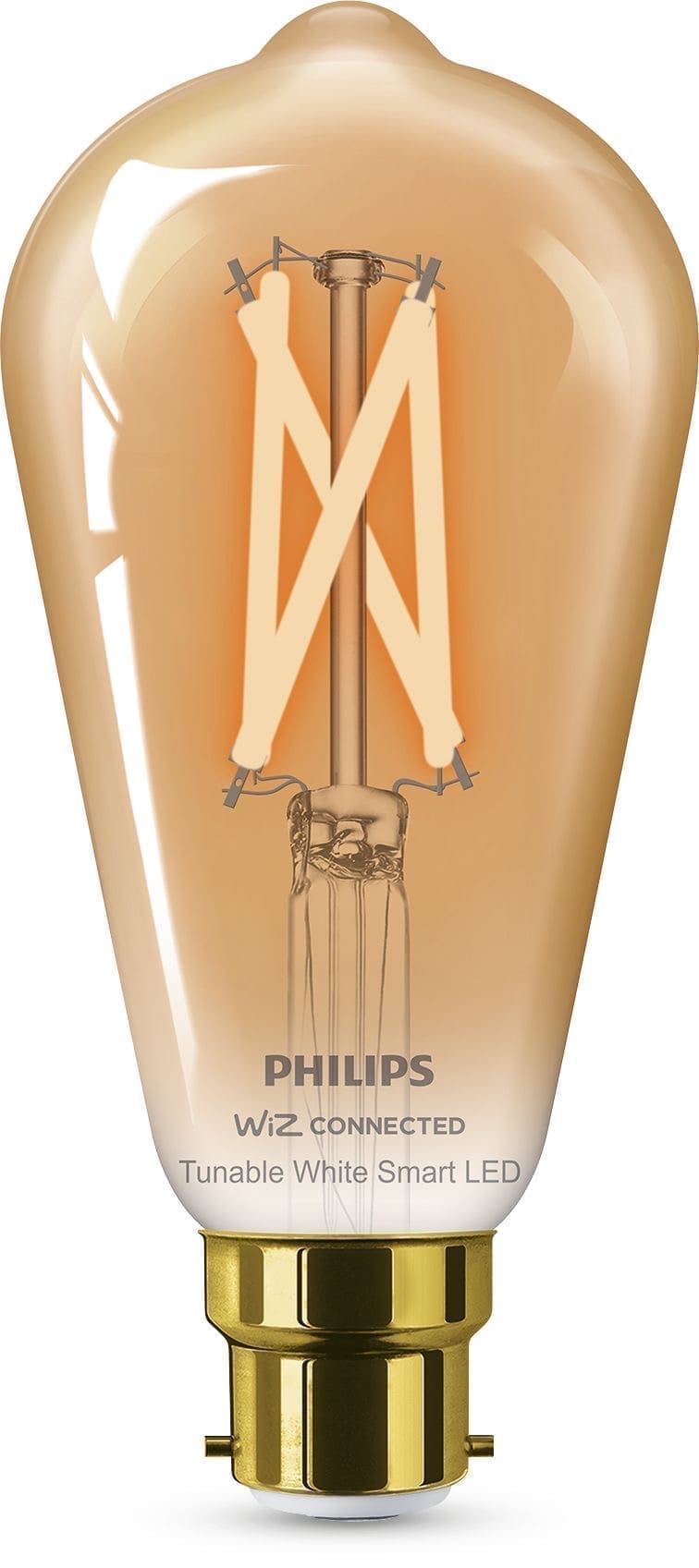
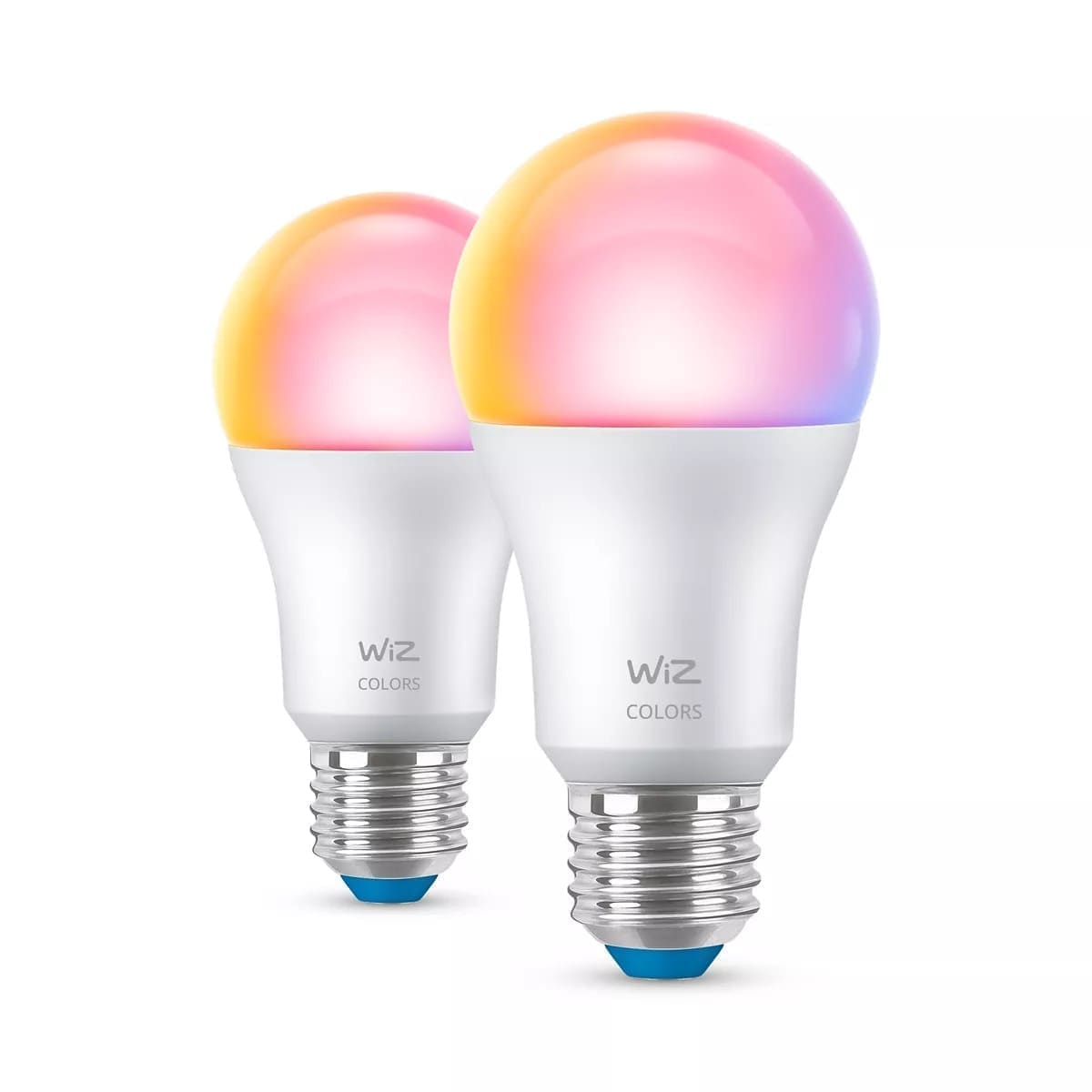
WiZ bulbs start from around £9.99 to £15 per bulb in the UK, with no additional hardware required. You screw one in, download the app, and you are done. Prices vary by retailer and fitting type (E27, B22, GU10), but the entry cost is as low as any mainstream smart bulb on the market.
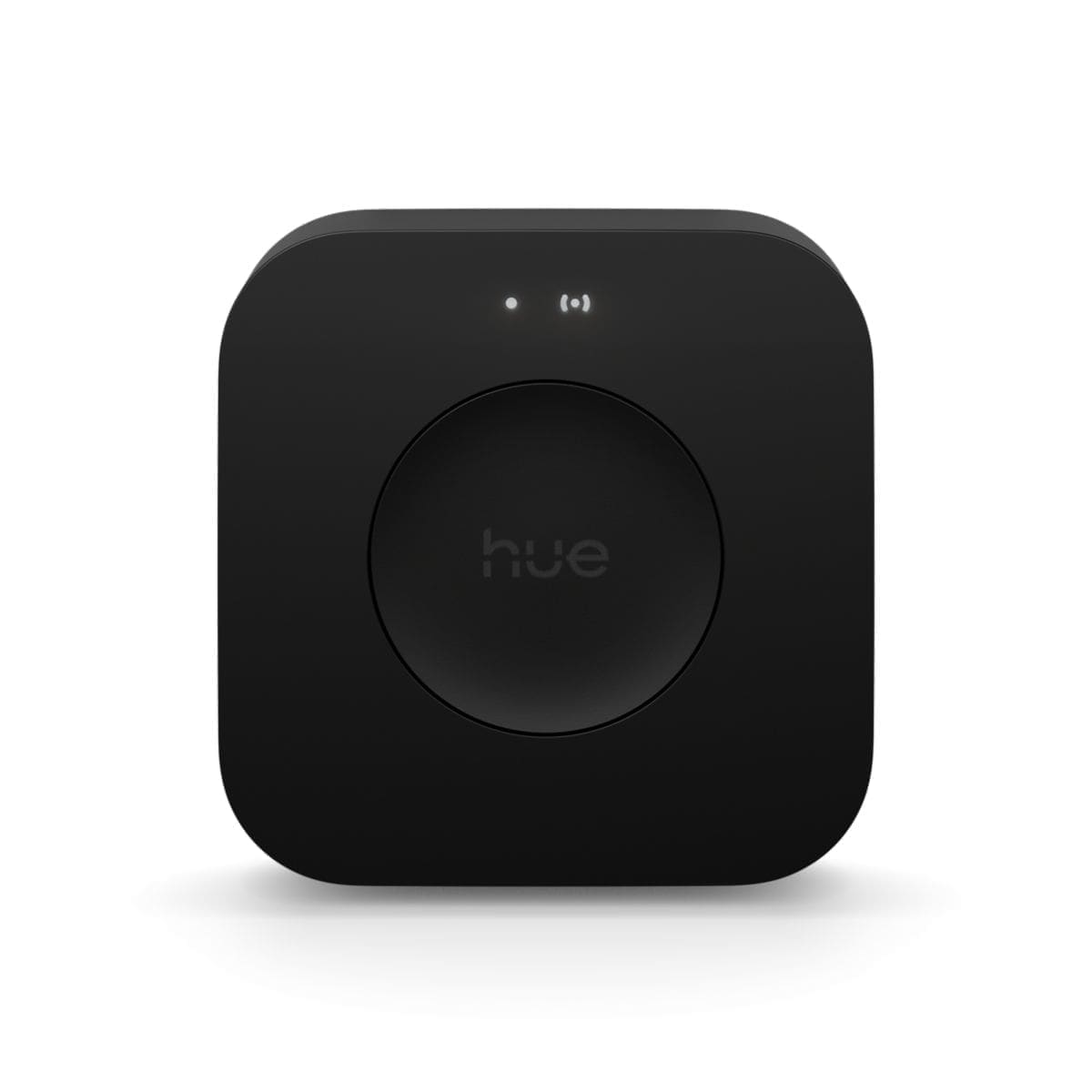
Philips Hue costs considerably more at every level. Individual Hue bulbs — including the newer Essential Colour range — start from around £19.99 each. The standard Philips Hue Bridge, which you need to unlock full automation and remote access, adds around £49.99 on top. The newer Hue Bridge Pro, which supports up to 150 lights and acts as a Matter border router, costs around £79.99. A typical two-bulb Hue starter kit therefore lands in the £70–£100 range before you have bought a third bulb.
For a single room, WiZ can be four to five times cheaper than Hue when you factor in the bridge cost. For a whole house, that gap compounds significantly. If budget is the primary concern, WiZ wins without argument. See our roundup of the best smart bulbs in the UK for a broader price comparison across brands.
Connectivity: Wi-Fi vs Zigbee (and Now Thread)
WiZ uses 2.4 GHz Wi-Fi. Each bulb connects directly to your home router, requiring no additional hub or bridge. Setup mimics a Chromecast-style approach — the bulb creates a temporary hotspot to receive your Wi-Fi credentials — and typically takes under two minutes. The trade-off is that every WiZ bulb occupies a slot on your router's device table. For three or four bulbs this is inconsequential; for twenty-plus it may stress cheaper routers.
Philips Hue uses Zigbee, a low-power mesh protocol that operates on the 2.4 GHz band but is completely separate from your Wi-Fi network. Hue bulbs communicate with the Hue Bridge, which then connects to your router via Ethernet. Zigbee meshes are self-healing: each mains-powered bulb acts as a router, extending the network to bulbs further away. This makes Hue highly reliable in large homes where Wi-Fi signal can be patchy.
Philips Hue's 2025 generation bulbs add a significant upgrade: support for Matter over Thread, announced at IFA 2025. New-generation E27 bulbs can connect to any Matter-compatible platform — Apple Home, Google Home, Amazon Alexa, Samsung SmartThings — without a Hue Bridge at all, using the Thread radio alongside existing Zigbee and Bluetooth. The updated bulbs also dim down to 0.2% brightness and consume around 40% less energy than the previous generation.
WiZ gained Matter support via a firmware update in 2023, certifying its full product portfolio including bulbs and plugs manufactured since Q2 2021. WiZ Matter runs over Wi-Fi rather than Thread, which means you still need a Wi-Fi router rather than a Thread border router — but it does give WiZ proper Apple HomeKit compatibility and interoperability with any Matter controller.
Smart Home Compatibility and Home Assistant
Both systems work with Amazon Alexa and Google Assistant out of the box. Both support Apple HomeKit — Hue natively, WiZ via Matter since 2023. Samsung SmartThings works with both.
Home Assistant users get strong support for both brands, but through different mechanisms:
- WiZ: The official WiZ integration in Home Assistant uses local push (IoT class), meaning it communicates directly with your WiZ bulbs over your local network without going through Signify's cloud. You simply need to ensure "Allow local communication" is enabled in the WiZ app (it is on by default). The integration supports lights, sensors, smart plugs, and power monitoring on compatible devices. Over 20 brands sell WiZ-compatible products, including 4Lite, Lutec, and SLV.
- Philips Hue: The Home Assistant Hue integration also uses local push via the Hue Bridge v2, with state changes pushed instantly over a local event stream. No cloud dependency is needed for day-to-day control. Hue bulbs can alternatively be paired directly to a Zigbee coordinator (such as a ConBee II or Sonoff Zigbee dongle) using ZHA or Zigbee2MQTT, bypassing the Hue Bridge entirely — though you lose access to some Hue-specific features like entertainment sync.
For Home Assistant users who want deep Zigbee integration, Hue bulbs are among the best-supported devices on the platform. See our guide to using Zigbee2MQTT with Home Assistant for how to set this up. WiZ is the better option if you want simplicity — no dongle, no coordinator, just the bulb and the integration.
Features and App Experience
WiZ has some genuinely useful features beyond basic on/off. SpaceSense is a passive infrared detection mode built directly into the WiZ bulb, allowing it to trigger automations when motion is detected — without a separate PIR sensor. The WiZ app includes energy monitoring, sunrise/sunset scheduling, vacation mode (random on/off patterns), and a range of dynamic light modes. The app is simpler than Hue's but fast to set up and adequate for most households.
Philips Hue's app is the most mature in the category. It offers scene libraries, Hue Entertainment zones for TV and gaming sync (via the Hue Play HDMI Sync Box), Hue Secure cameras, sunrise wake-up routines, and deeply configurable automations. The ecosystem extends to outdoor lighting, gradient lightstrips, Hue Go portable lamps, and specialist form factors unavailable from WiZ. If you want lighting that responds to what is playing on your TV or syncs with music, Hue is the only serious choice.
One area where WiZ has a slight edge is colour temperature range. WiZ colour bulbs offer a wide warm-to-cool range, and some users report very good colour rendering at a lower price. Hue is brighter at peak output — up to 1,100 lm on standard colour bulbs — and the consistency across mixed installations is excellent, but individual WiZ bulbs compete creditably on colour quality for the price.
Reliability and Long-Term Support
WiZ is a Signify brand, so it has corporate backing behind it, but it occupies a lower tier than Philips Hue. Some UK users on Trustpilot report occasional Wi-Fi connectivity issues and app sync delays, though these often reflect network environment rather than inherent product faults. WiZ bulbs that lose power (at the switch) can take up to 30 seconds to reappear in the app — notably slower than Hue's Zigbee reconnection.
Philips Hue has a longer track record but is not without its own controversy — Signify disabled remote access for owners of the original v1 Bridge, a decision that frustrated loyal customers. That said, the core Hue Bridge v2 and v3 ecosystem remains well-supported, with regular firmware updates and new hardware continuing to arrive. The local Zigbee protocol means your lights keep working even if Signify's servers go offline.
For Home Assistant users, local control mitigates cloud-dependency risk for both systems. Both the Hue and WiZ integrations communicate locally, so a Signify server outage will not affect lights controlled through Home Assistant.
Which Should You Choose?
Choose WiZ if: you want affordable smart lighting for one or two rooms; you have a modern router and do not mind adding Wi-Fi devices; you want SpaceSense motion detection without buying a separate sensor; or you simply want the lowest barrier to entry into smart lighting.
Choose Philips Hue if: you are fitting out your whole home and need a scalable, reliable mesh; you want TV and music sync entertainment features; you are a Home Assistant user who wants deep Zigbee integration via ZHA or Zigbee2MQTT; you want Matter over Thread on future-proof new bulbs; or you want the widest possible product range including outdoor, gradient, and specialist fixtures.
It is also worth knowing that the two systems are not mutually exclusive. You could use WiZ bulbs in a spare bedroom or study where simplicity matters, and Philips Hue in the living room and hallway where the ecosystem depth pays off. Both integrate into Home Assistant independently and can sit on the same dashboard. For a broader look at building a smart lighting scheme, see our guide to the best smart bulbs in the UK.
Also considering LIFX? Our Philips Hue vs WiZ vs LIFX comparison puts all three hub and hub-free options side by side.