The UK Home Security Landscape
Police-recorded burglary data shows around 245,000 offences in 2024/25, continuing a long decline since the early 2000s. Most burglaries are opportunistic: unlocked doors, poorly lit entries, and no visible alarm are the main invitations. The Metropolitan Police and other forces consistently advise that visible deterrents — a working alarm box, a camera, a smart doorbell — are among the most effective ways to discourage an attempt before it starts.
Insurance data reinforces this. Homes without five-lever mortice locks or BS3621-standard deadlocks are frequently declined cover or charged a higher premium. Getting the basics right is not just a safety measure; it directly affects your policy.
Physical Security Foundations
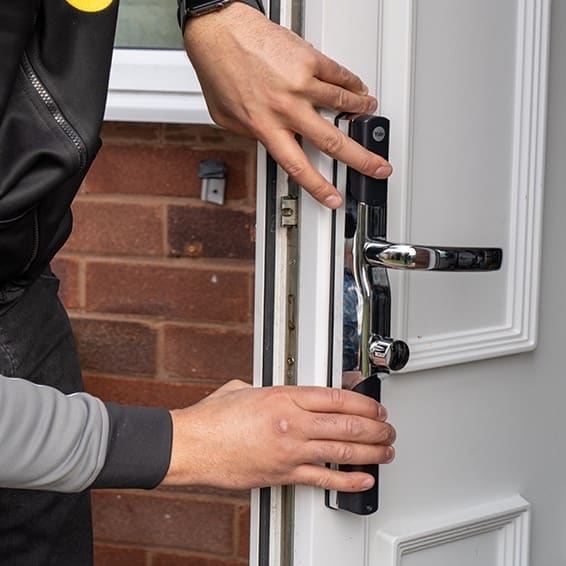
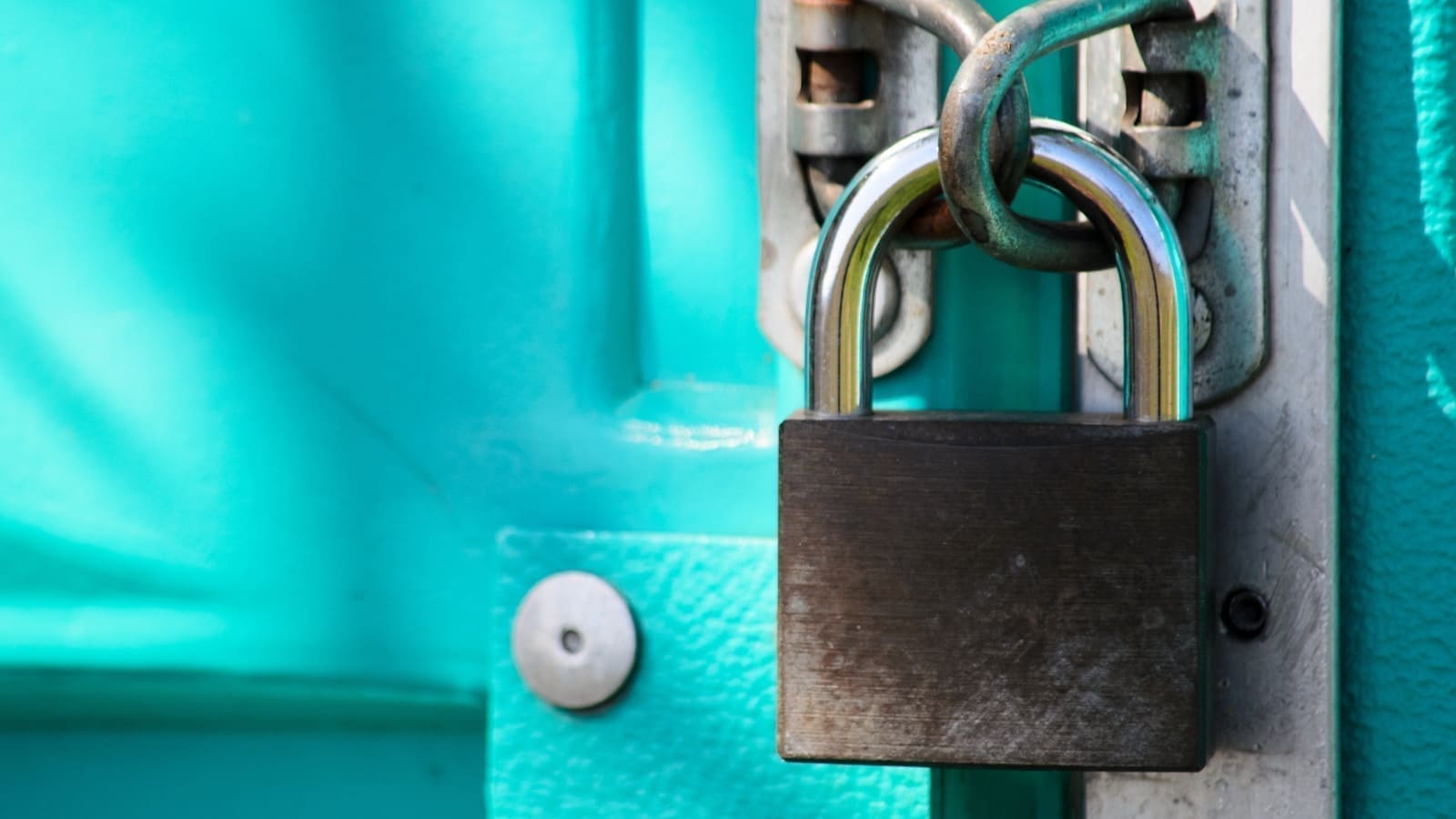
Doors and locks. Your front door is the first barrier. At minimum, fit a five-lever mortice deadlock that meets BS3621 — the British Standard for thief-resistant locks. Most insurers require this as a condition of cover. For composite or uPVC doors, check the cylinder meets TS007 3-star or at least combines a 1-star cylinder with a 2-star handle and door chain for a 3-star equivalent rating, which resists snapping attacks.
Doors. If you are replacing an external door, look for PAS 24 certification — a UK standard that tests the whole door set (frame, hinges, lock, and glazing) against forced entry. Door sets certified to PAS 24 are also required under Building Regulations for new-build and replacement work in England.
Windows. Fit key-operated window locks on all ground-floor and easily reached first-floor windows. Window locks are inexpensive and most insurers ask about them on quote forms.
Smart Doorbells
A smart video doorbell lets you see, speak to, and record anyone at your front door — whether you are inside or hundreds of miles away. The two most popular options in the UK are Ring and Nest.
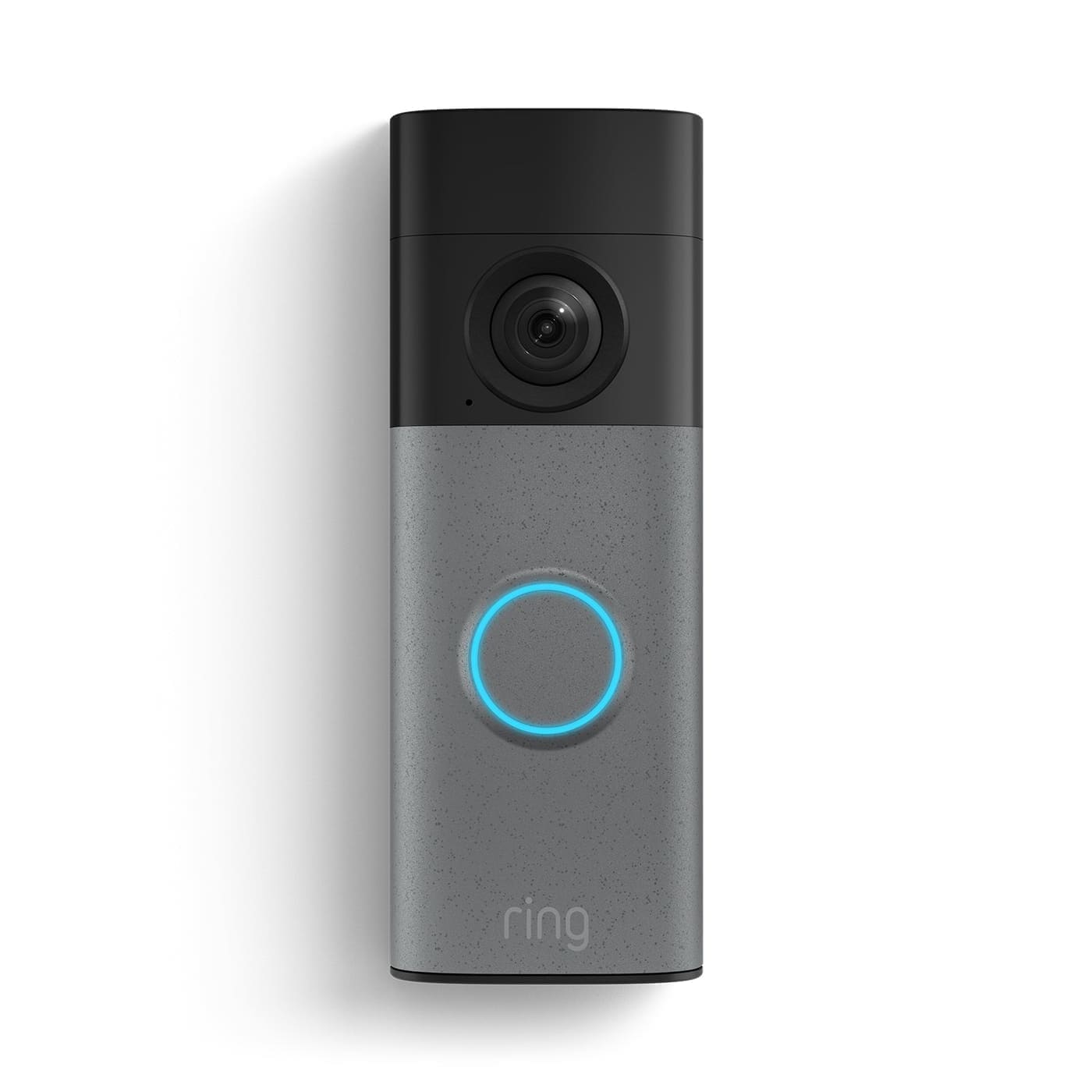
Ring Video Doorbell (2024 generation). The battery-powered model starts at around £79.99 and the wired version from approximately £69.99, with prices varying by retailer. Motion detection, two-way audio, and HD video come as standard; cloud recording requires the Ring Protect plan (from £4.99/month or £50/year).
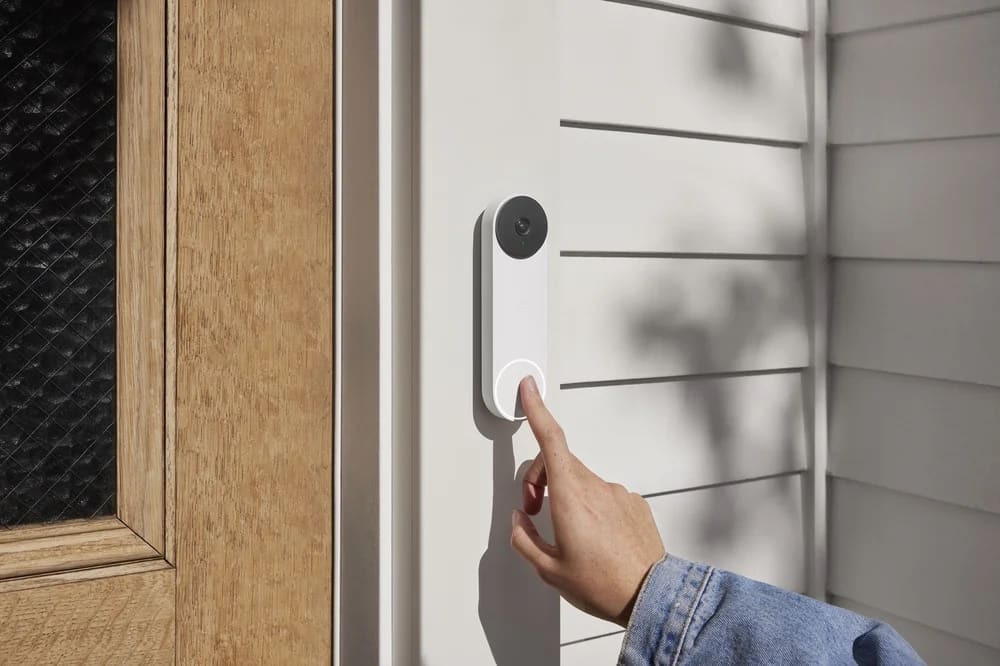
Google Nest Doorbell. The wired Nest Doorbell is typically priced around £179.99 and integrates neatly into a Google Home setup. It offers continuous video recording when wired and familiar face detection with a Google Home Aware subscription.
Both options work well as standalone deterrents, but the real benefit comes when they are part of a wider system. For a detailed comparison, see our guide to the best smart doorbells UK.
Outdoor Security Cameras
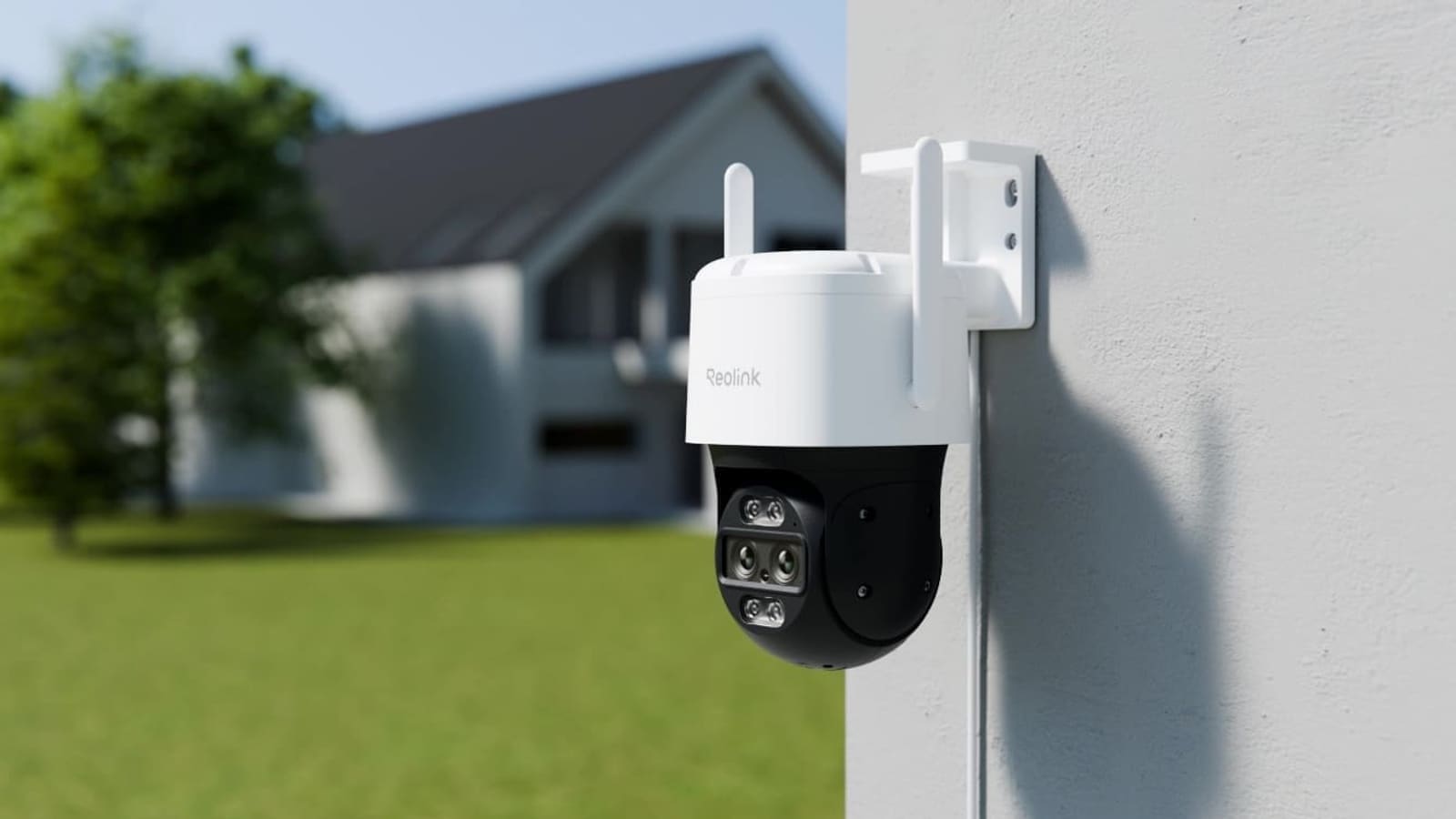
A doorbell only covers the front entrance. For full perimeter coverage, add one or more outdoor cameras at the rear and side access points.
Arlo Pro 5 is widely regarded as one of the best UK outdoor cameras, with colour night vision, a 160-degree field of view, and local storage via a SmartHub. It is weather-rated to IP65 and runs on a rechargeable battery, making installation simple. Pricing starts around £199.99 per camera, with bundles available.
Ring Stick Up Cam integrates with the Ring Alarm ecosystem and is available from approximately £89.99. It shares the same app and event timeline as Ring doorbells, which simplifies monitoring.
Google Nest Cam (outdoor) starts at around £89.99 and offers three hours of free cloud event history, extendable with a Google Home Aware subscription.
Under UK law (UK GDPR), outdoor cameras must not record beyond your property boundary onto public streets or neighbouring gardens. The ICO recommends placing cameras to cover only your own driveway or entrance, and displaying a small notice if they capture any shared space.
Alarm Systems
A visible alarm box is one of the strongest deterrents available. Burglars surveyed consistently cite an active-looking alarm as a primary reason to avoid a property.
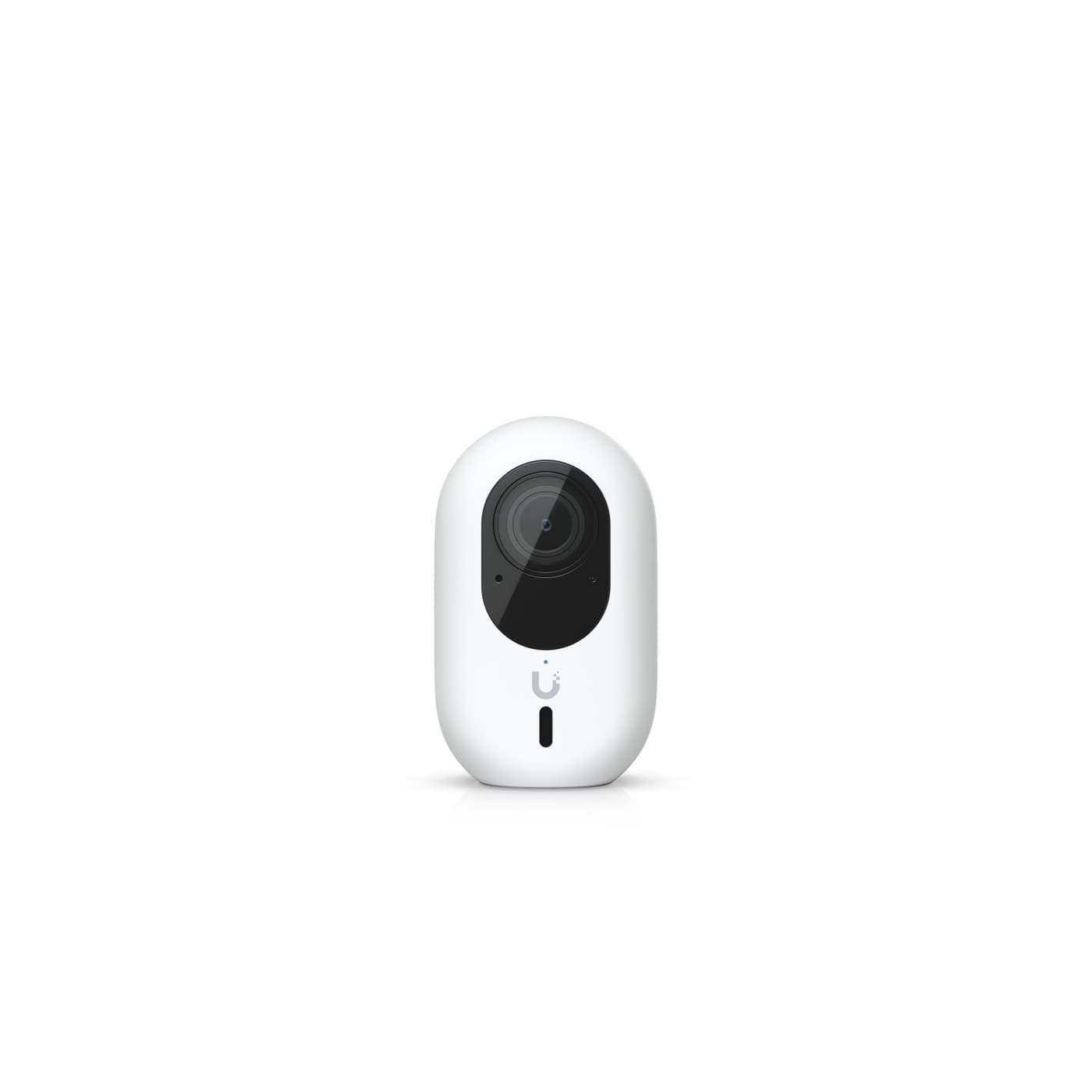
DIY: Ring Alarm (2nd Gen). Ring's Alarm packs start from around £219.99 for a five-piece kit (base station, keypad, contact sensor, motion detector, and range extender). The system is self-monitored via the Ring app, with an optional Ring Protect Plus subscription at £8/month that adds professional assisted monitoring — automated calls when your alarm triggers. It requires no engineer installation and is straightforward to expand with additional sensors. Find current pricing for Ring Alarm on Amazon UK.
Professional: ADT. For professionally installed and monitored systems, ADT is one of the largest providers in the UK. Professionally installed alarms can be certified to NSI Gold or SSAIB standards, which are required by many insurers for a premium discount and by the police for a Unique Reference Number (URN) — the code that means police will respond to a confirmed activation.
NSI and SSAIB certification. These are the two main UK alarm inspectorate bodies. An NSI- or SSAIB-graded alarm means the system was installed and is maintained to a defined standard. Many home insurance policies offer a meaningful discount for a graded alarm, which can offset the ongoing maintenance cost.
Smart Locks
Smart locks let you lock and unlock your door remotely, set auto-lock timers, and grant temporary access to guests or tradespeople without cutting a key. Both leading UK brands — Yale and Schlage — offer models that meet British Standards.
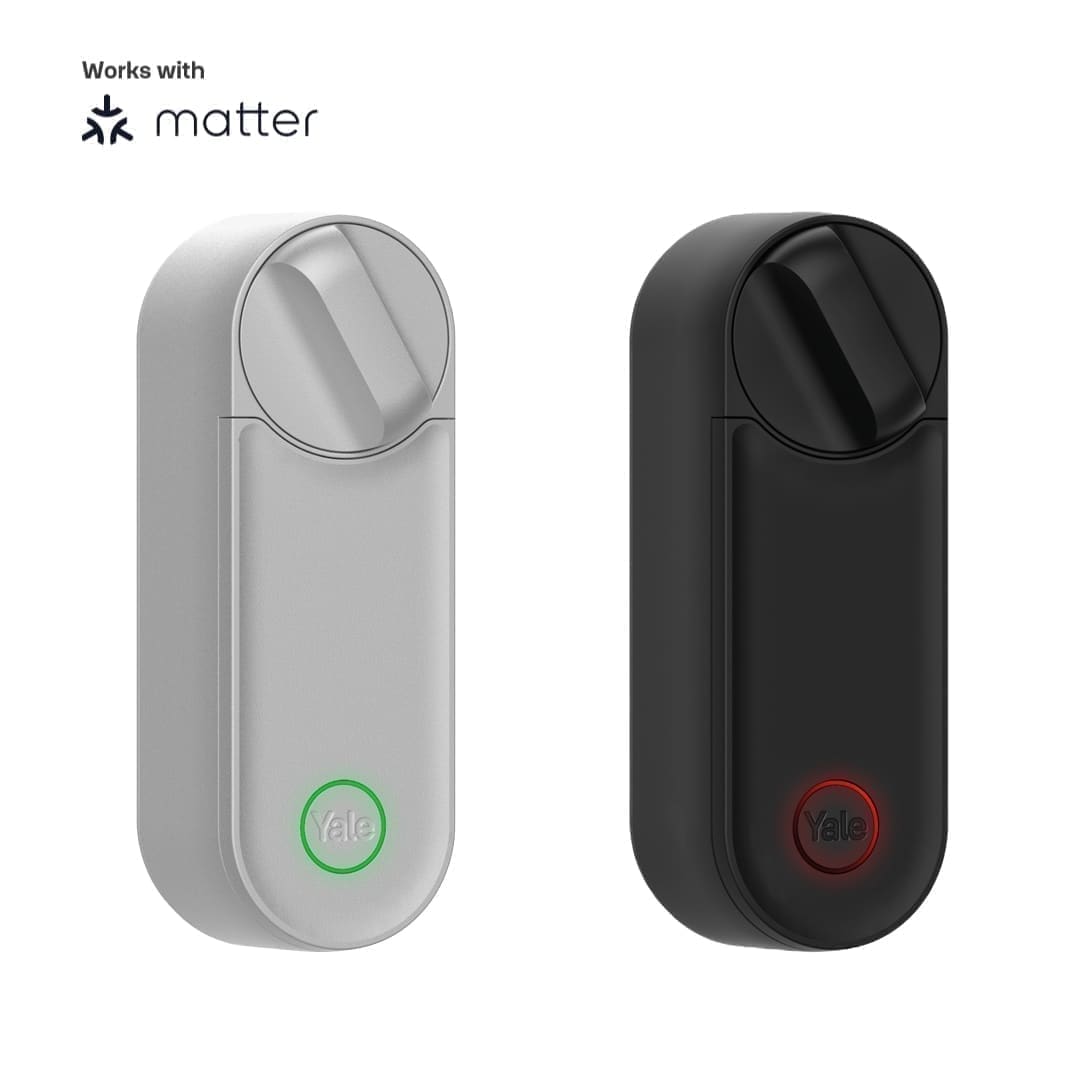
Yale Linus L2. The Yale Linus L2 is a retrofit smart lock that fits over your existing euro cylinder, keeping the cylinder itself (and your BS3621 compliance) intact. It adds app control, auto-lock, and the ability to share digital keys. The L2 Lite is available from around £129.99; the full L2 with connectivity module from approximately £220. It supports Matter, meaning it works with Apple Home, Google Home, and Amazon Alexa.
Yale Conexis L1. The Conexis L1 replaces the cylinder entirely and is BSI-approved out of the box. It operates via key card, phone tag, or smartphone app. Pricing typically starts around £175–£200 depending on retailer and finish.
Auto-lock is one of the most practical smart lock features: set it to engage ten minutes after unlocking, and you never wonder whether you locked the door. Remote access means you can let in a delivery when you are at work. See our roundup of the best smart locks UK for full comparisons. You can also browse smart locks on Amazon UK for current prices across brands.
Smart Lighting as a Deterrent
A lit home looks occupied. Burglars prefer unlit, apparently empty properties, so smart lighting timed to switch on at dusk — or triggered by a motion sensor — is an effective, low-effort addition to any security setup.
Philips Hue lights can be set to simulate occupancy, randomly varying on/off times across multiple rooms via the Hue app. Motion-triggered outdoor spots (Hue Lily or Hue Appear, from around £69.99 each) illuminate the driveway the moment someone approaches.
Even a simple smart plug combined with a standard lamp and a timer schedule provides basic occupancy simulation for under £15. For more complex automations — lights triggered by your Ring camera detecting motion, for instance — Home Assistant can orchestrate everything from a single dashboard.
Insurance Implications
Home security investments can directly reduce your insurance premium, but only if you tell your insurer about them. Key points to communicate:
- Alarm grade. An NSI Gold or SSAIB-graded alarm typically qualifies for a named discount on contents and buildings cover. Some insurers require it for high-value contents policies.
- Lock standards. Confirm your external doors meet BS3621 or that cylinders meet TS007 3-star equivalent. Failing to meet the policy's lock requirements can invalidate a claim.
- Smart devices. Not all insurers account for smart doorbells or cameras in pricing, but it is worth asking — and worth declaring them for any potential claim narrative.
- Annual review. Security requirements can be buried in policy conditions. Read the schedule of cover when you renew and check you still meet any lock or alarm stipulations.
Police Alarm Monitoring and URNs
For a monitored alarm to receive a police response in the UK, the alarm company must register the installation with your local police force and obtain a Unique Reference Number (URN). This is issued only for alarms installed and maintained to NSI or SSAIB standards and connected to an Alarm Receiving Centre (ARC) that verifies activations before calling police.
Without a URN, police in most UK forces will not respond to an alarm activation — they receive too many false alarms from unregistered systems. If a police response matters to you (high-value home, rural location), factor the cost of a professionally installed and monitored system into your security budget from the start.
For alerting on vehicles or people entering your property before they reach the door, see our best driveway alarm UK guide, covering standalone PIR kits, Zigbee sensors for Home Assistant, and camera-based alerts.
Manufacturer support is becoming part of that vetting too. From 11 September 2026, the EU Cyber Resilience Act requires makers of connected cameras, locks and alarms sold in the EU and Northern Ireland to report actively exploited vulnerabilities within 24 hours, so a visible security/support page is now a stronger signal than it used to be when comparing systems.