Quick Verdict
The Ring Alarm Pro is the most capable alarm system Ring sells in the UK, and the integrated Eero WiFi 6 router is genuinely useful rather than a gimmick. Setup is straightforward, the sensors are reliable, and the optional Ring Protect Pro plan offers strong value for anyone who wants professional monitoring. The main caveats are the ongoing subscription cost and the fact that the router can't fully replace a higher-end mesh system for larger homes. If you're already in the Ring ecosystem — or want a single-box solution for security and connectivity — this is the one to buy.
What's in the Box: The 8-Piece Kit
The Ring Alarm Pro 8-piece kit includes everything you need to secure a typical UK property:
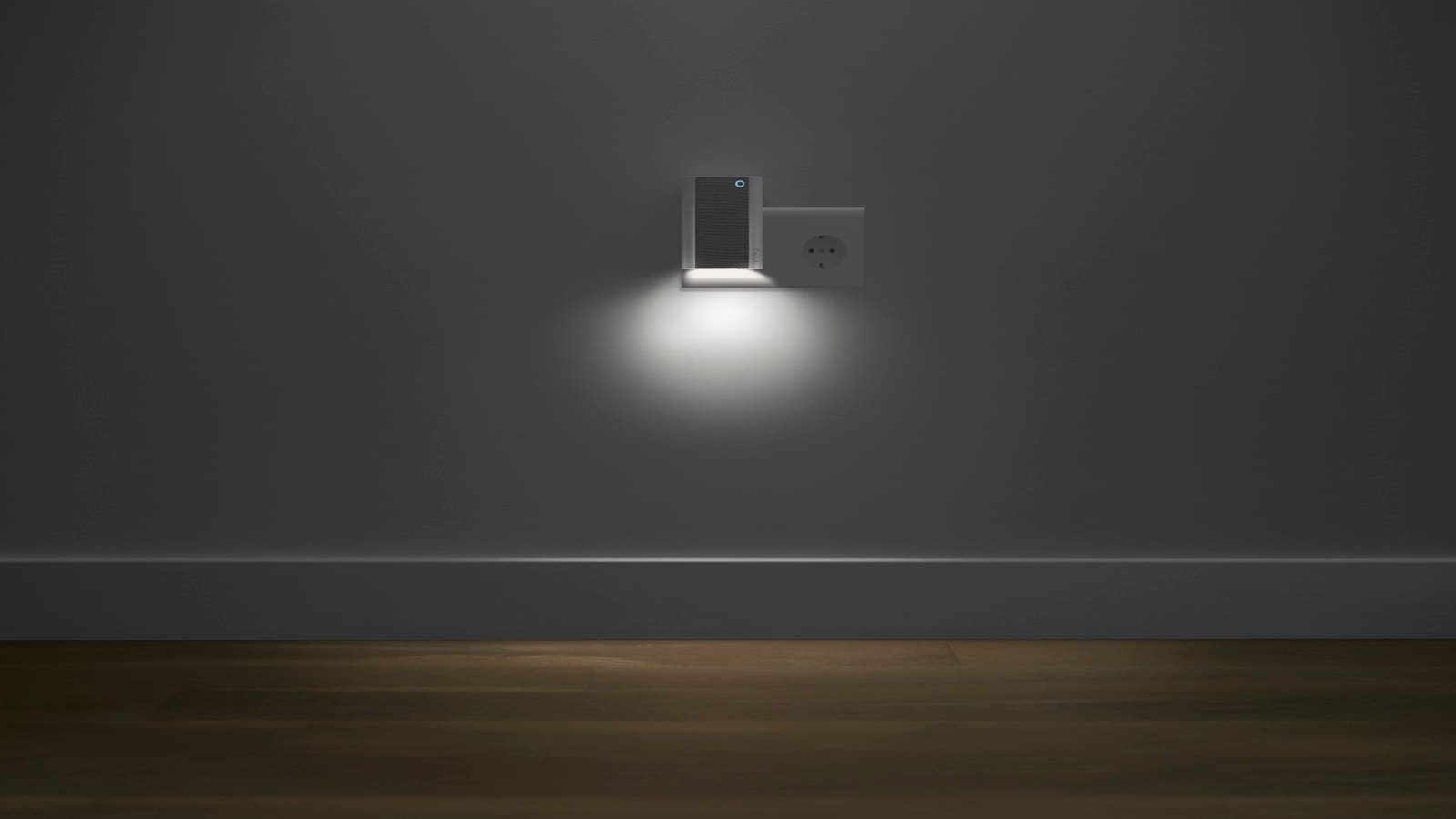
Base station. The heart of the system. It doubles as an Eero WiFi 6 router, providing dual-band wireless coverage and a built-in cellular backup modem (active with Ring Protect Pro subscription).
Keypad. A clean, backlit keypad for arming and disarming. It runs on a built-in rechargeable battery so it doesn't need to be near a socket.
Motion detector × 2. Passive infrared sensors covering a roughly 90° field at up to 7 metres. Pet-immune settings can be configured in the Ring app.
Contact sensors × 4. Door and window sensors using magnetic reed switches. Slim profile and easy to mount with adhesive tape or the included screws.
Range extender × 1. Extends the Z-Wave mesh to cover larger homes or outbuildings.
The full contents are listed on the Ring UK product page. Prices vary by retailer, but the 8-piece kit typically sells for around £279.99; you can check the current price on Amazon.co.uk.
Setup: Surprisingly Painless
Ring guides you through installation via the Ring app (iOS and Android). The process takes 30–45 minutes for a typical install. Each sensor pairs via Z-Wave — Ring's chosen protocol — and the range extender slots into the mesh automatically. You don't need to do anything to configure the Eero router beyond choosing a network name and password; it broadcasts immediately once the base station is powered.
If you already have an Eero network, the base station can join your existing mesh as an additional node, or act as the new gateway. This flexibility makes it easy to fit into an existing smart home setup. For more on building a reliable smart home network, see our home security guide for UK properties.
The Eero WiFi 6 Router: A Genuine Differentiator
No other alarm system in the UK market bundles a proper WiFi 6 router into the base station. Eero is Amazon's mesh networking brand, and the Alarm Pro uses a dual-band (2.4 GHz + 5 GHz) 802.11ax radio. In a typical two-bedroom flat, coverage is more than adequate. For larger homes, the included range extender helps, though you may still want a dedicated Eero mesh node for full coverage across multiple floors.
WiFi 6 benefits include lower latency for simultaneous device connections — relevant if you run a lot of smart home kit. The router supports WPA3 security by default.
The base station has a gigabit WAN port and two gigabit LAN ports, so you can connect a wired device (a NAS or smart TV, for example) directly.
Z-Wave Sensors: Reliable and Low-Power
Ring uses Z-Wave for all its Alarm sensors. Z-Wave operates on the 868 MHz band in Europe (distinct from WiFi and Zigbee at 2.4 GHz), which gives it better wall penetration and less interference. The contact sensors and motion detectors in the Pro kit all communicate via Z-Wave, and independent testing consistently finds its range noticeably better than WiFi-based sensor systems.
Battery life on the contact sensors is rated at several years on a single CR2032. The motion detectors use CR123A cells and should last a comparable period under normal use. Ring notifies you via the app when batteries are low.
Z-Wave also means the system works even if your broadband goes down — sensors communicate locally to the base station, which can alert via the cellular backup if Ring Protect Pro is active. You can read more about how Ring compares in our best home security systems in the UK roundup.
The Ring App
The Ring app is polished and consistent across Android and iOS. From the main dashboard you can arm/disarm the system in Home, Away, or Disarmed mode; view a timeline of sensor events; and manage device settings. Geofencing lets the app prompt you to arm when you leave home, though it's opt-in.
Shared access is straightforward: add household members as Shared Users and they get their own PIN and app access. Guest access is more limited — useful for cleaners or contractors.
Alexa integration is deep (Ring is owned by Amazon), including voice arming via an Echo with a Ring-enabled Guard plan. Google Home and Apple HomeKit are not natively supported, though third-party integrations exist.
Ring Protect Pro: Professional Monitoring and Cellular Backup
The Alarm Pro is capable as a self-monitored system, but it reaches its full potential with Ring Protect Pro at around £8 per month (or £80/year). This plan adds:
24/7 professional monitoring. Ring's monitoring centre will attempt to contact you and, if needed, dispatch emergency services. Response times and procedures follow standard NSI/SSAIB-equivalent protocols.
Cellular backup. If your broadband is cut — deliberately or by fault — the base station switches to its built-in cellular modem and continues to communicate with the monitoring centre and your app. This is the feature that separates the Alarm Pro from the standard Alarm.
30-day free trial. New Alarm Pro buyers get a 30-day trial of Ring Protect Pro included, which is a sensible way to evaluate whether the monitoring is worth the ongoing cost.
Video recording. The plan also covers unlimited video storage for all Ring cameras linked to your account — a meaningful saving if you have multiple Ring cameras. See our Ring subscription cost guide for a full breakdown of what each plan covers.
Value vs Competitors
At around £279.99 for the 8-piece kit, the Ring Alarm Pro is priced at the premium end of the UK DIY alarm market. The closest comparable systems are the Yale Smart Home Alarm and the Arlo system, neither of which includes an integrated WiFi 6 router.
The Alarm Pro's value case depends on whether you'll use the router. If you were going to buy a new router anyway, the combined cost is competitive. If you already have a good router and mesh setup, you're paying a premium for a feature you won't use.
For indoor camera alternatives within the Ring ecosystem, our Ring Indoor Camera review and Ring Spotlight Cam review are worth reading alongside this one. If you're considering alternatives, our best Eufy security camera guide covers a strong rival brand.
Verdict
The Ring Alarm Pro is the best alarm system Ring sells in the UK, and the Eero WiFi 6 integration is a genuine differentiator — not marketing fluff. Professional monitoring via Ring Protect Pro is competitively priced, and cellular backup gives genuine resilience that cheaper systems lack.
Buy it if you want a single-subscription security solution with solid app support and you're open to the Ring/Amazon ecosystem. If you want full smart home protocol flexibility (HomeKit, Matter), look elsewhere. But for most UK households wanting reliable DIY security with an upgrade path to professional monitoring, the Alarm Pro is the one to beat.
Related: best home security systems UK, Ring Alarm subscription costs, and best smart doorbells UK.