Smart Home Assistant

Ring Guard Response UK: £29.99 Guard Dispatch Service Launches

SepehrBy Sepehr· 1 November 2026· Updated 1 November 2026· 3 min read
✓ Independent — no paid placements✓ UK-tested in real homes✓ Cited sources
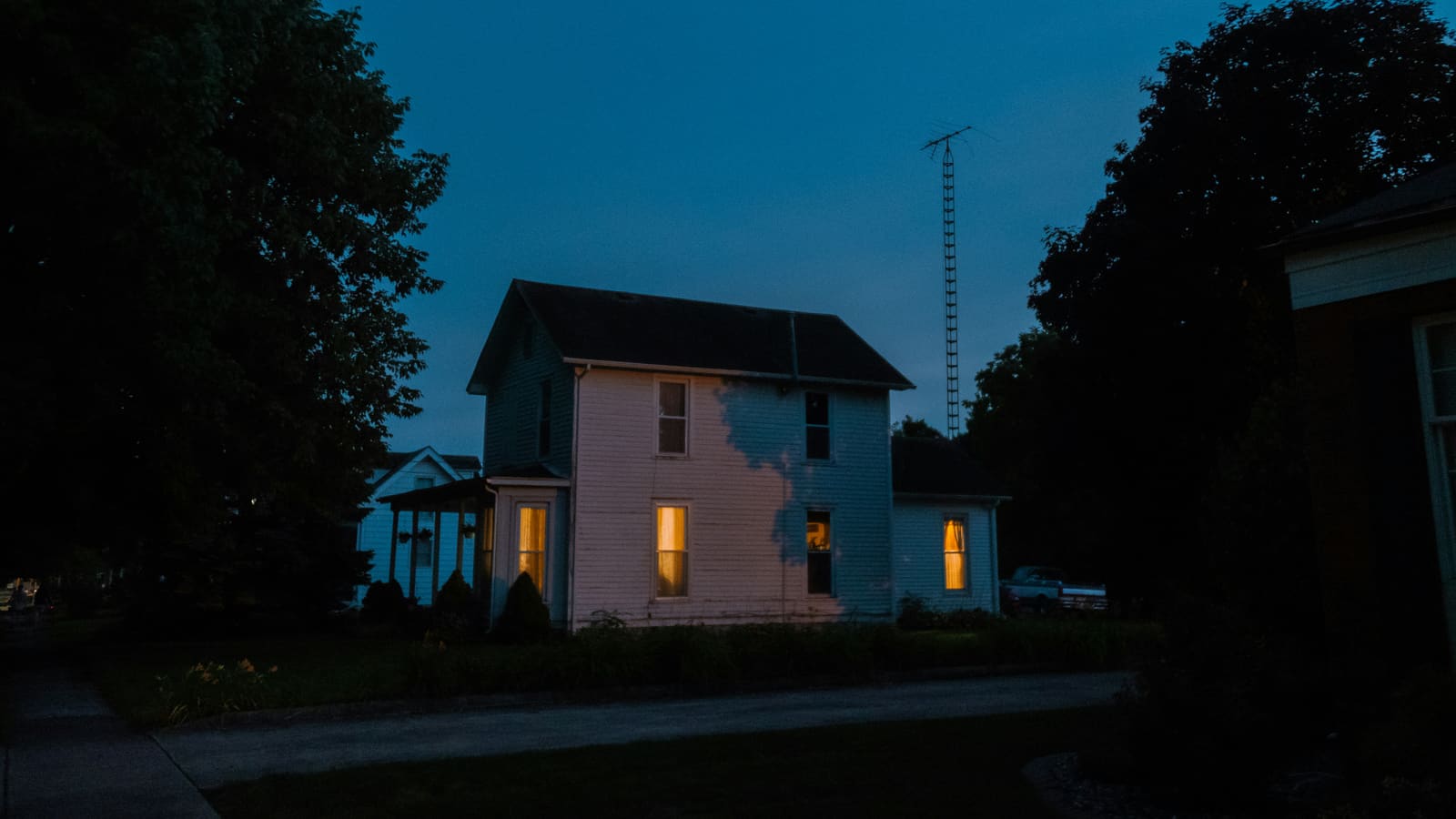
Two-storey house at dusk with warm lit windows beneath a deep blue sky and dark trees

Key takeaways

  • Ring Guard Response costs £29.99 a month or £299.99 a year and sends a licensed guard to your UK property.
  • The service is limited to Birmingham, Bristol, Manchester and Cardiff, with postcode checks at sign-up.
  • Guards usually arrive within about 30 minutes and are supplied by RSPNDR, not Ring staff.
  • Automatic dispatch needs a Ring Alarm; a doorbell or camera only supports on-demand requests.
  • Guards cannot enter without consent, detain anyone, or see Ring camera footage.
On this page[tap to expand]

Ring Guard Response is a new UK subscription that sends a licensed security guard to your property on request or when a Ring Alarm sounds. It costs £29.99 a month, is limited to Birmingham, Bristol, Manchester and Cardiff, and guards usually arrive within about 30 minutes.

What has changed with Ring Guard Response in the UK?

Amazon's UK newsroom has introduced Ring Guard Response as an optional 24/7 service, describing it as a limited release. A licensed guard is sent to your property either automatically or when you ask through the Ring app. The guards are supplied by RSPNDR, a licensed third-party security provider, rather than by Ring staff.

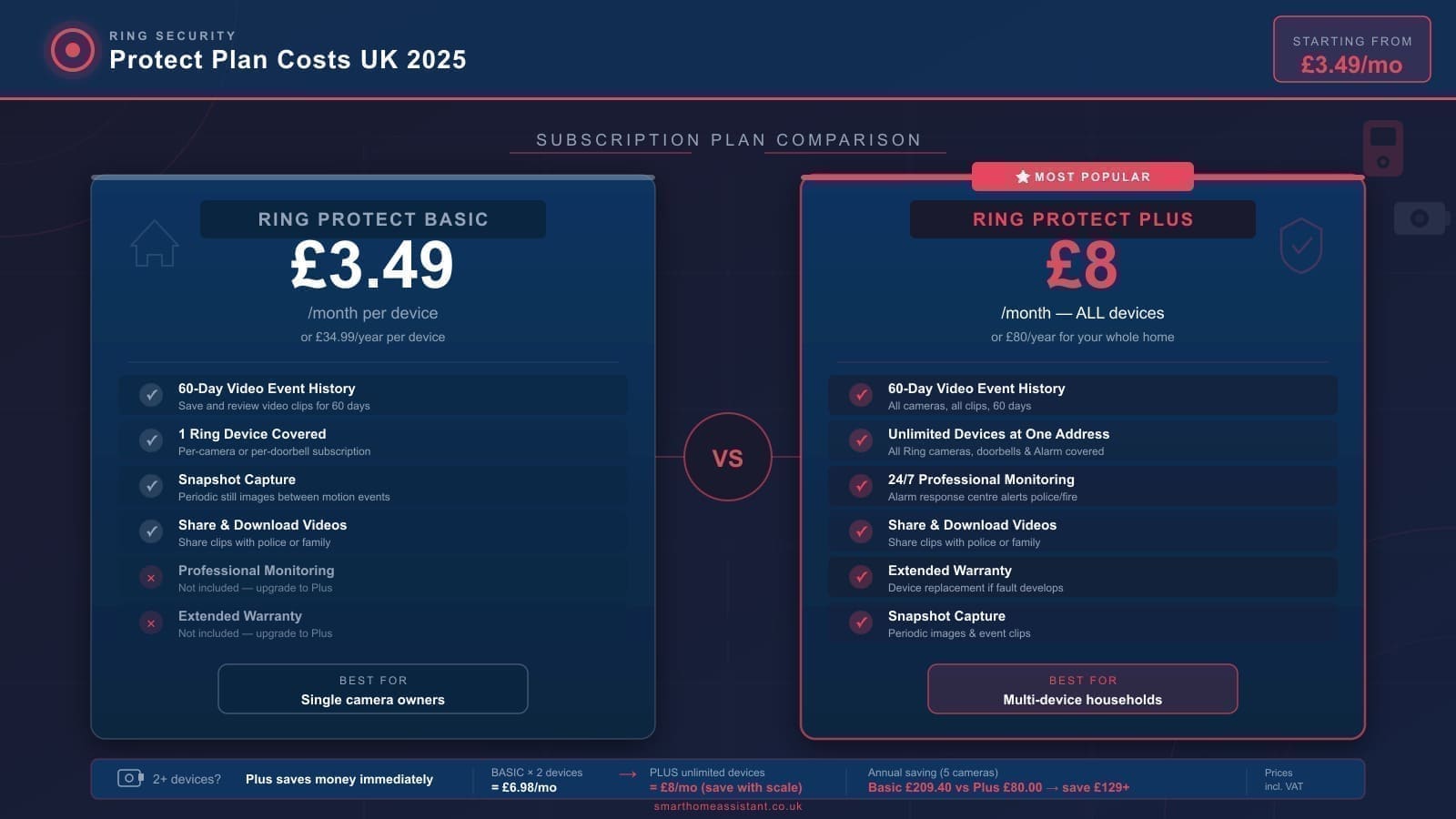
The price is £29.99 per month or £299.99 per year, with no charge per dispatch and cancellation at any time. The subscription includes Ring Protect Pro (listed at £15.99 a month on its own) across all devices at the property. Ring has not published a launch date that we could find, so treat the exact start as unconfirmed.

DetailWhat Ring and Amazon say
Price£29.99 a month or £299.99 a year
AreasBirmingham, Bristol, Manchester, Cardiff (and surrounding areas)
Typical arrivalUsually within 30 minutes, depending on location, weather and traffic
Automatic dispatchRing Alarm required; requested after the alarm has sounded for 30 seconds
On-demand dispatchRing Alarm, or at least one Ring doorbell or camera
Included planRing Protect Pro
ProviderRSPNDR (licensed third party)

How does Ring Guard Response work?

There are two routes. For on-demand cover, you tap the Guard Request icon on the dashboard or in Live View. For automatic cover, an Alarm owner who has enabled it triggers a request once the alarm has been sounding for 30 seconds and nobody has responded. You can track the guard and see a live ETA in the app, and you can cancel at no cost until the guard is marked as arrived, either in the app, via RSPNDR's web portal, or by disarming the Alarm.

On arrival, guards assess the situation and, if feasible, walk the exterior perimeter, checking entry points for damage and anything unusual. They can call the emergency services for you. Afterwards you get an emailed report with photos and observations. If you already pay for a plan, our guide to Ring Alarm subscription costs in the UK breaks down what each tier includes.

What can guards not do?

Guards cannot enter the property without your explicit consent, cannot detain anyone, and cannot see your Ring camera footage; they judge only what they see on site. Ring states that guards are not a substitute for emergency services, so call 999 for anything urgent. T3 noted that the earlier US version of the idea, Alarm Verified Guard Response, drew mixed reviews, so treat this as an extra layer rather than a guarantee.

Why does this matter for Home Assistant users?

Guard Response is a cloud service tied to the Ring app, so it sits outside Home Assistant. We found no sign that it is exposed as an entity or service in Home Assistant, so do not expect to trigger a guard from an automation. Ring devices themselves can still be used in Home Assistant, but if your alarm logic runs locally, remember that automatic dispatch depends on a registered Ring Alarm and Ring's cloud, not on your own setup.

The bigger point is cost: you are paying roughly £14 a month more than Ring Protect Pro for the guard cover, and £29.99 is a fee you would pay on top of any hardware. Our Ring Alarm Pro review and Ring doorbell subscription guide help you weigh that against what you already pay.

Should you sign up or wait?

Only people in the four launch areas can currently use it, and postcode eligibility is checked at sign-up. If you live there and are away often, own a Ring Alarm, or have no one nearby to check on the house, it is worth considering, and the annual price saves about £60 over monthly billing. If you are elsewhere, there is nothing to buy yet. If you are still choosing hardware, start with our best Ring doorbell guide.
Buy the picks in this guide

Recommended for Smart Security

See all devices →

Frequently asked questions

How much does Ring Guard Response cost in the UK?
Ring Guard Response costs £29.99 a month or £299.99 a year, according to Amazon's UK announcement, with no extra charge per dispatch and the option to cancel at any time. The subscription includes Ring Protect Pro, which Amazon lists at £15.99 a month on its own, so the guard cover itself effectively adds around £14 a month. Paying annually works out about £60 cheaper than twelve monthly payments. The caveat is that Ring's own support page for the service does not state a price, so confirm the figure at sign-up, and remember that eligibility is checked by postcode, so you may not be able to subscribe even if you want to.
Which UK areas does Ring Guard Response cover?
Ring Guard Response currently covers Birmingham, Bristol, Manchester and Cardiff, including the areas in and around those cities, according to Amazon's UK announcement. Ring's support page says eligibility is checked by your postcode during sign-up, and that if the service is available where you live you will receive an email during your trial. Amazon describes the service as a limited release, so the list may grow, but neither company has published a roll-out timetable that we could find. If you live outside those four areas you cannot currently use it, and you should not buy Ring Alarm solely in the expectation that cover will arrive soon, because nothing published promises it.
Do you need a Ring Alarm to use Guard Response?
You need a Ring Alarm only for automatic dispatch. Amazon says automatic dispatch requires a registered Ring Alarm at the property and applies if you cannot respond to an alarm event within the designated window; Ring's support page says a guard is requested once the alarm has been sounding for 30 seconds, if you have enabled it. On-demand dispatch works with a Ring Alarm, or with at least one registered Ring Video Doorbell or Security Camera, where you tap the Guard Request icon in the app. The practical caveat is that without an Alarm, you must notice the problem and ask for a guard yourself, which limits its value when you are asleep or unable to check your phone.
What can Ring Guard Response guards actually do?
Guards sent through Ring Guard Response carry out a situational assessment and, where feasible, an exterior perimeter check, inspecting doors, windows, gates and side passages for forced entry or anything unusual. They can contact police, fire or ambulance services on your behalf, and they take photos and record observations that arrive in an emailed incident report. They cannot enter your home without explicit consent, cannot detain anyone, and have no access to your Ring camera footage. Ring is explicit that guards are not a substitute for emergency services, so for a crime in progress or any emergency you should still call 999 first. Ring may also suspend accounts for misuse, such as repeated non-emergency dispatches.

Sources

Sources verified 2026-11-01

  1. Amazon UK — Introducing Ring Guard Response: professional 24/7 security cover
  2. Ring — Ring Guard Response support article
  3. T3 — Ring can now send licensed security guards to your home if you spot something on your video doorbell
›How we researched this

Claims in this article are checked against primary sources — manufacturer specifications, official documentation, Which? research, Ofgem guidance, or gov.uk — rather than forum threads or video reviews. Where the author has direct hands-on experience with a product (most Home Assistant, Zigbee, and home-networking gear is running in his own homelab), that is stated explicitly in the text.

For categories outside that personal setup — such as boilers, heat pumps, and other areas that are traditionally a heating engineer's domain — verdicts are built from cross-referenced manufacturer data, published lab results, and vetted expert and owner reviews rather than a claim of personal hands-on testing. See the editorial policy for the full methodology.

Sepehr

Written by

Sepehr

10+ years hands-on with Home Assistant & networking · Research-backed elsewhere · No brand deals

Smart home specialist with 10+ years running a self-hosted Home Assistant setup — Zigbee2MQTT, Frigate NVR, and local-first automations. Independent coverage for UK homes, no brand deals.

LinkedIn →

Citing this page? Please use a dofollow link back to the original article — it helps us keep the data on this page accurate and up to date.

Related reading