The models compared
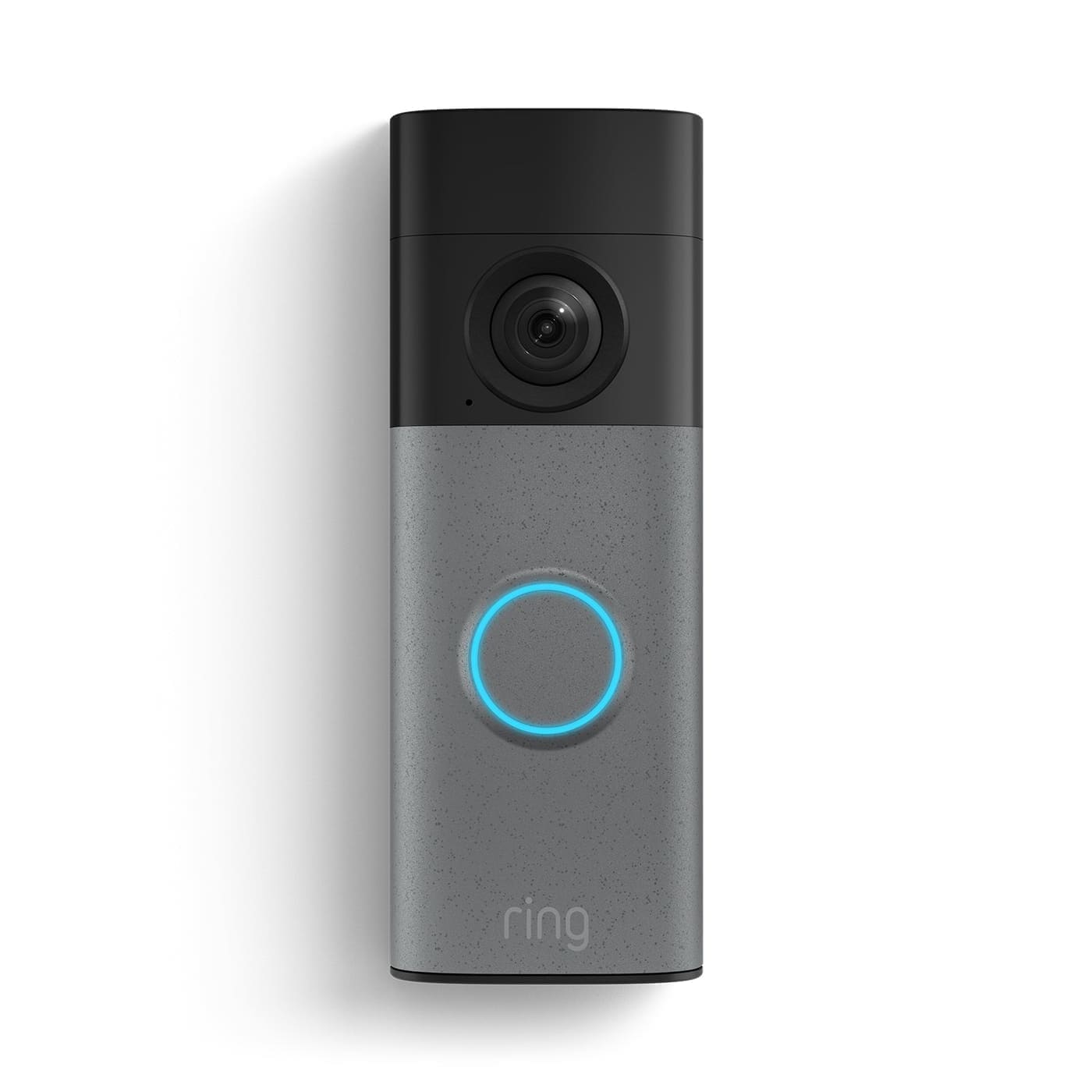
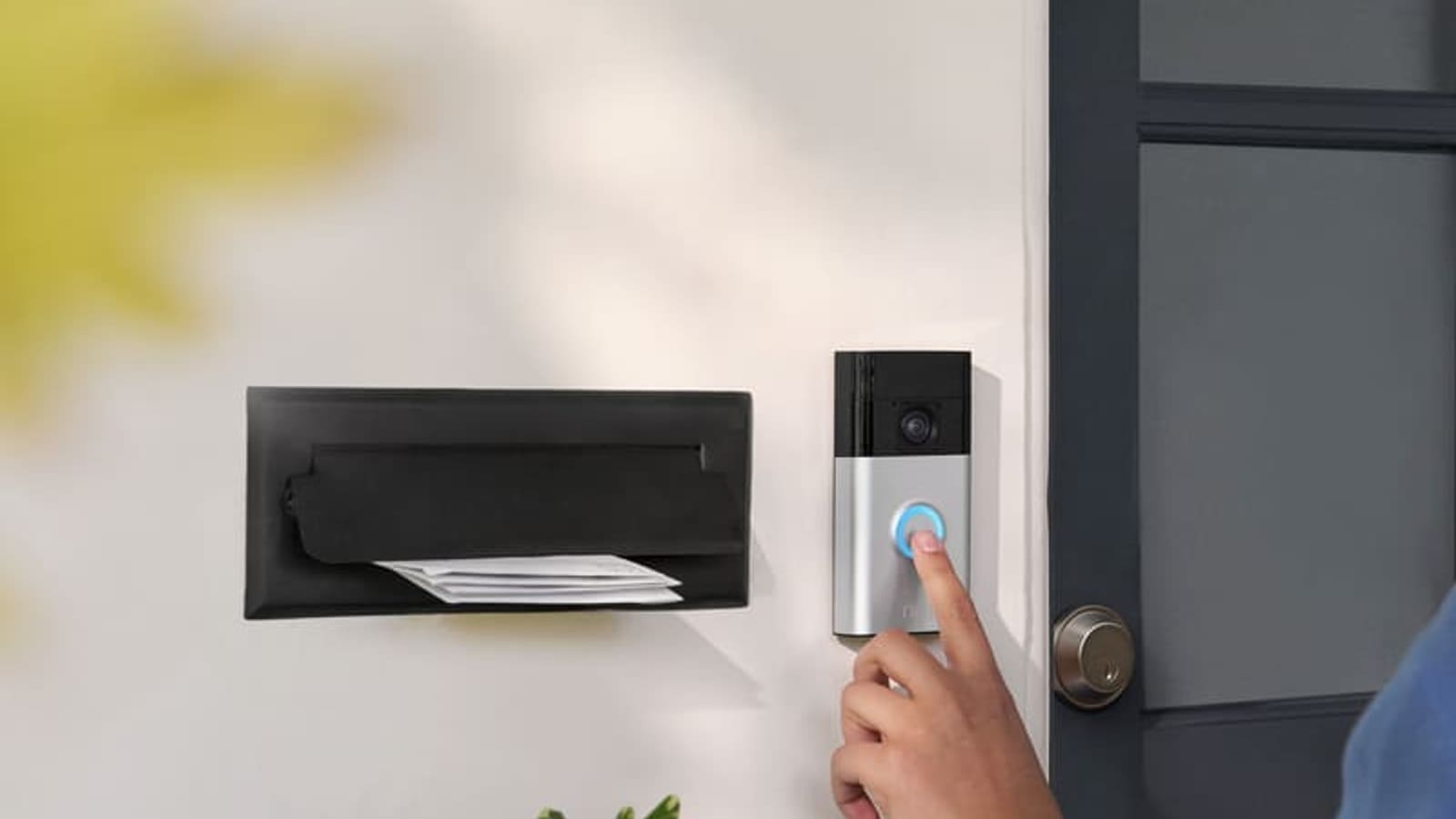
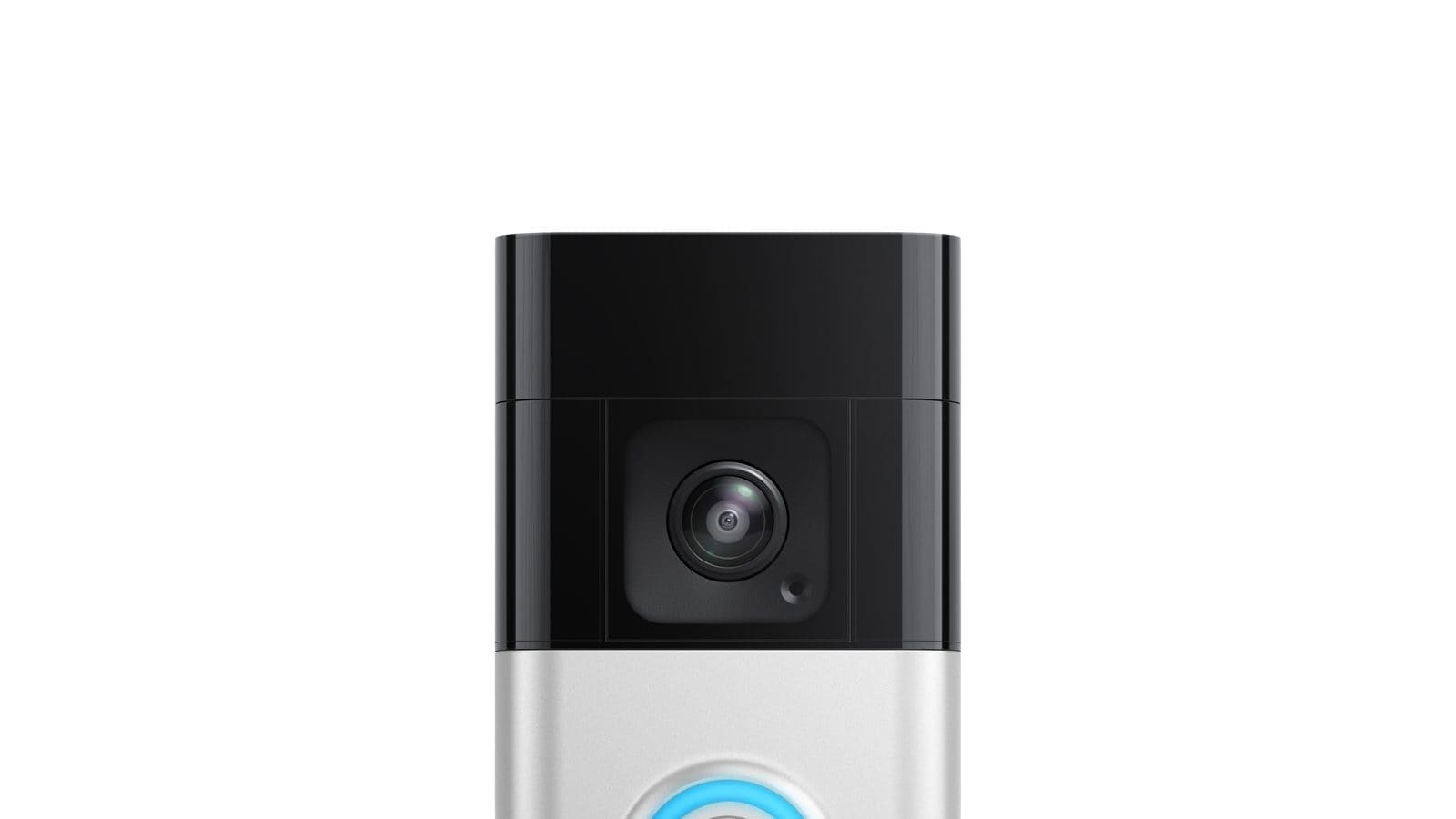
Ring's UK range spans from the entry-level Video Doorbell Wired (£49.99) up to the Battery Video Doorbell Pro (£179.99). For most buyers the sweet spot is the Ring Battery Video Doorbell at £99.99, which offers 1440×1440 head-to-toe video, colour night vision and a removable rechargeable battery. The Ring Battery Video Doorbell Pro (£179.99) adds 3D motion detection, Bird's Eye Zones and colour pre-roll — worth considering if you want more sophisticated motion intelligence.
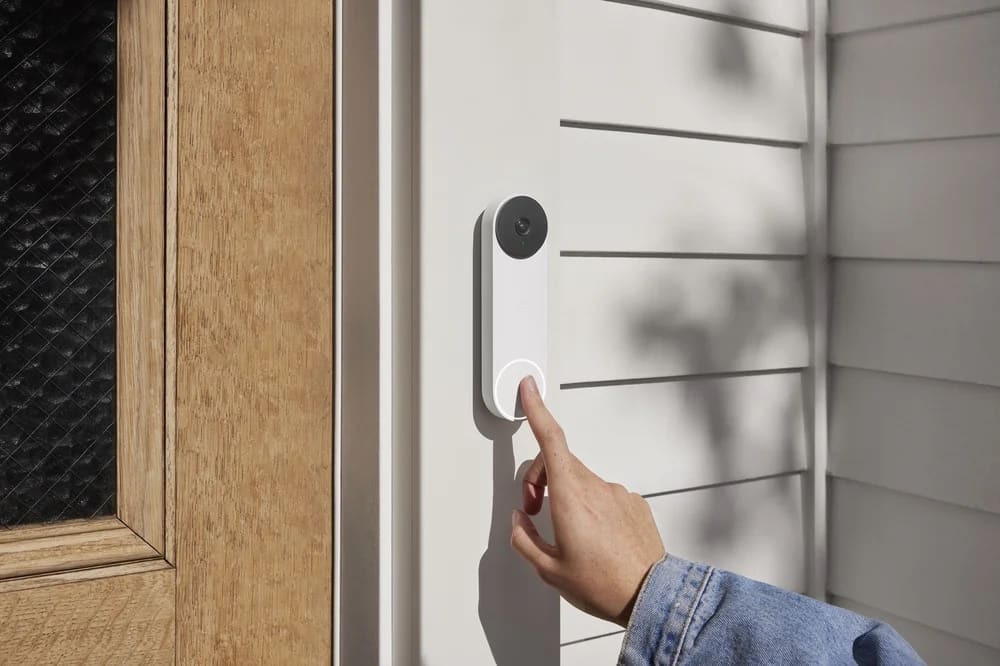
Google's UK range centres on the Nest Doorbell (battery), available from £179.99, which shoots in a tall 3:4 aspect ratio at 960×1280 pixels with a 145° diagonal field of view. A wired version (Nest Doorbell Wired, 3rd gen) with 2K video exists but UK availability has been limited, so most buyers here choose the battery model. Both record in HDR with infrared night vision.
Head-to-head comparison
| Feature | Ring Battery Video Doorbell | Google Nest Doorbell (Battery) |
|---|---|---|
| UK price | £99.99 | £179.99 |
| Video resolution | 1440×1440 (head-to-toe) | 960×1280 (3:4 vertical) |
| Field of view | Wide vertical (head-to-toe) | 145° diagonal |
| HDR | Yes | Yes |
| Colour night vision | Yes | No (infrared only) |
| Power | Removable rechargeable battery or wired | Built-in lithium-ion battery or wired charging |
| Wi-Fi | 2.4 GHz only | 2.4 GHz only (battery model) |
| Local storage | No (cloud only) | No (cloud only) |
| Primary ecosystem | Amazon Alexa | Google Home (required) |
| Apple HomeKit | No | No |
| Subscription for video history | Yes (Ring Solo from £4.99/month) | Yes (Google Home Premium from £8/month) |
| Free cloud storage | None | 3-hour event history buffer |
| Person/package detection free | No (subscription required) | Yes |
Video quality
Ring shoots in a square-ish 1440×1440 format, which it labels "head-to-toe view". In practice this gives you a wide vertical crop that shows visitors from crown to just below the knee — useful for confirming whether a package has been left on the step. Colour night vision is a genuine differentiator: the camera switches to colour-tinted footage in low light, making it easier to identify clothing colours or vehicle registration plates at dusk.
Google Nest records in a true vertical 3:4 ratio at 960×1280 pixels. The taller frame means you can see a full-length view of visitors, and the HDR processing handles mixed lighting scenes (a bright sunny doorstep with a shaded porch) particularly well. Night vision relies on four infrared LEDs rather than colour sensors, so footage returns to the familiar black-and-white in darkness.
Neither doorbell offers 4K yet. Ring's higher pixel count looks slightly sharper in side-by-side daylight tests, but the Nest's HDR processing can recover detail in high-contrast scenes that Ring clips to blown-out whites.
Subscription plans and ongoing costs
This is where the comparison gets most interesting — and where the Nest's lower sticker price starts to close the gap.
Ring Protect comes in three tiers as of 2026:
- Ring Solo — £4.99/month or £49.99/year. Covers one device; includes up to 180 days of video history, person/package/vehicle alerts and extended live view.
- Ring Multi — £7.99/month or £79.99/year. Covers all Ring devices at one address, plus multi-camera live view.
- Ring Pro — £15.99/month or £159.99/year. Adds familiar faces recognition, video search, and alarm cellular backup.
Google Home Premium (formerly Nest Aware) also has two tiers:
- Standard — £8/month or £80/year. Covers all Google Nest cameras and doorbells at one address; includes 30 days of event video history.
- Advanced — £16/month or £160/year. Extends storage to 60 days of event history plus 10 days of continuous video recording.
The key differentiator here is that Google includes person, animal and vehicle detection for free without a subscription — Ring gates these alerts behind the paid plan. However Ring's Solo plan at £4.99/month is cheaper than Google Home Premium Standard at £8/month, and Ring provides up to 180 days of storage versus Google's 30. If you have multiple cameras, Ring Multi (£7.99/month for the whole home) can be better value than Google's per-home £8/month, but the gap is marginal.
Neither service offers local storage — all video history lives in the cloud. This is an important caveat if you prefer not to rely on a subscription; see our roundup of the best smart doorbells UK for models that offer local or SD-card recording.
Smart home ecosystem compatibility
Ring is built around Amazon Alexa. Doorbells show live feeds on Echo Show displays, and Alexa can announce when someone is at the door through any Echo speaker. Ring integrates with IFTTT for basic automation, and Alexa Routines let you trigger smart lights or locks when motion is detected.
Google Nest requires the Google Home app to set up and operate — there is no standalone Nest app for doorbells. Once set up, feeds stream to any Google Nest Hub or Nest Hub Max display, and Google Assistant can announce visitors on Nest Audio or other speakers. The Google Home app also supports Matter and Thread devices, so if you are building a broader smart home it has excellent ecosystem breadth.
It is worth noting that neither Ring nor Google Nest doorbells officially support Apple HomeKit. If HomeKit is important to you, consider Eufy or Arlo instead. Home Assistant users can integrate Ring via the official Ring integration and Google Nest via the Nest integration, though cloud polling means automations are not instantaneous. For more on Ring's wider ecosystem, see our Ring Alarm UK review.
Installation and battery life
Ring is widely praised for DIY installation. The mounting bracket attaches with two screws, the doorbell clips on, and setup through the Ring app typically takes under ten minutes. The removable Quick Release battery is a practical advantage: you can swap in a spare charged battery in seconds rather than waiting for the doorbell to charge in-place.
Google Nest Doorbell (battery) mounts similarly with a security screw and wedge mount. The built-in battery charges via USB-C but requires you to unmount the doorbell to access the port — a minor inconvenience Ring avoids with its swappable pack. Both manufacturers claim battery life of roughly one to six months depending on activity levels, Wi-Fi signal strength and temperature; cold UK winters can noticeably shorten the cycle on either model.
Motion detection
Both doorbells allow you to define motion zones to reduce false alerts from passing cars or pedestrians. Ring adds privacy zones (areas excluded from detection and recording), which is useful if your camera's field of view takes in a neighbour's property or a public footpath. The Ring Battery Video Doorbell Pro goes further with 3D Motion Detection and Bird's Eye Zones that use radar to draw precise detection areas on an aerial map, reducing false alerts significantly.
Google Nest detects people, animals and vehicles out of the box without a subscription. Familiar face recognition — learning to identify household members vs strangers — requires Google Home Premium. Notifications from Nest tend to be quieter by default, arriving as standard push notifications, whereas Ring notifications can be configured to vibrate like an incoming call, which is harder to miss.
Which should you buy?
Choose Ring if: You already use Alexa or Echo devices; you want colour night vision; you prefer a lower upfront cost (Ring Battery Video Doorbell at £99.99 vs Nest's £179.99); you have multiple cameras and want to cover them all with Ring Multi at £7.99/month; or you want the flexibility of a removable, swappable battery.
Choose Google Nest if: You are already in the Google Home ecosystem with a Nest Hub or Nest Audio; you want free person/animal/vehicle detection without a subscription; you prefer the taller 3:4 video format for full-height visitor visibility; or you want a single subscription (Google Home Premium) to cover all your Google cameras.
If budget is tight, the Ring Battery Video Doorbell at £99.99 with a £4.99/month Solo plan is the more affordable route. If ecosystem coherence matters more and you are already using Google Home, the Nest Doorbell's tighter integration and free smart detection make the higher upfront cost easier to justify. For a detailed breakdown of Ring's subscription options, see our Ring Doorbell subscription cost UK guide.