Yale Linus Smart Lock L2
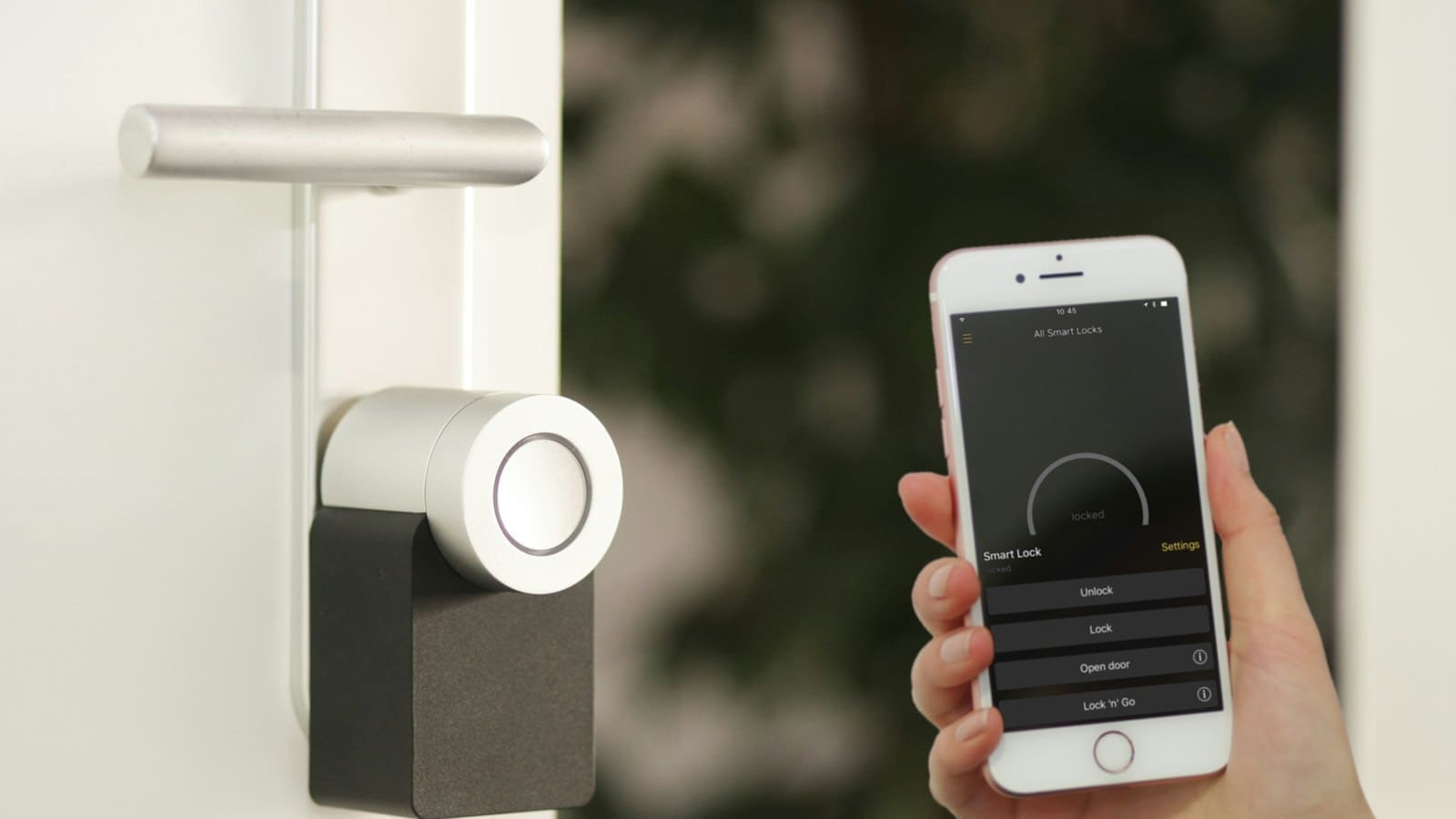
The Linus L2 is Yale's ecosystem-first lock. It communicates over Zigbee, which means it pairs natively with a Yale Smart Hub or a SmartThings hub, and from there integrates with Amazon Alexa and Google Home. It also works with Home Assistant via the Zigbee Home Automation (ZHA) integration or Zigbee2MQTT — a significant advantage for self-hosters who want local control without cloud dependency.
Auto-lock. The Linus L2 can be set to lock automatically after a configurable delay — useful if you regularly leave the house in a hurry. Owner reviews consistently describe the motorised bolt as engaging silently, with a smooth locking action.
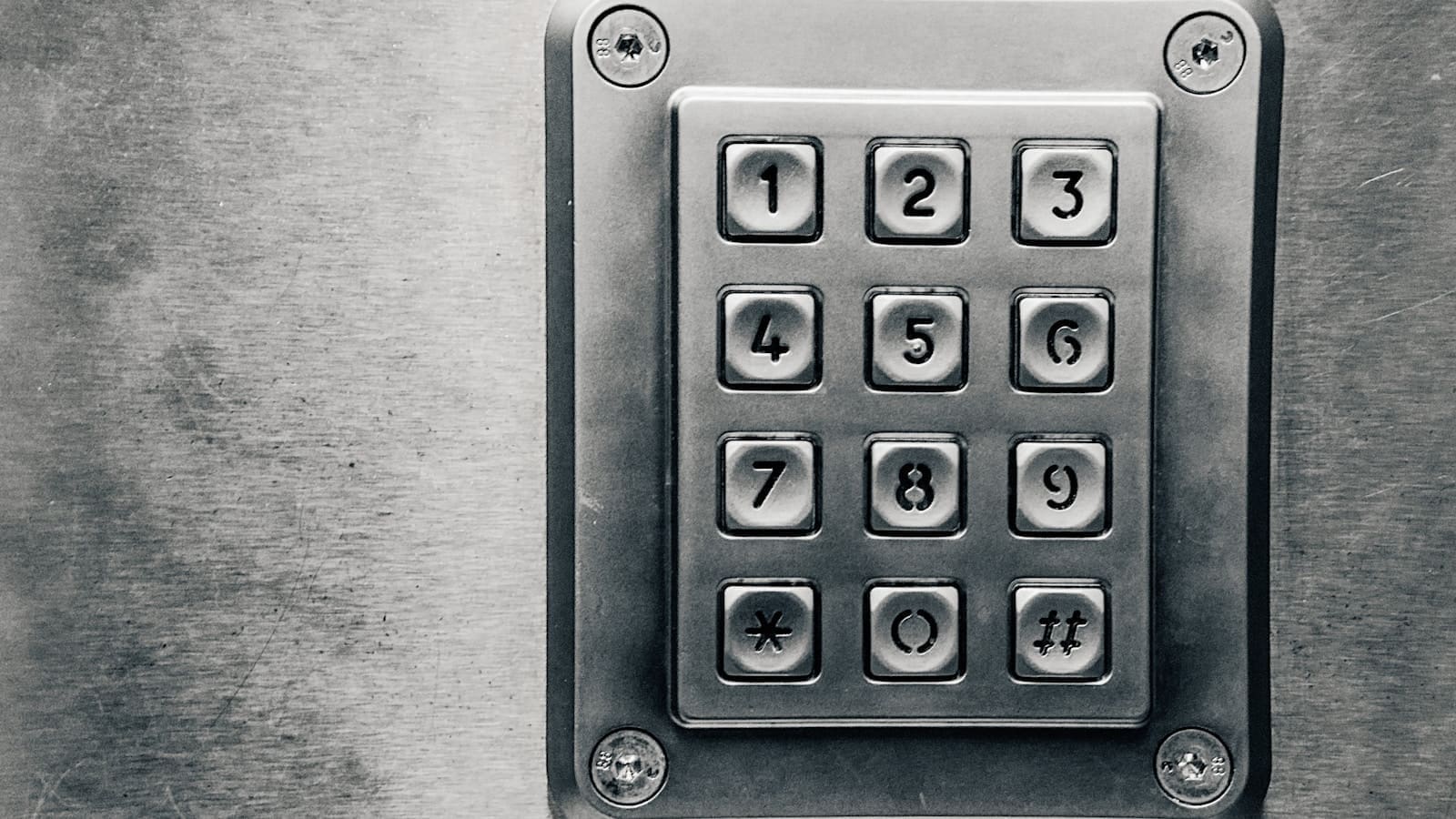
Keypad add-on. Yale sells an optional keypad accessory for the Linus L2 at around £79.99, enabling PIN entry without a phone. This is worth budgeting for if you have family members who do not use the app, or if you want a backup method when a phone battery dies.
Price. The Linus L2 retails at around £199.99 from yale.co.uk and major retailers, though prices vary by retailer and may change with promotions. The Yale Smart Hub, required for remote access and full feature set outside of a SmartThings setup, adds further cost — factor that into the total.
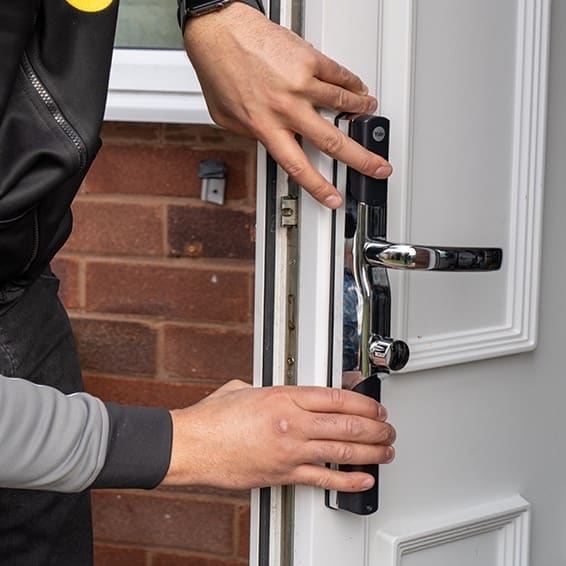
Installation. Fitting takes roughly 20 minutes. You remove the interior thumbturn and replace it with the motorised unit. No drilling is required. Yale supplies a step-by-step guide in the box and the process is straightforward for most standard UK euro-cylinder doors.
Yale Conexis L2
The Conexis L2 takes a different approach: it uses Bluetooth LE for close-range phone unlocking and Z-Wave for home automation integration. It is controlled primarily through the Yale Home app (iOS and Android) and supports Alexa, Google Home, and — with a compatible Z-Wave hub — home automation platforms including Home Assistant via the Z-Wave JS integration.
Physical key fallback. Unlike some smart locks that remove the keyhole entirely, the Conexis L2 retains a traditional key cylinder on the exterior. This gives you a mechanical fallback if the battery runs flat or connectivity fails — a practical consideration given that UK insurance policies may require a keyed lock.
Price. The Conexis L2 retails at around £249.99, making it roughly £50 more than the Linus L2. The premium buys you Z-Wave radio, a polished industrial design available in satin nickel and black, and the physical key backup.
App experience. The Yale Home app is clean and straightforward. You can share digital keys with family or guests and set access schedules. The activity log shows who locked and unlocked the door with timestamps — a feature that is genuinely useful for households with children or regular tradespeople.
Smart Home Compatibility Compared
Choosing between the two models often comes down to your existing ecosystem:
Linus L2 — best for: SmartThings users; Home Assistant users running Zigbee; Alexa or Google Home households that already have a compatible hub. Requires Yale Smart Hub or SmartThings hub for remote access.
Conexis L2 — best for: standalone app users who want simplicity; Z-Wave home automation setups; anyone who values a physical key backup. Remote access works without an extra hub via the Yale Connect Wi-Fi Bridge (sold separately).
For a broader look at how smart locks fit into a layered security setup, read our smart home security tips and our best home security systems guide. If your door is a gate, a glass entrance, or an older surface-mounted rim lock that won't take either Yale model, the Aqara U500 smart lock UK review covers the alternative built for exactly those door types.
Battery Life & Maintenance
Both locks run on four AA batteries. Yale states the Linus L2 delivers up to 12 months of battery life under typical use conditions, and the Conexis L2 is rated similarly. Both send low-battery alerts via the app before you are locked out. In practice, heavy auto-lock use will reduce battery life — plan for a battery change every six to nine months if you use auto-lock frequently.
Security Credentials
Yale is a member of the Sold Secure scheme and both locks carry a Sold Secure Diamond rating — the highest level, indicating resistance to physical attack methods including drilling and picking. The Linus L2 and Conexis L2 are also tested to British Standard BS EN 15684, the European norm for mechatronic cylinders. Always check with your home insurer before installing a smart lock to confirm your policy remains valid.
Verdict
Both Yale smart locks are well-built, credibly secured, and integrate genuinely well with major smart home platforms. The Linus L2 is the stronger choice for Home Assistant and SmartThings users who want Zigbee's local reliability. The Conexis L2 suits those who want a polished standalone experience with Z-Wave flexibility and a physical key backup. Either way, Yale's combination of brand trust, Sold Secure Diamond certification, and broad ecosystem support makes these among the most compelling smart locks available in the UK today.
For further reading: see our guide to best smart locks UK and our best smart keypads roundup, or compare options in our best home security systems UK guide.