Smart Home Assistant

Google Home Outage: Nest Devices Down for 12 Hours

SepehrBy Sepehr· 21 August 2026· Updated 21 August 2026
✓ Independent — no paid placements✓ UK-tested in real homes✓ Cited sources on every guide
Google Home Outage: Nest Devices Down for 12 Hours
On this page[tap to expand]
Buy the picks in this guide

Recommended for Home Automation

See all devices →

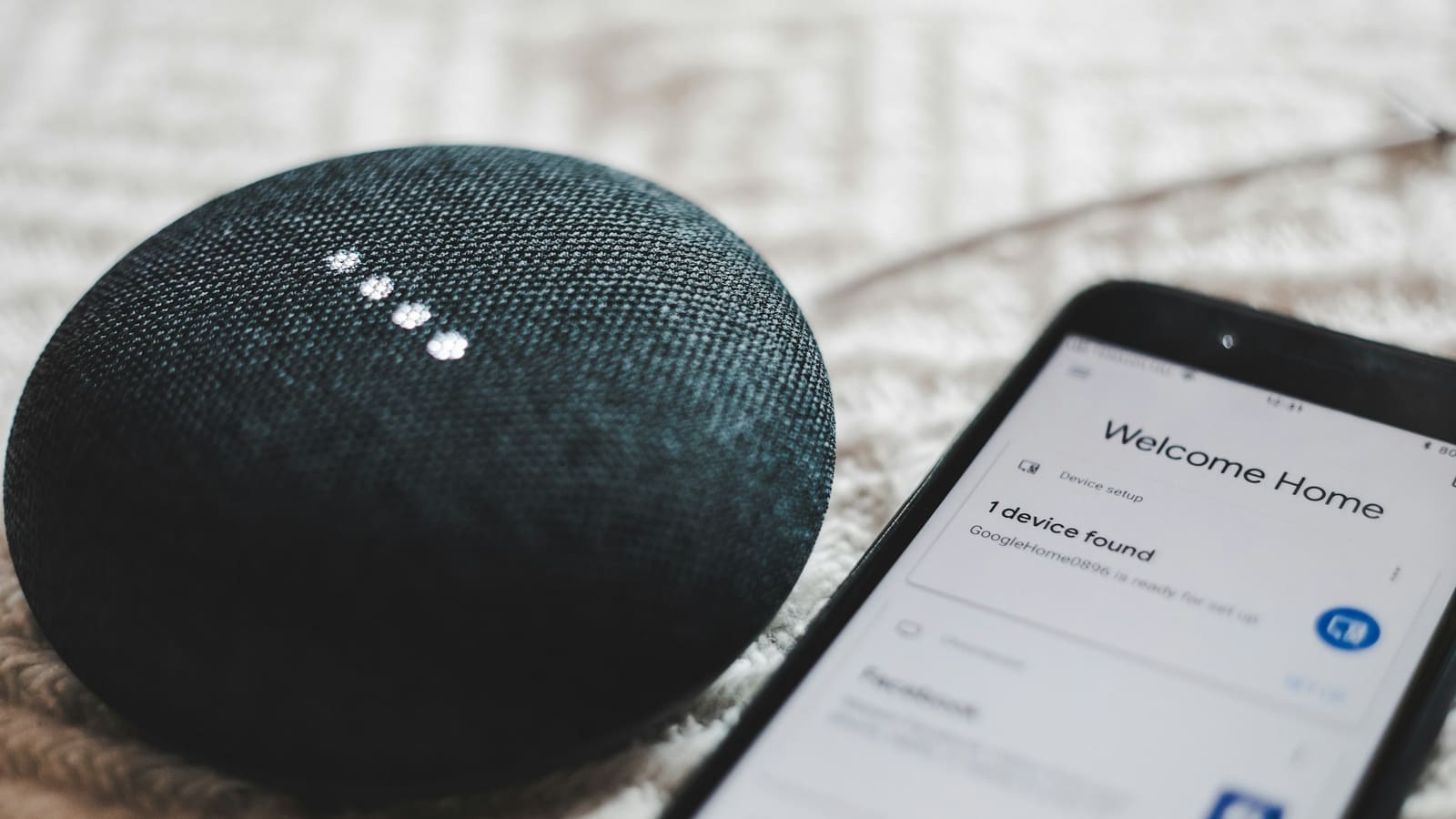
Google Home and Nest devices suffered a widespread outage on 18 August 2026, leaving Nest Hubs, Nest Mini speakers and third-party Google Assistant displays unresponsive for around 12 hours. The fault began at roughly 3:36am ET and wasn't resolved until early afternoon. Voice commands went unanswered, scheduled routines silently failed to run, and some screens got stuck on a loading wheel or a blank white display. Google didn't post to a public status page during the incident and only confirmed the fix afterwards, via a comment on Reddit. Because the symptoms hit multiple device generations and third-party hardware at once, the cause was almost certainly a server-side fault rather than anything wrong with individual devices — and it's a useful reminder that a smart home built entirely on cloud voice assistants only works as well as that company's servers do that day.

What actually happened during the Google Home outage?

Users started reporting problems in the early hours of 18 August 2026, with Nest Hub displays freezing on boot-up screens and Nest Mini speakers ignoring wake-word commands entirely. Reports described smart displays stuck on white screens or spinning loading icons, delayed or missing voice responses, and automations that were supposed to run — like a morning routine turning on lights or reading a weather briefing — simply not firing, with no error or notification to the user. Standard troubleshooting steps like rebooting the device or performing a factory reset didn't help, which is typical of a server-side failure: the hardware was fine, but the cloud service it depends on to process every voice command wasn't responding.

Why did rebooting not fix affected Nest devices?

Rebooting doesn't fix a server-side outage because Google Home and Nest devices are not designed to process most requests locally. A Nest Mini or Nest Hub captures the wake word on-device, then streams the rest of the request to Google's servers for speech recognition, intent parsing and routine execution, before streaming a response back. If that round trip to Google's infrastructure fails, the device has no local fallback to fall back on — it just waits, times out, or shows a loading state indefinitely. That's the structural difference between a cloud-first platform like Google Home or Amazon Alexa and a local-first system like Home Assistant, where core automations (lights, heating schedules, sensor-triggered routines) can keep running entirely on a hub inside your own home, with no dependency on an external server.

How long did the outage last and what did Google say?

The disruption lasted around 12 hours in total, from the early hours of 18 August 2026 until it was resolved in the early afternoon the same day. Google did not maintain a public status page or post proactively on social media while the outage was ongoing, leaving affected users to compare notes on Reddit and forums to confirm it wasn't just their own network. Once devices started recovering, Google confirmed via a Reddit comment: “We resolved an issue impacting various functions across Google Home & Nest devices,” alongside an apology for the disruption. The company has not disclosed a root cause for what triggered the fault.

Is this the first major smart home cloud outage?

No — cloud-dependent smart home platforms have had repeated outages over the past few years, and this is exactly the kind of single point of failure that recurs whenever a whole ecosystem leans on one company's servers. The pattern is always similar: devices that work perfectly on their own local network suddenly can't respond to a voice command or run a scheduled routine, because the actual processing happens off-site. It's part of why interest in local-first platforms has grown, and why Google's own decision to wind down the classic Google Assistant in favour of a cloud-based Gemini-powered replacement has UK smart home owners paying closer attention to what happens to their routines when the company's servers have a bad day.

How can you reduce the risk of a smart home outage?

You can't stop a manufacturer's servers going down, but you can limit how much of your home depends on them. The most effective step is moving critical automations — door locks, heating schedules, security sensors — onto a local hub like Home Assistant, so they keep working on your own network even if a cloud service is unreachable. Keep manual overrides (physical light switches, a thermostat's manual mode) genuinely accessible rather than buried behind an app, and treat any routine you actually rely on, like an unlock schedule or an alarm-linked light, as something you should be able to trigger without a working internet connection at all.
Frequently asked questions

What caused the Google Home and Nest outage on 18 August 2026?
Google has not disclosed a specific root cause. The outage caused Nest Hub displays, Nest Mini speakers and third-party Google Assistant devices to stop responding to voice commands and stop running scheduled routines across many regions simultaneously, which points to a server-side infrastructure fault at Google rather than an issue with individual devices. Standard fixes like rebooting or factory-resetting a device didn't help, which is typical of an outage on the cloud side rather than the hardware side, since the device itself was working normally — it just had nothing to talk to. The disruption lasted around 12 hours, from the early hours of 18 August 2026 until early afternoon the same day, before Google confirmed via a Reddit comment that the issue was resolved. No advance warning or public status page update was issued during the incident.
Do Home Assistant automations keep working if Google Home goes down?
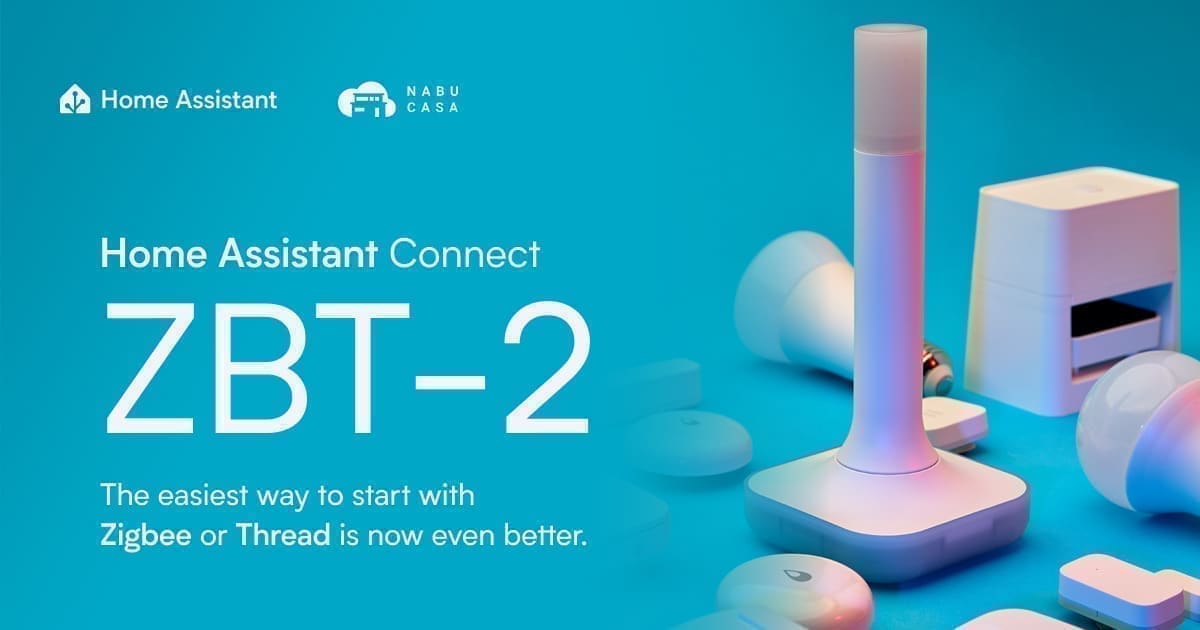
Yes, if they're set up to run locally. Home Assistant automations that use a local integration — for example Zigbee or Z-Wave devices connected through a hub, or Matter-over-Thread devices — continue running entirely on your own network, with no dependency on Google's or any other company's cloud servers. This is the core structural difference from a cloud-first platform: Google Home and Amazon Alexa route almost every voice command and routine execution through their own servers, so an outage there stops your automations too. If you mix in cloud-only integrations (some smart plugs, some doorbells) inside Home Assistant, those specific devices can still be affected by their own manufacturer's outage, but your core local automations keep running regardless.

Sources

Sources verified 2026-08-21

  1. Android Authority — Widespread outage hits Google Home and Nest devices around the world (Update: Fixed)
  2. Android Authority — Last night's big Google Home outage over is officially resolved
  3. 9to5Google — It's not just you, Google's Nest Hubs were hit with an outage late last night
How we researched this

Claims in this article are checked against primary sources — manufacturer specifications, official documentation, Which? research, Ofgem guidance, or gov.uk — rather than forum threads or video reviews. Where the author has direct hands-on experience with a product (most Home Assistant, Zigbee, and home-networking gear is running in his own homelab), that is stated explicitly in the text.

For categories outside that personal setup — such as boilers, heat pumps, and other areas that are traditionally a heating engineer's domain — verdicts are built from cross-referenced manufacturer data, published lab results, and vetted expert and owner reviews rather than a claim of personal hands-on testing. See the editorial policy for the full methodology.

Sepehr

Written by

Sepehr

10+ years hands-on with Home Assistant & networking · Research-backed elsewhere · No brand deals

Smart home specialist with 10+ years running a self-hosted Home Assistant setup — Zigbee2MQTT, Frigate NVR, and local-first automations. Independent coverage for UK homes, no brand deals.

LinkedIn →

Related reading