When exactly does Google Assistant shut down?
Google Assistant becomes unavailable on Android phones, tablets, Wear OS watches, paired headphones and Android Auto (when projected from a phone) starting 4 September 2026. Google has said the removal is staged and "may take a few weeks to reach everyone," so some users will lose access on that exact date and others slightly later. Once it's gone, Google has confirmed there's no way to switch back — Gemini becomes the only built-in assistant option on those devices. One exception: cars with Google built-in (the embedded Android Automotive system, not phone projection) keep Assistant for now, with no confirmed retirement date.
Does this affect Google Home speakers and Nest displays?
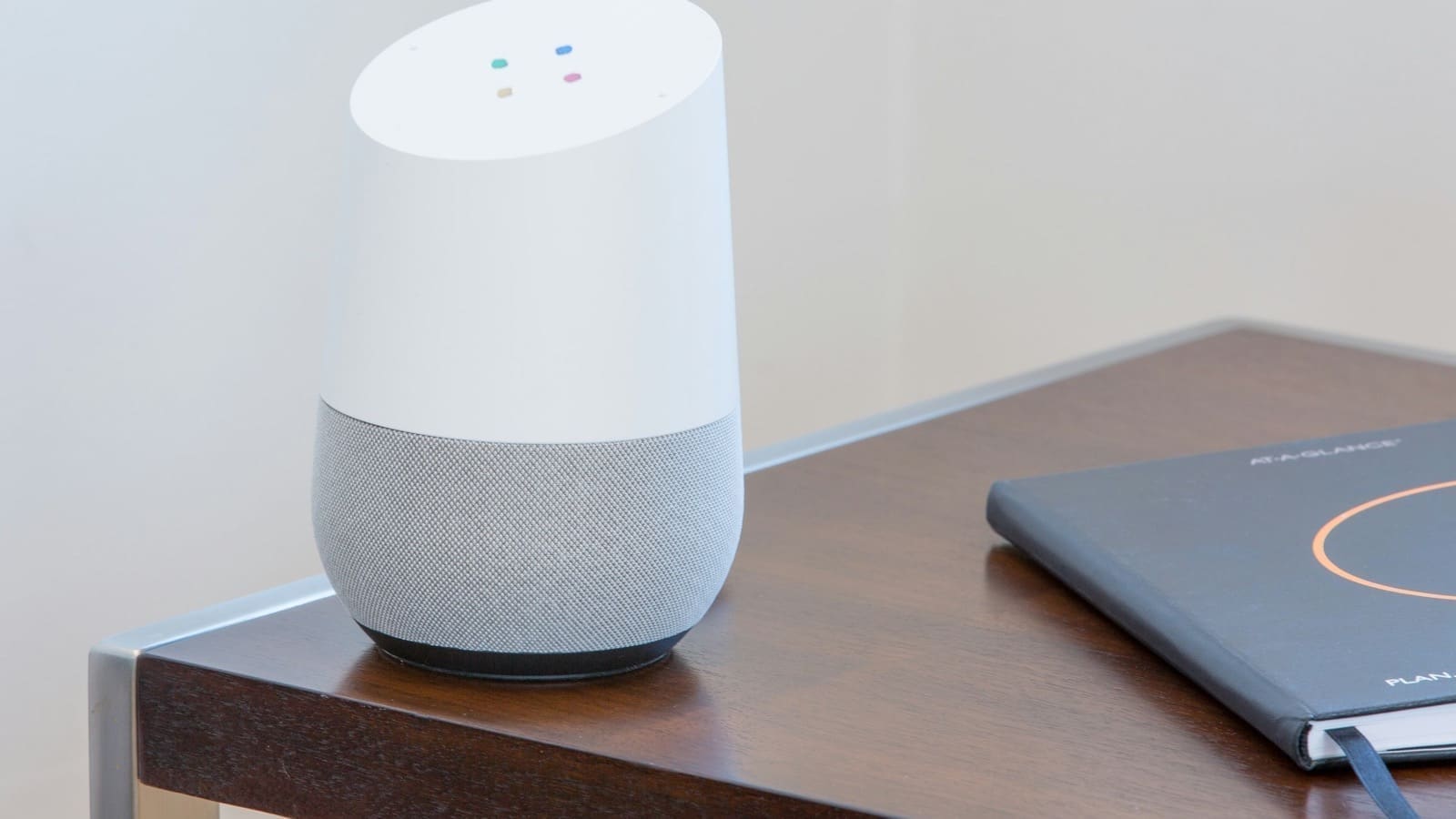
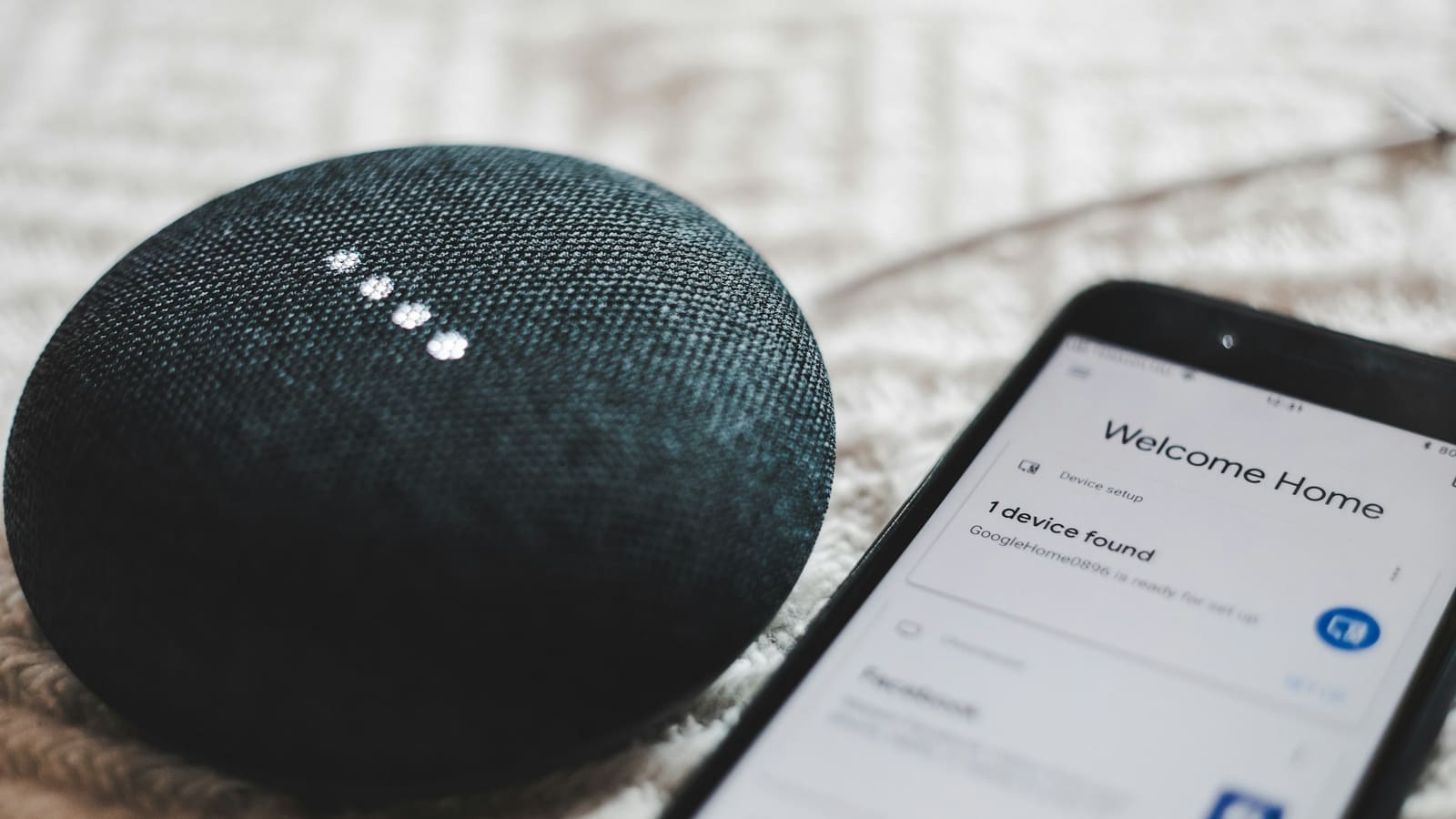
Not on 4 September — Google Home speakers, Nest Hubs, Nest Mini units and other Assistant-enabled displays are not part of this shutdown and continue running Google Assistant as normal. Google is separately rolling out Gemini for Home to smart speakers and displays, but that's a gradual, opt-in-style expansion that started in the US in mid-2025 and reached more countries and languages through 2026 — it is a different project with a different timeline, not tied to the 4 September phone deadline. If your smart home setup leans on voice commands through a Nest Hub on the kitchen counter, that keeps working exactly as it does today.
What happens to my smart home routines?
Existing Google Home automations aren't deleted by the Assistant shutdown. Google moved routines into an "Automations" tab inside the Google Home app back in late 2025, with three trigger types — time and place, device state, and voice command — and Google has stated that automations set up before the change "continue to work as normal without any action on your behalf." The practical risk isn't the automation itself disappearing; it's voice-triggered routines that assumed the old Assistant app on your phone as the trigger point. If a routine only fires from a phone-side Assistant voice command, test it again after your device switches to Gemini, since phrasing and invocation can shift slightly during the handover.
Is my Home Assistant setup affected?
If you use the Home Assistant Google Assistant integration to expose entities for voice control, it isn't tied to the phone app being retired — it connects to Google's Assistant cloud service via Google Home speakers, smart displays and the web, all of which remain functional. What it does depend on is Google's Assistant service continuing to exist at all, and Google's own long-term direction is clearly toward Gemini across every surface eventually, including speakers and displays. There's no forced migration for Home Assistant users today, but it's a reasonable moment to have a fallback in place rather than being caught out by a future Gemini for Home cutover with less notice than this one.
Should I switch to Home Assistant's own voice assistant instead?
For anyone who wants to stop depending on Google's roadmap entirely, Home Assistant's Assist is the built-in alternative — a free, open-source voice pipeline that can run entirely locally with no cloud dependency, built on the same open-source foundations as the Rhasspy project. It won't handle general web search or phone calls the way Gemini or Assistant do, but for pure smart home control — lights, heating, locks, scenes — it's a genuine, privacy-respecting substitute that isn't subject to a vendor deciding to switch it off with a few weeks' notice. It's worth trying on an ESP32-S3-BOX or similar voice satellite alongside your existing setup rather than as a day-one full replacement.
What should I do before 4 September 2026?
Check which of your devices are actually affected — phones, tablets and Wear OS watches lose Assistant; Google Home speakers and Nest displays don't, yet. Re-test any voice routines that trigger from your phone, since Gemini's invocation phrasing differs slightly from Assistant's. Read Gemini's new smart home permissions prompts carefully the first time you open the Google Home app after the switch, as some users report needing to re-grant device access. If you use Home Assistant, no action is required for the integration itself, but it's a sensible trigger to bookmark how Google Home and Gemini fit into a wider smart home setup and to compare it against other platforms if you'd rather not be dependent on a single vendor's assistant strategy. That risk isn't hypothetical: see our report on the Google Home and Nest outage that left devices dark for 12 hours on 18 August 2026. If you're on Google Home speakers or Nest displays specifically, those aren't affected by this date at all — see our breakdown of the separate Gemini for Home update and what it still gets wrong for the early-access rollout covering that hardware.