Smart Home Assistant

Gemini for Home: What's Fixed, What's Still Broken

SepehrBy Sepehr· 3 September 2026· Updated 3 September 2026
✓ Independent — no paid placements✓ UK-tested in real homes✓ Cited sources
Gemini for Home: What's Fixed, What's Still Broken
On this page[tap to expand]
Buy the picks in this guide

Recommended for Home Automation

See all devices →

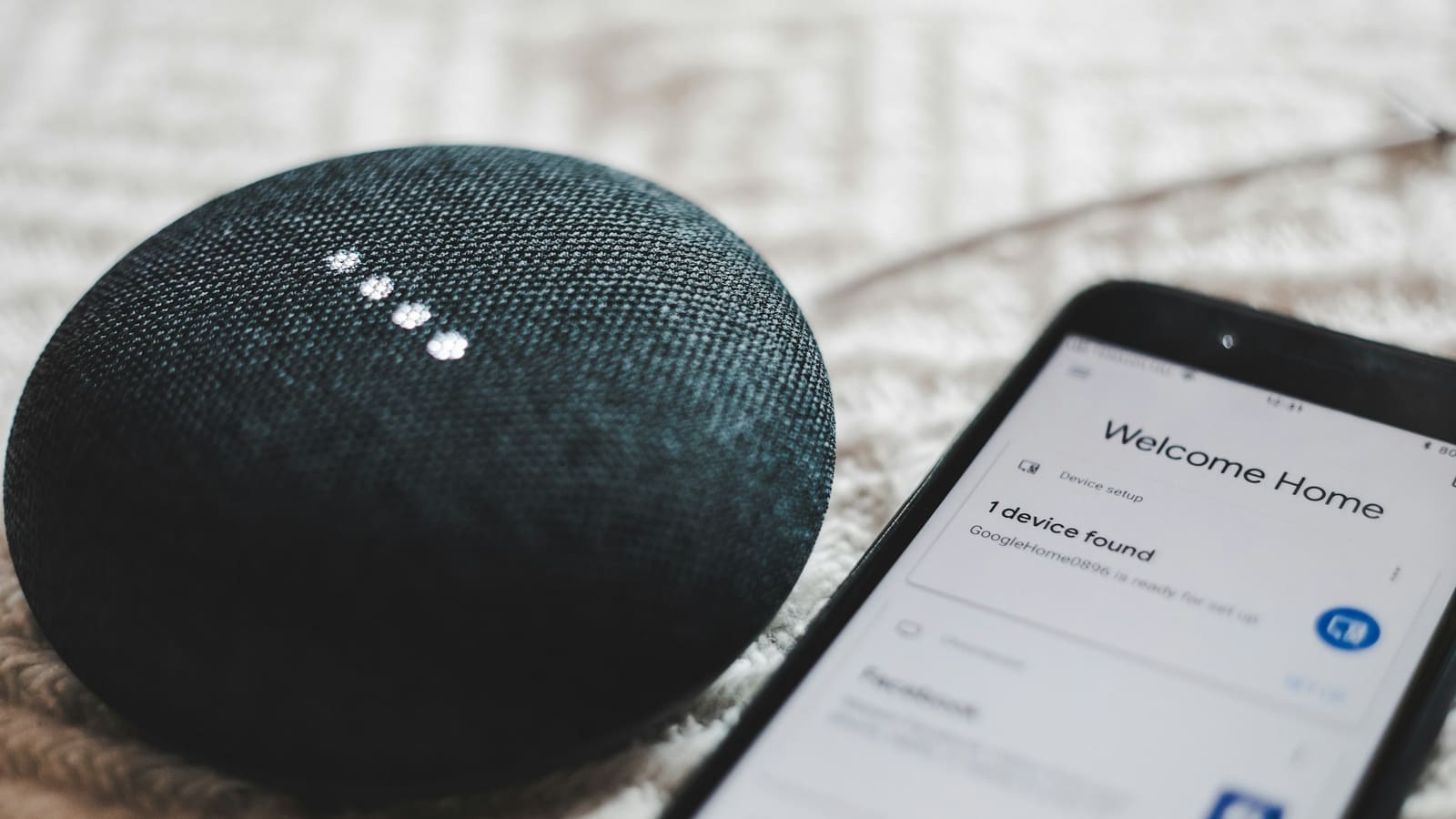
Gemini for Home got a meaningful bug-fix update on 2 September 2026, patching several problems that had frustrated early-access users on Google Home speakers and displays. The update fixes broken alarm and list creation, stops Gemini garbling combined voice commands like "turn off the lights and stop the music", and tidies up the automation editor. The timing is notable: Google is separately retiring the old Google Assistant from Android phones, tablets, Wear OS watches and compatible earbuds from 4 September 2026 — a different, earlier cut-off that doesn't touch Google Home speakers or Nest displays directly, but signals which assistant Google is now betting on everywhere. The fixes are genuine progress for Gemini for Home's early-access rollout, but UK users are still running into gaps the old Assistant never had — missing default app selection, no Interpreter Mode, and a much thinner settings menu. Whether it's worth opting in now depends on how much you lean on those missing features day to day.

What did the 2 September update fix in Gemini for Home?

Google's official Google Home release notes list four fixes dated 2 September 2026. Gemini can now handle combined media-and-device commands in one sentence — such as "skip this song and turn on the backyard lights" — rather than misreading them as a single confused request. Google also says it resolved issues affecting alarm creation and to-do list editing, and corrected a Settings UI bug that had been telling some users Google Keep was no longer supported when it was. Separately, the Google Home app's automation editor now sorts device options alphabetically and respects the visibility settings configured inside third-party partner apps, so automations don't surface devices a user has deliberately hidden elsewhere.

Does the 4 September Google Assistant shutdown affect Google Home speakers?

No — the 4 September 2026 cut-off is specifically for Google Assistant on Android phones, tablets, Wear OS watches, compatible headphones and phone-projected Android Auto. Google Home speakers, Nest smart displays, Google TV and cars with Google built-in are not part of that date; Google has said their move to Gemini is coming on a separate, unconfirmed timeline, and existing Google Assistant on that hardware keeps working for now. We covered the phone/wearable shutdown in detail in our Google Assistant shutdown guide. Gemini for Home, the subject of this update, remains a separate, opt-in early-access rollout for speakers and displays — not something forced on every household by this week's deadline.

What features is Gemini for Home still missing?

Several Assistant-era conveniences haven't made the jump to Gemini for Home yet. There's no equivalent of Assistant's default app selection, so you can't set a preferred music or news service — you have to name the app explicitly in every request, such as saying "Spotify" rather than just "play". There's no "Your people" contact-relationship shortcut (saying "call my wife") and Gemini can't pull addresses from your contacts for navigation-style requests. Interpreter Mode, Assistant's real-time two-way translation feature, is absent from Gemini for Home entirely — Google has moved that functionality into the standalone Google Translate app instead. Quick Phrases, which let you trigger routines without saying "Hey Google" first, still work on Google Home speakers but no longer function on Android phones. And the settings menu itself is noticeably sparser than Assistant's, with several configuration options simply gone rather than relocated.

Should you opt in to Gemini for Home early access now?

If your household relies heavily on alarms, shared lists, or mixed voice commands, the 2 September fixes address exactly the kind of everyday friction that made early access frustrating — it's a reasonable time to opt in. If you depend on Interpreter Mode, default app preferences, or Quick Phrases on Android, be aware those gaps haven't closed yet, and there's no firm date for when they will. Because Gemini for Home on speakers and displays is still opt-in early access rather than a forced switch, you can also simply wait for a future update to close more of the gap before moving over. For a wider look at what Google's ecosystem offers against the alternatives, see our Google Home UK guide and our Home Assistant vs Google Home comparison if you're weighing a move away from Google entirely.

How do I check which Gemini for Home fixes I have?

Open the Google Home app, go to Settings, and check for a pending app or device update — Google rolls these out in stages rather than to everyone simultaneously, so not every early-access household will see the 2 September fixes on the same day. You can confirm your automation editor has the new alphabetical sorting and third-party privacy respect by opening any existing automation and checking the device picker list. If combined voice commands are still returning confused responses after updating, Google's support notes suggest trying the request again after a few seconds, since the underlying model needs a moment to reprocess after a fresh update lands on-device.

Frequently asked questions

What exactly did the September 2026 Gemini for Home update fix?
Google's official Google Home release notes, dated 2 September 2026, list four fixes: Gemini can now correctly handle combined voice commands that mix media and smart home controls, such as 'skip this song and turn on the backyard lights', instead of misreading them; alarm creation and to-do list editing bugs that had been affecting some early-access users were resolved; a Settings UI error incorrectly telling some users that Google Keep was no longer supported was corrected; and the Google Home app's automation editor now sorts device options alphabetically while respecting privacy settings configured inside third-party partner apps. Google rolls updates out in stages, so not every Gemini for Home household will see all four fixes on the same day — check Settings in the Google Home app for a pending update if you haven't noticed the change yet.
Will Google Assistant stop working on my Google Home speaker?
Not on 4 September 2026 — that shutdown date applies to Google Assistant on Android phones, tablets, Wear OS watches, compatible headphones and phone-projected Android Auto, not to Google Home speakers or Nest smart displays. Google has confirmed those devices are moving to Gemini for Home on a separate, unconfirmed timeline, and the classic Google Assistant keeps working on speakers and displays for now unless you've opted into Gemini for Home early access yourself. If you use Google Assistant mainly through your phone to control lights, thermostats or cameras, you will need to switch to Gemini or another app from 4 September. See our full Google Assistant shutdown guide for what to check beforehand.
Does Gemini for Home still have bugs after the September update?
Yes — the September update fixed specific reported issues (alarms, lists, combined commands, automation sorting) but didn't bring Gemini for Home to full feature parity with the old Google Assistant. Users still report a smaller selection of supported third-party 'Connected Apps' than Assistant offered, no way to set default apps for music or news, no Interpreter Mode for real-time translation, and a much sparser settings menu overall. Quick Phrases — trigger commands that skip saying 'Hey Google' — still work on Google Home speakers but have stopped functioning on Android phones. Google continues to ship incremental updates roughly monthly, so some of these gaps are likely to close over time, but there's no published date for when Gemini reaches full parity with Assistant's older feature set.

Sources

Sources verified 2026-09-03

  1. Google — What's new in Google Home
  2. Android Authority — Gemini for Home just fixed one of its strangest limitations
  3. How-To Geek — Google Assistant Is Dying Next Month, But Gemini Is Still Missing These Features
  4. 9to5Google — Google Assistant shutting down on Android and Wear OS in September
How we researched this

Claims in this article are checked against primary sources — manufacturer specifications, official documentation, Which? research, Ofgem guidance, or gov.uk — rather than forum threads or video reviews. Where the author has direct hands-on experience with a product (most Home Assistant, Zigbee, and home-networking gear is running in his own homelab), that is stated explicitly in the text.

For categories outside that personal setup — such as boilers, heat pumps, and other areas that are traditionally a heating engineer's domain — verdicts are built from cross-referenced manufacturer data, published lab results, and vetted expert and owner reviews rather than a claim of personal hands-on testing. See the editorial policy for the full methodology.

Sepehr

Written by

Sepehr

10+ years hands-on with Home Assistant & networking · Research-backed elsewhere · No brand deals

Smart home specialist with 10+ years running a self-hosted Home Assistant setup — Zigbee2MQTT, Frigate NVR, and local-first automations. Independent coverage for UK homes, no brand deals.

LinkedIn →

Citing this page? Please use a dofollow link back to the original article — it helps us keep the data on this page accurate and up to date.

Related reading