
Smart Home Assistant

SmartThings API Fee and Home Assistant: What the $4.99 Plan Means

SepehrBy Sepehr· 9 October 2026· Updated 9 October 2026
✓ Independent — no paid placements✓ UK-tested in real homes✓ Cited sources
Bright white kitchen with island, bar stools, stainless steel fridge, microwave and range cooker under recessed lighting

Key takeaways

  • Samsung's SmartThings API moves to paid access in October 2026, with a $4.99 a month Personal Plan for non-commercial users.
  • Home Assistant's SmartThings integration is cloud-based, so it falls under the paid API and its docs now say so.
  • The fee applies to API access only; the SmartThings app and Developer Center device integrations stay free.
  • Local Zigbee and Z-Wave devices paired to SmartThings can be re-paired to Home Assistant to avoid the fee.
  • Samsung has not published open-source exemptions, enforcement details, commercial pricing or a UK price in pounds.
On this page[tap to expand]

The SmartThings API fee for Home Assistant users is real: Samsung is ending free API access in October 2026 and replacing it with a $4.99-a-month Personal Plan for non-commercial use. Home Assistant's SmartThings integration runs on that API, so it will need the plan or a different route.

What has changed with the SmartThings API?

Samsung announced that free programmatic access to the SmartThings API is being phased out, with paid tiers taking effect from October 2026. Free access continued through the end of September. Non-commercial individual developers get a Personal Plan at $4.99 a month, and commercial tiers are planned too, though Samsung has not published their pricing or quotas (Hackaday).

Samsung's stated reason, in a 1 July 2026 response reported by Matter Alpha, was that a sustainable free tier would need limits tight enough to break the always-on automations individual developers value most. Samsung says the SmartThings app and building device integrations in the Developer Center remain free. Only programmatic API access is affected (Matter Alpha).

ItemWhat is known
Personal Plan price$4.99 per month, non-commercial individual use
Free accessRan through the end of September 2026
Paid tiers startOctober 2026
Commercial tiersPlanned; pricing and quotas not published
SmartThings appUnaffected
Open-source exemptionNot detailed by Samsung
UK price in poundsNot published; only a dollar price is quoted

Why does the SmartThings API fee matter for Home Assistant users?

It matters because Home Assistant's official SmartThings integration is entirely cloud-based: it signs in with your Samsung account and talks to Samsung's servers. Home Assistant's own integration page now states that API access will need a paid Personal Plan after the free period (Home Assistant docs).

Matter Alpha estimated around 200,000 Home Assistant installations use the integration, though that is a third-party figure rather than an official one. Any Samsung fridge, washer, oven, TV or robot vacuum you control from Home Assistant through SmartThings falls under the same rule, as does any third-party device paired to a SmartThings hub.

The fee is per account rather than per device, so a household with many Samsung appliances pays the same $4.99 as one with a single plug. The real cost is that a previously free integration now has a recurring bill and a dependency on Samsung's pricing staying put. What it does not do is switch off your devices or the SmartThings app.

Can you avoid paying the SmartThings API fee?

Partly. The cleanest way out is to stop routing devices through SmartThings at all. Local Zigbee and Z-Wave devices that are paired to SmartThings can be re-paired directly to Home Assistant, which Home Assistant's docs suggest as a way to avoid the paid plan. Our Home Assistant vs SmartThings comparison covers how the two platforms differ.

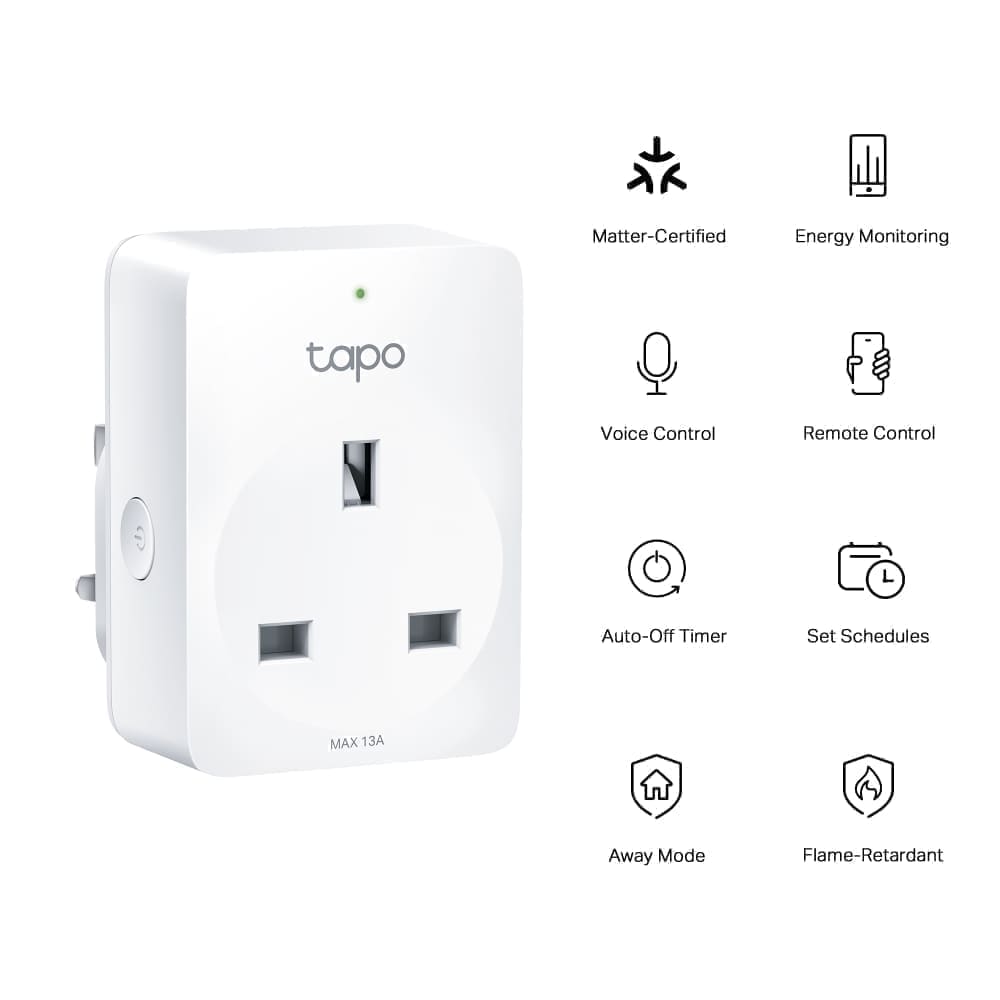
Samsung appliances are harder. Matter Alpha notes that Samsung appliances support Matter but cannot be commissioned straight into Home Assistant, because SmartThings remains the required Matter controller. For those, the options are paying the fee, switching to simpler workarounds such as an energy-monitoring smart plug to detect when a machine finishes, or leaving the appliance in the Samsung app only.

If you use the Home Assistant Matter bridge, note that it exports Home Assistant entities outward to other ecosystems and does not change how Home Assistant reaches Samsung's cloud.

What we do not know yet

Samsung has not detailed how it will enforce the paywall, whether open-source projects such as Home Assistant could get an exemption, or what the fees will fund. There is also no confirmed UK price in pounds, and we have not seen Home Assistant publish a changelog entry describing a new sign-in flow for the Personal Plan. Treat any claim about the exact cut-off date for individual accounts as unconfirmed until Samsung or Home Assistant states it.

Should you pay for the plan or leave SmartThings?

Pay if the integration controls Samsung appliances you cannot reach any other way and $4.99 a month (roughly £4 at current exchange rates, before any card fees) is worth the automations. Leave if SmartThings is only a bridge for lights, plugs or sensors: those can move to Zigbee, Z-Wave or Matter and run locally with no subscription.

If you are weighing the platform as a whole, read our Samsung SmartThings review first. We will update this article once Samsung publishes enforcement details or Home Assistant changes the integration.
Buy the picks in this guide

Recommended for Home Automation

See all devices →

Frequently asked questions

How much is the SmartThings API fee for Home Assistant?
The SmartThings API fee for Home Assistant users is $4.99 a month on Samsung's Personal Plan, which is aimed at non-commercial individual developers. Home Assistant's SmartThings integration relies on Samsung's API, so anyone using it will need that plan once paid tiers take effect in October 2026. Samsung has only quoted a dollar price, so the pound cost will vary with the exchange rate and any card fees; at current rates it is roughly £4 a month, which is our estimate rather than a Samsung figure. The charge is per account, not per device, so one subscription should cover all the Samsung appliances and SmartThings devices you control. Samsung has not published details on enforcement, so check the Home Assistant integration page for updates.
Does Home Assistant still work with SmartThings after the API fee?
Home Assistant's SmartThings integration is expected to keep working, but it will depend on Samsung's paid API access once the free period ends in October 2026. The integration signs in with your Samsung account and uses Samsung's cloud, so the plan is what keeps that connection authorised. Nothing in the announcement says devices stop working in the SmartThings app, which stays free. What remains unclear is exactly when Samsung will start enforcing the paywall for individual accounts, and whether Home Assistant will change its sign-in flow to support the Personal Plan. If you would rather not pay, devices that use local protocols such as Zigbee or Z-Wave can be moved to Home Assistant directly, which removes the dependency on Samsung's cloud for those devices.
Can I use Samsung appliances in Home Assistant without paying?
Not easily. Samsung appliances such as fridges, washers and ovens are controlled through SmartThings, and Home Assistant reaches them via Samsung's API, which is becoming paid. Although many Samsung appliances support Matter, reporting from Matter Alpha says they cannot be commissioned directly into Home Assistant because SmartThings remains the required Matter controller. That leaves three realistic options: pay the $4.99 monthly plan, use a workaround such as an energy-monitoring smart plug to detect when a cycle finishes, or keep the appliance in the Samsung app and out of Home Assistant. Which is best depends on how many automations you actually rely on. For a single washing machine notification, a smart plug is often the cheaper, more reliable answer.

Sources

Sources verified 2026-10-09

  1. Hackaday — Samsung's SmartThings API Terminates Free Access
  2. Matter Alpha — Samsung puts a $5 paywall on Home Assistant integration, monthly
  3. Home Assistant — SmartThings integration
›How we researched this

Claims in this article are checked against primary sources — manufacturer specifications, official documentation, Which? research, Ofgem guidance, or gov.uk — rather than forum threads or video reviews. Where the author has direct hands-on experience with a product (most Home Assistant, Zigbee, and home-networking gear is running in his own homelab), that is stated explicitly in the text.

For categories outside that personal setup — such as boilers, heat pumps, and other areas that are traditionally a heating engineer's domain — verdicts are built from cross-referenced manufacturer data, published lab results, and vetted expert and owner reviews rather than a claim of personal hands-on testing. See the editorial policy for the full methodology.

Sepehr

Written by

Sepehr

10+ years hands-on with Home Assistant & networking · Research-backed elsewhere · No brand deals

Smart home specialist with 10+ years running a self-hosted Home Assistant setup — Zigbee2MQTT, Frigate NVR, and local-first automations. Independent coverage for UK homes, no brand deals.

LinkedIn →

Citing this page? Please use a dofollow link back to the original article — it helps us keep the data on this page accurate and up to date.

Related reading