At a Glance: Platforms Compared
| Platform | Cost | Processing | Compatible Devices | Best For |
|---|---|---|---|---|
| Home Assistant | Free (hardware from ~£35) | Local | 3,000+ integrations | Power users, privacy-first |
| Google Home | Free | Cloud | 50,000+ devices | Voice-first households |
| Amazon Alexa | Free | Cloud | Wide UK device support | Echo ecosystem users |
| Apple HomeKit | Free (hub from £149) | Local + Cloud | Limited but growing | iPhone/iPad users |
| SmartThings | Free (Hub ~£79.99) | Cloud + some local | 100+ device brands | Samsung households |
How we chose these platforms
We compared local vs cloud processing, device and integration breadth, ongoing cost, and how well each platform is supported for UK devices and retailers, then weighted long-term platform stability and privacy since a smart home platform is a multi-year commitment. We excluded platforms with no meaningful UK device ecosystem or that have been discontinued.
Best smart home platforms for UK homes in 2026
1. Home Assistant — best overall for power users
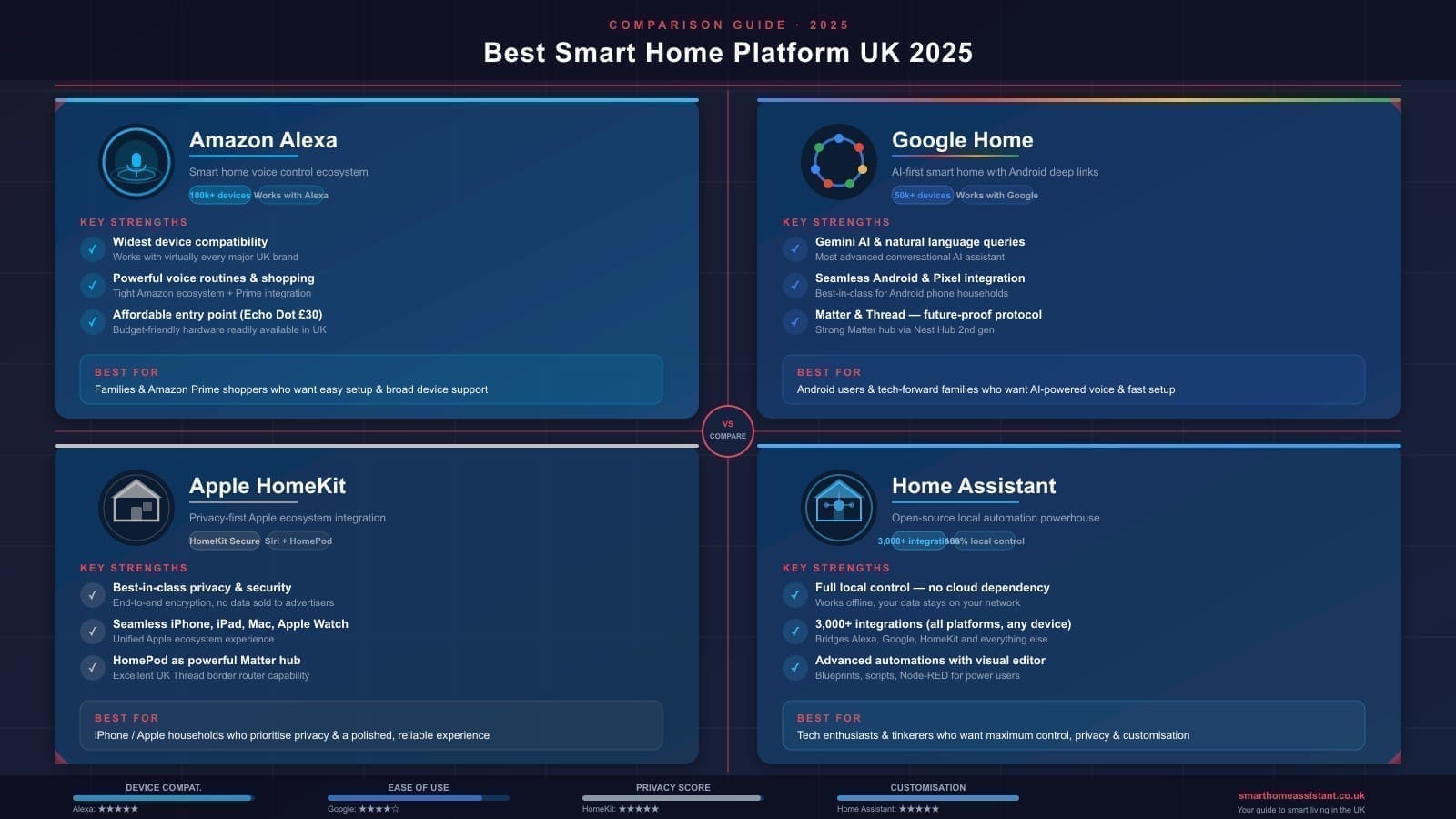
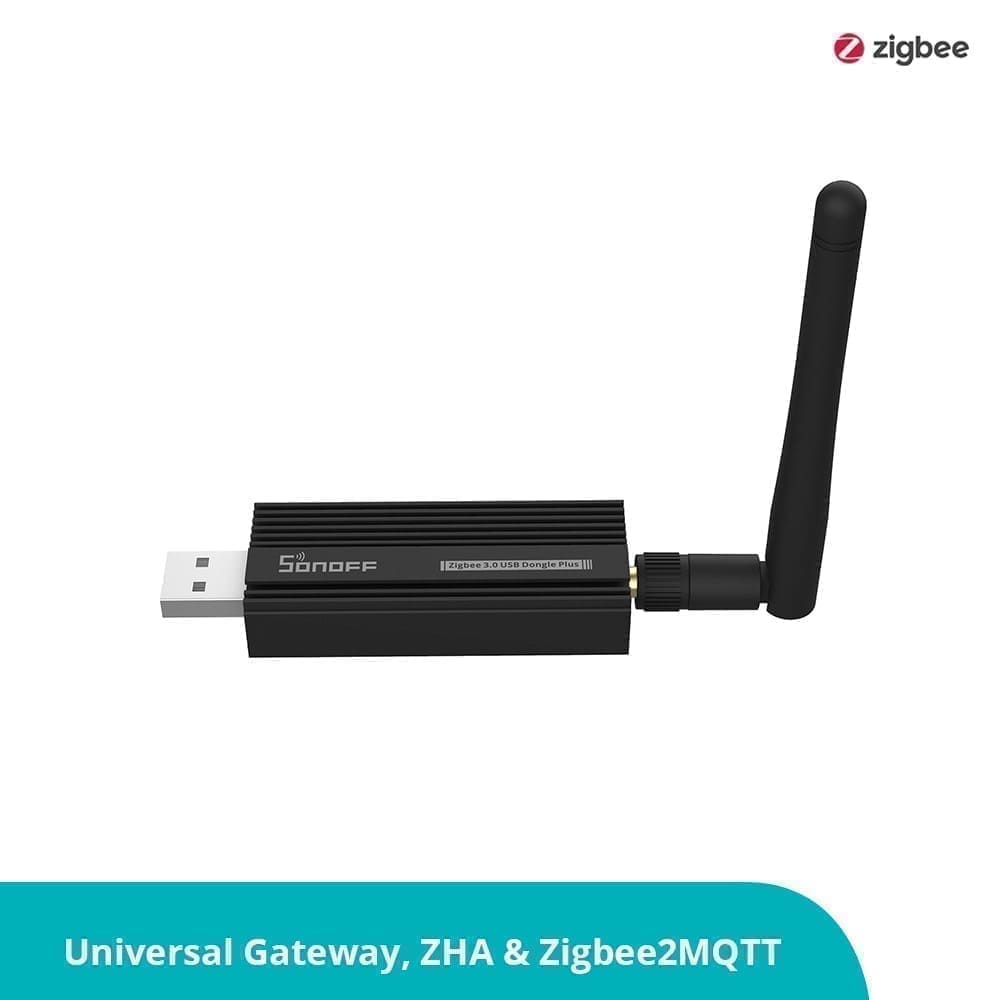
Home Assistant is the open-source platform that puts every other option in the shade when it comes to flexibility. It runs locally on your own hardware — a Raspberry Pi, a dedicated Home Assistant Green box, or any Linux server — which means automations fire in milliseconds and your data never leaves the house. With more than 3,000 official integrations, it connects to virtually every smart device on the UK market, including Zigbee bulbs, Z-Wave locks, Nest thermostats, and even bespoke DIY sensors via MQTT.
The community numbers more than 500,000 active users, so help is rarely more than a forum post away. The trade-off is a steeper learning curve than any cloud platform: initial setup takes time, and complex automations require some patience. If you want to go further, our Home Assistant UK setup guide walks through installation step by step, and the automations guide covers everything from simple triggers to multi-condition scripts.
Pros: free software; local processing; unmatched integration library; no subscription fees; Thread and Matter ready.
Cons: hardware cost; steep initial learning curve; you manage your own updates and backups.
2. Google Home — best for voice-first households
Google Home is the natural choice for households already embedded in Google's ecosystem — Android phones, Chromecast TVs, and Google Nest speakers. The platform is free to use and supports more than 50,000 compatible devices, making it one of the broadest ecosystems available. Setup is genuinely plug-and-play: tap the Home app, scan a QR code, and your device is live within minutes.
The biggest limitation is that Google Home is entirely cloud-dependent. Every command — even switching a light in the next room — routes through Google's servers. That means a broadband outage takes your automations with it. There is no local automation engine. Google has also historically sunset integrations and features without much notice, which is a risk for long-term planning.
Pros: free; excellent voice recognition; works with most UK smart devices; easy setup.
Cons: cloud-only (no offline operation); limited automation depth compared to Home Assistant; privacy trade-off.
3. Amazon Alexa — best for Echo ecosystem users
Amazon Alexa remains the most widely deployed voice assistant in UK homes, powered by the Echo speaker range. The platform is free and the UK device library is extensive — from smart plugs and bulbs to heating controls, security cameras, and smart locks. Routines let you chain actions together (saying "Alexa, goodnight" dims lights, locks the door, and sets the thermostat), and the third-party Skills library extends functionality considerably.
Like Google Home, Alexa is cloud-based, so offline reliability is limited. Amazon has reduced the ambition of its local processing rollout, and the platform's future direction has been uncertain following rounds of restructuring within Amazon's devices division. For Echo households that want basic automation without technical complexity, Alexa remains highly practical — but it is not a platform to build a whole smart home ecosystem around if long-term stability matters.
Pros: free; widest UK Echo device range; strong third-party integrations; simple Routines.
Cons: cloud-only; limited automation logic; uncertain long-term platform investment from Amazon.
4. Apple HomeKit — best for Apple users
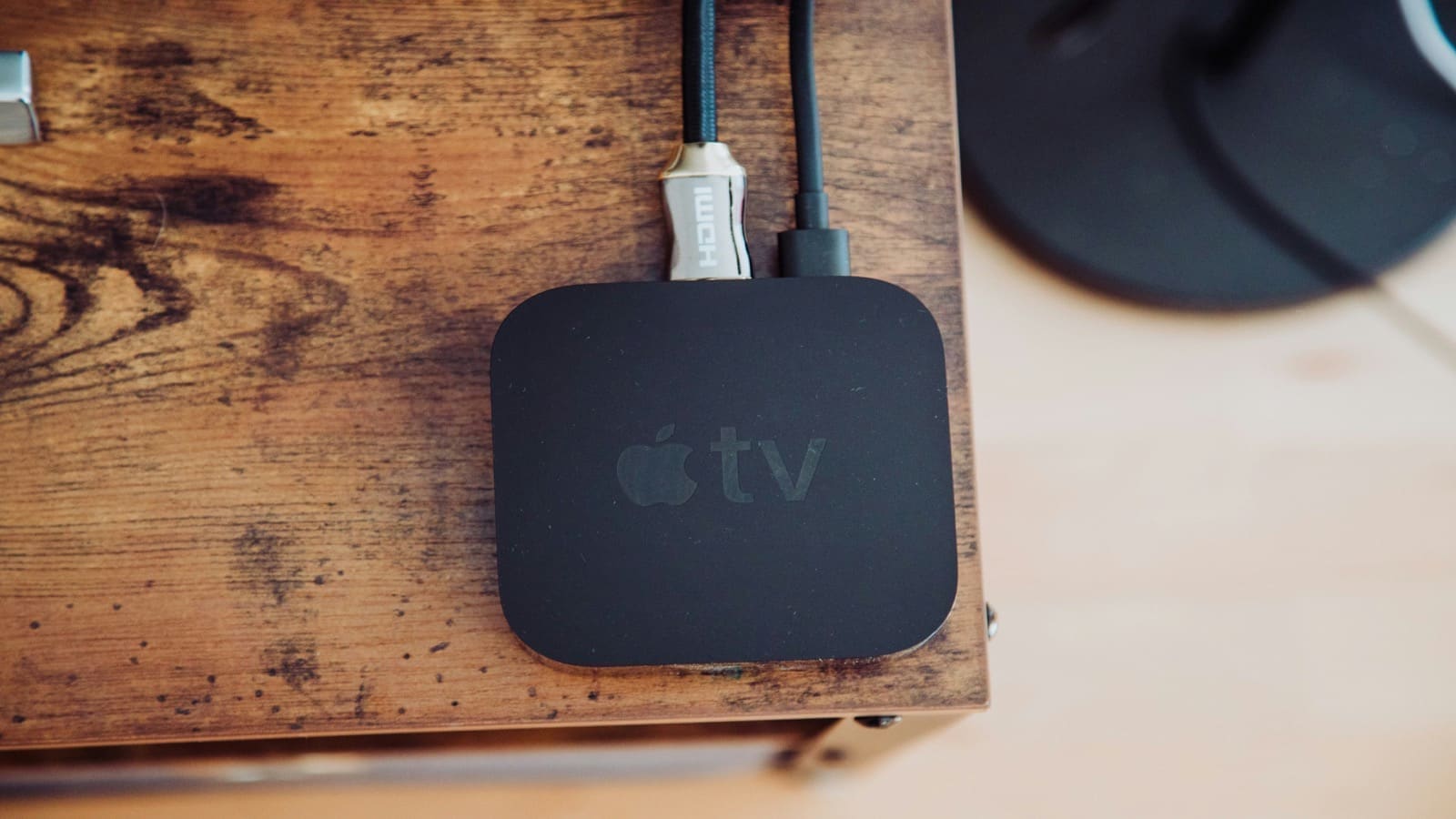
Apple HomeKit is the privacy-first choice for households that are already invested in Apple hardware. All automations run locally through a HomeKit hub — either a HomePod (from around £299), a HomePod mini (from around £99), or an Apple TV 4K (from around £149) — which means the system works without an internet connection once set up. Apple's end-to-end encryption model means device data stays on your home network rather than passing through a manufacturer's cloud.
The ecosystem is smaller than Google or Amazon — HomeKit certification requires manufacturers to meet strict standards, which limits the device catalogue compared to rivals. However, the addition of Thread and Matter support means the compatible device list is growing steadily. If you want to understand how Matter fits into the UK smart home landscape, our Matter setup guide covers the protocol in detail, and our Matter vs Zigbee vs Z-Wave comparison explains which wireless standard suits your setup.
Pros: local processing via hub; strong privacy model; Thread/Matter support; polished iOS/macOS app.
Cons: requires a hub device (additional cost); smaller device ecosystem; Android users are excluded.
5. SmartThings — best for Samsung households
SmartThings, owned by Samsung, sits in the mid-ground between the simplicity of Google Home and the depth of Home Assistant. The SmartThings Hub (version 3, around £79.99) supports Zigbee, Z-Wave, and Wi-Fi devices out of the box, giving it genuinely broad hardware compatibility. The platform integrates natively with Samsung smart TVs, Family Hub fridges, and BESPOKE appliances, which makes it an obvious choice for Samsung households.
Automation is handled through the SmartThings app with a rules-based interface that is more capable than Google Home but less powerful than Home Assistant. Samsung has migrated SmartThings through several architectural changes over the years, and some older automations have broken during transitions — worth bearing in mind for complex setups. Edge drivers now enable some local processing for supported devices, reducing cloud dependency.
Pros: Zigbee + Z-Wave hub built in; Samsung appliance integration; good out-of-box experience; growing local processing.
Cons: Samsung-centric; platform has seen significant changes over the years; less powerful automation than Home Assistant.
Who should skip a dedicated smart home platform?
If you only own one or two smart plugs or bulbs and control them fine from the manufacturer's own app, adding a platform on top is extra complexity for little benefit — wait until you have several devices from different brands before you need one to tie them together.
Which Platform Should You Choose?
The right answer depends on three things: how much control you want, how much tinkering you are comfortable with, and which devices you already own.
- Want full control and local privacy? Choose Home Assistant. Read our smart home starter guide and our best smart home hub guide to pick the right hardware.
- Primarily voice-controlled, no tinkering? Google Home or Alexa, depending on which speaker range you already own.
- Deep in the Apple ecosystem? HomeKit with a HomePod mini hub is the obvious path.
- Samsung household with a mixed device mix? SmartThings offers the best Samsung-native integration with solid cross-brand support.
All five platforms now support Matter, which means devices are increasingly cross-compatible. You are no longer locked into a single ecosystem as rigidly as you once were — but your primary platform still determines the depth of automation and reliability you can achieve.
Related: Home Assistant UK setup guide, Apple HomeKit vs Google Home UK, and Matter devices UK guide.