What counts as a budget smart speaker?
For this guide, budget means under £100 at standard retail price — covering the sweet spot where voice assistants, streaming, and smart home integration are all accessible without spending on premium audio hardware. The picks below range from around £40 to £99, with the lower end hitting new lows during Amazon and Google sales events. If you don't need a voice assistant and just want the best-sounding speaker for the money, see our best wireless speakers UK guide, which includes non-assistant Bluetooth picks from £40.
Our top picks
1. Amazon Echo Dot (5th Gen) — Best overall
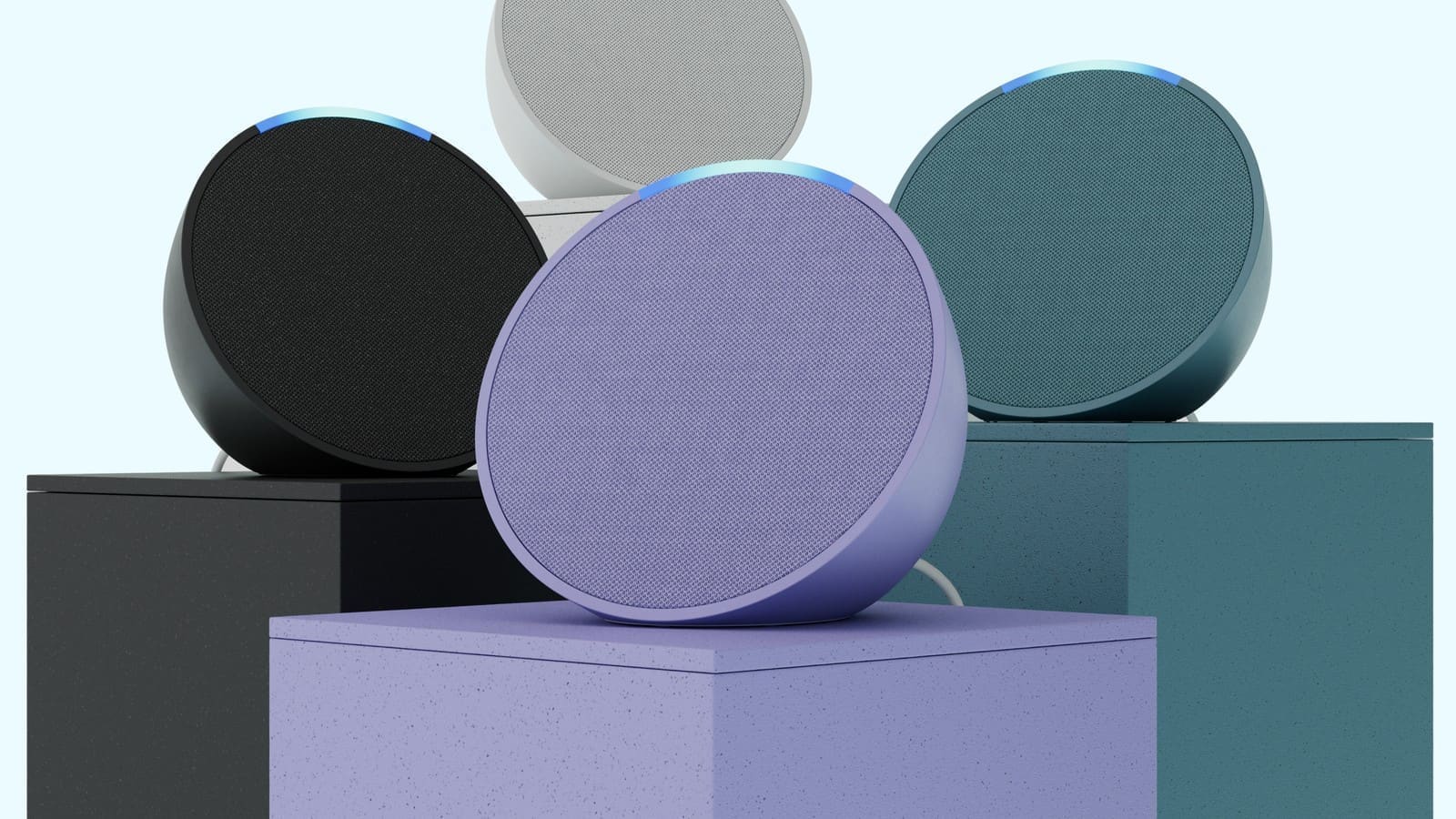
From around £37 to £55, prices vary by retailer. The Echo Dot remains the easiest recommendation for most UK buyers in 2026. Amazon's 5th-generation Dot carries a redesigned 44mm front-firing speaker that delivers noticeably cleaner output than its predecessor — reviewers highlight clearer vocals and deeper bass compared to the 4th Gen model. A built-in temperature sensor lets Alexa report the room's ambient temperature, and a new tap-to-pause gesture means you can silence a timer without raising your voice. The spherical design comes in Charcoal, Glacier White, and Deep Sea Blue, and the device supports Zigbee, Sidewalk, and Matter out of the box when paired with an Echo hub. For households already using Alexa, it is the most versatile addition at this price point.
The Echo Dot also benefits from Alexa+ at no extra cost for Amazon Prime members — Amazon's upgraded AI assistant that handles more conversational requests and can take multi-step actions such as creating shopping lists, setting up routines, and controlling compatible smart home devices across brands.
2. Amazon Echo Pop — Best entry-level pick
From around £38 to £45, prices vary by retailer. The Echo Pop is Amazon's smallest and most affordable current speaker, aimed at secondary rooms, hallways, or children's bedrooms. Its semi-circular design sits flat against a wall and takes up minimal shelf space. Sound quality is solid for its size — suitable for casual listening, radio, and voice queries — though it lacks the temperature sensor and extra microphone found on the Echo Dot, and audio can become muddier at higher volumes. For buyers who simply want basic Alexa functionality in a compact form factor, it does the job well. Independent reviews suggest that for only a small premium the Echo Dot delivers meaningfully better performance, so the Pop is best suited to scenarios where size or aesthetics are the deciding factor.
3. Google Home Speaker (2026) — Best for Google households
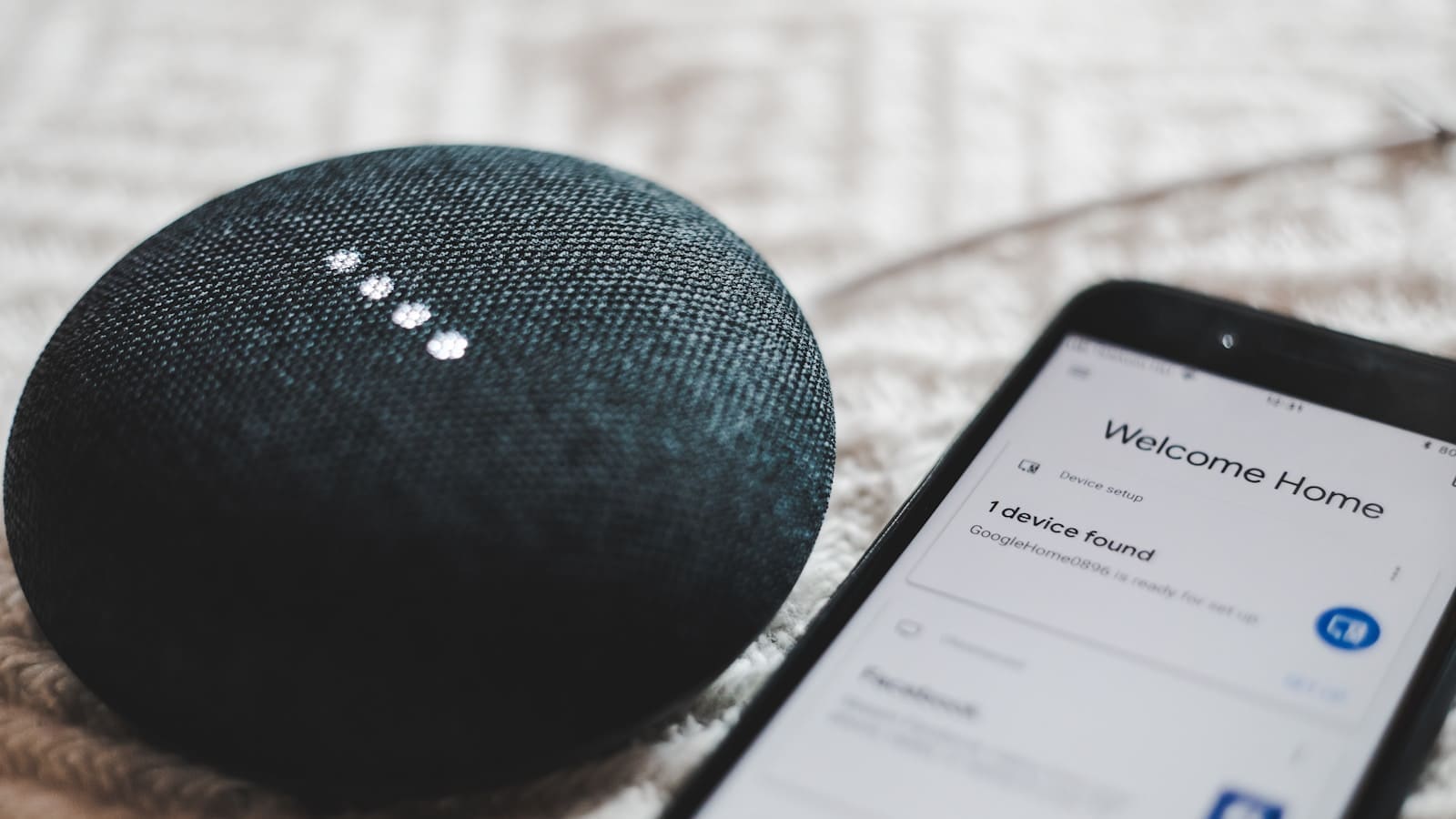
£99, prices vary by retailer. Announced in June 2026, the new Google Home Speaker is Google's first dedicated smart speaker in six years, replacing the discontinued Nest Mini and Nest Audio. At £99 it sits at the top of the budget bracket, but the hardware justifies the price: a 58mm driver delivers 360-degree sound with what Google claims is 2.5 times stronger bass than the Nest Mini, backed by Wi-Fi 6, Bluetooth 5.4, and a Thread 1.3 border router chip. A quad-core 2.0 GHz processor with a dedicated NPU handles on-device Gemini AI processing, enabling more natural conversational queries and faster local responses. UK availability launches 25 June 2026 in Porcelain and Hazel colourways, with six months of Google Home Premium included with purchase. Advanced Gemini features — including Gemini Live and Sound Detection — require a paid Google Home Premium subscription after the trial ends. For anyone embedded in the Google ecosystem with Chromecast, Google TV, or Android devices, this is the most compelling sub-£100 choice.
4. Apple HomePod mini — Best for Apple households
£99, prices vary by retailer. The HomePod mini remains Apple's entry point into smart speakers and is positioned squarely for iPhone and iPad households. It supports AirPlay 2 for multi-room audio, integrates with HomeKit for device control, and delivers 360-degree audio from a single full-range driver with dual passive radiators. Siri handles voice requests, though its smart home scope is limited to HomeKit-certified devices — a narrower ecosystem than Alexa or Google Assistant. The HomePod mini works particularly well as a stereo pair and as a home hub for Matter and Thread devices. If your household is Apple-first, it is the natural choice at this price; for mixed or Android households, the Echo Dot or Google Home Speaker will be more useful day-to-day.
How to choose
Voice assistant ecosystem
Alexa, Google Assistant, or Siri? Your existing smart home ecosystem should drive this decision more than any other factor. If you already control lights, plugs, or a thermostat through Alexa routines, adding an Echo Dot or Echo Pop keeps everything in one place. Google Assistant integrates natively with Android phones, Google TV, and Chromecast devices. Apple's Siri and HomeKit work best when the majority of your devices carry the Matter or HomeKit badge. Mixing ecosystems is possible but adds friction — pick the assistant you will actually use every day.
Sound quality expectations
Budget speakers are designed for casual use, not critical listening. All four options handle music, podcasts, radio streams, and voice playback comfortably in small to medium rooms. The Google Home Speaker and Echo Dot lead on audio performance in this bracket; the Echo Pop and HomePod mini are better suited to background listening. If music quality is your primary concern, stepping up to a mid-range option — such as the Echo (4th Gen) or the Sonos Era 100 — will make a clear difference.
Smart home integration
All four speakers act as smart home controllers via their respective apps. The Echo Dot and Echo Pop have the broadest device compatibility thanks to Alexa's large skill library and Matter support. The Google Home Speaker adds a Thread border router, making it a useful hub for low-latency Thread devices. The HomePod mini also hosts a Thread border router and doubles as a HomeKit home hub. If you are running a Home Assistant setup alongside a commercial assistant, the Echo Dot's Matter and Zigbee compatibility (via an Echo hub) gives the most flexibility for local automations.
Where to buy
All four speakers are available from Amazon UK, Currys, Argos, John Lewis, and Apple's own stores. Amazon regularly discounts Echo devices during Prime Day, Black Friday, and seasonal sale events — prices can drop significantly below the standard retail figure. Google's new Home Speaker launched on 25 June 2026 and is available direct from the Google Store as well as third-party retailers.