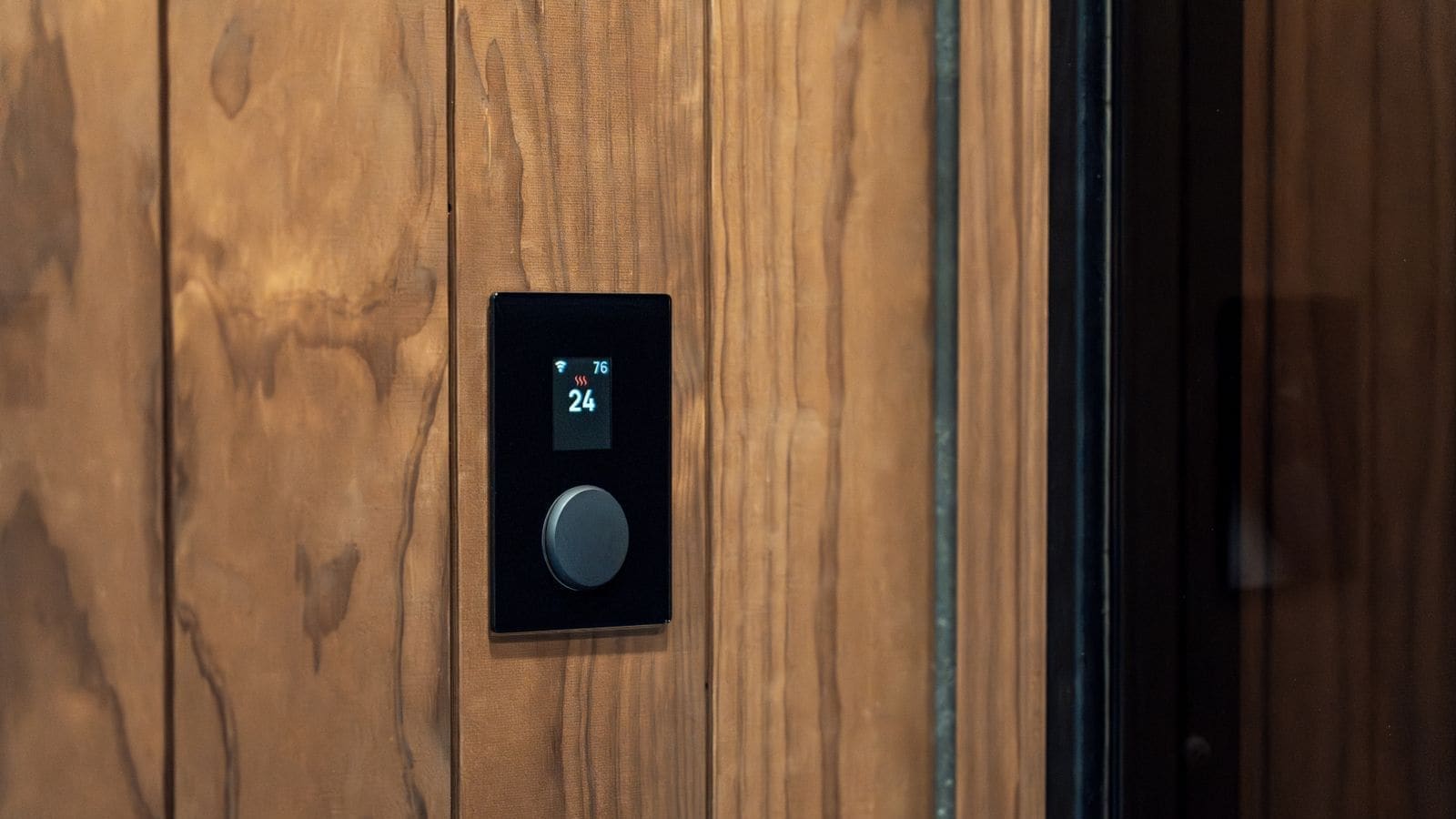
What has changed for tado owners with freedo?
Gabriele Turelli (CappyT on GitHub) posted freedo to the Home Assistant Community forum on 12 October 2026. It is a local coordinator for tado V3+ devices, the 868 MHz generation sold since 2018. A small Go daemon talks over serial to an ESP32 with a CC1101 868 MHz radio, serves a local HTTP API and web dashboard, and a Home Assistant add-on and HACS integration sit on top of that.
The project is licensed under Apache 2.0 and says plainly that it is not affiliated with tado. Its README describes it as experimental, and says both the code and the docs were written largely with AI assistance. The ESP32 firmware is described as almost completely AI-generated and has been run on a single development board.
| tado generation | freedo support (per the README) |
|---|---|
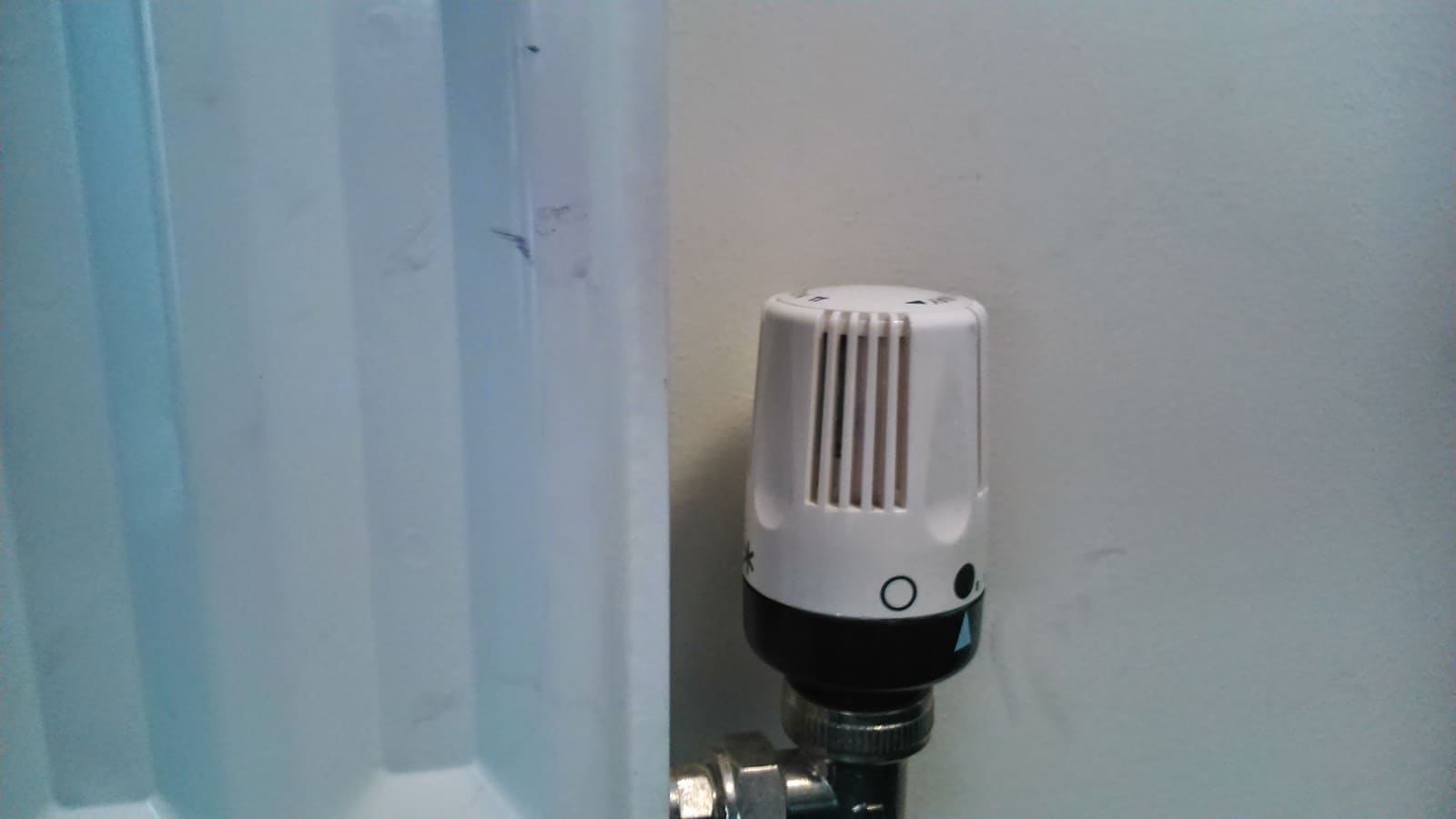
| V3+ (2018 onwards), Internet Bridge IB01 | Supported: Smart Radiator Thermostat valves and the wired Smart Thermostat RU02. The wireless receiver and wireless sensor are not supported |
| V3 (2016-2018) | Untested, "probably works" |
| V2 (2014-2016), Bridge GW02 | Untested, probably the same radio protocol. The V2 extension kit is not supported |
| V1 | Not supported |
| tado X, Bridge X IB02 | Not supported (it uses Thread and Matter) |
How does freedo replace the tado bridge?
Normally a tado V3+ system talks to the Internet Bridge, which relays everything to tado's cloud. Freedo takes the bridge's place on the radio network, so the valves and thermostat answer a coordinator in your own house. The README says the daemon does not connect to the tado cloud at all.
There are three ways to run it. You can add the repository to the Home Assistant add-on store and start the freedo add-on, add it through HACS as a custom integration, or run the ghcr.io/cappyt/freedo container image on amd64 or arm64. It needs Home Assistant 2026.8 or later, and it starts in dry-run mode: nothing is transmitted until the transmit flag is set. A separate "freedo beta" add-on tracks pre-release builds.
What do you need?
The software is free. The hardware is an ESP32 board with a CC1101 868 MHz module on USB, flashed with the bridge firmware attached to each GitHub release. A radio PCB design exists, but the README calls it untested. We have not tested freedo ourselves.
Why does this matter for Home Assistant users?
Home Assistant's own tado integration is cloud-based. Its documentation lists the IoT class as Cloud Polling and says it works through my.tado.com using an unofficial API, and that tado has heavily rate limited that API since 1 January 2026, with a daily quota that varies by subscription. When the quota is hit, authentication and updates can fail.
A local coordinator removes both problems for the devices it supports. Heating keeps working if tado's servers or your broadband go down, and there is no quota. It is also the first community route we have seen that does not depend on tado's cloud at all. If you are weighing the costs of staying in the ecosystem, our guide to tado Auto-Assist pricing in the UK covers what the subscription adds.
What are the catches?
- The tado app stops working. The README says paired devices leave the tado app and cloud, and the app does not work with a freedo-run system.
- Nothing carries over. Rooms and schedules set in the tado app must be recreated, because the cloud import is only planned. Devices are paired from scratch.
- Going back is undocumented. The project says returning devices to the tado bridge is not documented or tested.
- It is lightly tested. The README lists real-plant tests on one installation, including setpoint and boost writes, schedules, child lock, hot water and pairing a valve. No record covers a long run or a long coordinator outage.
- One coordinator only. Run a single coordinator per radio network and switch off the commercial bridge before transmitting.
Heating is safety-relevant, and the author advises keeping a manual way to control it, or moving only a few thermostats or radiator valves across to test. Mixed-protocol alternatives are covered in our Home Assistant heating control guide for the UK.
Should you try freedo or wait?
If you own tado V3+ valves, enjoy tinkering, and have a spare zone to experiment with, it is a genuinely interesting project to follow. If heating is your family's only source of warmth through winter and you rely on the tado app and geofencing, wait. The tado app can't be used alongside it, the tool is days old, and you would be among its first testers. Owners of tado X should note it is not supported, and tado X goes through Home Assistant's Matter integration instead. Our tado app review explains what you would give up.