
Quick Comparison
Here is how the top picks stack up at a glance before we dig into each one:
| Model | Best for | Price band | Key spec |
|---|---|---|---|
| Philips Hue White & Colour Ambiance A60 | Overall | £££ | Zigbee, up to 1,100 lm |
| LIFX Colour A60 | Best WiFi RGB bulb | £££ | No hub, 1,200 lm |
| TP-Link Tapo L530E / L530B | Best value | £ | WiFi, 806 lm, Matter |
| WiZ Colour | Budget with built-in motion | £ | WiFi, SpaceSense motion sensing |
| Govee Smart Bulb RGBWW | Ultra-budget | £ | WiFi & Bluetooth, 800 lm |
How We Chose These RGB Smart Bulbs
We compared bulbs on connectivity (Zigbee vs WiFi and whether a hub is required), brightness and colour range, UK fitting availability (E27 and B22), Home Assistant support (local push where available versus cloud-dependent), and price per bulb, since RGB lighting is usually bought in multiples. Only bulbs with confirmed UK retail availability made the cut.
Best RGB Smart Bulbs UK 2026
1. Philips Hue White & Colour Ambiance A60 — Best Overall
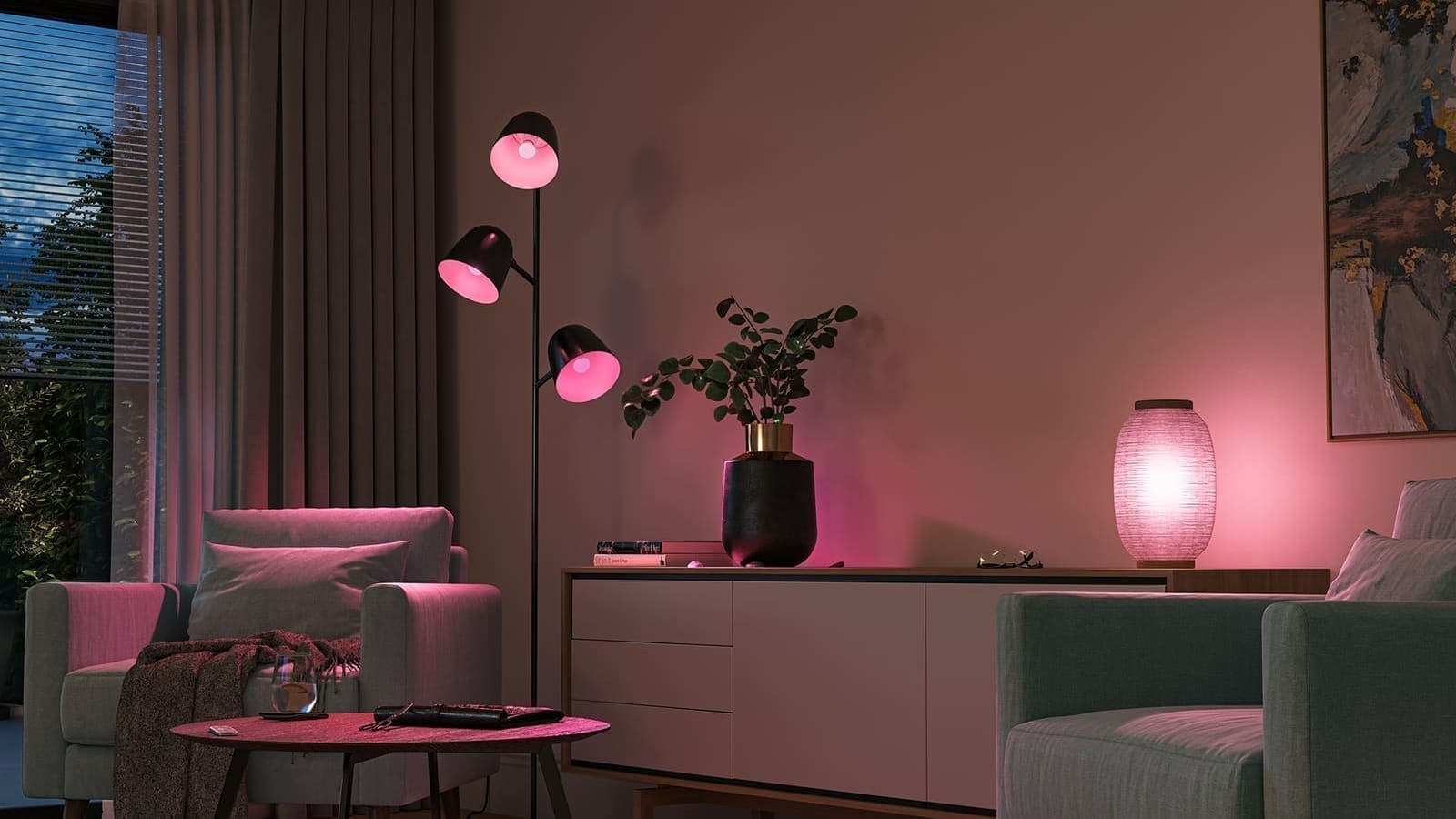
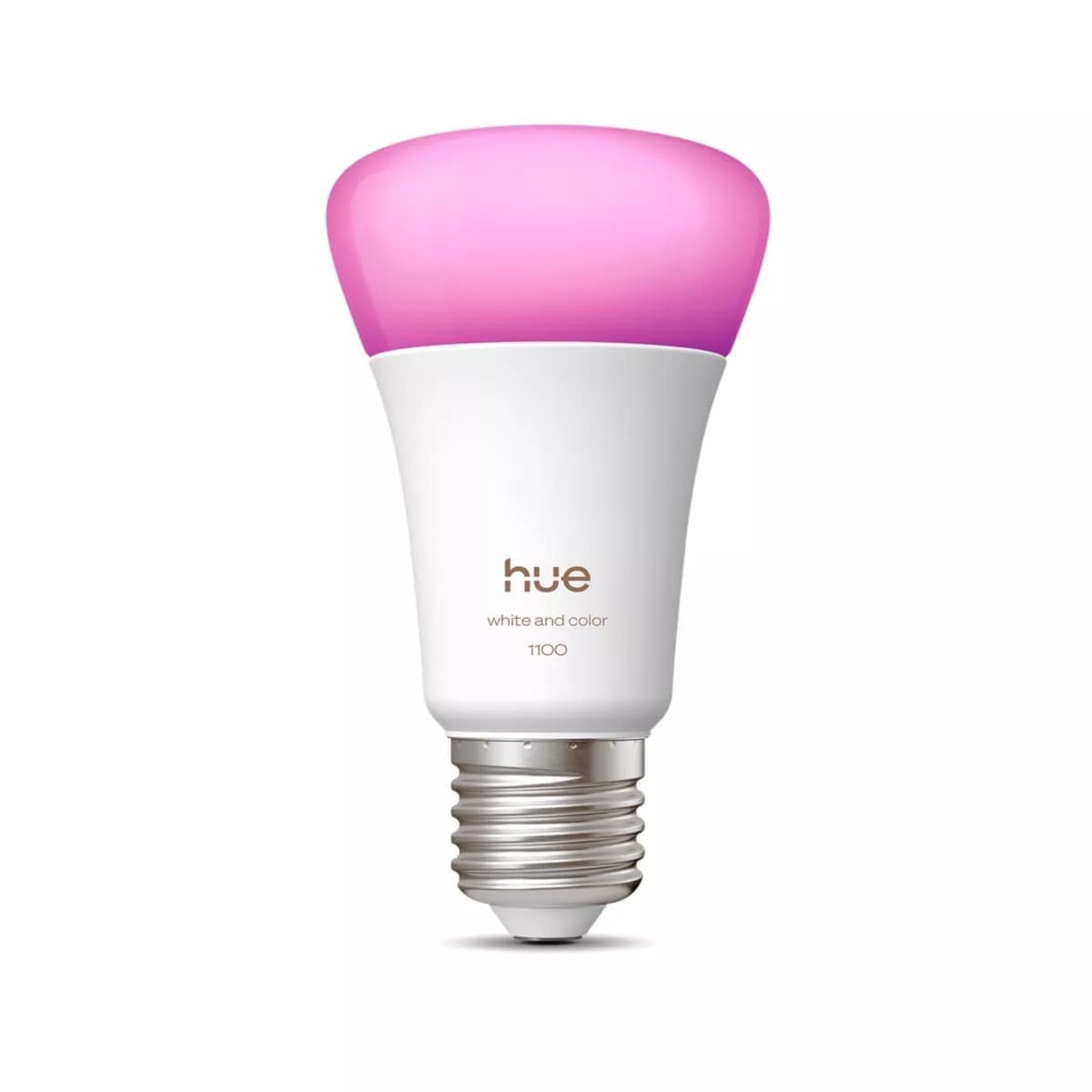
Available in E27 and B22, from around £30–£55 per bulb (prices vary by retailer), the Philips Hue White & Colour Ambiance A60 remains the benchmark for RGB smart bulbs in the UK. It outputs up to 1,100 lumens at 8.1 W and covers a colour temperature range of 1,000 to 20,000 K — far wider than most rivals — alongside the full RGB spectrum.
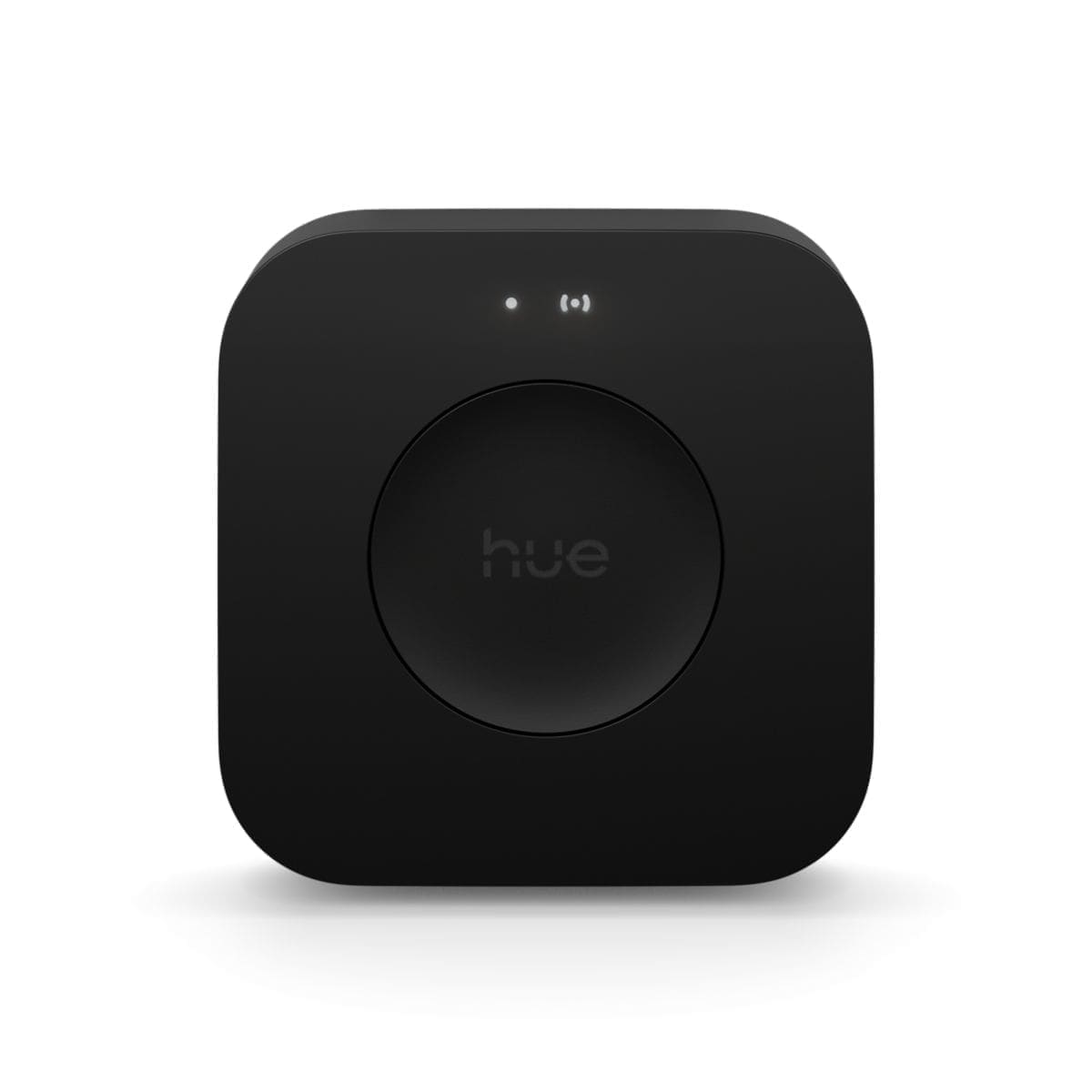
The bulbs use Zigbee, so you need the Philips Hue Bridge (around £50, or included in starter kits) to unlock the full feature set: remote access, complex automations, entertainment sync for TV and gaming, and third-party integrations. Bluetooth-only mode is available without the Bridge, but it limits range and automation depth. With the Bridge, Hue integrates natively with Amazon Alexa, Google Assistant, and Apple HomeKit, and has one of the most mature Home Assistant integrations available.
The 2025/2026 A60 generation uses Chromasync precision colour-matching and Signify claims 40% lower energy consumption than the previous generation. With a 25,000-hour lamp life, these are a long-term investment. Read our Philips Hue Starter Kit review for the full setup experience.
Pros: widest colour gamut; best app and ecosystem; Zigbee reliability; HomeKit and HA support; 25,000-hour lifetime.
Cons: premium price per bulb; Bridge required for full functionality; adds upfront cost for new buyers.
2. LIFX Colour A60 — Best WiFi RGB Bulb
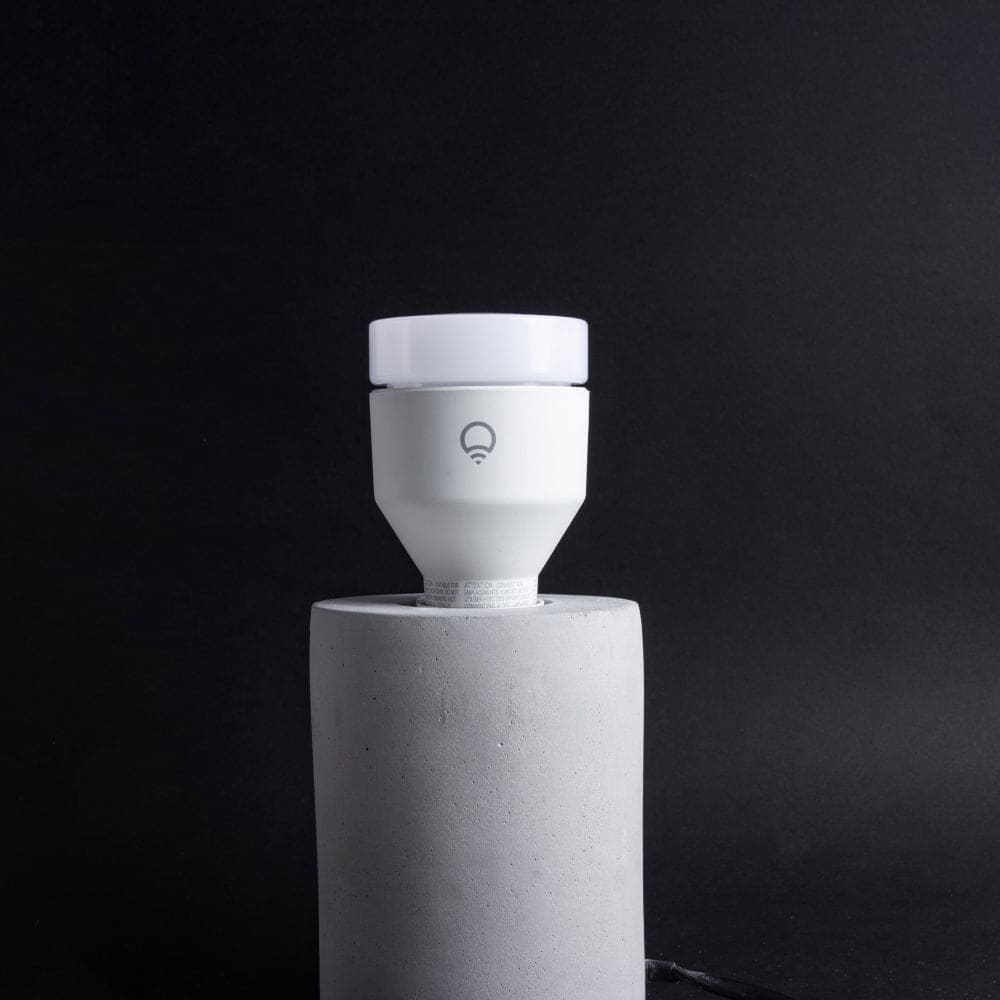
Available in both E27 and B22 fittings, from around £30 per bulb (prices vary by retailer), the LIFX Colour A60 is the strongest no-hub option in the RGB smart bulb category. It delivers 1,200 lumens from 11.5 W and spans a colour temperature range of 1,500 K to 9,000 K, plus billions of RGB colours through its RGBW LED array.
LIFX connects directly over 2.4 GHz WiFi with no bridge or gateway required. The app is well-regarded for reliability and supports HomeKit natively — a key differentiator from most WiFi rivals. Alexa and Google Assistant are also supported. LIFX uses a custom network stack that keeps response times low even on busy home networks, and the bulbs maintain scene state locally so they recover correctly after a power cut.
The main trade-off is that each LIFX bulb is a standalone WiFi device; if you plan to fill every room, the device count on your router can mount up. For most homes with up to six or eight bulbs, this is not a practical concern.
Pros: no hub required; 1,200 lm — brightest in this list; HomeKit native; both E27 and B22 available; reliable local recovery.
Cons: higher price per bulb; adds WiFi clients at scale; no Zigbee option.
3. TP-Link Tapo L530E / L530B — Best Value RGB Bulb
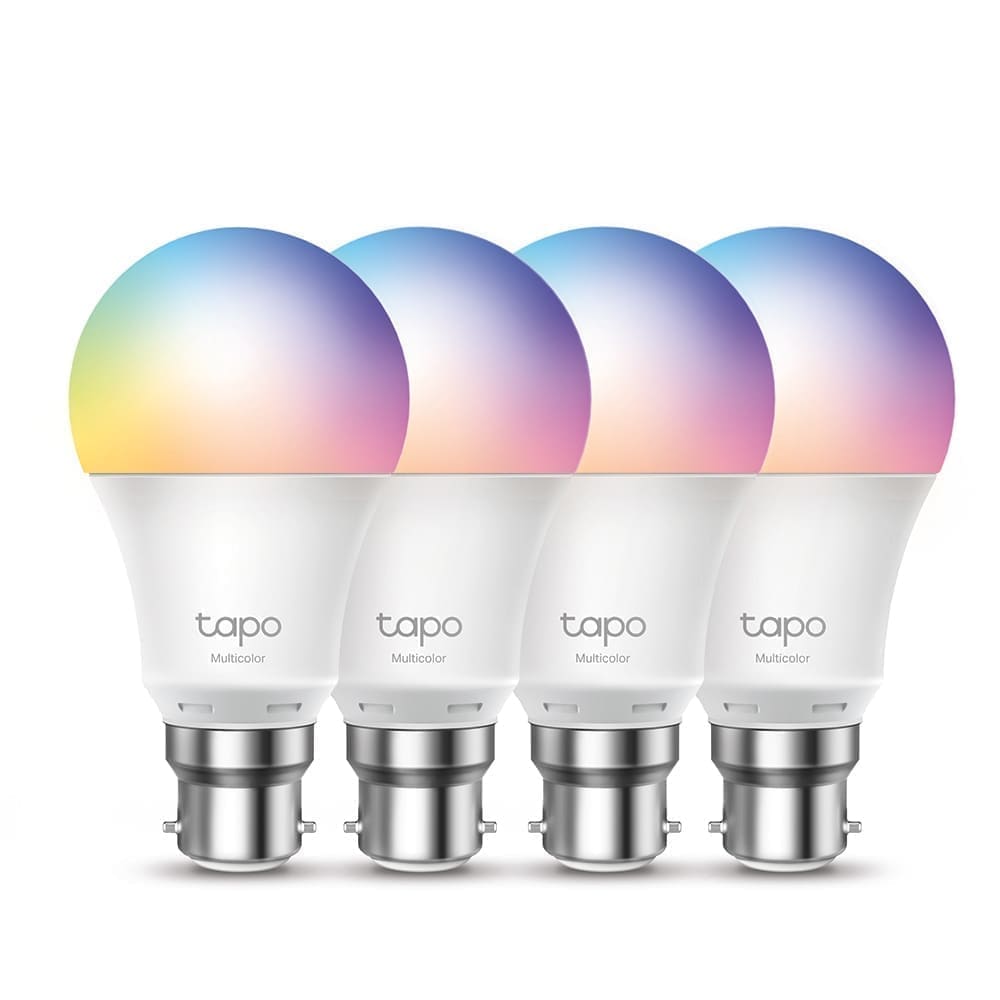
From around £8 per bulb on the official Tapo store (prices vary by retailer), the TP-Link Tapo L530E (E27) and L530B (B22) are the obvious choice if budget is the priority. They deliver 806 lumens from 8.7 W, cover 16 million colours, and connect via 2.4 GHz WiFi with no hub required.
The Tapo app is solid, Alexa and Google Assistant are supported, and the bulbs are reliable in day-to-day use. Matter certification means they will slot into future smart home ecosystems without requiring a full system replacement — an important consideration given how quickly the standard is expanding. HomeKit is not supported on the L530 series; buyers who need Apple Home should look at LIFX or Hue instead.
At this price point, the Tapo L530 is an excellent way to add RGB lighting to multiple rooms without a large upfront spend, and the 2-pack and 4-pack options reduce the cost per bulb further still.
Pros: exceptional value from around £8; Matter-certified; both E27 and B22; Alexa and Google support; reliable WiFi.
Cons: no HomeKit; colour accuracy and app polish below Hue and LIFX; 806 lm is adequate but not bright.
4. WiZ Colour — Best Budget with Built-in Motion
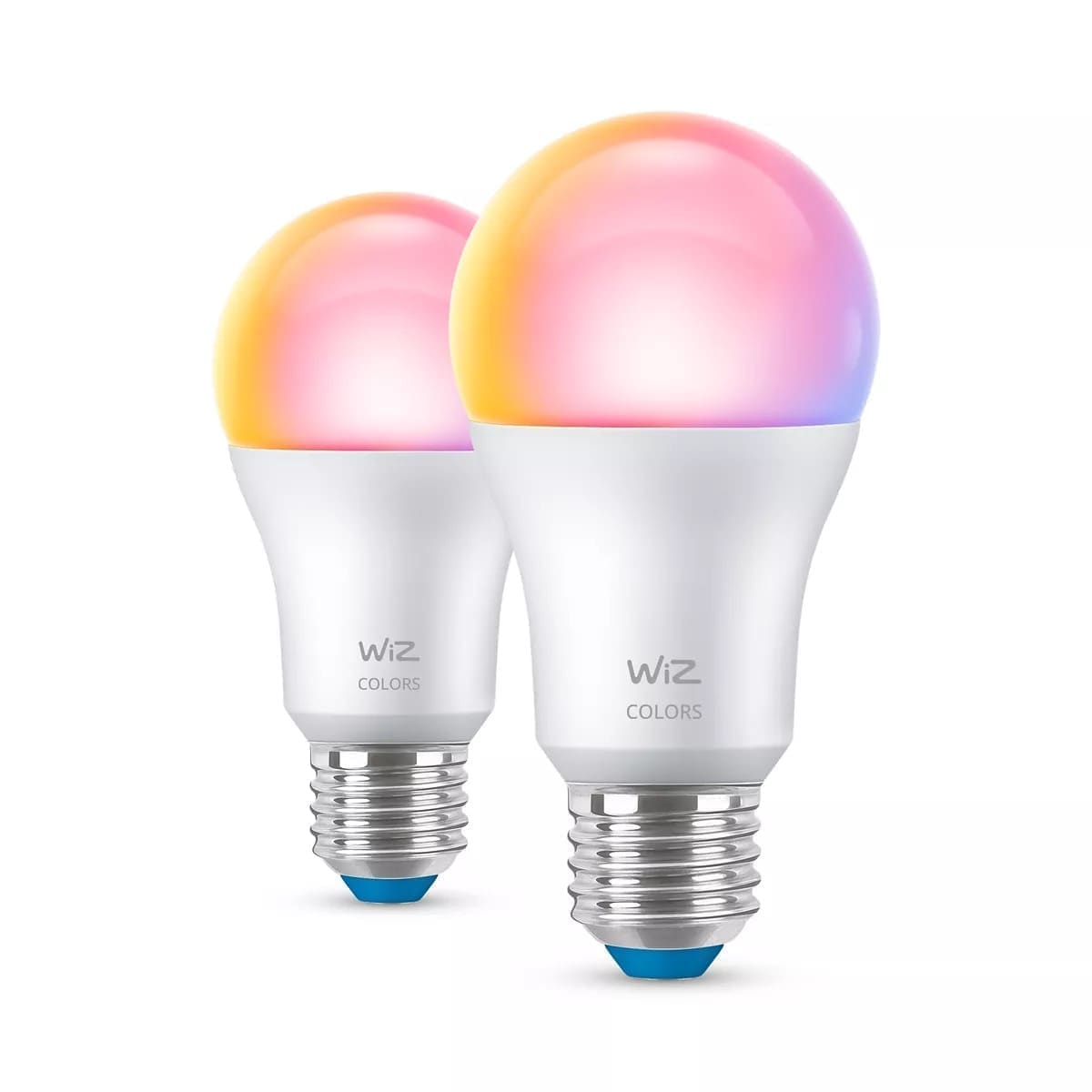
Around £10 per bulb (prices vary by retailer), the WiZ Colour bulb occupies an interesting position: it is a Signify brand (the same parent company as Philips Hue), so build quality is dependable, while the price is comparable to Tapo. The key differentiator is SpaceSense, a passive infrared sensing mode embedded in the bulb itself. With SpaceSense enabled, the WiZ bulb can detect occupancy and trigger automations without any external motion sensor — genuinely useful for hallways, kitchens, and bathrooms.
WiZ connects over 2.4 GHz WiFi and has a native Home Assistant integration that provides local push control — meaning commands go directly to the bulb over your LAN without routing through the cloud. This is documented in the official Home Assistant WiZ integration and puts WiZ ahead of most WiFi rivals for HA users who want low-latency, cloud-free control. Alexa and Google Assistant are supported; HomeKit is not.
Pros: SpaceSense occupancy detection built in; Signify reliability; local push HA integration; good value; widely available in UK retailers.
Cons: no Apple HomeKit; app less polished than Hue; no Zigbee option.
5. Govee Smart Bulb RGBWW — Best Ultra-Budget Pick
Around £11 for a B22 single bulb (prices vary by retailer), the Govee A19 Smart LED Bulb is the most affordable option we would recommend. It delivers 800 lumens from 9 W, supports RGBWW (the extra warm white channel improves everyday white light quality over basic RGB), and offers Matter compatibility alongside Wi-Fi and Bluetooth dual connectivity.
Thirty preset scene modes and a music sync feature make it popular for gaming rooms and home entertainment. Alexa, Google Assistant, and Apple Siri are all supported, which is notable at this price point. The Govee Home app is functional though less refined than Hue or LIFX, and the Home Assistant integration is available via HACS for those wanting local control. Group control for up to 50 bulbs is supported, making it viable for multi-room deployments on a budget.
Pros: outstanding value; RGBWW; Matter compatible; Siri support; music sync and scene modes.
Cons: app less refined; Bluetooth + WiFi dual mode can occasionally cause connectivity quirks; B22 primarily available (E27 range narrower).
How to Choose the Right RGB Smart Bulb for Your Home
Fitting type: E27 or B22?
Most UK homes use B22 bayonet fittings, though E27 Edison screw fittings are common in modern pendant lights and floor lamps. All five picks are available in B22; Govee's B22 range is the most complete at entry level. Check your existing bulbs before ordering — the fitting code is usually stamped on the base.
Hub or no hub?
Zigbee bulbs like Philips Hue require a bridge but run on a dedicated mesh network that is more reliable and scalable than WiFi for large installs of 10 or more bulbs. WiFi bulbs (LIFX, Tapo, WiZ, Govee) are simpler to start with — just add your network and go — but each device occupies a slot on your router. If your home has a capable mesh WiFi system, WiFi bulbs at scale are perfectly fine; if you are on a basic ISP router, Zigbee is the better long-term choice.
RGBW vs RGBWW
RGBW adds one dedicated white LED (usually cool or warm white) to the red, green, and blue channels, which delivers cleaner white light than blending RGB alone. RGBWW includes both a cool white and a warm white channel, giving the broadest white range. All five picks in this guide use RGBW or RGBWW — none rely purely on RGB for white, which means everyday lighting quality is acceptable.
Home Assistant users
For local control, Philips Hue via the official HA integration and WiZ via its local-push integration are the strongest choices. Tapo L530 is supported via the TP-Link Tapo integration. LIFX has an official HA integration with local polling. Govee requires the community HACS integration. If you want Zigbee2MQTT or ZHA flexibility, the Hue bridge or a dedicated Zigbee coordinator paired with compatible bulbs gives the most control. See our Home Assistant Zigbee2MQTT guide for setup details.
Verdict
For most UK buyers, the TP-Link Tapo L530 at around £8 per bulb is the obvious starting point — it is Matter-certified, reliable, and available in both E27 and B22 without requiring any additional hardware. Step up to WiZ if you want built-in motion sensing and better Home Assistant local control. Choose LIFX for the best WiFi colour brightness and native HomeKit. And if you are building a serious smart home that needs to scale, Philips Hue with its Zigbee mesh and mature ecosystem remains the premium choice that justifies its price over the long term.