
What Is LIFX?
LIFX is an Australian smart lighting brand that has been making WiFi-connected bulbs since 2012. Unlike Philips Hue, which relies on a ZigBee mesh and a proprietary bridge, LIFX bulbs communicate directly over your 2.4 GHz WiFi network. Each bulb is individually addressable on your router, which means simpler setup but slightly higher per-bulb network overhead.
The flagship for most UK buyers is the LIFX A60 E27 — the standard screw-fit bulb that fits the majority of UK fittings. It is available from Amazon UK and directly from LIFX.com, typically priced around £14.99 per bulb, though prices vary by retailer and during sale periods.
Brightness and Colour Quality
LIFX bulbs punch well above their price bracket for brightness. The LIFX Colour A60 outputs up to 1,100 lumens — comfortably brighter than most competing smart bulbs at the same wattage. The bulb draws approximately 9W from the mains, making it roughly equivalent in light output to a traditional 60W incandescent, while consuming around 85% less energy.
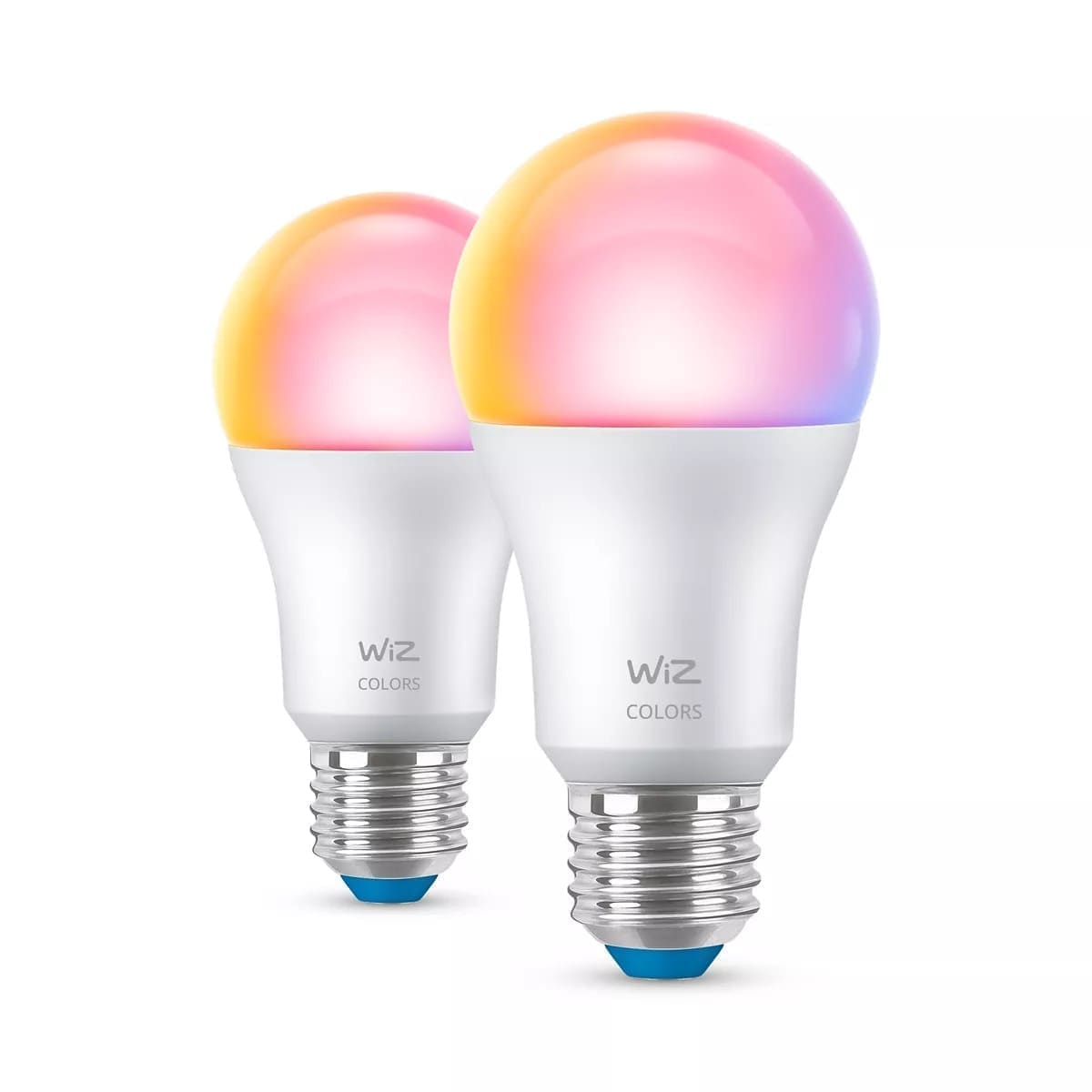
Colour performance is a genuine strong point. LIFX offers access to 16 million colours alongside a tunable white range spanning 1,500K (warm candlelight) to 9,000K (crisp daylight). In practice, colours are vivid and accurate — reds are genuinely red rather than pink-orange, and the cool whites are usable for task lighting rather than a washed-out blue. If colour fidelity matters to you, LIFX is hard to beat at this price point.
Setup and App Experience
Getting LIFX running takes about three minutes per bulb. Screw it in, open the LIFX app (available for iOS and Android), tap Add Device, and the bulb connects to your WiFi network. There is no hub to plug in, no firmware to pre-flash, and no Ethernet cable to run.
The LIFX app is polished and capable. It supports scenes (saved lighting states), schedules, sunrise/sunset automation based on your location, and the ability to group rooms for single-tap control. The interface is clean and responsive, and changes typically propagate to bulbs within a second or two over a solid home network.
One consideration: each LIFX bulb takes up a slot on your router's DHCP table. If you are fitting ten or more bulbs, check that your router handles many concurrent WiFi clients gracefully. Most modern routers manage this without issue, but older or budget hardware can struggle.
Smart Home Compatibility
LIFX works with every major UK smart home platform. Matter support means the bulbs can be added natively to Apple Home, Google Home, Amazon Alexa, and Samsung SmartThings without needing the LIFX cloud at all — a significant advantage for privacy-conscious users and those building a platform-agnostic home. LIFX announced Matter support as part of its ongoing platform modernisation, and Matter-enabled bulbs are available through the standard retail channel.
For Home Assistant users, LIFX integrates via a local LAN API — no cloud dependency, no API key required. The integration discovers bulbs automatically on your network and exposes full colour, brightness, and white temperature controls. If you are already running Home Assistant, LIFX is one of the most plug-and-play lighting options available. You can read more about smart lighting options in our best smart bulbs UK guide.
LIFX also works with IFTTT for simple trigger-based automations, though most users with a proper smart home hub will find native integrations more reliable.
LIFX vs Philips Hue
The most common question UK buyers ask is how LIFX compares to Philips Hue. Both are premium smart bulb brands, but they take fundamentally different approaches. We cover this in detail in our Philips Hue vs LIFX comparison, but the headline differences are:
LIFX advantages: brighter bulbs per unit (up to 1,100 lumens vs Hue's typical 800 lumens), no hub required saving around £50–£60 on the starter cost, and direct Matter support without additional hardware. LIFX also tends to be cheaper per bulb if bought individually.
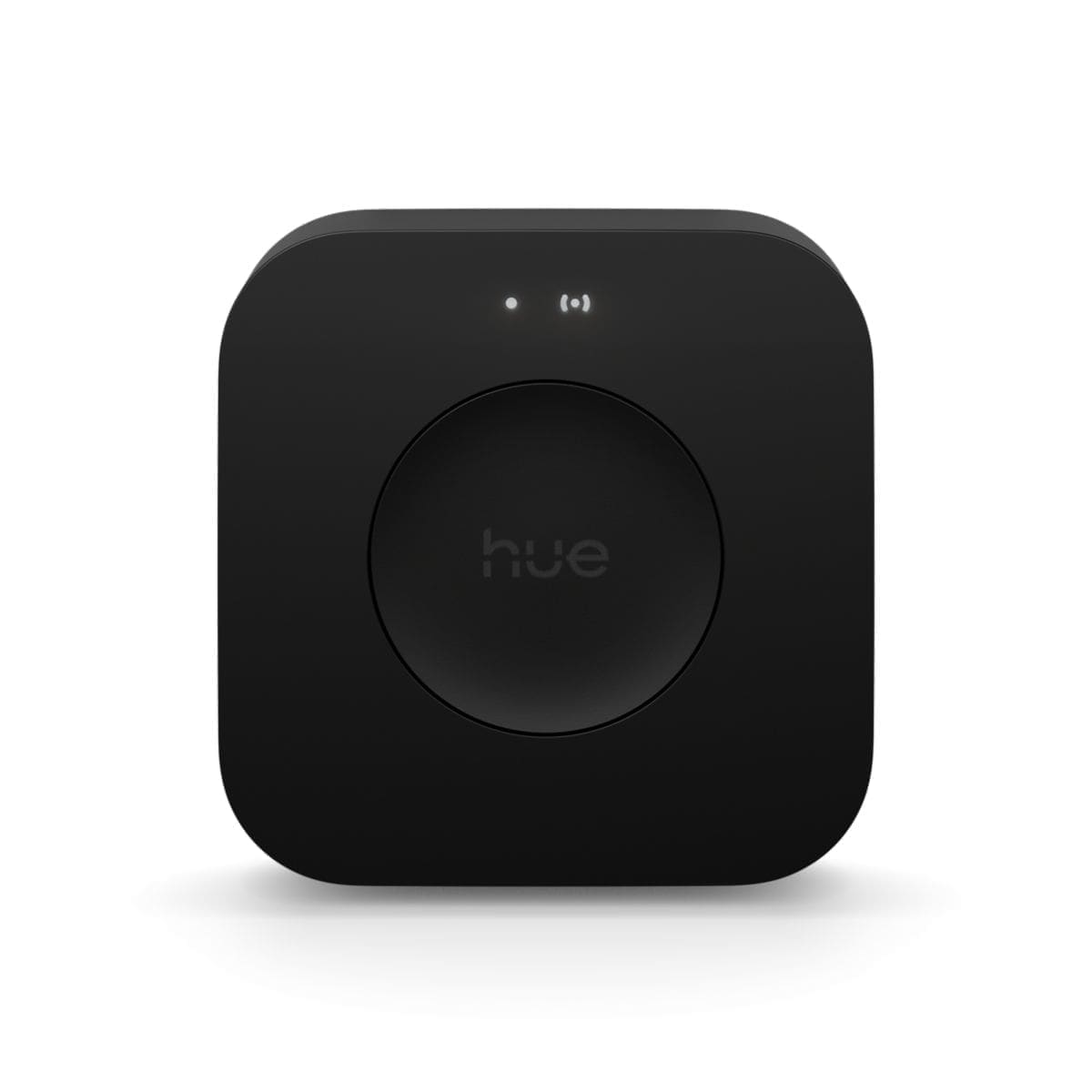
Philips Hue advantages: ZigBee mesh means reliability does not depend on your WiFi quality, a far wider range of accessories (light strips, outdoor fittings, switches, sensors), a larger third-party ecosystem, and better performance with many simultaneous bulbs in a large home. The Hue Bridge also acts as a local hub, meaning automations work even during an internet outage once set up.
For a flat, a smaller home, or a starter kit with five or fewer bulbs, LIFX is often the better value. For a whole-home installation or if you want motion sensors and switches in the same ecosystem, Philips Hue is worth the premium.
Value and UK Availability
LIFX represents strong value for hub-free smart lighting. The A60 E27 bulb is widely available in the UK through Amazon UK and LIFX.com. Multipacks reduce the per-bulb cost further. There are no ongoing subscription fees — all features work without a cloud account once Matter is configured.
Energy running costs are competitive: at approximately 9W per bulb and typical UK electricity rates, a bulb running four hours a day costs well under £5 per year to operate — a significant saving over incandescent equivalents.
Who Should Buy LIFX?
LIFX is the right choice if you want vibrant smart lighting without buying a hub, value brightness above all else, or are already invested in Matter or Home Assistant. It is less ideal if your WiFi is unreliable, you want a wide range of physical accessories, or you are fitting more than 20 bulbs in a single home. In those cases, a ZigBee-based system like Philips Hue is likely to serve you better long-term.
Not sure LIFX is the one? Our Philips Hue vs WiZ vs LIFX comparison weighs it against both Hue and the budget-friendly WiZ.