Quick Verdict
Sengled smart bulbs deliver strong value for Zigbee users. Setup is painless if you already own a compatible hub, the bulbs pair reliably, and the Zigbee2MQTT support is excellent for Home Assistant users. Brightness and colour accuracy are solid rather than spectacular. The main trade-off is that without an existing Zigbee hub you will need to factor in the cost of one — though the no proprietary hub requirement is itself a major selling point over rivals like Sengled's own Wi-Fi range or budget Tuya bulbs.
Who Are Sengled?
Sengled is a Chinese smart-lighting manufacturer founded in 2012, best known in the US market but increasingly available across Europe. The brand has carved out a niche by building standard Zigbee radios into otherwise unremarkable-looking bulbs, then selling them at low margins. That approach differs from competitors such as Philips Hue, which operate a proprietary Zigbee-derived protocol requiring their own bridge. Sengled bulbs work with any Zigbee coordinator — a deliberate, open-standards choice that ages well as ecosystems evolve.
The Bulb Range Available in the UK
E27 White Ambience. The most commonly stocked Sengled bulb in the UK is the tunable-white E27, offering a colour-temperature range from warm 2700 K through to a cooler daylight 6500 K. Typical brightness is around 800 lm, comparable to a 60 W incandescent. These are the best-value option for living rooms and bedrooms where you want warmth in the evenings and brighter daylight tones for working from home.
E27 Full Colour (RGBW). Sengled's colour bulbs add red, green, blue, and white LEDs, enabling millions of colour combinations alongside the white-ambience modes. Brightness is typically around 800–900 lm on white — slightly lower on saturated colours, as is standard for RGBW bulbs. These retail for a small premium over the white-only variant but remain competitive against alternatives such as the best colour-changing smart bulbs in the UK.
Wi-Fi variants. Sengled also sells a separate Wi-Fi range under the Sengled Home brand, aimed at users who want Alexa or Google Home control without a hub. These are reviewed separately here and do not use Zigbee — they connect directly to your 2.4 GHz home network via the Sengled Home app. This review focuses on the Zigbee versions.
Setup: No Proprietary Hub Required
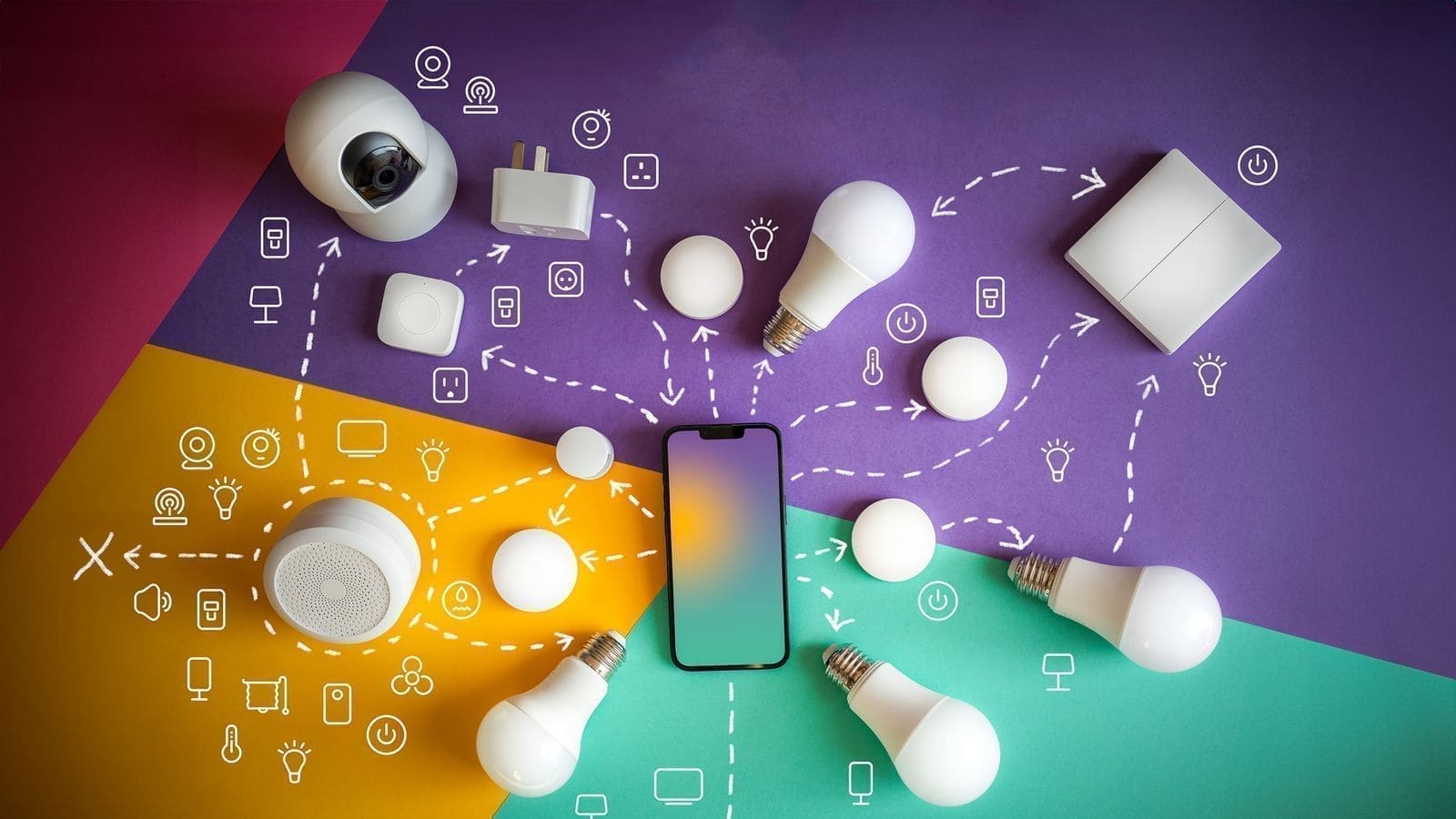
This is Sengled's biggest selling point in the UK smart-home market. The Zigbee bulbs pair directly with:
- Amazon Echo Plus / Echo (4th gen) / Echo Show (11): These devices contain a built-in Zigbee hub. Open the Alexa app, tap Devices → Add Device → Light, and the bulb pairs in about 30 seconds after you put it into pairing mode (power cycle three times).
- Samsung SmartThings Hub (v2, v3, Aeotec edition): SmartThings has supported Sengled bulbs natively for several years. Add via the SmartThings app → Add Device → scan nearby devices. No custom device handler needed on recent firmware.
- Home Assistant with a Zigbee USB stick (ConBee II, HUSBZB-1, Sonoff Zigbee 3.0 USB Dongle): Use either the ZHA integration or Zigbee2MQTT. Both are well-documented and widely used.
- Any other Zigbee 3.0 coordinator: The bulbs follow the Zigbee 3.0 specification, so they should work with any compliant coordinator, though testing is the only guarantee.
Pairing mode is triggered by cycling power to the bulb three times (on–off–on–off–on), after which the bulb flashes to confirm it is advertising. Most coordinators discover it within 15–30 seconds.
Sengled Home App (Wi-Fi Version Only)
If you opt for the Wi-Fi variants, Sengled provides the Sengled Home app for iOS and Android. The app offers scene control, schedules, and voice assistant linking. It requires a Sengled cloud account, which means your control depends on Sengled's servers being online — a significant limitation compared to local Zigbee control. For new buyers in the UK, the Zigbee versions with a local hub are almost always the better long-term choice.
Brightness and Colour Performance
White brightness is adequate for most residential lighting tasks. In a standard UK living room (around 25 m²), a single 800 lm Sengled E27 on a table lamp or pendant provides comfortable ambient light. For rooms needing higher lux levels — kitchens, home offices — you would typically want two bulbs or a brighter fitting.
Colour accuracy on the RGBW variant is reasonable for the price. Reds and blues are vivid; greens can appear slightly yellow-green on some units, which is a common characteristic of RGBW LEDs at this price point. Whites on the colour bulb are slightly cooler than the dedicated white-ambience version due to LED bin differences. Neither issue is a deal-breaker for ambient and accent use. For critical colour rendering (art studios, photography), Philips Hue offers higher CRI ratings at a higher price.
Dimming is smooth via Zigbee commands down to around 2–5 % without flicker, which is better than many budget Tuya bulbs. Sengled achieves this by handling dimming in firmware rather than relying on leading-edge phase-cut dimmer switches, so you do not need a smart dimmer — just a standard on/off switch or smart plug for power cycling.
Zigbee2MQTT Compatibility for Home Assistant Users
Sengled bulbs are listed on the official Zigbee2MQTT supported devices list, which is the most important signal for Home Assistant users. This means the device fingerprint is in the Zigbee2MQTT database and will pair automatically without manual pairing codes or custom configurations. Once paired, the bulb exposes standard entities: brightness, colour temperature, colour (XY), and state — all controllable from Home Assistant's UI, automations, and scripts.
One important note for Zigbee mesh networks: Sengled bulbs are end devices, not routers. Unlike Ikea Tradfri or Philips Hue bulbs (which act as Zigbee routers and extend your mesh), Sengled bulbs do not relay signals. If you have a large home and need a dense Zigbee mesh, you will need dedicated Zigbee router devices (such as mains-powered smart plugs) in addition to Sengled bulbs. This is a well-documented characteristic of the Sengled range — see the Zigbee2MQTT device list for the confirmed router/end-device status of each model.
For a comparison of how Sengled fits into the broader Zigbee bulb landscape, see our guide to the best Zigbee bulbs in the UK.
Value vs the Competition
At £8.99–£12.99 per bulb, Sengled undercuts most Zigbee competitors:
- IKEA Tradfri E27: Similarly priced, but requires the IKEA Dirigera hub or a Zigbee coordinator. Tradfri bulbs are Zigbee routers, which is an advantage for mesh density. See our IKEA Tradfri review for a full comparison.
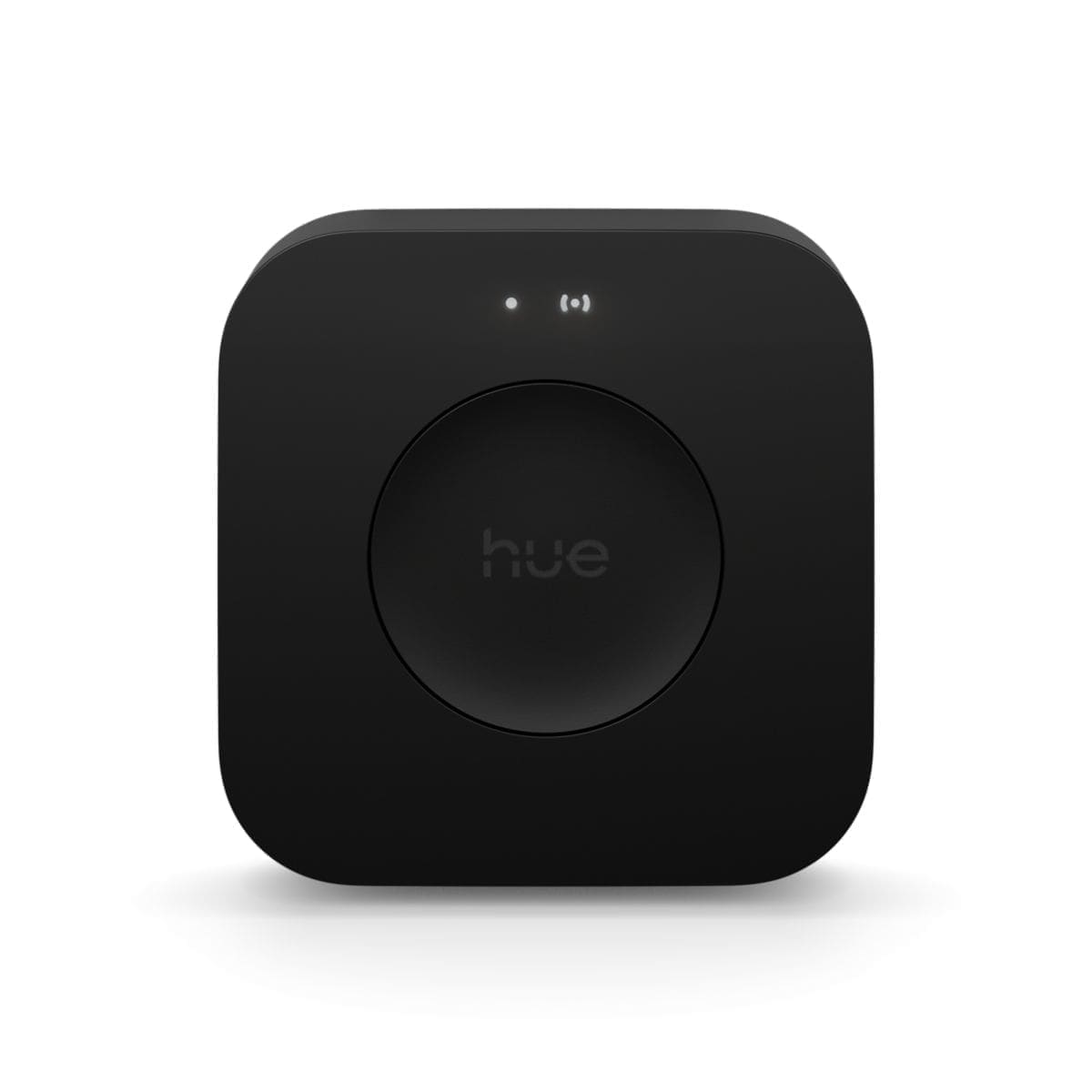
- Philips Hue White Ambience E27: Typically £20–£25 per bulb plus the cost of the Hue Bridge. Higher CRI, richer ecosystem, but a significant price premium. Our Philips Hue starter kit review covers whether that premium is justified.
- Kasa Smart Bulb (TP-Link): Wi-Fi rather than Zigbee, similar pricing, no hub required. Good for simple Alexa/Google use; not suitable for Home Assistant local control without workarounds. See our Kasa smart bulbs UK review.
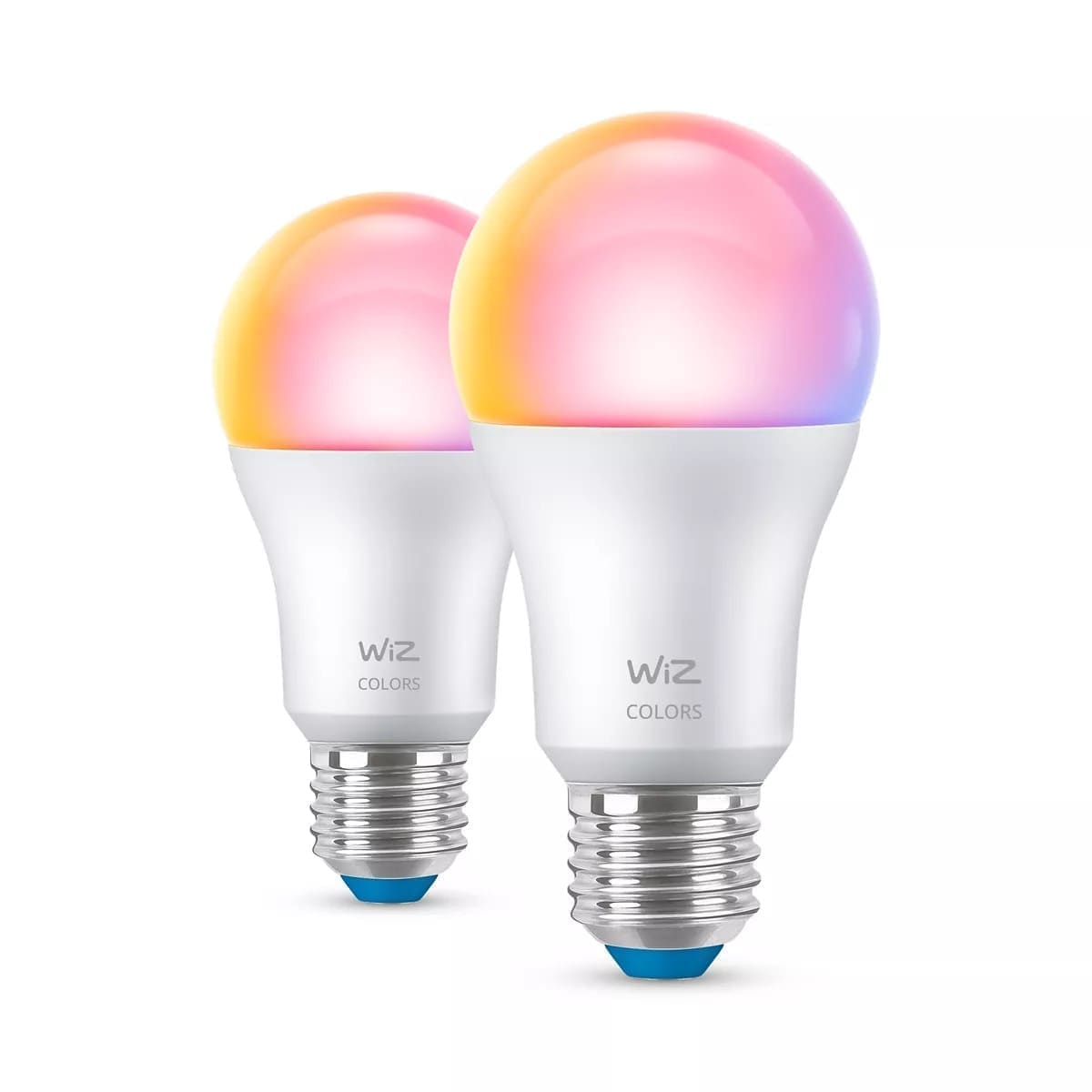
- WiZ bulbs: Wi-Fi, competitive pricing, richer colour features. Cloud-dependent. Our WiZ smart lights UK review covers them in detail.
For a broader shortlist, see our roundup of the best smart bulbs in the UK.
Where to Buy
Sengled smart bulbs are available from Amazon UK, where you will find the E27 white and colour variants. Prices vary by retailer and frequently change with promotions; check the current price on Amazon for the most accurate figure.
Verdict
Sengled smart bulbs are an excellent budget Zigbee option for UK buyers who already own a compatible hub. The no-proprietary-hub design, solid Zigbee2MQTT support, smooth dimming, and competitive pricing make them a compelling choice — especially as a way to fill out a Home Assistant or SmartThings setup without the per-bulb cost of Hue. The main caveats are the end-device (non-routing) Zigbee behaviour and the modest colour accuracy on RGBW variants. If you need a dense Zigbee mesh or top-tier colour rendering, consider supplementing with a router device or upgrading to Hue. For most UK households, Sengled hits the right balance of price, compatibility, and reliability.
Related: best smart bulbs UK guide, Philips Hue vs LIFX comparison, and best colour-changing smart bulbs UK.