Price Comparison
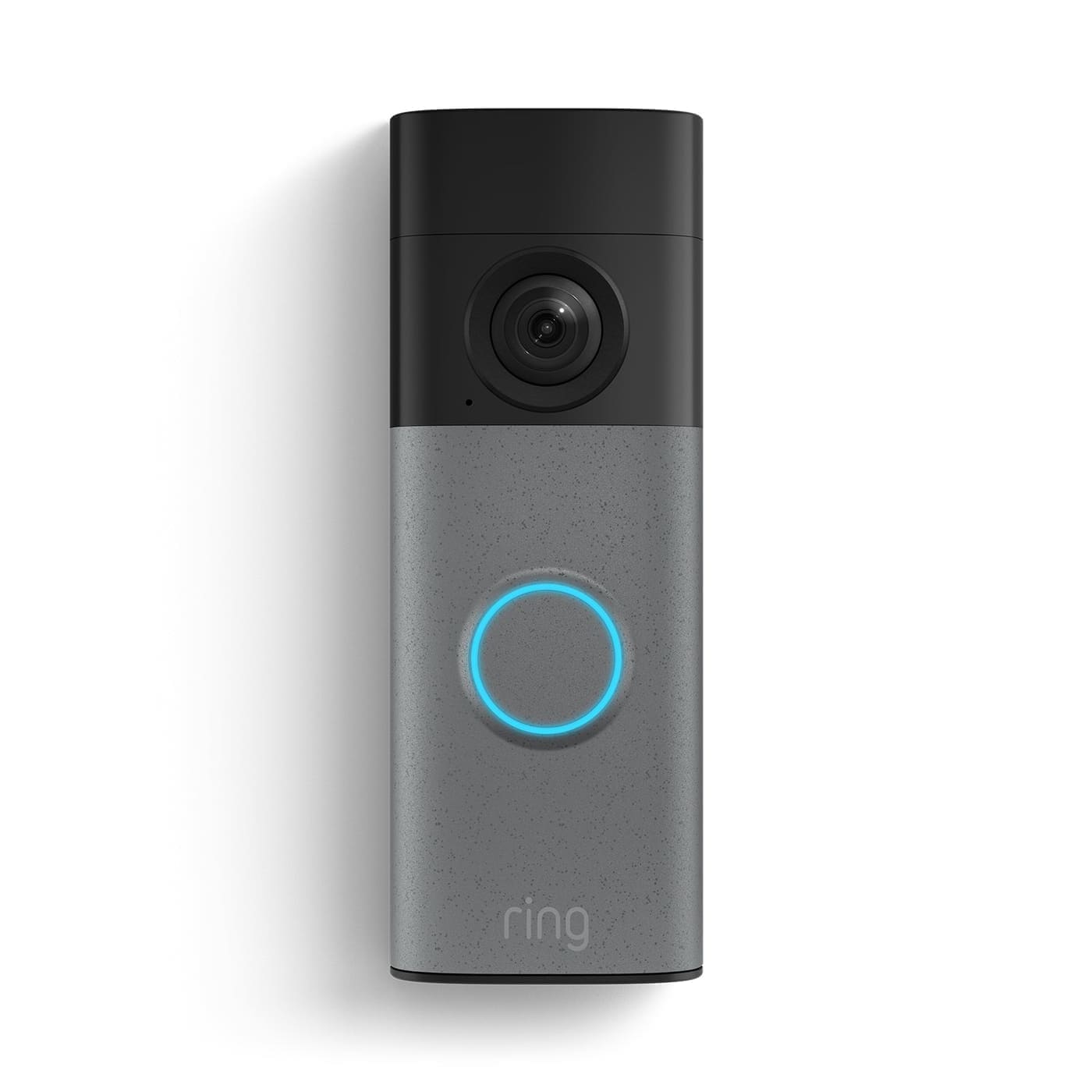
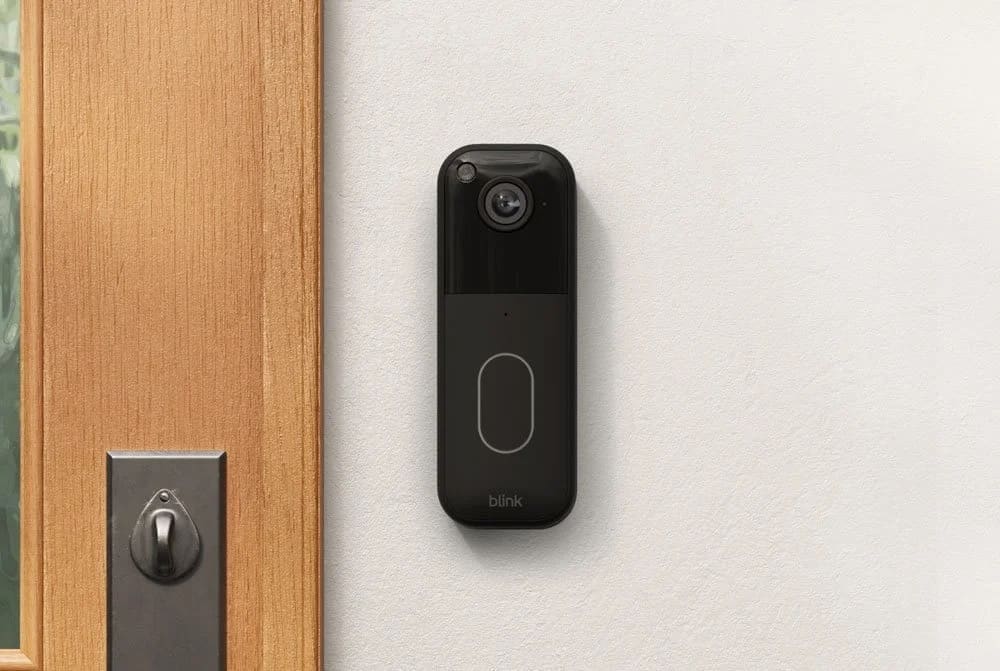
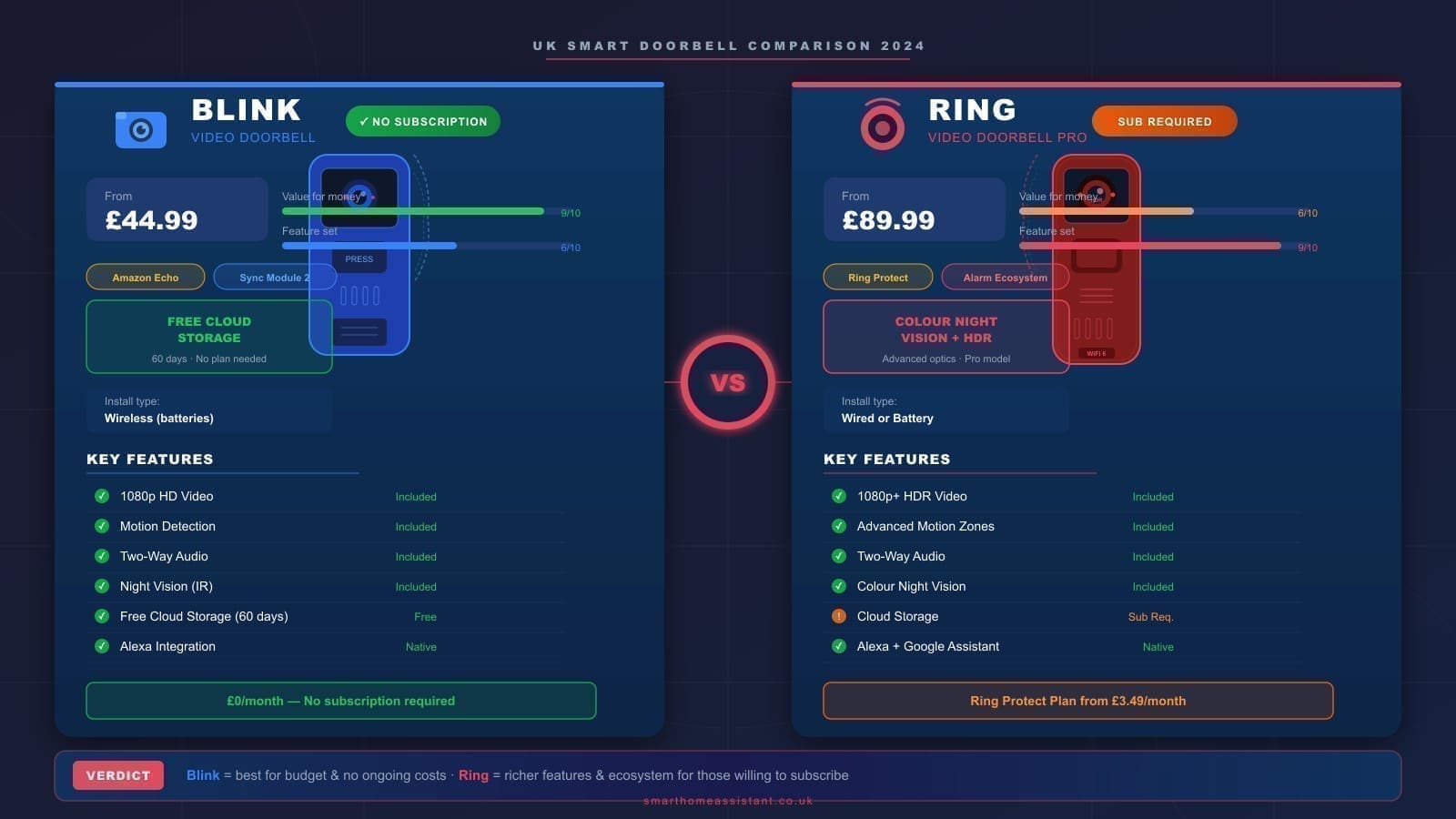
Blink is the clear budget winner. The Blink Video Doorbell retails for around £49.99 on Amazon, making it one of the most affordable video doorbells available in the UK. Ring's entry-level option, the Ring Video Doorbell 4, costs around £119.99 -- more than twice the price. The Ring Video Doorbell Pro 2, which adds features like 3D motion detection and a slimmer form factor, comes in at around £179.99. For a full breakdown of doorbell options at every price point, see our guide to the best smart doorbells in the UK.
Subscription Costs
Subscription fees are where the real difference emerges over time. Blink's approach is unusually generous: you can store clips locally for free by plugging a USB flash drive into the Blink Sync Module 2. If you prefer cloud storage, the Blink subscription costs around £2.99 per month (or £29.99 per year) and covers all cameras on your account. Ring's cloud storage is more expensive -- the Ring Protect Basic plan runs around £3.49 per month or £34.99 per year for a single device. If you have multiple Ring devices, the Ring Protect Plus plan at around £8 per month covers your whole home. Over three years, a Ring household with multiple cameras on Plus could spend over £285 in subscription fees alone -- a meaningful additional cost on top of the hardware.
Video Quality
Ring edges ahead on resolution and advanced features. The Ring Video Doorbell 4 records in 1080p HD with colour pre-roll, which captures a few seconds of video before motion is detected -- useful for identifying visitors who approach quickly. The Ring Doorbell Pro 2 steps up to 1536p (3:4 aspect ratio) and includes a head-to-toe view, so you can see parcels left on the doorstep rather than just faces. Blink Video Doorbell records in 1080p HD but lacks pre-roll. Both brands support two-way audio and infrared night vision, though Ring's night vision is generally rated more highly in independent tests.
Power and Installation
Blink runs on AA batteries; Ring offers more flexibility. The Blink Video Doorbell is battery-powered (two AA lithium batteries) and can also be wired to an existing doorbell circuit for continuous power. The Ring Video Doorbell 4 is also battery-powered with wiring capability. The Ring Doorbell Pro 2, however, is wired-only and requires an existing doorbell transformer -- making professional installation advisable for some homes. Battery life varies significantly by usage: Blink claims up to two years on a set of batteries under typical conditions, while Ring batteries typically need recharging every few months depending on activity levels.
Smart Home Integration
Both work with Alexa; Ring goes further. Because Amazon owns both brands, Alexa integration is strong on each side -- you can view live feeds on Echo Show devices and receive announcements when someone rings the bell. Ring has the broader smart home ecosystem, including Ring Alarm (a full monitored security system), Ring Smart Lighting, and integrations with third-party systems. For a closer look at Ring's security ecosystem, see our Ring Alarm UK review. Blink is more limited outside Alexa -- it does not have its own alarm system or lighting range. Neither brand officially supports Google Home or Apple HomeKit natively, though workarounds exist via Home Assistant for users who want deeper integration.
Pros and Cons
Blink Video Doorbell
Pros: Affordable upfront cost (around £49.99); no subscription required with local USB storage; long battery life; simple setup; included in the Alexa ecosystem.
Cons: No pre-roll; limited ecosystem; cloud features require a subscription; fewer advanced motion detection options.
Ring Video Doorbell 4
Pros: Colour pre-roll; richer ecosystem (Ring Alarm, smart lighting); strong Alexa integration; broad community and third-party support; regular firmware updates.
Cons: Higher upfront cost (around £119.99); subscription required for cloud storage and advanced features; batteries need more frequent charging under heavy use.
Which Should You Choose?
Choose Blink if you want a capable doorbell camera without ongoing costs. It suits renters, secondary properties, or anyone who wants basic video monitoring without committing to a subscription. The local USB storage option makes it genuinely subscription-free, which is rare at this price point.
Choose Ring if you want a more capable system that can grow. Ring's pre-roll, better night vision, and ecosystem depth make it a stronger choice if you plan to add cameras, an alarm, or smart lighting later. If you are already evaluating Ring against other brands, our Ring vs Eufy doorbell comparison and Ring vs Nest doorbell guide cover those match-ups in detail. For a broader look at protecting your home, our best home security systems in the UK guide covers full-system options.