
What's new in the 2nd Gen model
The headline change is the Qualcomm QCC730 micro-power Wi-Fi solution, which Reolink says roughly doubles battery life compared with the first-generation Video Doorbell. Reolink rates the 2nd Gen at up to 10 months on a single charge, based on around five minutes of recording per day — a figure that will vary in practice depending on how much motion your front door sees and how far the doorbell sits from your router.
Video capture is 2K (4MP) at a square 2048×2048 resolution, giving a genuine head-to-toe field of view rather than the cropped, top-heavy frame that plagues cheaper doorbells. Reolink quotes a 150° horizontal, 150° vertical, and 180° diagonal field of view, which should capture parcels left on the ground as well as a visitor's face.
AI detection and video quality
Detection is processed on-device, with no cloud subscription required to tell people, vehicles, animals, and packages apart. That mirrors the approach Reolink already uses on its Argus and RLC camera ranges — see our Reolink camera UK review for how that plays out on the brand's other models. In practice, on-device AI detection tends to be a little less accurate at distinguishing similar-looking objects than cloud-based systems from Ring or Google Nest, but it avoids ongoing fees entirely and keeps footage processing local to your home network — a point that matters to privacy-conscious UK buyers.
The doorbell supports both battery and wired power (8–24VAC or 16–24VAC, depending on your existing chime transformer), which is a genuine advantage for UK homes: many British properties lack the low-voltage doorbell wiring that's common in North America, so being able to run the same doorbell wire-free is useful if you later move house or want to reposition it.
Price and UK availability
The Reolink Video Doorbell (2nd Gen) has an RRP of £119.99 and was listed at a launch discount price of around £115.19 on Reolink's official UK store shortly after release — prices vary by retailer and promotional period, so check current pricing at reolink.com or Amazon UK before buying. It ships with no mandatory subscription: recorded clips can be stored on a local microSD card, avoiding the recurring costs that come with Ring's Protect plans.
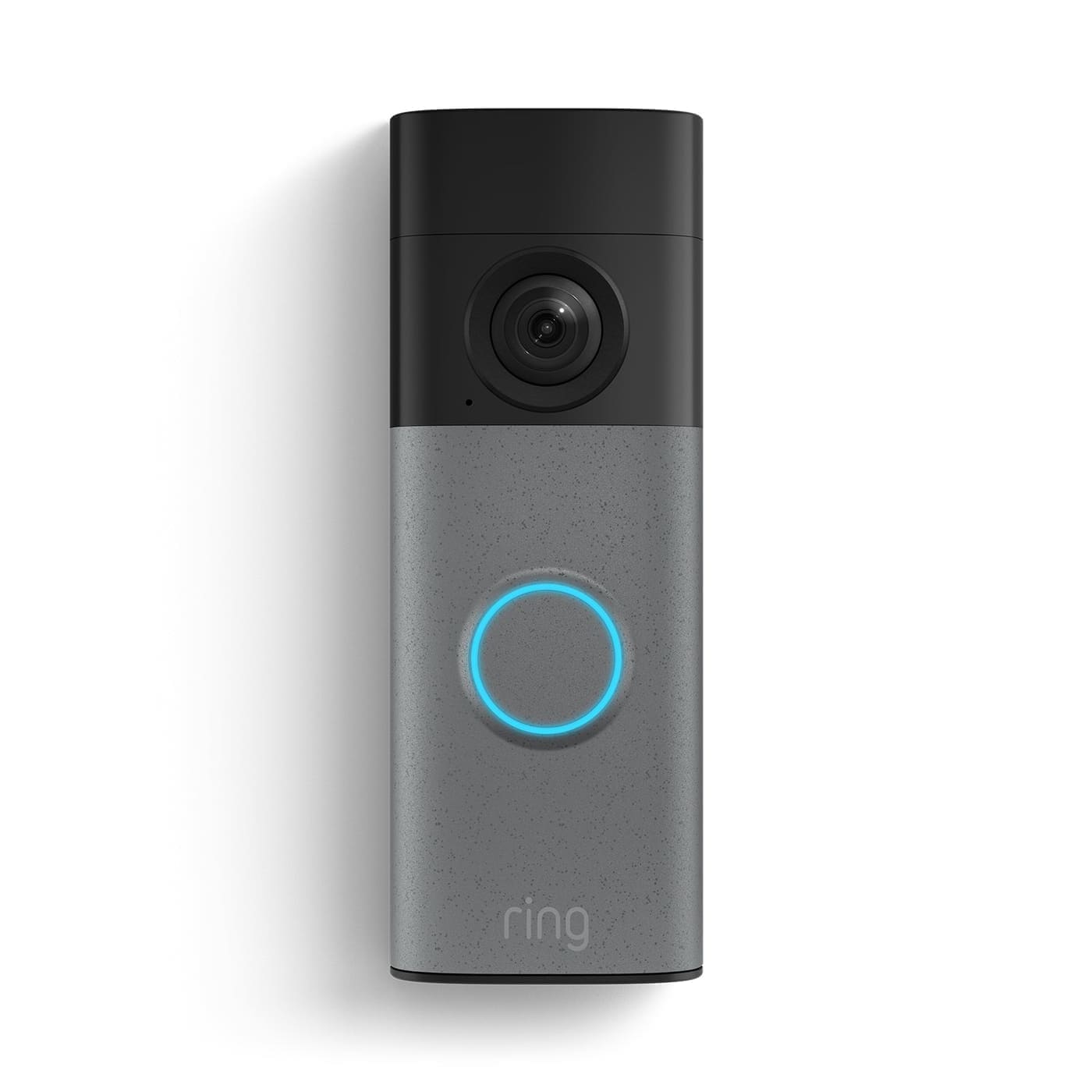
That puts it roughly in line with mid-range rivals rather than at the budget end of the market. It undercuts the Ring Video Doorbell 4, which typically sells for £150–£180 before an annual Protect subscription, but it sits above budget picks such as the TP-Link Tapo D230S1. For a household weighing up total cost over several years rather than just the sticker price, the lack of a mandatory subscription is where the Reolink starts to look like better value — five years of Ring's Protect Basic plan alone can add up to close to what the doorbell costs to buy outright.
Installation and design
The doorbell mounts on a standard bracket, and Reolink includes an angled wedge in the box for corner installations — a common requirement on UK porches where the door frame doesn't face directly onto the path. Because it supports both battery and low-voltage wired power, buyers aren't locked into either approach at the point of purchase: households with an existing mechanical chime and transformer can wire it in for continuous power, while renters or anyone without existing doorbell wiring can run it entirely on battery and simply unclip it to recharge every few months. Reolink's app handles setup, motion zone configuration, and firmware updates, and the doorbell also supports two-way talk for speaking to visitors remotely, plus a physical chime option for households that don't want to rely on an app notification alone.
Home Assistant and smart home compatibility
Reolink already has one of the stronger third-party integrations for Home Assistant users, and the doorbell benefits from ongoing work on that integration. Home Assistant 2026.8, released 5 August 2026, added pre-siren entities and a proper motion device class to Reolink's AI-detection binary sensors — a small but useful refinement for anyone building automations around visitor detection at the front door. Reolink also lists native support for Amazon Alexa, Google Assistant, and IFTTT, so the doorbell fits into most existing UK smart home setups without extra hubs.
How it compares
Against the established UK doorbell market, the Reolink's strongest selling point is the combination of head-to-toe framing and no-subscription local storage — a similar formula to the picks in our best smart doorbells UK guide, where Eufy and TP-Link Tapo are the other subscription-free options. Compared with Ring or Eufy specifically, Reolink's AI detection is newer and less refined, but the Home Assistant integration is more mature than most rivals'; our Ring vs Eufy doorbell comparison covers how those two established brands stack up if Reolink's ecosystem doesn't suit you.
Verdict
The Reolink Video Doorbell (2nd Gen) is a strong option for UK buyers who already use Reolink cameras or Home Assistant and want to avoid a monthly subscription. The extended battery life from the new Qualcomm chip is a meaningful practical improvement, and head-to-toe framing plus flexible battery-or-wired power make it easy to fit into most UK homes. It isn't a wholesale replacement for Ring or Nest if you want the most polished app experience, but as a no-subscription doorbell with genuine Home Assistant support, it's one of the more compelling newer entries in the category.
If you are building out a Reolink system around this doorbell, note that the Home Hub 2 and two new cameras announced at IFA 2026 are due in the UK from October 2026.