Update, 30 September: Bloomberg now reports that Apple will announce the hub, a refreshed HomePod mini and a new Apple TV on 13 October. See the Apple smart home hub launch details.
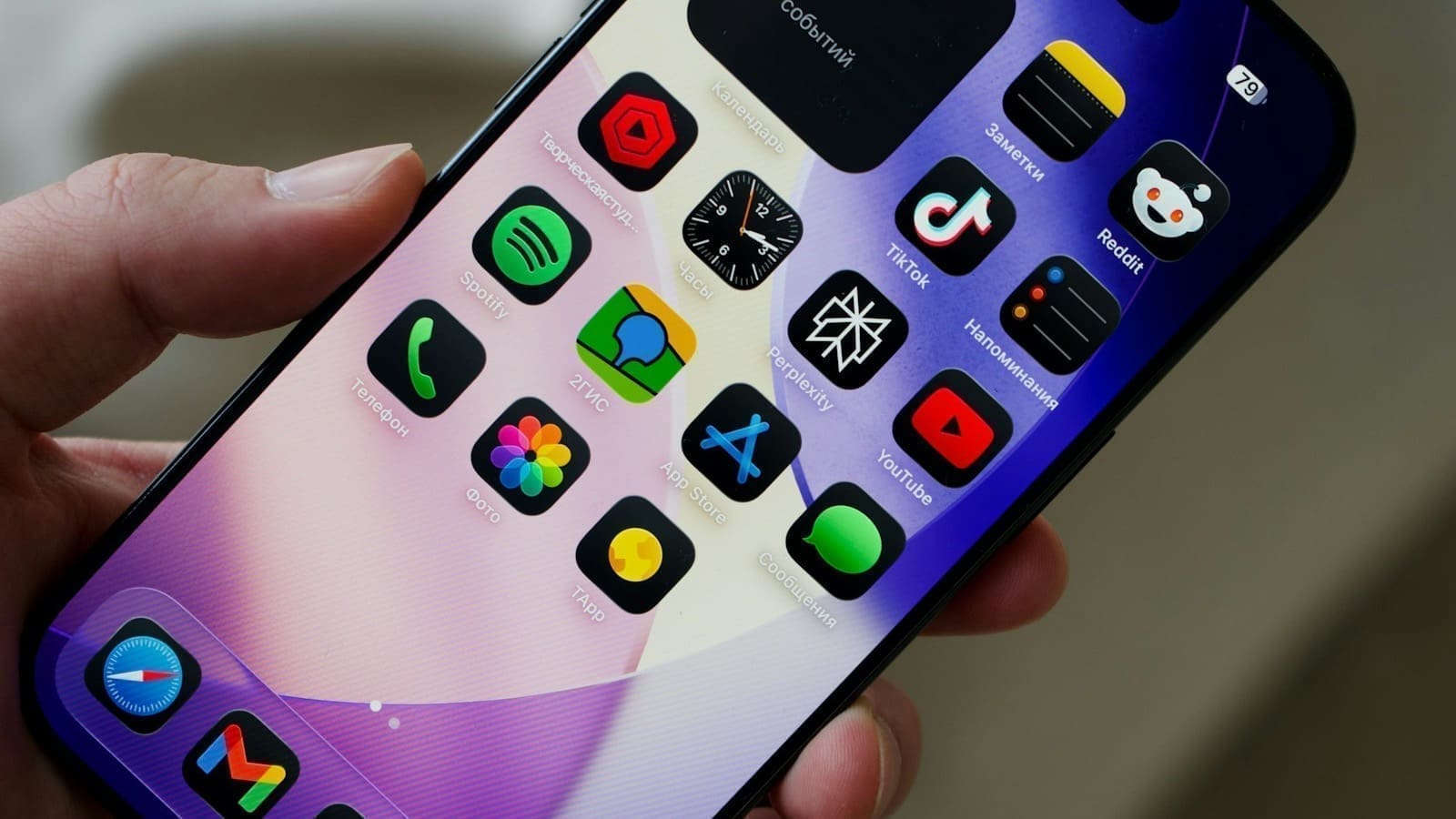
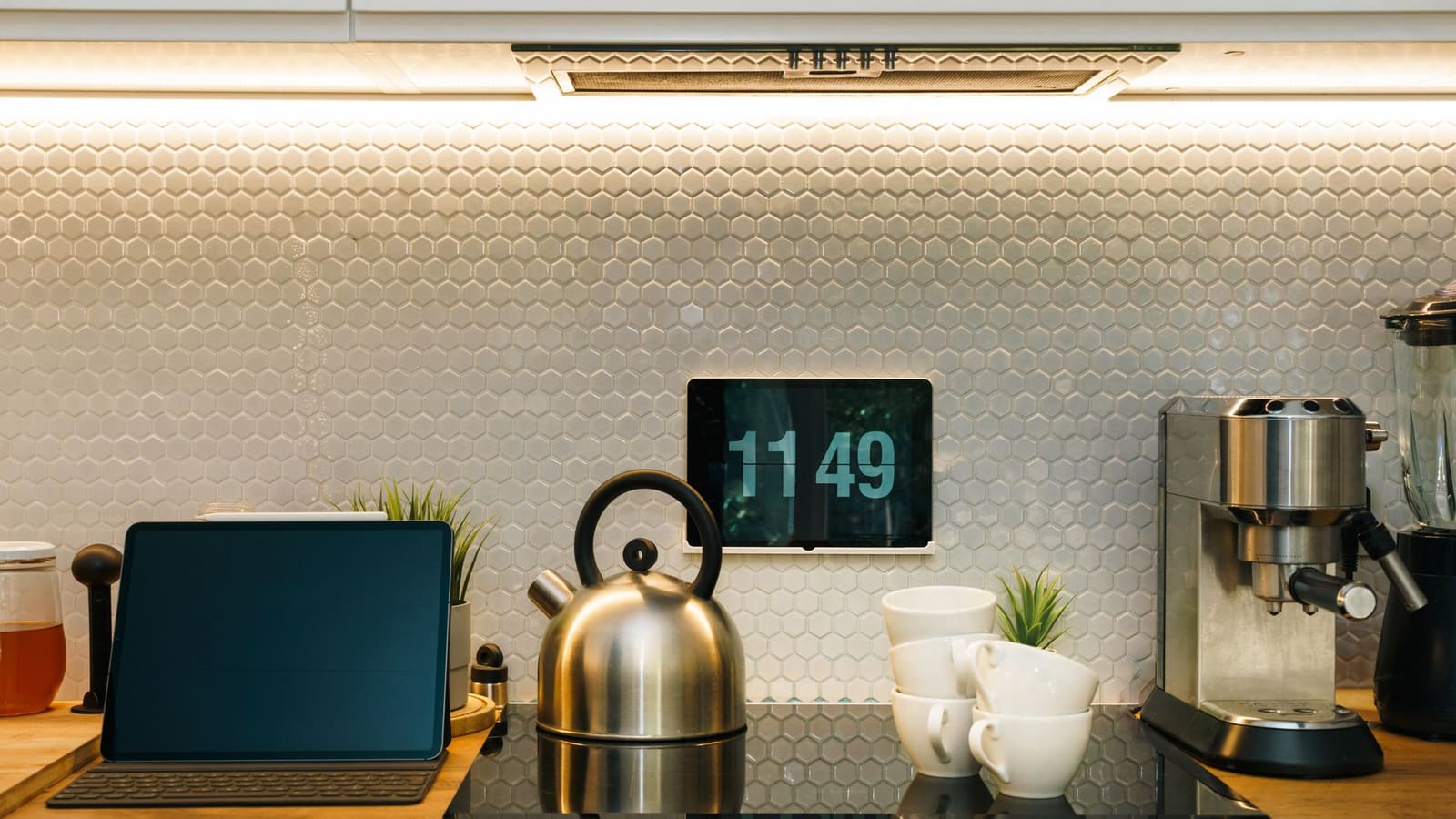
Apple's long-rumoured smart home hub — codenamed HomePad — has a new feature to add to the list: a Widget Gallery that mirrors the one already on iPhone, iPad and Mac. The find comes from MacRumors, which spotted references to the feature buried in the code of macOS Tahoe 26.7, an update that has already leaked a long list of unreleased Apple hardware. The gallery will let owners pick which widgets sit on the hub's home screen, and widgets already installed on a paired iPhone will be suggested automatically — including, reportedly, widgets from third-party apps, not just Apple's own. A Smart Stack will cycle through several widgets over the course of the day, and widget content is gated so it only appears on-screen when the linked iPhone is actually in the house. For anyone tracking Apple's slow build-up to a proper smart home push, it's a small but concrete detail in an otherwise rumour-heavy picture.
It's the same widget-picking interface Apple already ships on iOS, iPadOS and macOS, adapted for a stationary, always-on display. Rather than swiping through Home Screen pages, hub owners choose a set of widgets — weather, calendar, reminders, Home app shortcuts, or third-party widgets from apps that support the format — and the Smart Stack surfaces the most relevant one automatically as the day goes on. Because the hub is meant to sit on a kitchen counter or wall rather than live in a pocket, Apple's code reportedly restricts widget content to moments when the owner's iPhone is detected on the home network, which is a privacy safeguard against a shared, always-visible screen showing personal information (upcoming appointments, message previews) to anyone walking past.
When is Apple's smart home hub launching?
No confirmed date yet, but reporting from Bloomberg's Mark Gurman and others points to a window between October 2026 and early 2027. The device is expected in two forms: a tabletop version with a rounded, HomePod mini-style base and a wall-mountable version that attaches magnetically. Both are said to use a roughly 7-inch square display and run a new operating system built on the same foundations as tvOS, blended with elements of watchOS and iOS — a grid of icons, customisable clock faces, and now, per this leak, a widget system. Siri, powered by Apple's newer on-device AI models, is expected to be the primary way of interacting with the hub, alongside touch. Apple has not announced pricing, and nothing here should be treated as final until Apple confirms it directly — code found in a beta build describes engineering intent, not a shipped product.
How does this compare to Apple's other smart home hub plans?
The Widget Gallery is one piece of a much larger refresh. Our Apple smart home roadmap covers the fuller picture: a new HomePod, a video doorbell, and a wall-and-tabletop hub pairing that's meant to compete more directly with Amazon's Echo Show line and Google's Nest Hub. Widgets specifically put the hub closer to a genuine smart display than a glorified HomeKit remote — something reviewers have long said HomeKit's existing hardware, including the current HomePod, lacks. Whether third-party widget support is as open as the leak suggests, or restricted the way some HomeKit features have been in the past, will only become clear once Apple ships a public beta of the hub's software.
Should you wait for Apple's hub instead of buying a smart display now?
Not unless you're specifically committed to Apple's ecosystem. If you already run HomeKit and rely on Apple devices day-to-day, it's reasonable to hold off a purchase decision until pricing and a firm date land — likely by late 2026. If you're platform-agnostic or need a hub today, existing options like Echo Show or Nest Hub displays, or a Home Assistant dashboard on a wall-mounted tablet, remain the more proven route, since none of this is shipping hardware yet.
Frequently asked questions
- What is the Apple Home Hub Widget Gallery?
- It's a feature found in code inside the macOS Tahoe 26.7 update, reported by MacRumors on 18 August 2026, that describes a widget-picking interface for Apple's unreleased smart home hub. It works like the existing Widget Gallery on iPhone and iPad: owners choose which widgets — including, reportedly, third-party ones — appear on the hub's home screen, and widgets already set up on a paired iPhone are suggested automatically. A Smart Stack rotates between widgets through the day, and Apple appears to have built in a privacy gate so widget content only shows when the owner's iPhone is detected at home, rather than displaying personal information to anyone in the room. Nothing is confirmed by Apple directly; this comes from code analysis of a leaked beta build, not an official announcement.
- When will Apple's smart home hub be released?
- There's no official date. Reporting from Bloomberg's Mark Gurman and other outlets has pointed to a launch window as early as October 2026, extending into early 2027 if development slips. Apple is expected to release the hub in two hardware variants — a tabletop model with a rounded speaker base and a wall-mountable version — both built around a roughly 7-inch display and a new tvOS-based operating system. Apple has not confirmed pricing, features, or a release date, and details continue to shift as more of the software leaks ahead of launch, so treat any specific date as a rumour until Apple states one itself.
- Will the Apple Home Hub support third-party widgets?
- Early code references suggest yes — the Widget Gallery is expected to surface widgets from third-party apps already installed on a linked iPhone, not just Apple's own Calendar, Weather, and Home widgets. That mirrors how WidgetKit already works across iOS, iPadOS and macOS, where any app can offer a widget for the system gallery. However, this is based on unreleased, unconfirmed code found in a beta build, so the scope of third-party support — and whether Apple restricts certain widget types on a shared home display for privacy reasons — won't be confirmed until Apple ships a public beta of the hub's software closer to launch.
›How we researched this
Claims in this article are checked against primary sources — manufacturer specifications, official documentation, Which? research, Ofgem guidance, or gov.uk — rather than forum threads or video reviews. Where the author has direct hands-on experience with a product (most Home Assistant, Zigbee, and home-networking gear is running in his own homelab), that is stated explicitly in the text.
For categories outside that personal setup — such as boilers, heat pumps, and other areas that are traditionally a heating engineer's domain — verdicts are built from cross-referenced manufacturer data, published lab results, and vetted expert and owner reviews rather than a claim of personal hands-on testing. See the editorial policy for the full methodology.
Citing this page? Please use a dofollow link back to the original article — it helps us keep the data on this page accurate and up to date.