Quick verdict
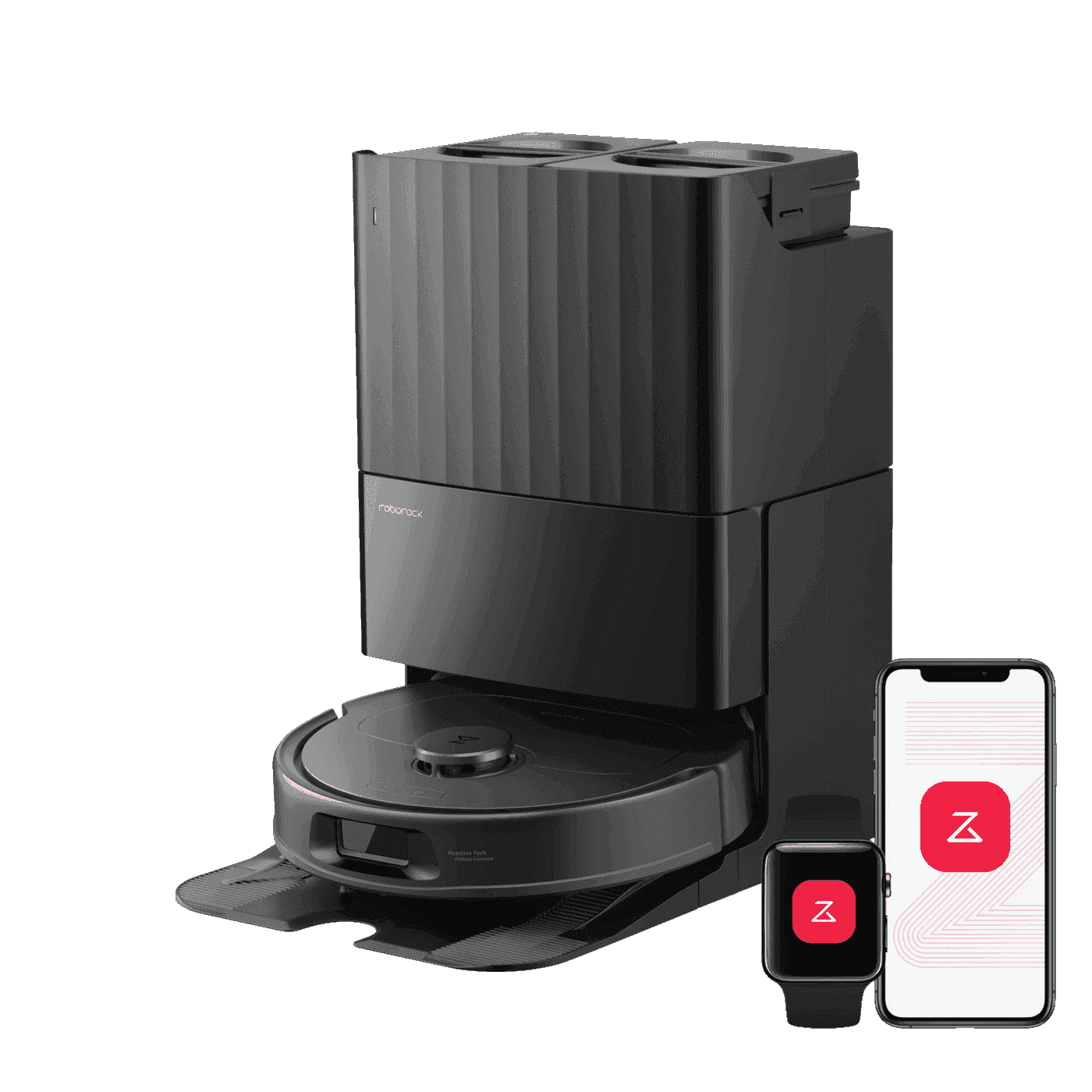
Roborock Qrevo QV35S is the safer buy if you want Home Assistant support that just works out of the box — it's a core integration, no HACS required, actively maintained by Home Assistant's own developers. Dreame L10s Ultra Gen 3 pulls ahead on raw cleaning power and dock features, and — despite having no official Home Assistant support — its community integration actually supports genuine local LAN control, something Roborock's official integration cannot fully claim. Which one wins depends on whether you value official support or true local control more.
Price and what you get
Both sit in the same £300–£500 bracket for a self-emptying, self-washing all-in-one dock robot, though list prices and street prices diverge noticeably.
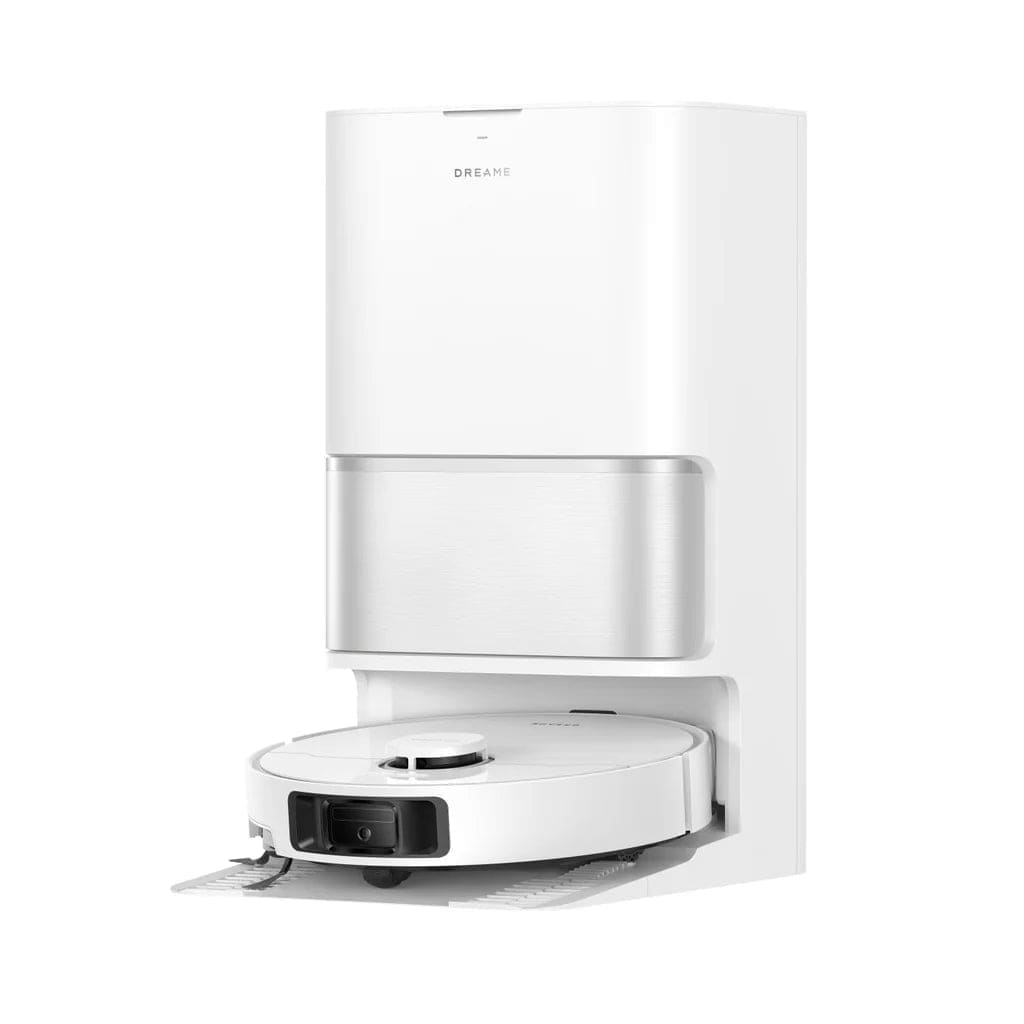
| Feature | Dreame L10s Ultra Gen 3 | Roborock Qrevo QV35S |
|---|---|---|
| Price | From £349 (Dreame UK direct) | From £299.99 (Amazon UK), £499.99 RRP direct |
| Suction | 25,000 Pa (Vormax™) | 10,000 Pa (HyperForce®) |
| Battery | 5,200 mAh — up to 231 min vacuum-only | 5,200 mAh Li-ion |
| Mopping | DuoScrub™ dual rotary mops, 32 moisture levels | Dual spinning mops, 200 RPM, auto-lift on carpet |
| Dock | Auto-empty (3.2 L bag, ~100 days), hot-air mop drying, auto water and detergent refill | Auto-empty, mop self-wash and cold-air drying, off-peak charging |
| Navigation | 3DAdapt™ dynamic laser + Pathfinder™, 4-floor mapping | PreciSense® LiDAR, Reactive Tech obstacle avoidance, 4-floor mapping |
| Voice assistants | Matter, Alexa, Google Home, Siri | Alexa, Google Home, Siri Shortcuts |
| Home Assistant | HACS community integration (cloud + local LAN mode) | Native core integration (local polling, cloud-dependent) |
Prices move around often on both — Roborock in particular is frequently discounted well below its £499.99 list price on Amazon UK, so it's worth checking current pricing before deciding on spec alone.
Home Assistant integration: the deciding factor
This is where most buying guides stop short, and it's the part that actually matters if you're reading this site.
Roborock has a native integration built into Home Assistant core — no HACS install required. It's technically local: Home Assistant polls the vacuum directly on your network roughly every 30 seconds for status, room maps, and commands like start, stop, dock, and fan speed. Room-by-room cleaning works by mapping Roborock's rooms to Home Assistant areas. The catch is that the vacuum itself still needs a working internet connection to reach Roborock's servers — if it's offline, the local API stops responding until it can phone home again. So it's local-first in normal operation, but not fully independent of the cloud.
Dreame has no official Home Assistant integration at all. What it has instead is the community-maintained dreame-vacuum integration, installed via HACS, which supports both Dreame's cloud API and a genuine local LAN mode — provided Home Assistant and the vacuum sit on the same subnet. Once configured for local mode, it exposes live multi-floor maps, per-room cleaning, and automation events without touching Dreame's servers at all. It's less officially supported and depends on ongoing community maintenance, but it can end up more locally independent than Roborock's own first-party integration.
In short: Roborock wins on being official and low-maintenance; Dreame wins on genuine local autonomy if you're willing to set up LAN mode yourself. Neither is a bad choice for a Home Assistant setup — check our robot vacuum finder for the full list of what else works locally.
Cleaning performance and dock features
On paper, Dreame's 25,000 Pa suction figure dwarfs Roborock's 10,000 Pa, but Pa ratings from different manufacturers aren't measured identically, and both machines clean thick carpet and hard floors convincingly in this price bracket — the gap is nowhere near as dramatic in practice as the numbers suggest.
Where Dreame's L10s Ultra Gen 3 does pull ahead is the dock: alongside auto-empty and mop washing, it also auto-refills both the water tank and a detergent solution, and dries mops with genuine hot air through 20 spray nozzles (AceClean™ DryBoard). Roborock's QV35S dock covers the essentials — auto-empty, mop self-wash, cold-air drying, and notably faster off-peak charging — but skips the detergent refill and uses cold rather than hot air to dry mops, which can leave a faint smell if cleaning cycles are infrequent.
Both use LiDAR-adjacent navigation (Dreame's 3DAdapt dynamic laser vs Roborock's PreciSense LiDAR) and both map up to four floors, so neither has a meaningful edge in avoiding furniture or finding its way back to the dock.
Which should you buy?
Choose the Roborock Qrevo QV35S if:
- You want Home Assistant support that's officially maintained and just works, no HACS setup required
- You'd rather not tinker with local-network configuration for full local control
- Fast off-peak charging and a lower typical street price on Amazon matter to you
Choose the Dreame L10s Ultra Gen 3 if:
- You want the strongest suction and the most fully-featured dock (hot-air drying, detergent refill) in this price range
- You're comfortable installing a HACS integration and configuring local LAN mode for genuine cloud-free control
- Matter support matters for your wider smart home setup
Our pick for most Home Assistant users: the Roborock Qrevo QV35S. The native core integration means one less thing that can silently break after a firmware update, and it's usually the cheaper of the two on UK street price. But if you already run HACS integrations elsewhere and want the strongest cleaning hardware plus genuine local control, the Dreame L10s Ultra Gen 3 is the better machine — you'll just need to do a bit more setup work to get it fully off Dreame's cloud.
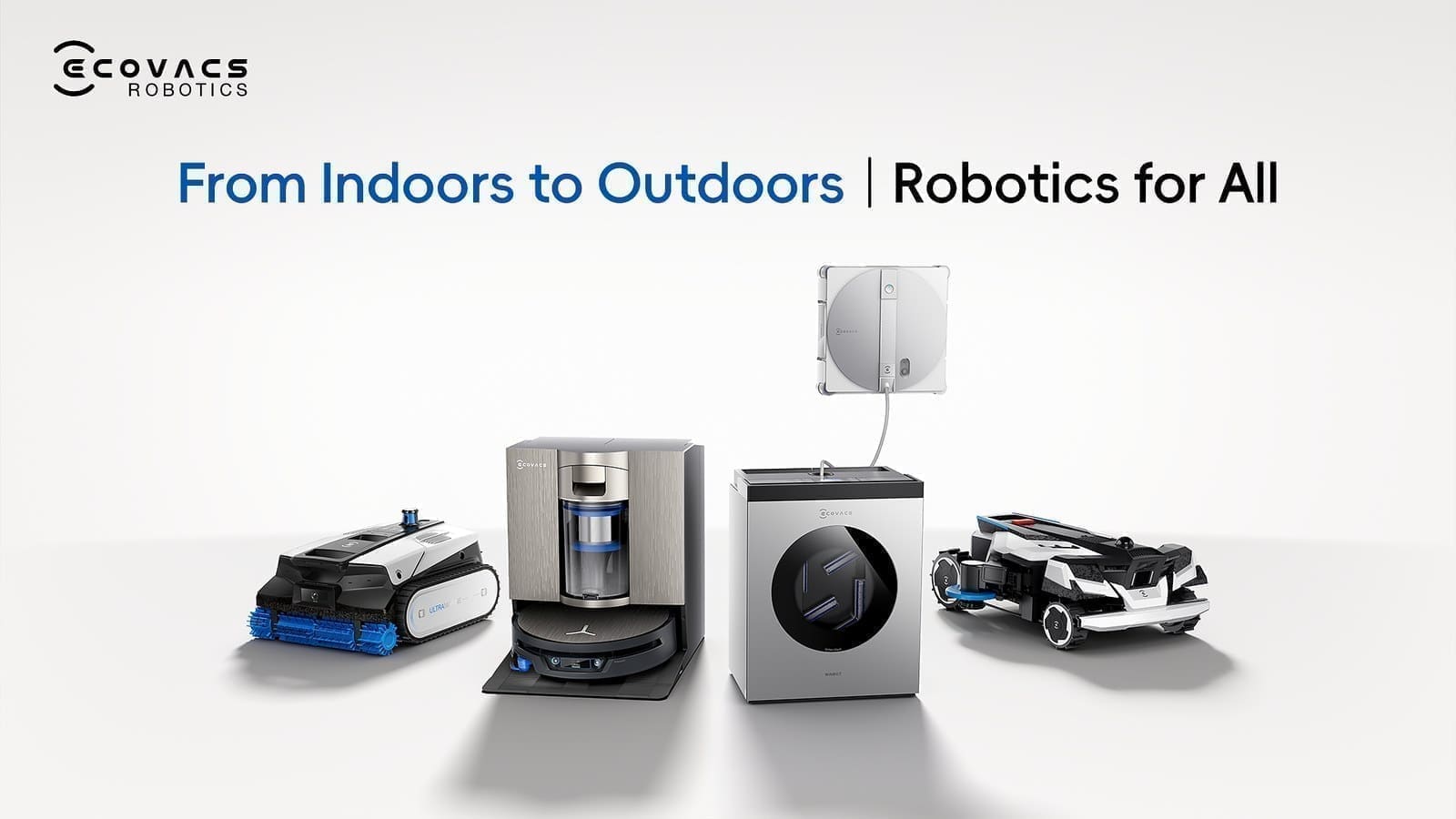
Robot vacuums aren't the only floor care getting smarter: at IFA Berlin 2026, Tineco showed off a 230°C steam mop and a vacuum dock that seals its own dust bags, though neither confirmed Home Assistant support at launch. Dyson also launched new robot vacuum hardware around the same event — see our coverage of the Dyson Nurovi range and HushJet air purifiers for why its closed MyDyson app puts it further from Home Assistant support than either Dreame or Roborock. Robot window cleaners are the newest category to run into the same wall: ECOVACS launched its WINBOT W2S PRO OMNI window-cleaning robot at IFA Berlin 2026, but Home Assistant's official Ecovacs integration covers DEEBOT vacuums and GOAT mowers only — WINBOT hardware isn't supported.
Ecovacs has also refreshed its flagship at IFA 2026 with the bagless Deebot X12S OmniCyclone, though its Home Assistant integration remains cloud-based like the two brands compared here.