What is Boiler Plus?
Boiler Plus is a mandatory minimum standard for domestic gas boiler installations in England. It amended Part L (Conservation of Fuel and Power) of the Building Regulations and came into force on 6 April 2018. The regulations apply to new boiler installations in existing homes — both like-for-like replacements and conversions — and cover gas-fired boilers including combination (combi), system, and regular (heat-only) boilers.
It is worth noting from the outset that Boiler Plus applies in England only. Scotland and Wales have their own separate regulatory frameworks for domestic heating. Northern Ireland is also covered by different legislation. If you live outside England, your installation will be subject to different rules — check with your local authority or a Gas Safe registered engineer for guidance specific to your region.
The core efficiency requirement
All new gas boilers installed under Boiler Plus must achieve a minimum ErP (Energy Related Products) efficiency of 92%. ErP is the EU-derived efficiency rating still used in the UK, expressed as a percentage. A-rated boilers — the only type now sold for domestic installation — typically achieve 92–94% efficiency under controlled test conditions.
In practice, almost every modern condensing gas boiler sold by reputable brands already exceeds this threshold. If a supplier or installer is quoting you a boiler with an ErP rating below 92%, that installation would be non-compliant with Building Regulations. This requirement applies to all boiler types: combis, system boilers, and regular boilers.
Alongside the efficiency threshold, all gas and oil boiler installations must include time and temperature controls as a basic minimum. This means a programmer or timer combined with a room thermostat — or an integrated smart control that fulfils both functions.
The additional measure requirement (combi boilers)
For combination boilers specifically, Boiler Plus goes further. Every new combi boiler installed in England must include at least one additional energy-saving measure from the following list of four options:
1. Weather compensation
Weather compensation adjusts the boiler's flow temperature based on the outdoor temperature. An external sensor feeds real-time data to the boiler's controls, modulating the output so that on milder days the boiler operates at a lower, more efficient temperature rather than blasting out full heat regardless of conditions outside. Systems with OpenTherm connections — which allow two-way digital communication between a thermostat and a compatible boiler — are particularly effective for this. Some boilers include weather compensation built in; others require an add-on sensor and controller.
2. Load compensation
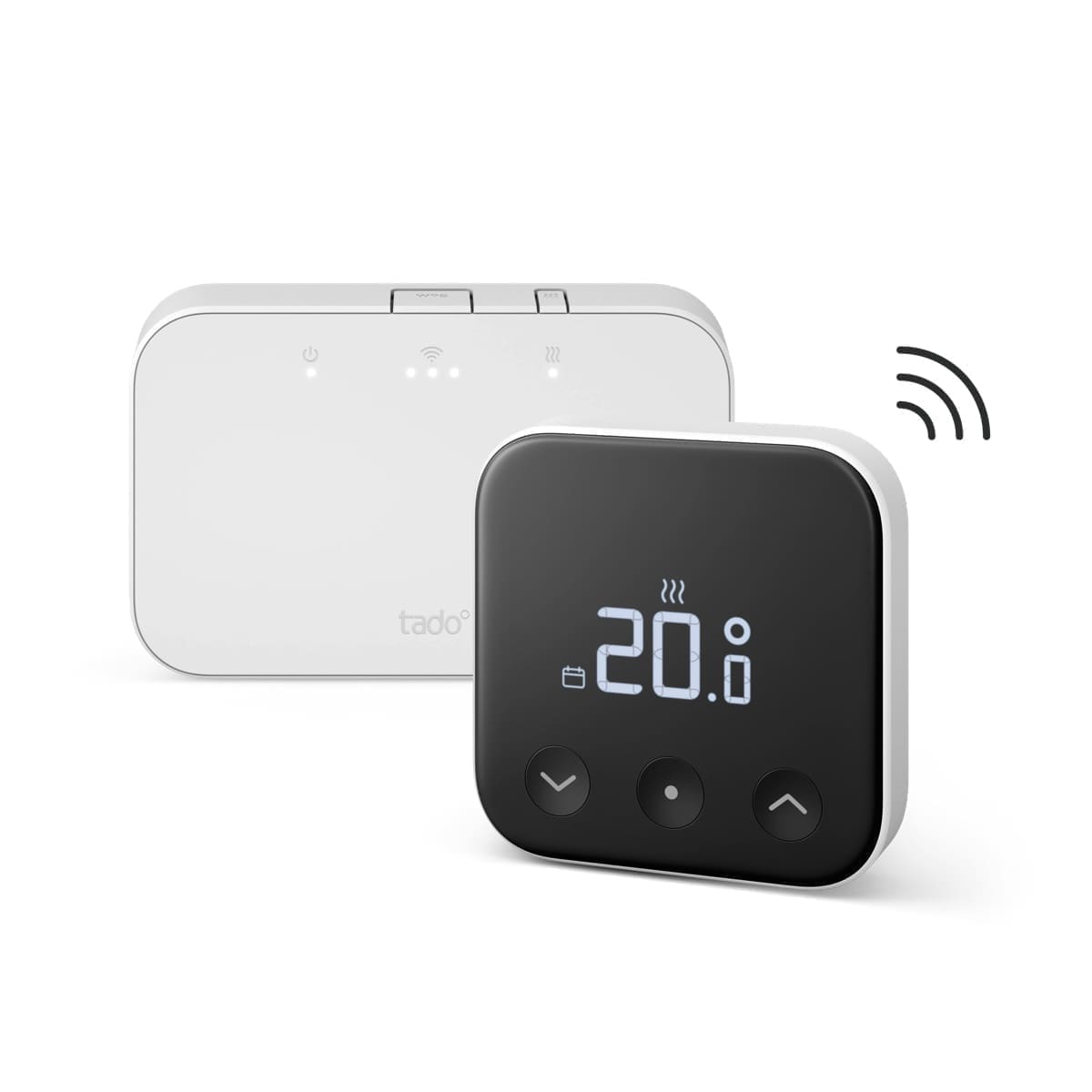
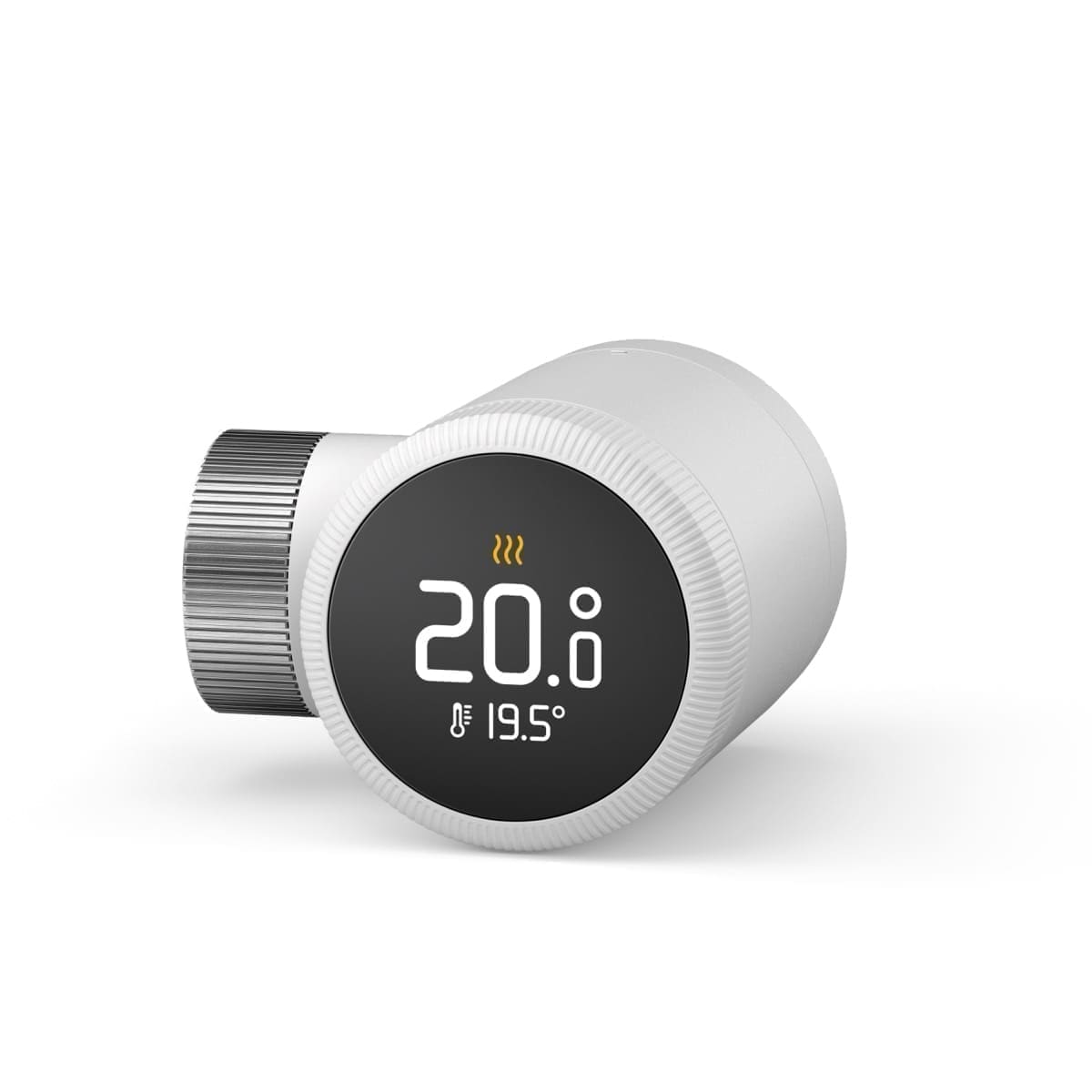
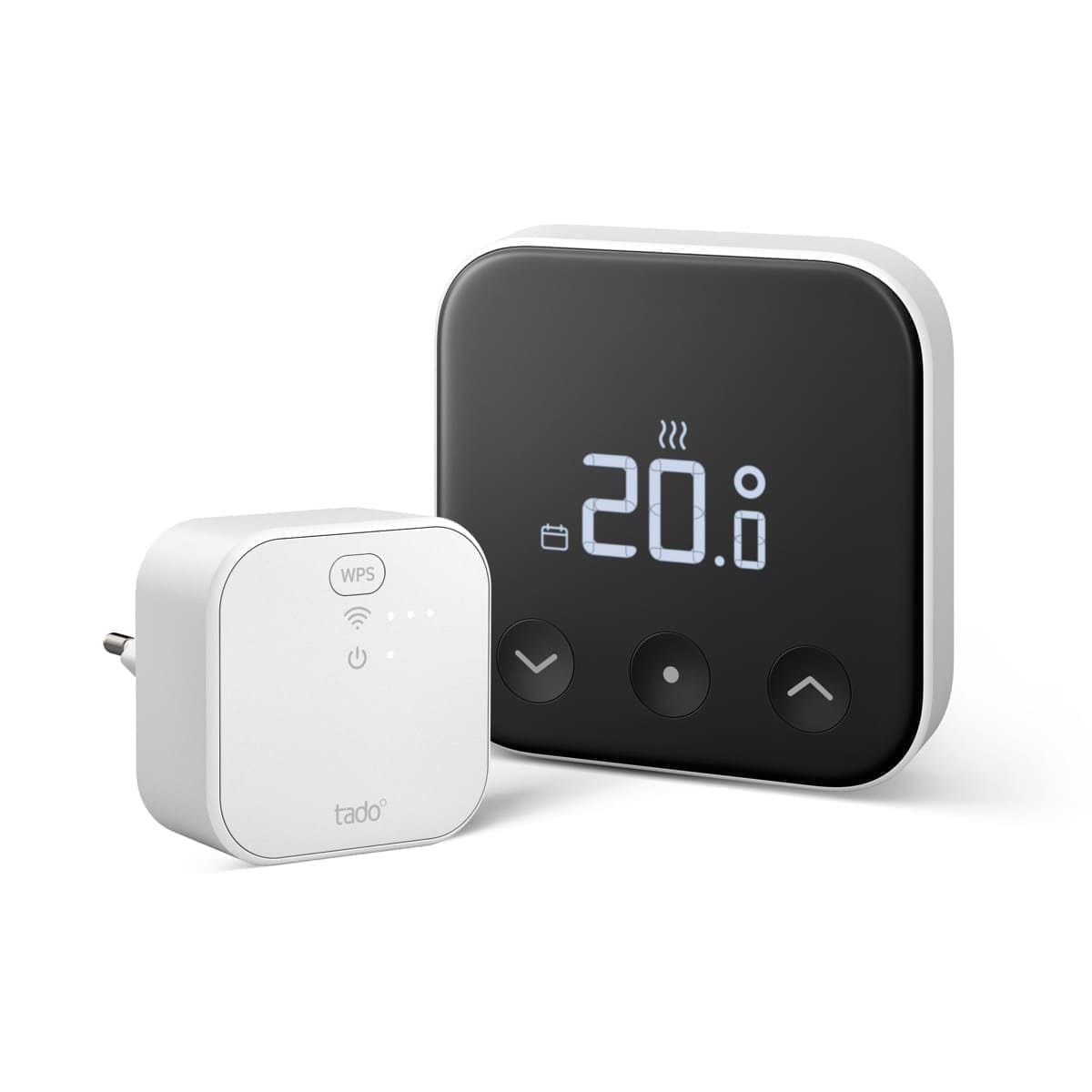
Load compensation works by measuring the difference between the actual room temperature and the target temperature set on the thermostat, then adjusting the boiler's output accordingly. If the room is close to the target, the boiler modulates down; if there is a large shortfall, it ramps up. This prevents the overshoot-and-cool cycle that reduces efficiency in less sophisticated heating systems. Load compensation is often built into modern smart thermostats — devices such as tado° use this principle and are Boiler Plus compliant when installed with a compatible boiler.
3. Flue gas heat recovery (FGHR)
A flue gas heat recovery system captures heat from the exhaust gases that would otherwise escape through the flue. Instead of being vented to atmosphere, that waste heat is used to pre-warm the cold water entering the boiler, boosting overall efficiency. FGHR systems are most effective in homes with high hot water demand. They are less common than thermostat-based options because they add to installation complexity and cost, but they are a legitimate compliance route where the householder wants to focus purely on the boiler hardware side rather than adding smart controls.
4. Smart controls with automation and optimisation
A qualifying smart thermostat must include automation and optimisation functions — not just remote access via a smartphone app. According to the government's guidance, the system must be able to learn or optimise heating schedules automatically, not simply allow the user to switch the heating on remotely. This is an important distinction: a basic Wi-Fi thermostat that only lets you adjust the temperature from your phone would not necessarily qualify, whereas a thermostat with schedule learning, occupancy detection, or predictive warm-up does. For guidance on which models meet this standard, our roundup of the best smart thermostats UK covers the leading options in detail, including which are Boiler Plus compliant.
Well-known smart thermostats that satisfy the Boiler Plus smart controls requirement include the Google Nest Learning Thermostat (which learns your routine and adjusts automatically), tado° (which uses weather data and room-by-room geofencing), and Hive Active Heating. Our Hive Active Heating review explains exactly what Hive's optimisation features do and whether they suit different heating setups. These systems give you the compliance tick while also providing meaningful day-to-day energy savings — which is the point of the regulation.
Does it apply to system and regular boilers too?
The requirement to install an additional energy-saving measure applies only to combi boilers. System boilers and regular (heat-only) boilers must meet the 92% ErP efficiency standard and must have time and temperature controls, but they are not required to include weather compensation, load compensation, FGHR, or smart controls under Boiler Plus.
That said, adding a smart thermostat or weather compensation to a system or regular boiler installation is still good practice and can meaningfully reduce running costs. The regulation sets a floor, not a ceiling.
Who enforces Boiler Plus?
Building Control at your local council is responsible for enforcing compliance with Building Regulations, including Boiler Plus. In practice, most boiler installations are carried out by Gas Safe registered engineers who self-certify their work through the Gas Safe Register's Competent Person Scheme — meaning they notify the local authority on your behalf within 30 days of completing the installation. You should receive a Building Regulations compliance certificate as part of the paperwork when the job is done.
Every engineer who works on a gas appliance in your home must be on the Gas Safe Register — this is a separate and pre-existing legal requirement under the Gas Safety (Installation and Use) Regulations 1998. You can check whether an engineer or company is registered at gassaferegister.co.uk. Never allow an unregistered person to carry out gas work in your home regardless of the price they quote.
What happens if an installation is not Boiler Plus compliant?
If an installer fits a boiler that does not meet Boiler Plus requirements, they are in breach of Building Regulations. This can result in prosecution by local Building Control, fines, and referral to the Gas Safe Register — which can suspend or remove an engineer from the register. For homeowners who knowingly permit non-compliant work, there is also a risk of prosecution and fines of up to £5,000.
Practically speaking, non-compliance can also cause problems when you come to sell the property. Solicitors routinely ask for Building Regulations completion certificates, and a missing or incomplete certificate for a boiler installation can hold up or complicate a conveyancing transaction.
How to get the most from Boiler Plus
Rather than viewing the additional measure requirement as a hurdle, it is worth thinking about which option will genuinely save you the most money. For most homes in England, installing a qualifying smart thermostat alongside a new combi boiler is the most cost-effective route — the thermostat itself adds relatively little to the total installation cost and the ongoing energy savings can be significant.
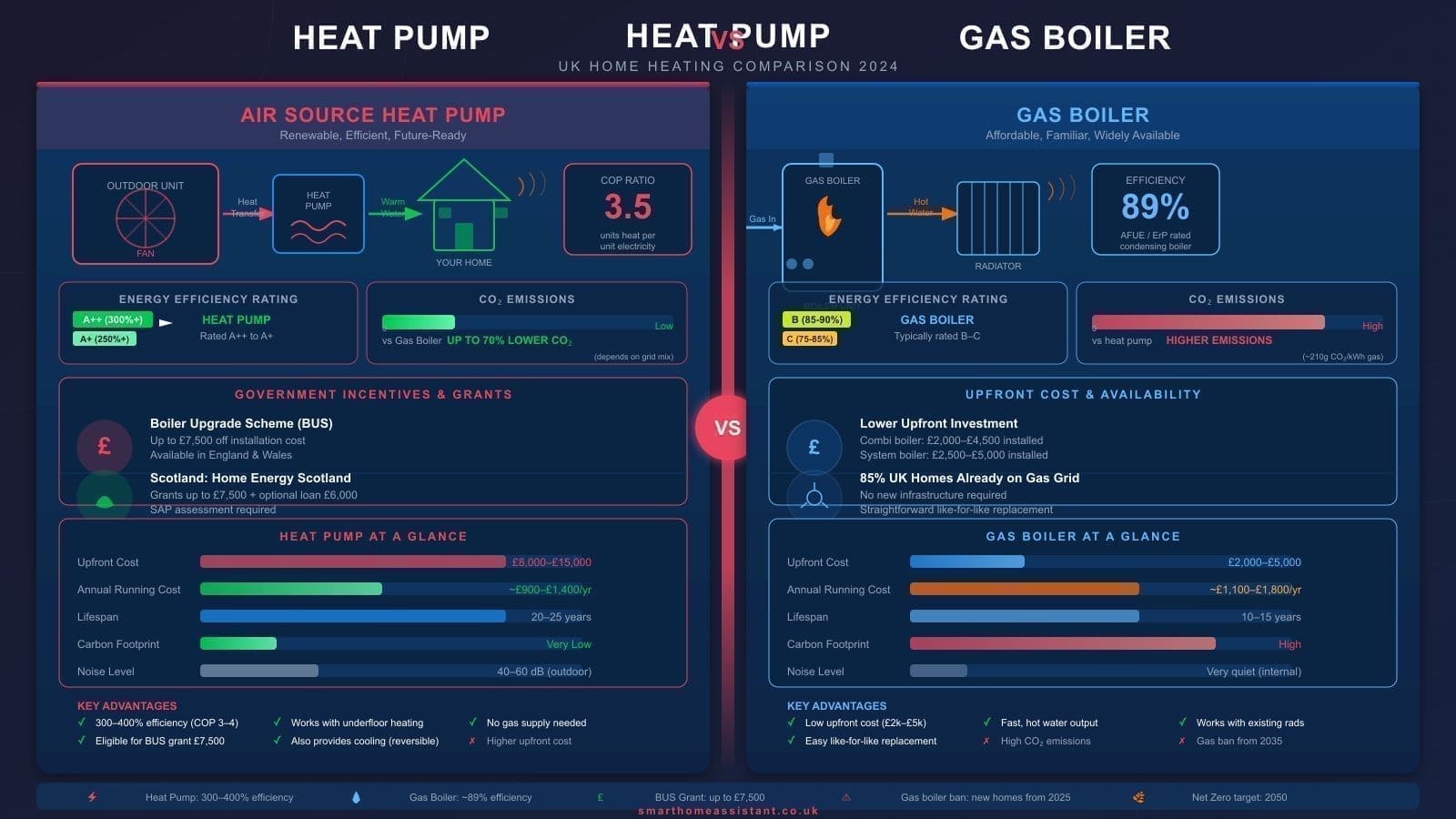
If you are also weighing up whether to stay with a gas combi boiler or switch to a heat pump, our comparison of best combi boilers UK covers the current top-rated models and their smart thermostat compatibility. Pairing a new high-efficiency boiler with a Boiler Plus compliant smart thermostat is the most straightforward way to meet the regulations and see a measurable reduction in your energy bills from day one.
Summary: Boiler Plus at a glance
Boiler Plus applies in England to all new gas boiler installations in existing homes. Any new boiler must achieve at least 92% ErP efficiency and include basic time and temperature controls. For combi boilers, one additional measure is also compulsory: weather compensation, load compensation, flue gas heat recovery, or a qualifying smart thermostat with automation and optimisation features. The installation must be carried out by a Gas Safe registered engineer, who will self-certify and notify Building Control. Keep your compliance paperwork — you will need it if you ever sell the property.