
How Infrared Panels Work
Conventional electric heaters and gas radiators heat the air in a room via convection. That warm air rises, cools, and circulates continuously — which is why cold draughts are still common even when a room is technically up to temperature. Infrared panels work differently. They emit long-wave infrared radiation (far-infrared), which passes through the air and is absorbed by solid objects. Those objects then re-radiate warmth gently back into the room.
The practical effect is that you feel warm more quickly, because your body and the surrounding surfaces are being heated rather than just the air above your head. There is also less temperature stratification — the ceiling is not significantly warmer than floor level. This makes infrared panels a good option for rooms with high ceilings, open-plan spaces, and conservatories where convective heating is inefficient.
Running Costs at UK Electricity Rates
Electricity is expensive in the UK. Under Ofgem's price cap, the unit rate for electricity is approximately 34p per kWh as of mid-2026. A typical 600W infrared panel therefore costs around 20p per hour to run at full power (0.6 kWh × 34p). A larger 1,000W panel costs roughly 34p per hour.
In practice, panels do not run continuously. Because infrared heat is stored in the fabric of the room — walls, floor, furniture — many users find that panels cycle on and off, reducing effective running time. Manufacturers often claim this results in lower average electricity use compared with convective heaters of equivalent output, though independent comparative data is limited. The honest position is that running cost depends heavily on your room's insulation quality, the panel's wattage, and your target temperature.
For a well-insulated 15 m² bedroom, a 600W panel running four hours a day would cost approximately £0.80 per day, or around £24 per month at 34p/kWh. This is broadly comparable with a modern electric radiator of similar output. The Energy Saving Trust notes that electric heating is generally more expensive to run than gas central heating in most UK homes, so infrared panels should be evaluated as a supplement to — or replacement for — other electric systems, not as an alternative to a gas or heat pump installation.
Leading UK Brands
Three manufacturers dominate the UK infrared panel market and are worth considering if you want a quality installation.
Herschel
Herschel is the best-known UK infrared brand, with a range covering domestic, commercial and outdoor applications. The Herschel Select XL is a popular choice for bathrooms and kitchens — it carries an IPX4 splash-proof rating, making it safe for zone 2 and 3 bathroom installations. Panels are available in white powder-coated steel, mirror and glass finishes. Herschel panels are backed by a five-year warranty and are manufactured to British standards.
Vitramo
Vitramo is a Finnish brand with a strong UK presence, focused on ultra-slim glass panels that double as design features. Their panels can be mounted on walls or ceilings and are available in custom colours. Vitramo's even heat distribution across the glass surface is achieved via a carbon-based heating element embedded behind tempered glass.
Redwell
Redwell is an Austrian manufacturer producing panels with a focus on thermal mass — their panels use a special plasterboard-based composite that stores and re-radiates heat. Redwell panels are thicker than most but are said to deliver a particularly gentle, even warmth. They are available through UK distributors and are favoured in architect-designed new builds.
Installation: Wall and Ceiling Mounting
Infrared panels can be mounted on walls or ceilings, connected to a standard 13A plug or wired directly to a fused spur. Ceiling mounting is generally preferred for even heat distribution across the room, while wall mounting works well as a focal point — particularly for mirror or glass panels used in bathrooms or living spaces. No plumbing is required, which significantly reduces installation complexity and cost compared with wet radiators or underfloor heating.
Wiring a panel to a fused spur is a Part P notifiable electrical job in England and Wales, so it should be carried out by a registered electrician unless you are confident in your qualifications. Plug-in versions avoid this requirement and are a lower-cost way to trial infrared heating in a specific room before committing to a full installation.
Smart Controls and Integration
One of the advantages of infrared panels is how easily they integrate with smart home systems. Because they are purely electric, there is no boiler or zone valve to configure — control is simply a matter of switching the power on and off, or varying it.
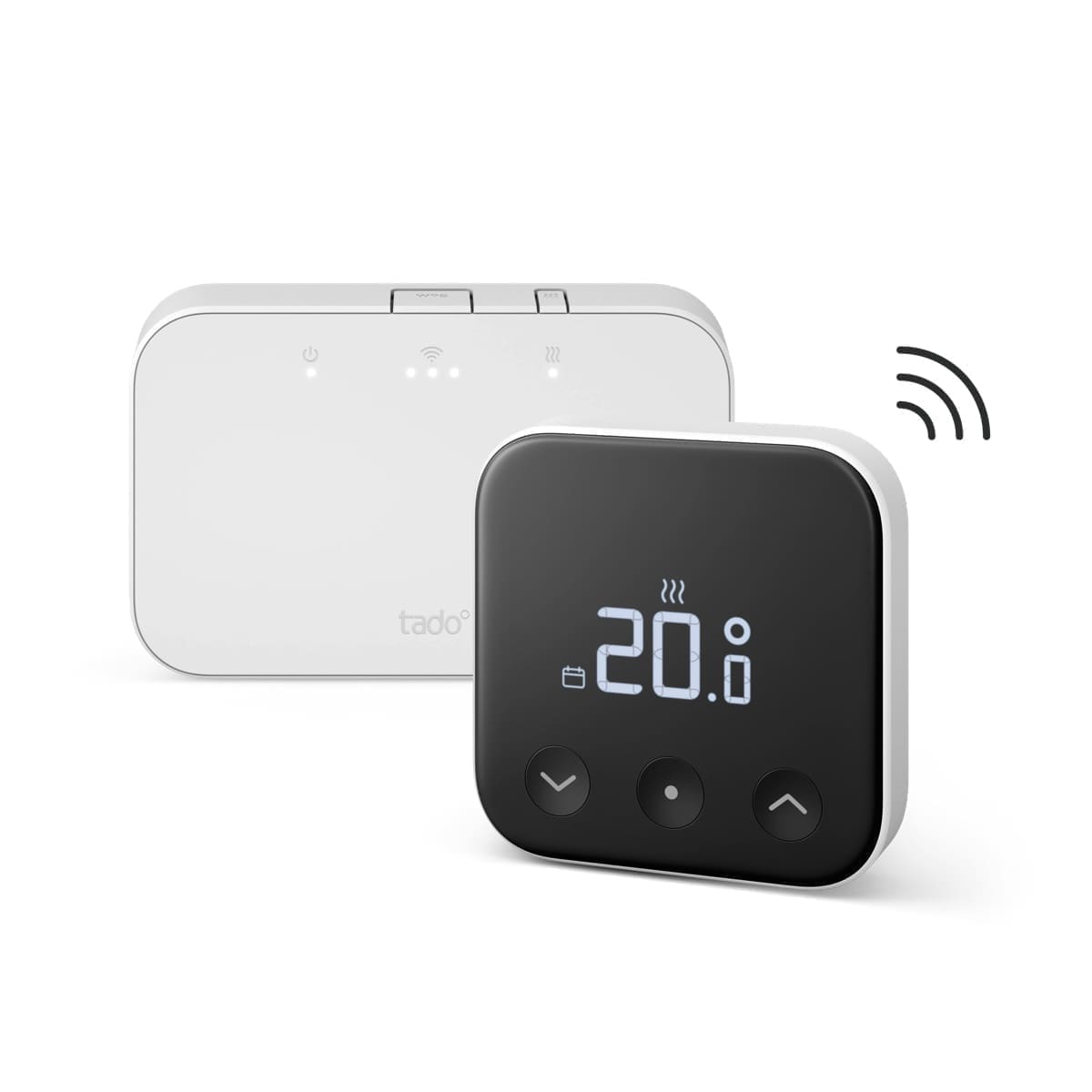
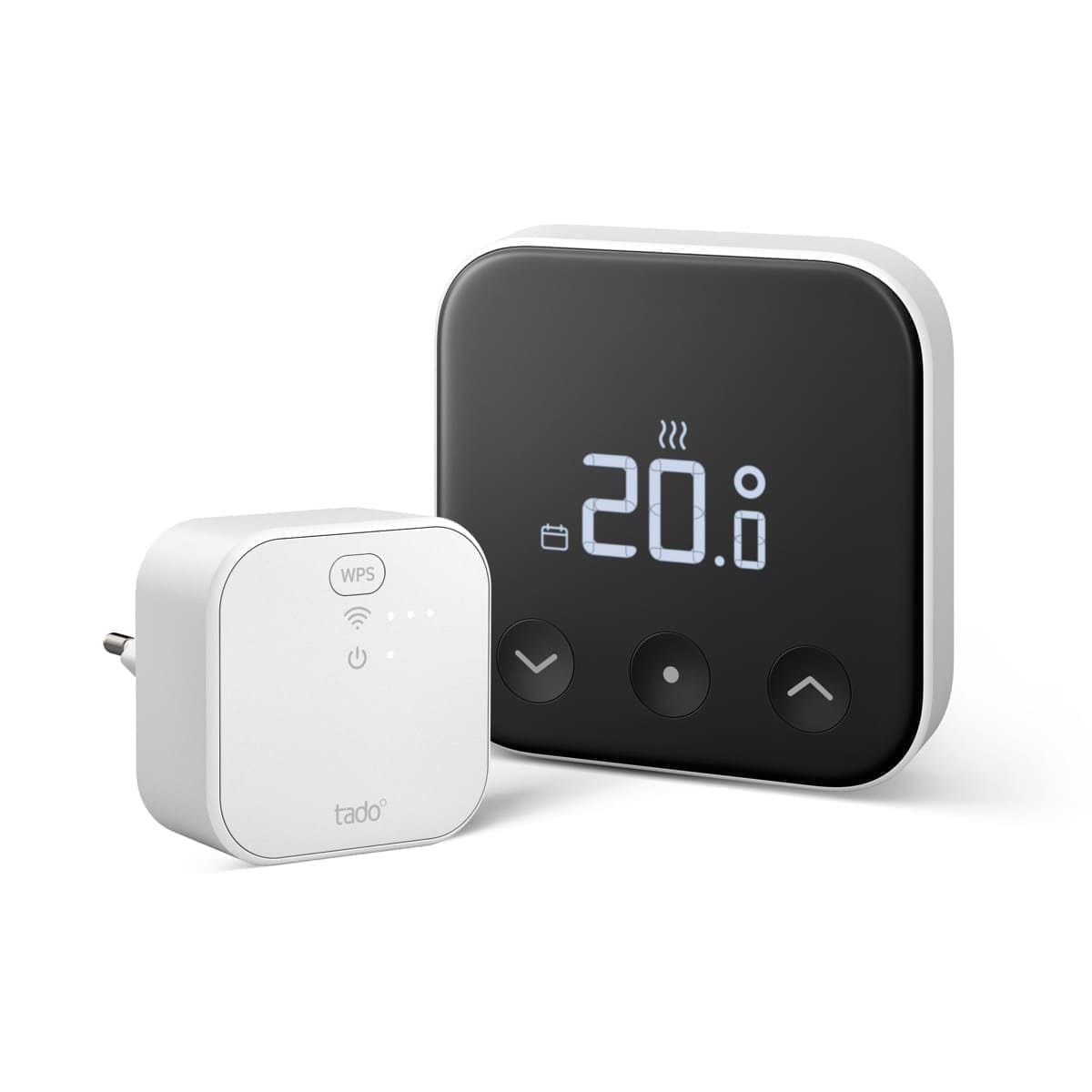
Smart plugs are the simplest option for plug-in panels. A Tapo P110 or similar energy-monitoring smart plug lets you schedule heating times and track actual consumption from your phone. For panels wired to a fused spur, a smart thermostat with a dry-contact relay output can control the circuit. Herschel's own iQ range includes dedicated infrared-compatible thermostats.
For whole-home automation, panels can be integrated with Home Assistant via a smart plug integration (TP-Link Tapo, Shelly, etc.) or via a dedicated controller. This lets you create schedules tied to occupancy sensors, time-of-use tariffs or weather data. If you are tracking your home's energy use, pairing panels with Home Assistant energy monitoring gives you per-circuit consumption data that is especially useful for understanding which rooms are costing the most to heat.
For users who want a purpose-built smart heating solution, see our comparison of smart heating versus traditional systems, and our guide to whether smart heating is worth it in the UK — both of which cover the economics of electric zone heating in detail.
Aesthetics and Finish Options
Beyond white painted steel, infrared panels are available in a range of finishes that suit contemporary interiors. Mirror panels — such as those in the Herschel Inspire mirror range — function as a full-length or bathroom mirror when not in use. Glass panels in black, anthracite or custom RAL colours are common in Scandinavian-influenced interiors. Some manufacturers offer bespoke printed glass panels where a photograph or artwork is printed onto the surface, effectively making the heater invisible as a decorative feature.
This versatility is one reason architects and interior designers have embraced infrared panels in new builds and renovations where conventional radiators would compromise a clean aesthetic.
When Infrared Panels Work — and When They Do Not
Infrared panels work best as supplemental or primary heat in well-insulated rooms. In a room with good insulation, double or triple glazing, and minimal draughts, the radiant heat warms the thermal mass of the building fabric, which then re-radiates warmth back into the space — reducing the amount of time the panel runs at full power.
In a poorly insulated or draughty room, however, infrared panels struggle. Radiant heat that warms a wall or floor is quickly lost through a single-glazed window or an uninsulated roof. In these conditions, a panel will run almost continuously, and running costs will be high. The Energy Saving Trust's advice is clear: improve insulation first, then consider your heating system.
Infrared panels are also not a like-for-like replacement for gas central heating in most UK homes. Gas remains significantly cheaper per kWh — even after the boiler efficiency factor — than grid electricity. Unless you are on a green electricity tariff with a very low rate, or generating solar PV, the per-unit cost of infrared heating is higher than gas. They are, however, a practical replacement for storage heaters or direct electric radiators in off-gas properties, and a sensible zone-heating solution for rooms that are rarely used and therefore not worth including on a central heating circuit.
It is also worth noting that the carbon footprint of infrared panels depends entirely on the electricity grid mix. The UK grid is progressively decarbonising — the carbon intensity of grid electricity is falling year on year — which improves the environmental case for electric heating over time.
Maintenance
Infrared panels have no moving parts, no water circuits and no filters. They require no annual servicing, unlike gas boilers or heat pumps which typically need a yearly service contract. The only maintenance required is occasional cleaning of the panel surface. This low maintenance profile makes infrared panels particularly attractive for landlords and for properties in remote locations where boiler servicing is inconvenient.
Summary: Key Considerations
Before installing infrared heating panels, work through these questions:
Is the room well insulated? If not, infrared panels will be expensive to run. Prioritise insulation first.
Is this supplemental or primary heat? Panels work well as zone heaters in rooms that are only occasionally occupied. They are not a cost-effective replacement for whole-home gas central heating without serious insulation work.
What smart control do you want? A basic smart plug handles scheduling; a dedicated thermostat adds temperature-based control; Home Assistant integration opens up advanced automation.
What is your electricity tariff? At 34p/kWh, running costs are material. An Octopus Energy Agile or similar time-of-use tariff can significantly reduce running costs if you can shift heating to off-peak hours.
Related: best electric radiators UK, smart heating vs traditional heating, and heat pump vs gas boiler UK.