The Five Octopus Smart Tariffs
Agile Octopus
Best for: flexible households, EV owners, smart home automation. Agile Octopus updates electricity prices every 30 minutes, tracking the wholesale market. Rates typically range from around 6p/kWh during the night and early morning to 25p/kWh or more at peak times (roughly 4–7 pm) — compared with a standard variable rate of around 24p/kWh at the current Ofgem price cap. On exceptional days, prices can go negative, meaning Octopus pays you to use electricity.
Agile prices are published by 4 pm the day before, so you can schedule appliances, EV chargers, and hot-water immersion heaters in advance. An export version (Agile Export) lets solar or battery owners sell surplus electricity back to the grid at variable rates — during periods of high grid stress, these export prices can be very lucrative. Pairing Agile with a smart thermostat lets you pre-heat your home when electricity is cheapest, reducing heating demand during expensive peak hours.
Intelligent Octopus
Best for: EV owners who want zero-effort cheap charging. Intelligent Octopus is designed around electric vehicles. Octopus's platform communicates directly with compatible EVs and home chargers (supported brands include Tesla, Ohme, Volkswagen Group, and others) and dispatches charging automatically to the cheapest overnight windows. Off-peak EV charging rates are typically around 7.5p/kWh — a fraction of the standard rate. You simply plug in each evening and Octopus handles the rest.
Unlike Agile, you do not need to watch prices or set schedules; the intelligence is entirely on Octopus's side. The trade-off is that the cheap rate only applies to your EV charger, not whole-home consumption.
Octopus Go
Best for: EV owners or night-time appliance runners who want simplicity. Octopus Go offers a fixed cheap rate overnight — typically around 7.5p/kWh for a four-hour window (usually midnight to 4 am or similar, which can vary). Outside that window you pay the standard unit rate. It is simpler than Agile because there is no price volatility to manage: you know exactly what the cheap rate will be. Go is a good starting point if Agile's half-hourly variability feels daunting.
Octopus Tracker
Best for: confident energy consumers who want wholesale pricing with more predictability than Agile. Octopus Tracker follows the daily wholesale electricity price, updated once per day. The unit rate and standing charge are fixed components on top of that daily price. This gives more stability than Agile's half-hourly swings, while still allowing you to benefit when wholesale prices are low — for example, during windy periods when UK wind generation is high.
Tracker suits households that cannot shift consumption to specific 30-minute windows but are willing to adjust usage day-to-day based on tomorrow's announced price.
Octopus Flux
Best for: solar + battery households. Flux is built around a solar-and-battery arbitrage cycle: buy electricity cheaply overnight to fill your battery, use it (or sell it) during the expensive daytime peak. There are three periods — cheap overnight import, standard daytime import, and a peak export window in the early evening. Flux works with most home battery systems (givenergy, Sunsynk, SolarEdge, and others).
If you are considering solar, read our guide to the best solar panels for UK homes to see which systems pair well with Flux. For monitoring your solar generation and battery state in Home Assistant, see our Home Assistant solar monitoring guide.
Saving Sessions: Get Paid to Cut Consumption
Separate from the tariffs above, all Octopus customers (on smart meters) can opt into Saving Sessions. These are demand-response events triggered when the National Grid faces high demand — usually cold winter evenings. Octopus typically pays over 400p per kWh (£4+/kWh) of reduction compared with your baseline consumption during the event window. Sessions typically run for one to two hours.
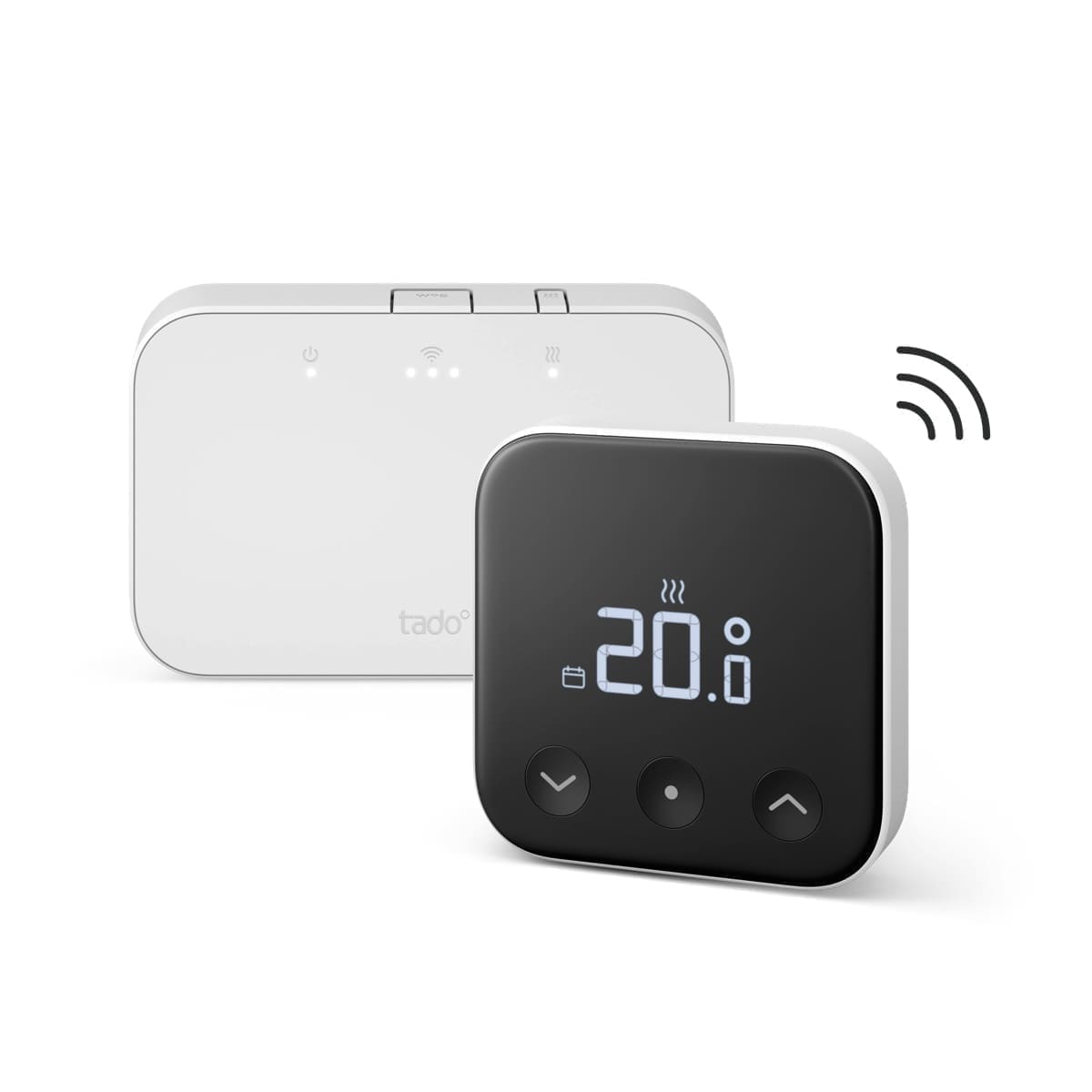
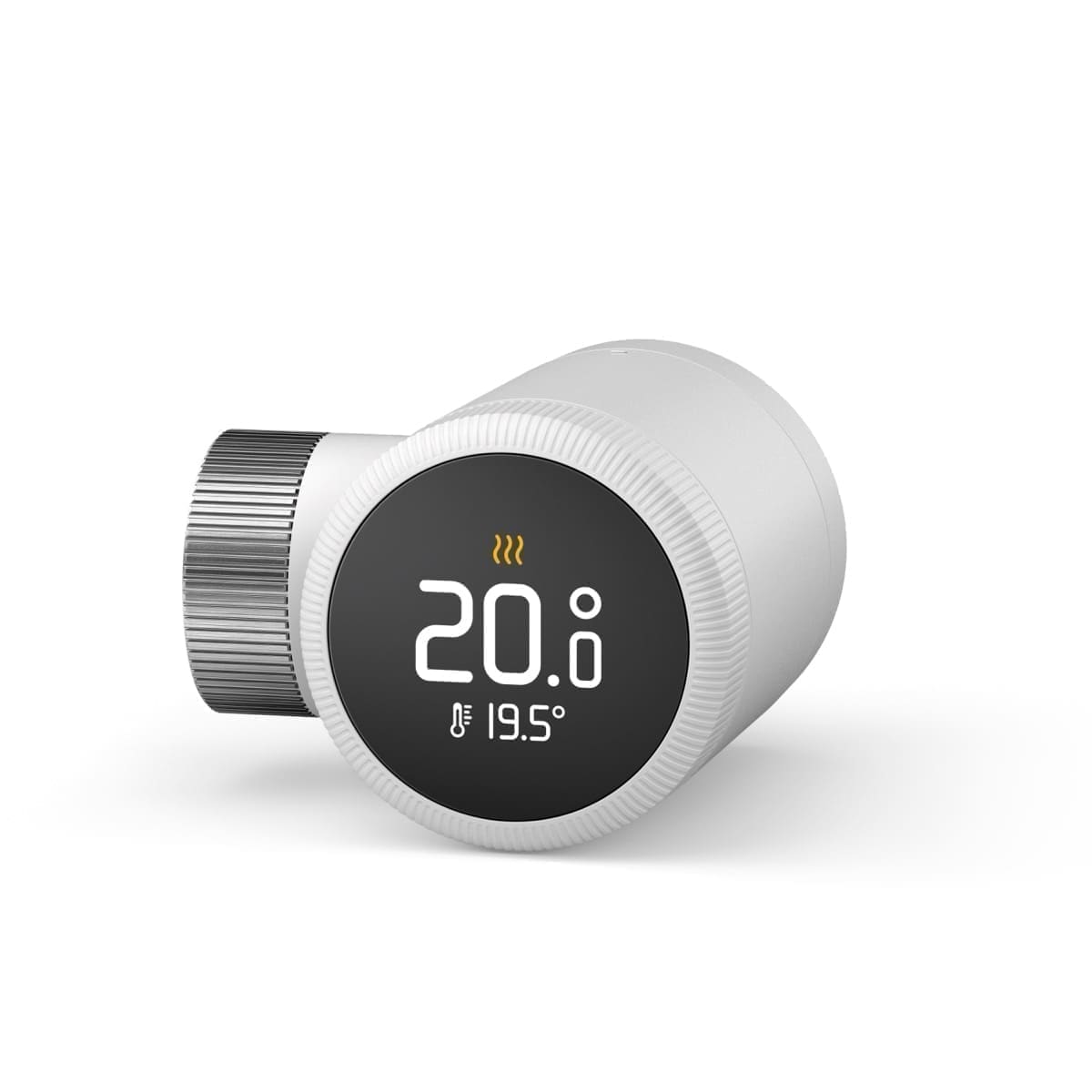
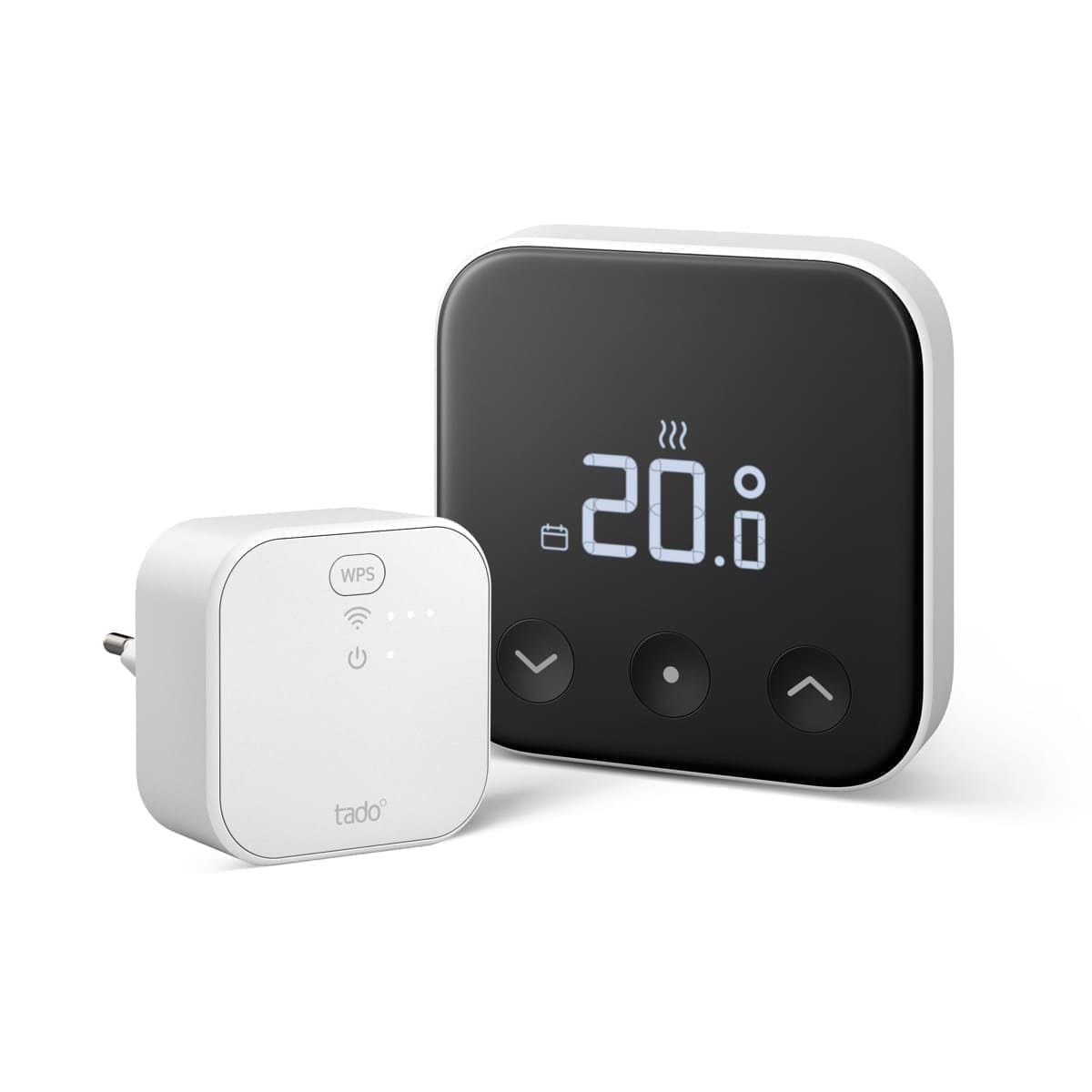
The smartest way to participate is to drop your heating setpoint by a few degrees during a session and let your home coast on stored heat. A tado° smart thermostat or Google Nest Thermostat makes this trivial — you can lower the temperature via app, automations, or Octopus's own Home Mini integration. Turning off immersion heaters, delaying dishwashers and washing machines, and briefly reducing EV charging during a session can also contribute to a significant earnings event.
Smart Home Automation with Agile Octopus
The real power of Agile comes when you automate your home around its prices. The Octopus Energy integration for Home Assistant (available via HACS, the Home Assistant Community Store) exposes real-time and forecast tariff rates as sensors. You can build automations that:
- Start the dishwasher or washing machine when the next 30-minute slot drops below a threshold (e.g. 10p/kWh)
- Pre-heat rooms using a smart thermostat before a cheap window closes
- Hold EV charging until the cheapest overnight slots
- Trigger battery charging from the grid when Agile goes negative
- Send a notification if a Saving Session is called
For a full walkthrough of setting up energy monitoring and automations, see our Home Assistant energy monitoring guide.
Which Tariff Is Right for You?
The answer depends on your consumption pattern:
- EV + don't want to think about it: Intelligent Octopus
- EV + want simple cheap overnight rate: Octopus Go
- Smart home automations + willing to shift loads by the half-hour: Agile Octopus
- Wholesale pricing with daily (not 30-min) granularity: Octopus Tracker
- Solar + battery + want to arbitrage export/import: Octopus Flux
In all cases, the bigger your flexible loads — EV, hot water cylinder, storage heaters, or home battery — the more a smart tariff can save relative to a standard variable rate. If storage heaters are part of your setup, our best smart storage heaters UK guide covers current models with app control and load-shifting — and if you're on a traditional Economy 7 tariff, see our guide to what a smart thermostat can and can't do in an Economy 7 home before relying on one to manage your storage heaters. Households with little flexibility (gas central heating, no EV, fixed routine) may find the savings modest and could prefer the simplicity of a standard capped rate.
Getting Started
If you are not yet an Octopus customer, you need a SMETS2 smart meter (or an upgraded SMETS1). Octopus installs these free of charge and can usually fit one within a few weeks of joining. Once your meter is sending half-hourly data — typically within 24–48 hours of installation — you can switch to any of the above tariffs directly in the Octopus app. There is no exit fee and you can switch tariff again at any time.
Switching between Agile, Go, or Tracker is free; moving to Flux or Intelligent Octopus requires a compatible battery or EV charger respectively. Octopus's website maintains a live list of compatible devices for each tariff.
Related: Home Assistant solar monitoring, smart home energy saving tips, best smart thermostat UK, and — if you run a heat pump specifically — our best heat pump tariffs UK comparison.