
How Did We Choose These Storage Heaters?
We compared current UK-market storage heaters across manual, automatic and Wi-Fi smart control types, so the list covers every budget. Criteria, in order: Lot 20 compliance, real UK retail availability with a published price, warranty length, and — for HHR and smart models — independently stated running-cost savings versus a basic manual heater. We excluded discontinued ranges and anything we couldn't find on a current UK retailer or manufacturer site.
How Do Storage Heaters Work?
All storage heaters work the same way regardless of price: a stack of high-density ceramic bricks inside the case soaks up electrical energy overnight and radiates it back out as heat during the day. What separates a £180 manual heater from an £800 smart one is how the charging decision is made.
A manual storage heater has two dials — overnight input and daytime output — set by hand, guessing how much heat the next day needs. A semi-automatic model adds a room thermostat that trims daytime output but still needs a manual overnight setting. An automatic (electronic) model, like the Dimplex XLE, uses a seven-day programmer instead of a dial. A smart model goes furthest: sensors and an algorithm learn usage patterns and room temperature, then calculate exactly how much overnight charge is needed automatically, usually with app control.
High heat retention (HHR) is separate from control type: it describes insulation and brick density, not automation. An HHR heater wastes less heat whether charged manually or automatically — a manual HHR heater usually runs cheaper than a non-HHR automatic one of the same size.
What Is Economy 7 and How Do Off-Peak Tariffs Work?
Economy 7 is a dual-rate electricity tariff that gives you seven hours of cheap overnight electricity — typically around 00:30–07:30, though the exact window varies by region and meter type. As of Q2 2026, Ofgem's electricity price cap sets the standard unit rate at 24.67p/kWh; Economy 7 night rates from major suppliers currently sit in the range of roughly 12–16p/kWh, with some competitive tariffs below that. If at least 40% of your total electricity consumption falls in the night window, Economy 7 will cost less overall than a flat-rate standard tariff.
Storage heaters are the classic Economy 7 load, on any control type — manual, automatic or smart. They can also take advantage of newer dynamic tariffs: Octopus Energy smart tariffs such as Octopus Go and Agile can deliver overnight rates well below Economy 7 fixed rates. A basic manual heater doesn't need any smart features to benefit — its charge dial is simply set the night before to line up with whichever off-peak window your tariff gives you. Wi-Fi models with app control, like the Elnur PROSSH range, let you fine-tune that window remotely if your cheapest hours ever shift.
Are storage heaters worth it in 2026?
Storage heaters are worth it in 2026 for any home without mains gas on an Economy 7-style tariff. They're cheaper to run overnight than direct electric heating on a flat-rate tariff, need no gas connection or flue, and Lot 20-compliant models are considerably more efficient than what they typically replace. The case is weaker if your usage is unpredictable or you need instant, on-demand heat — see the alternatives below.
What Are the Best Storage Heaters in the UK?
1. Dimplex Quantum RF — Best Overall (Smart)
Best for: most homes replacing old storage heaters who want the lowest running cost. The Quantum RF is Dimplex's flagship high heat retention (HHR) storage heater and the most specified model in new housing developments across the UK. Its dynamic charge-and-control algorithm learns your household's heating pattern over time, factoring in room temperature and external weather data to set the overnight charge level automatically. Three heating timers each offer four daily time-and-temperature slots. Pair it with the optional Dimplex Control Hub and you can manage every heater in the house from the Dimplex app.
The Quantum is Lot 20 compliant, SAP Appendix Q accredited, and carries the BEAB Approved Mark. Dimplex claims running costs up to 27% lower than a standard storage heater. Models range from 0.5 kW to 1.5 kW storage input; prices start from around £835 inc VAT depending on retailer and model size. A five-year warranty is available on registration.
2. Creda TSR — Best Manual/Basic
Best for: rental properties, holiday lets, and buyers who don't want an app. Creda's TSR range is one of the most widely fitted manual storage heaters in the UK, using the classic two-dial layout: an input control set the night before to fix the overnight charge, and an output damper adjusted during the day to release heat as needed. There's no thermostat, sensor or algorithm — just a straightforward mechanical design that's cheap to buy and simple for a landlord or tenant to operate without training.
The trade-off is efficiency: without automatic charge control, manual heaters like the TSR routinely over- or under-charge relative to actual demand, so running costs are typically higher than an equivalent HHR or smart model for the same square footage. Models are available from roughly 1.7 kW to 3.4 kW storage input, with typical UK retail prices from around £180 to £320. Creda's current warranty on new TSR units is two years — shorter than the five-year cover typical of Dimplex and Elnur's smart ranges, reflecting the simpler electronics inside.
3. Elnur PROSSH — Best Wi-Fi Smart Storage Heater
Best for: app-controlled, voice-assistant-integrated heating. Elnur's PROSSH range puts full smartphone control at the centre of the experience. Via the optional G-Control Hub, each heater connects to the home Wi-Fi; the Elnur app (iOS and Android) then lets you set schedules, adjust output, check energy consumption, and override the automatic charge level from anywhere. The system is compatible with Amazon Alexa and Google Assistant for voice control.
Four models cover different room sizes: PROSSH158 (975W storage input, suitable for small bedrooms), PROSSH208 (1,300W), PROSSH308 (1,950W), and PROSSH408 (2,600W for larger living rooms). Each model also includes a balancing element — a direct convection heater that supplements stored heat if demand is unexpectedly high. Prices range from approximately £375 to £555 depending on model. Five-year warranty included. Lot 20 compliant.
4. Elnur Ecombi ECOSSH — Best for Retrofit (Single Supply)
Best for: properties without Economy 7 wiring. The ECOSSH is genuinely unique: its built-in digital time switch means it can operate from a standard single-circuit supply rather than the twin Economy 7 feed that older units need. An electrician simply sets the off-peak window on installation to align with your tariff's cheap hours, and the heater handles the rest. It also supports multiple operating modes — Automatic Ecombi, Storage-only, Combined storage-and-convection, Convection-only, and Frost Protection.
Available models include the ECOSSH208 (1.3 kW) and ECOSSH408 (2.6 kW). The heater is Lot 20 compliant and comes with a five-year warranty. For a landlord upgrading a flat without Economy 7 wiring, or a homeowner in an older property, the ECOSSH avoids the cost and disruption of rewiring.
View on Storage Heater Sales →
5. Dimplex XLE Slimline — Best Budget Electronic
Best for: smaller rooms and buyers who want scheduling without an app. The XLE is Dimplex's entry-level electronic storage heater — automatic, but not smart, and not high heat retention. It offers a well-made, slimline unit with a seven-day electronic programmer, open-window detection, and an RGB backlit display, without the ceramic-brick density of an HHR model or the self-learning algorithm of a Quantum. That matters for running costs: it's better than a manual dial, but not as efficient as HHR. Models run from 0.5 kW (XLE070, around £620) to 1.5 kW (XLE150, around £839). For a spare bedroom or occasional-use room, the XLE is a cost-effective step up from a purely manual heater.
6. Elnur Gabarron ECOHHR — Best HHR Mid-Range
Best for: buyers wanting HHR performance without the Quantum price tag. The Elnur Gabarron ECOHHR sits between the budget XLE and the premium Quantum. It uses high-density ceramic bricks for genuine HHR performance, has an LCD display with advanced controls, and supports automatic charge calculation. The three models — ECOHHR20, ECOHHR30, and ECOHHR40 — cover 1.4 kW, 2.2 kW, and 3.5 kW storage inputs respectively, making it suitable for larger living areas. Lot 20 compliant with a five-year warranty.
How Do You Choose the Right Storage Heater?
Sizing Your Heater
As a rule of thumb, a well-insulated UK room needs approximately 1.2 kW of heating output per 10 m² of floor area, rising to around 1.5 kW per 10 m² for older, poorly insulated rooms. A typical 20 m² living room in a reasonably insulated home calls for a 2–2.5 kW storage input heater, whatever the control type. Use Dimplex's online calculator or a retailer sizing guide for a precise figure before ordering.
Wattage figures refer to input during charging, not continuous output. A 2.6 kW heater charging for seven Economy 7 hours uses 18.2 kWh overnight — around £2.55 at 14p/kWh. See electric vs gas heating costs for the wider picture.
Running Costs
Running cost depends more on control type and HHR insulation than on brand. Manual heaters like the Creda TSR cost the most to run for a given room size, since they routinely over- or under-charge; automatic electronic models improve on this modestly. A smart HHR model like the Quantum RF adds a further layer of savings by matching the overnight charge precisely to forecast demand — Dimplex states this can cut running costs by up to 27% versus a standard manual heater, typically £100–£200 a year for an average UK home on Economy 7.
Installation and Lot 20 Compliance
All storage heaters must be installed by a Part P-registered electrician. Every model here is Lot 20 compliant — the retained EU ecodesign regulation (2015/1188), in force in the UK since 1 January 2018, that sets a minimum seasonal space-heating efficiency threshold of 38.5% for electric storage heaters and bans the sale of anything below it. A pre-2018 storage heater may already fall below this threshold, even if it still works.
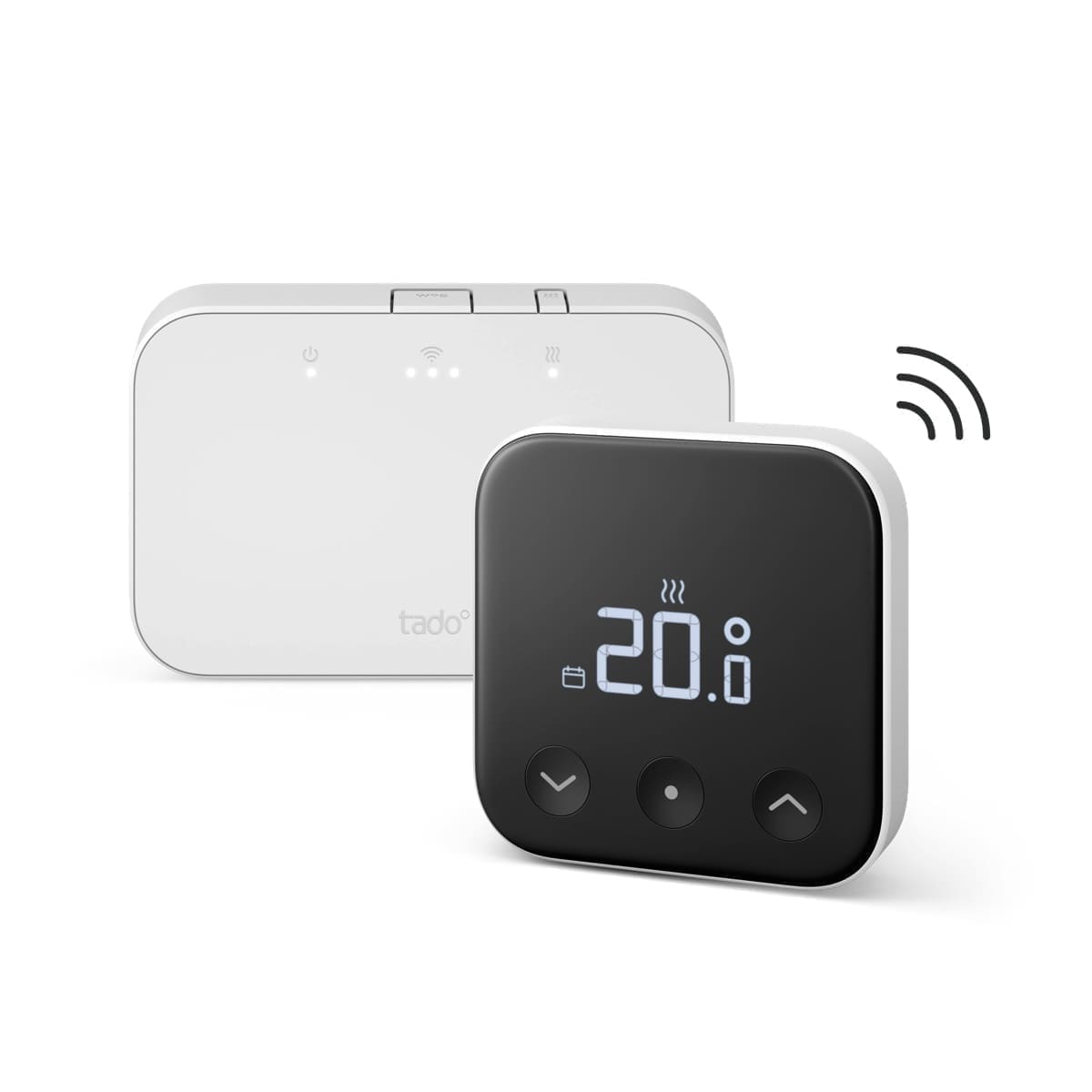
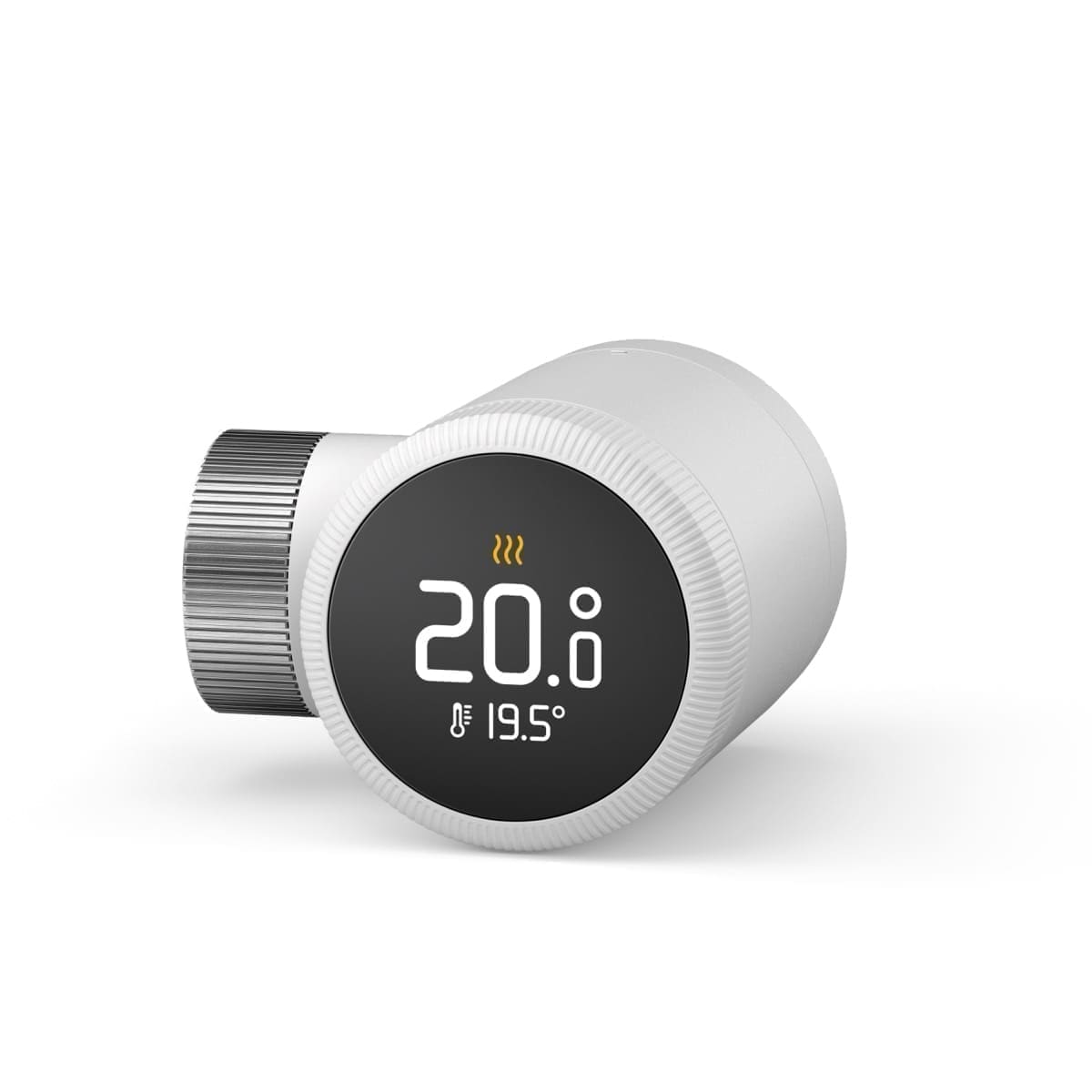
If your home already has an Economy 7 (or Economy 10) meter and twin-circuit wiring, most standard models can be swapped out directly. If not, budget for the additional cost of a new meter and cabling — or consider the Elnur ECOSSH single-supply range to minimise rewiring costs. Adding smart thermostats for rooms heated by direct-acting radiators alongside storage heaters can give you a unified heating system managed from one app — though it's worth understanding why a smart thermostat can't directly control the storage heaters themselves before assuming full-home control is possible.
Compatible Tariffs
Economy 10 (ten cheap hours across day and night) suits homes needing an afternoon top-up. EV-focused tariffs — Octopus Go, Agile, E.ON Next Drive — also give overnight cheap windows aligned with standard charge times; check your off-peak hours before installation. See our best electric radiators UK for supplementary heating between charges.
Grants and Financial Help in 2026
ECO4 (Energy Company Obligation 4) has been extended to 31 December 2026. Households on qualifying means-tested benefits whose primary heating is old or broken electric storage heaters, typically in a home with an EPC rating of E, F or G, may be eligible for a free replacement funded by energy suppliers — apply via a registered installer or energy supplier.
The Warm Homes Plan launched in January 2026 as ECO4's long-term successor. The £13.2 billion programme runs to 2030, covering grants for low-income households and low-interest loans for others; storage heater upgrades may qualify under its Local Authority Delivery element — check gov.uk or your council's energy efficiency team for current eligibility.
Who should skip storage heaters altogether?
Skip storage heaters if your usage is unpredictable, or you need instant, on-demand heat rather than warmth released gradually through the day. For occasional-use rooms, or where you can't reliably use off-peak electricity, infrared heating panels or electric radiators respond immediately but cost more per kWh on a flat-rate tariff. Also replace any pre-2018 storage heater without confirmed Lot 20 compliance — even a basic manual model here will usually improve safety and running costs.