How much does it cost to install security cameras in the UK?
Most UK homeowners pay somewhere between £100 for a single DIY smart camera and £1,900 for a professionally installed multi-camera wired system, with the exact figure depending heavily on camera count, wired vs wireless, and whether you're paying for labour at all. The table below breaks down typical 2026 UK pricing by installation type and system size, based on national CCTV installer pricing data.
| Setup | Cameras | Typical UK cost (inc. installation) |
|---|---|---|
| DIY smart camera (self-install) | 1 | £100–£350 |
| Wireless CCTV system | 4 | £450–£850 |
| Wired DVR system | 4 | £600–£1,200 |
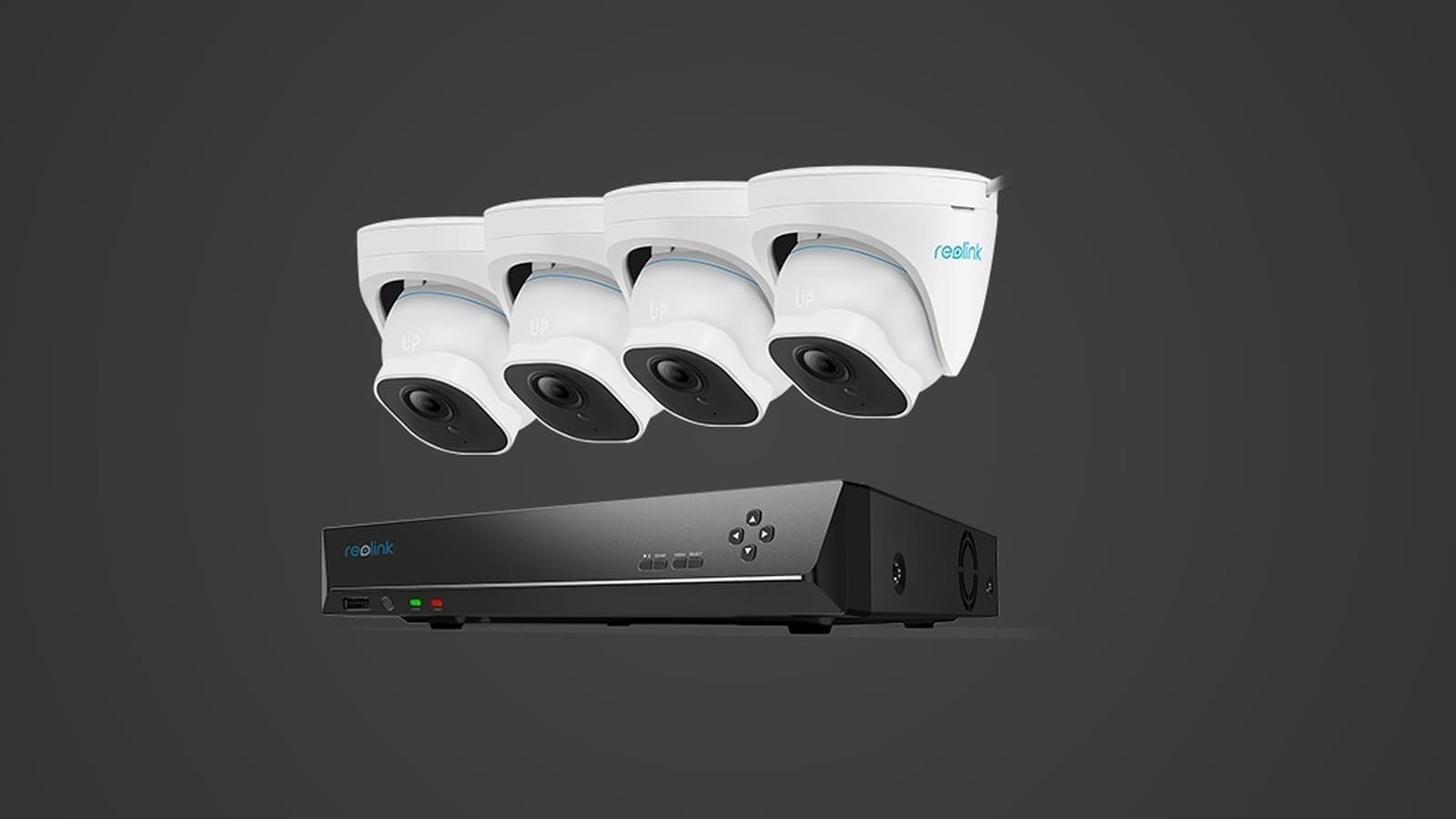
| Wired NVR system | 4 | £950–£1,500 |
| Wired DVR/NVR system | 6–8 | £1,000–£2,000 |
London and the South East typically run 20–30% above these national figures, largely down to higher installer day rates rather than different equipment pricing. If you're only fitting a single camera at the front door, our Ring doorbell installation cost guide covers that narrower case in more detail.
Is it cheaper to install security cameras yourself?
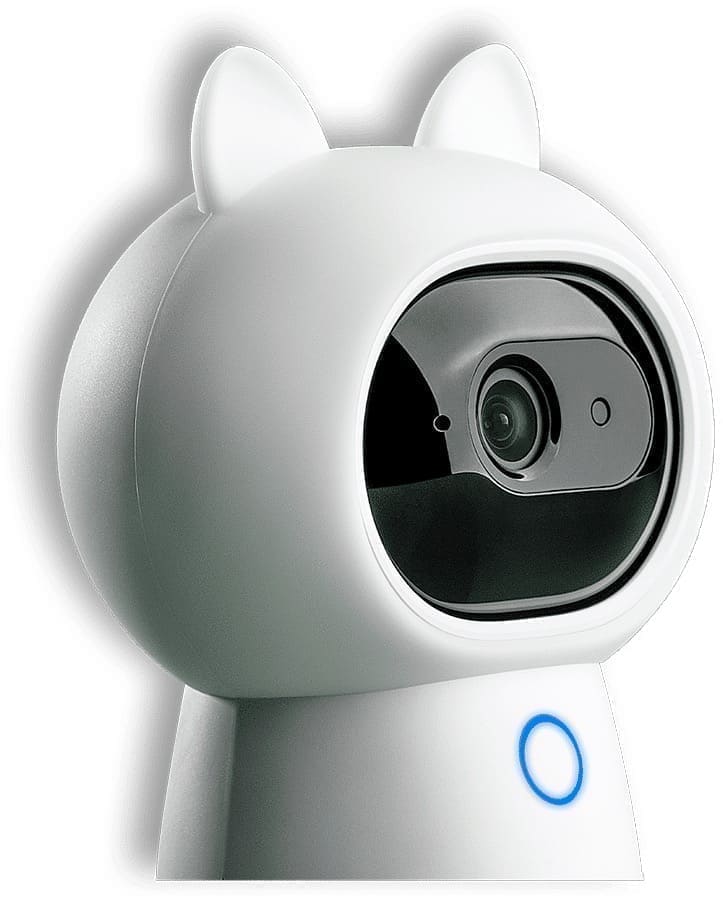
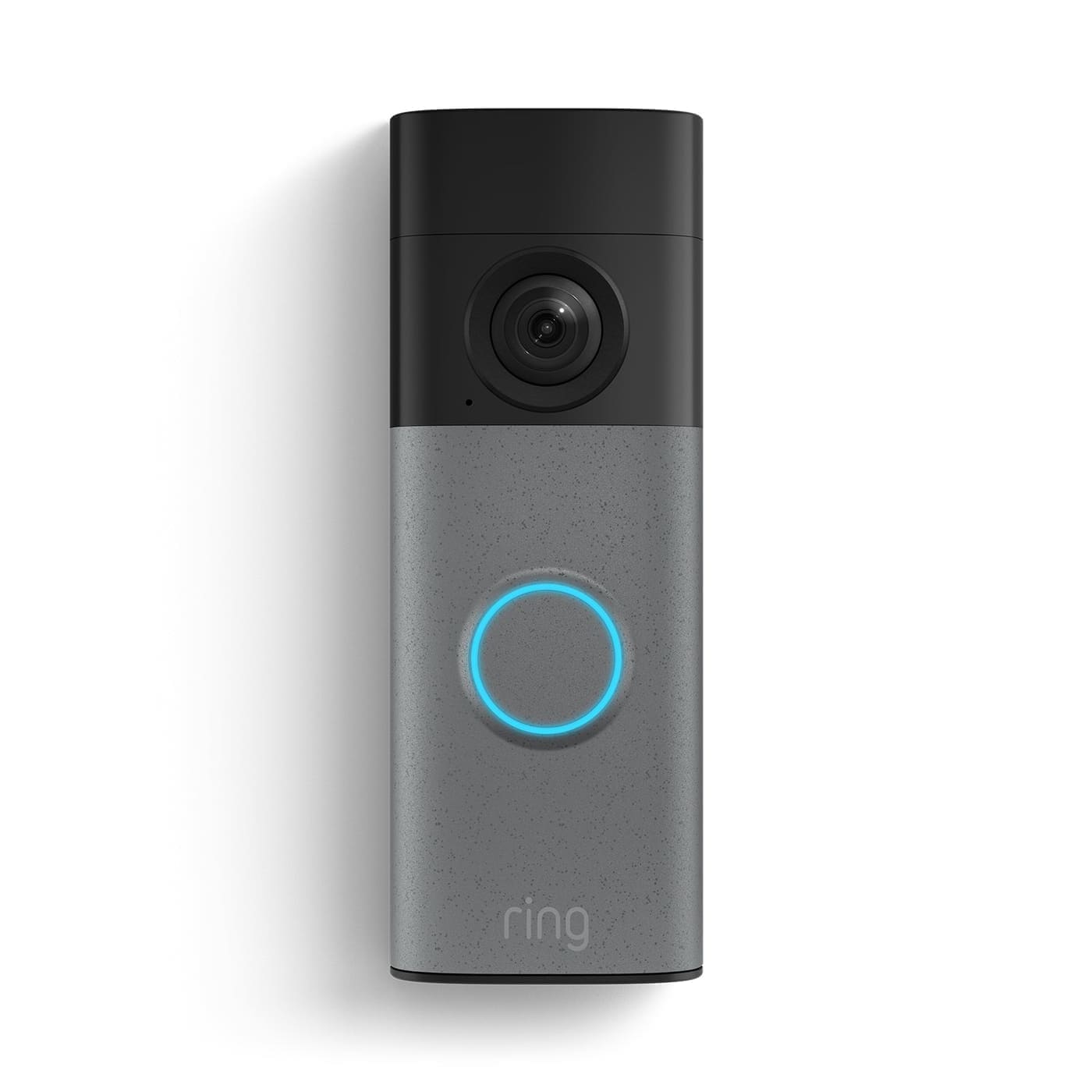
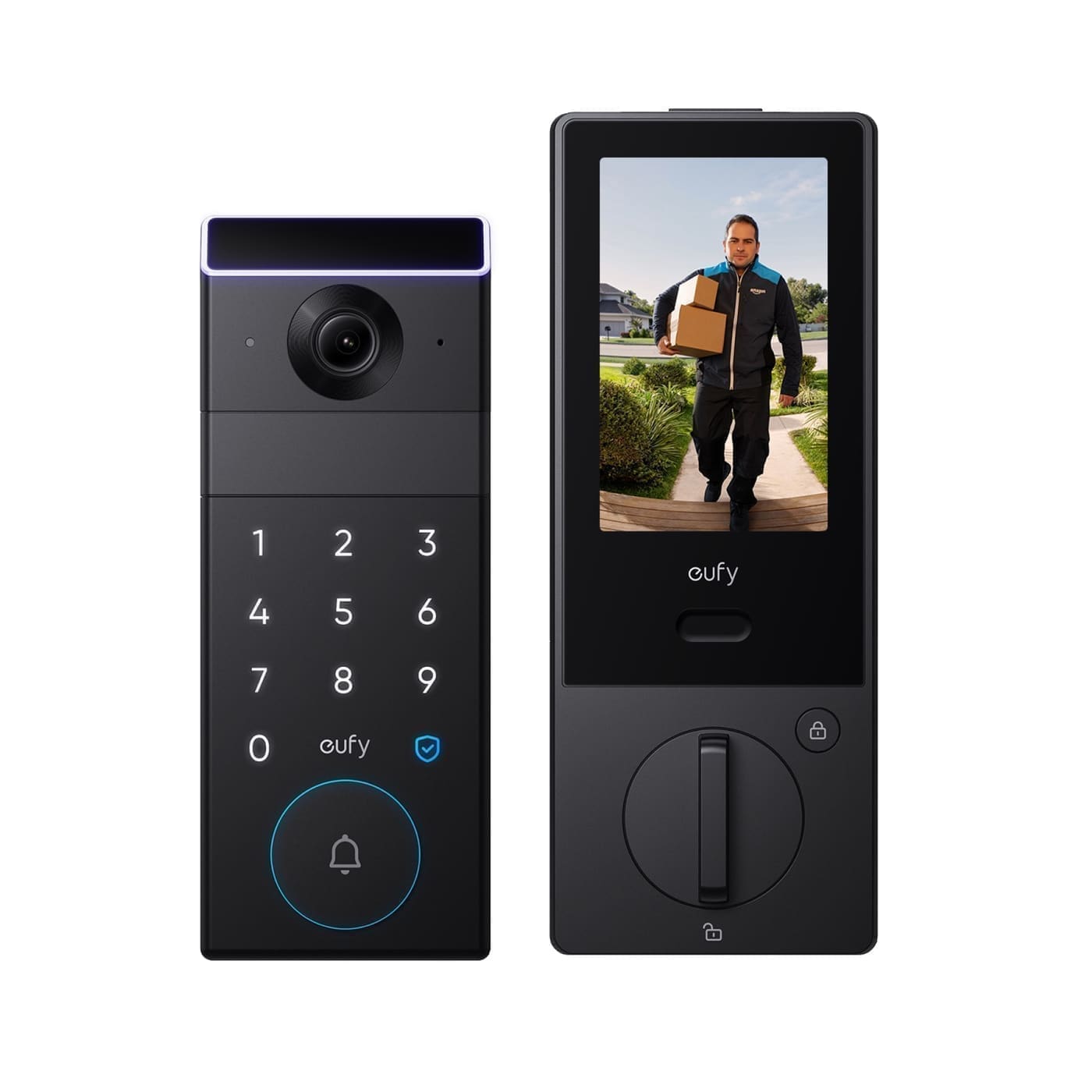
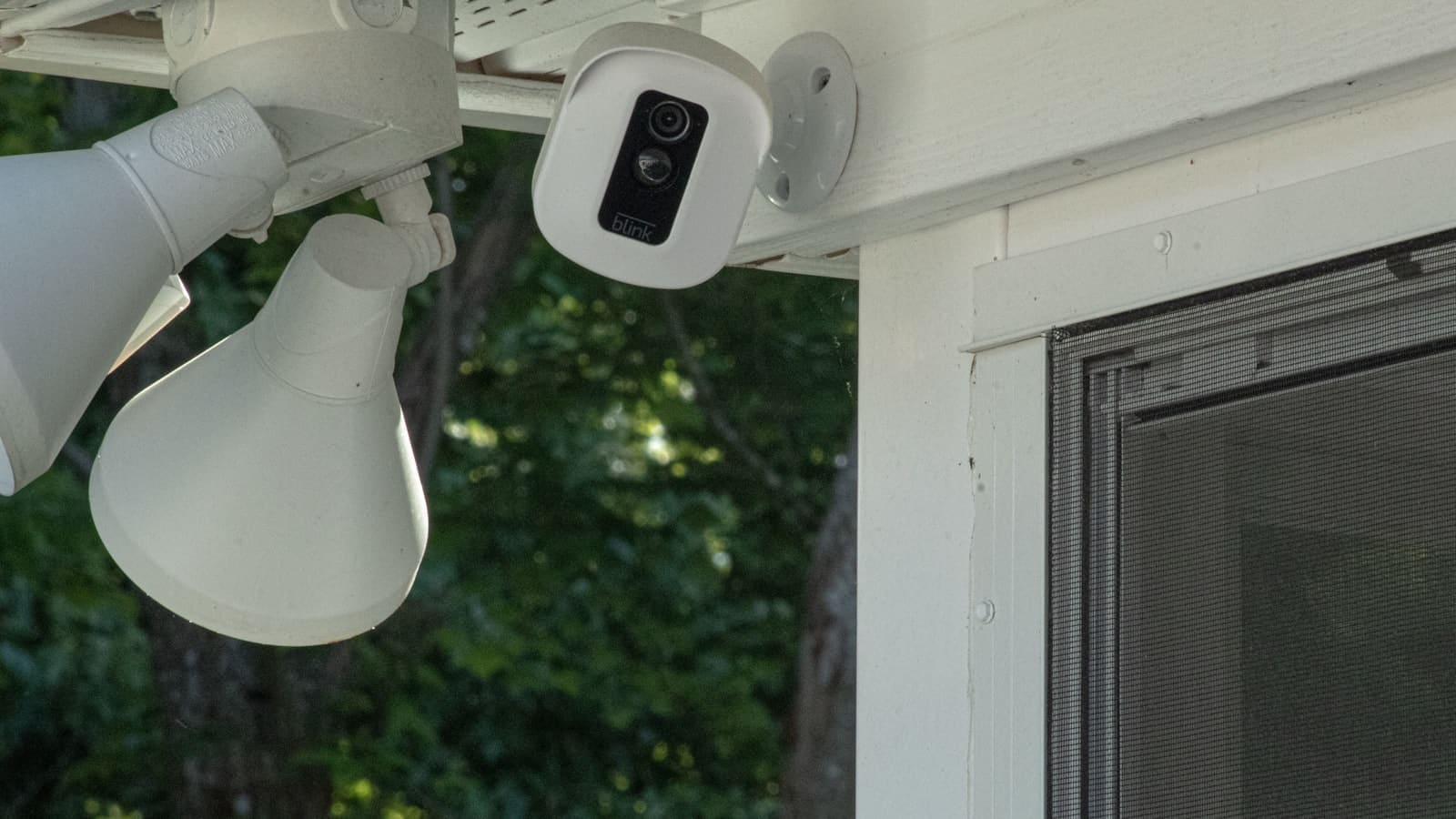
Yes — DIY installation of a smart Wi-Fi or battery camera is almost always cheaper than hiring a professional, because you're paying for the camera hardware only, with no labour charge at all. A single self-install smart camera from a brand like Ring, Eufy, or Arlo typically costs £100–£350 depending on resolution and features, and most mount with two screws or an adhesive plate in under an hour — no drilling through walls, no cable runs, no electrician. The trade-off is that battery cameras need periodic recharging (or a solar panel accessory) and Wi-Fi-dependent cameras can drop connection if your router signal is weak at the mounting point. For a wider look at what these self-install systems cover, see our security cameras buying guide.
How much does professional CCTV installation cost per camera?
Professional installation typically adds £75–£90 per camera in labour on top of the hardware cost, with a single professionally installed camera coming to roughly £170–£500 all-in once you include the unit itself. For multi-camera wired jobs, installers generally charge a half-day to full-day rate of £200–£500 rather than a strict per-camera fee, since most of the time goes into running cable rather than mounting the camera itself. A basic four-camera wired DVR system starts from around £600–£900 including installation, rising to £950–£1,500 for an NVR-based system with higher-resolution IP cameras. Difficult access — second-storey mounting, scaffolding, or long cable runs through solid walls — adds roughly £150–£300 per day on top of the base labour rate.
What affects the cost of installing security cameras?
Several factors move the price beyond the number of cameras alone:
- Wired vs wireless — cable routing costs roughly £3–£5 per metre in labour, and a typical wired job needing several metres run through walls, soffits, or under floors can easily add £100–£300 to the total versus a wireless equivalent.
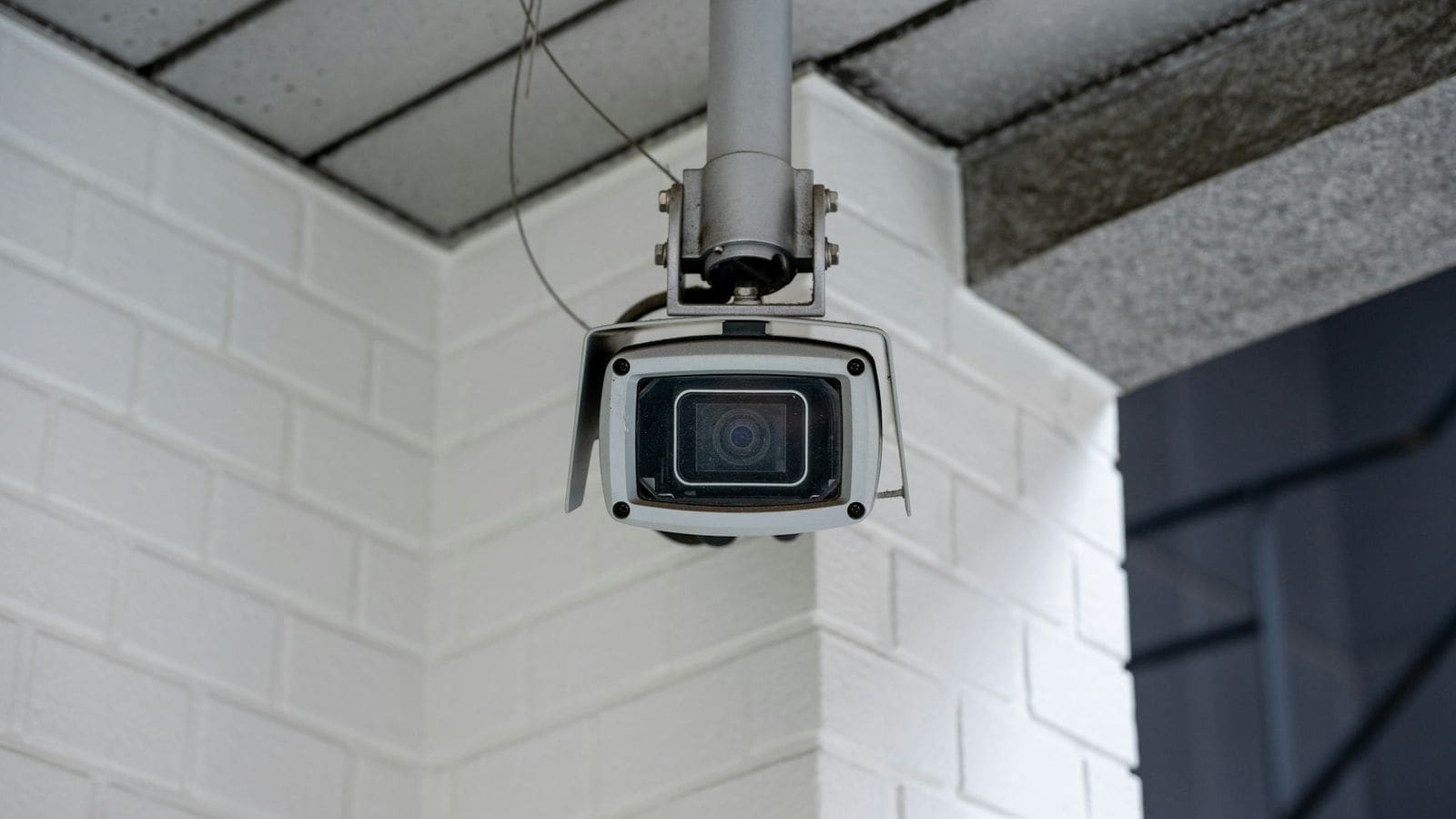
- Camera type — dome and bullet cameras sit at the cheaper end (£110–£280 fitted), while PTZ (pan-tilt-zoom) cameras with motorised lenses can run £180–£1,050 fitted due to the extra hardware and setup time.
- DVR vs NVR — NVR (network video recorder) systems using IP cameras typically cost more than DVR (digital video recorder) systems using analogue cameras, largely because IP cameras and higher-resolution footage cost more per unit.
- Access and location — installers in London and the South East charge roughly 20–30% more than the UK average, and jobs requiring scaffolding or awkward access add a daily surcharge.
- Number of cameras — per-camera cost usually falls as system size grows, since the recorder, base labour visit, and network setup are shared across more units.
If you're planning cabling as part of a wider renovation rather than a bolt-on camera system, it's worth reading our smart home wiring guide before any walls are plastered — running conduit for cameras at the same time as other smart home cabling is far cheaper than doing it as a standalone job later.
Do you need an NVR or DVR, and how much do they add?
You only need a dedicated NVR or DVR recorder if you're running a wired multi-camera system rather than standalone smart cameras — most DIY Wi-Fi cameras store footage in the cloud or on a local SD card/hub instead, with no separate recorder box required. For wired systems, an NVR (used with IP cameras) generally costs more than a DVR (used with older analogue cameras) as part of the overall system price, reflected in the roughly £350 gap between a typical four-camera DVR system (£600–£900) and an equivalent NVR system (£950–£1,500). The recorder itself typically supports 4, 8, or 16 camera channels, so it's worth sizing it for future expansion rather than your exact current camera count if you think you'll add more later.
What do ongoing costs look like after installation?
Most modern camera systems, DIY and professional alike, carry an ongoing subscription cost for cloud video storage, motion alerts, or professional monitoring, typically running £3–£30 a month depending on the brand and how many days of footage history you want. Systems that record locally to an SD card or NVR hard drive can avoid this entirely, though you lose the ability to review footage remotely if the device is stolen or damaged. If you're specifically weighing this up for an Arlo system, our Arlo subscription cost guide breaks down the plan tiers in detail, and the same trade-off applies broadly across Ring, Eufy, and other cloud-connected brands.
Should you DIY or hire a professional installer?
For one to three cameras covering a front door, driveway, or back garden, DIY smart cameras are almost always the better value choice — you save the entire labour cost, installation takes under an hour per camera, and modern battery or Wi-Fi cameras from established brands match professional systems on video quality and night vision. Professional installation earns its cost when you need whole-property coverage, discreet wired cameras with no visible battery packs to service, or continuous recording without gaps for firmware updates or low battery. If you're still deciding on camera placement before either route, our security camera placement guide covers where to mount cameras for the best coverage regardless of which installation method you choose, and our best wired security camera systems guide compares specific PoE NVR kits if you've decided a wired setup is the right call.