Electric UFH vs Wet UFH Thermostats: What Is the Difference?
Electric underfloor heating uses resistive heating cables or mats wired directly into your mains supply. The thermostat for an electric system is essentially a mains-rated switch — it carries the full load current (up to 16A) and uses a floor-probe sensor to read the screed or tile temperature. Because it handles mains voltage, installation must be carried out by a Part P registered electrician under UK Building Regulations Approved Document P.
Wet (hydronic) underfloor heating pumps warm water through pipes set into the floor, fed by a boiler or heat pump. Thermostats for wet systems send a low-voltage signal to thermal actuators or a manifold valve — they do not carry the full heating load themselves. This means some wet-system thermostats have a simpler electrical installation, although connecting to a boiler still requires a competent person.
The practical upshot: always buy a thermostat rated for your specific system type. Using a wet-system thermostat on an electric circuit can cause damage or fire. If you are unsure which you have, check your manifold (wet systems have one) or look for a heating mat or cable under the floor covering (electric systems).
Key Buying Criteria
Floor sensor. For electric systems especially, a built-in floor-probe sensor is essential — it prevents the screed from overheating and protects your floor covering. Look for a thermostat that includes a sensor probe in the box (usually 3 m) and supports 10K or 12K NTC probes.
Scheduling. UFH systems are slow to warm up — they can take 30–60 minutes to reach target temperature. A thermostat with optimum-start (or self-learning) capability will back-calculate when to switch on so the floor is warm at your set time, not 45 minutes late.
App and remote access. Smartphone control is particularly useful for UFH because you can pre-heat before you return home. Look for native app support with geofencing, not just third-party IFTTT bridges.
Compatibility. Check your heating system type (electric, wet, combi boiler, heat pump) and your smart home platform (Apple HomeKit, Google Home, Alexa). For advice on heat-pump-specific controls, see our guide to the best smart thermostats for heat pumps in the UK.
What Temperature Should You Set an Underfloor Heating Thermostat To?
Keep the floor surface between 23–27°C for wood, laminate, carpet, and vinyl coverings, and up to 29°C for tile or stone — these are manufacturer-recommended ceilings, not just comfort targets. Pushing a wood or laminate floor above 27°C for long periods risks drying it out, causing warping or gaps between boards, and wastes energy without adding noticeable comfort, since most people can't feel much difference above the mid-20s. If your thermostat has a floor-probe sensor, set the limit there rather than relying on air temperature alone — it's the floor surface, not the room, that has a hard material limit. For wet UFH fed by a heat pump, the water flow temperature is a separate figure from the floor surface temperature: it typically runs at 35–45°C, well below the 55–70°C a radiator system needs. That lower flow temperature is a big part of why underfloor heating and heat pumps pair so well — heat pumps run more efficiently the lower the flow temperature they need to produce.
Top 5 Underfloor Heating Thermostats in the UK (2026)
| Thermostat | Best for | Price (inc. VAT) | System | Floor sensor | Home Assistant |
|---|---|---|---|---|---|
| Heatmiser neoStat-e V3 | Electric UFH | ~£78 (+~£100 for neoHub) | Electric | Yes | Community neoHub integration (local) |
| Warmup 4iE | All-in-one smart control | ~£126 | Electric & wet | Yes | Community HACS integration (cloud) |
| Drayton Wiser UFH Controller | Multi-zone wet systems | ~£336 | Wet, up to 6 zones | N/A (actuator-based) | Community HACS integration (local) |
| Honeywell Home T6R | Budget smart option | ~£80–£100 | Wet (mainly) | No | No maintained integration found |
| Nest Thermostat E | Heat pump / hybrid UFH | ~£139 | Wet | No | Official Google Nest integration (cloud) |
1. Heatmiser neoStat-e V3 — Best for Electric UFH
Price: around £78 inc. VAT. The neoStat-e is the benchmark for electric underfloor heating thermostats in the UK. It includes a 3 m floor-probe sensor, supports air-only, floor-only, and combined sensing modes, and features self-learning optimum start. The backlit display has a proximity sensor so it only lights up when you approach. Smart app control requires the separate neoHub (around £100), but the standalone thermostat already offers 7-day programming at 5-minute intervals. Rated to 16A, making it compatible with most domestic electric UFH systems.
2. Warmup 4iE — Best All-in-One Smart Thermostat
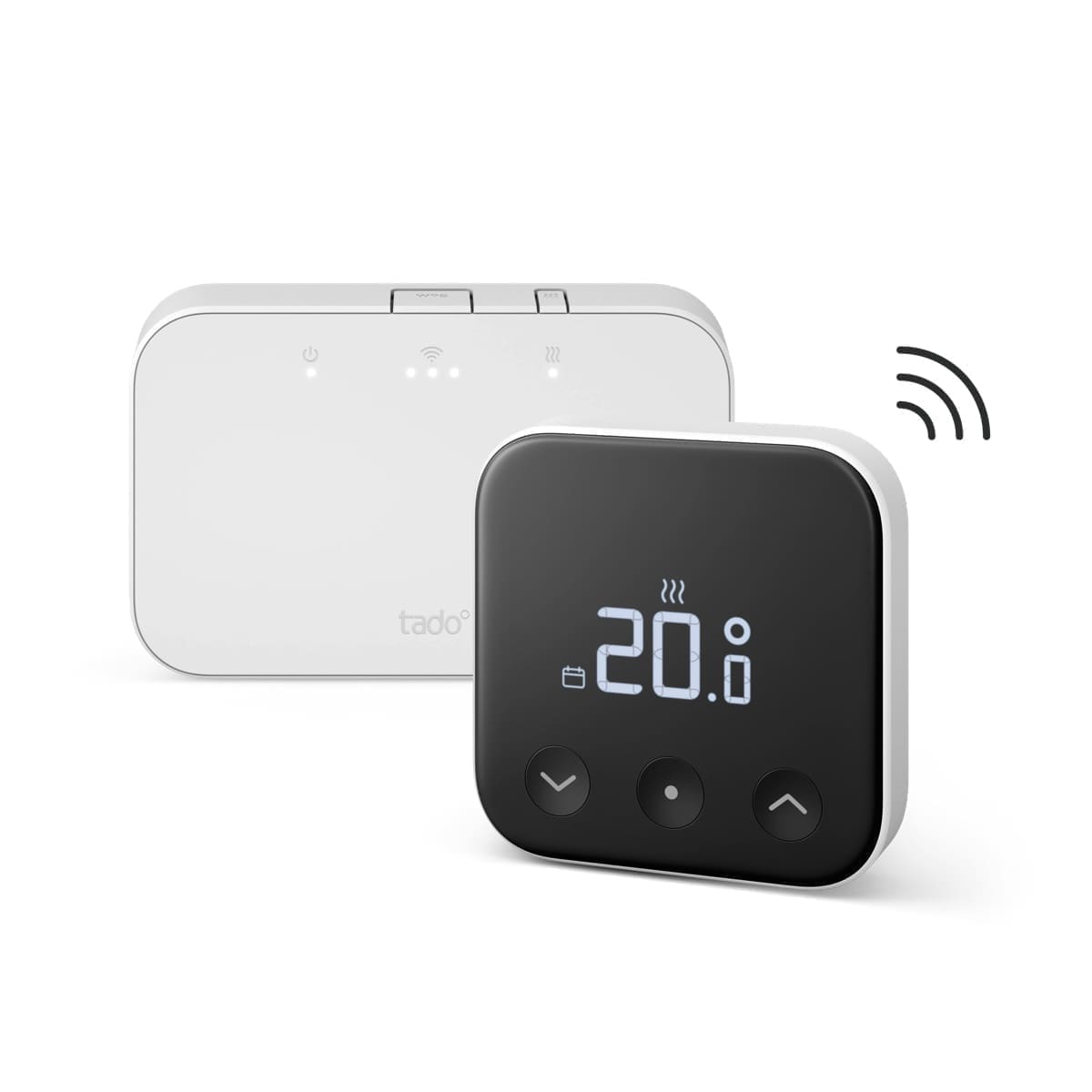
Price: around £126 inc. VAT. The 4iE from Warmup is one of the few thermostats that works with both electric and wet UFH systems out of the box, plus combi and system boilers. It features a full-colour glass touchscreen, built-in Wi-Fi, and Warmup's SmartGeo geofencing technology, which automatically adjusts heating when you leave or return home. The MyHeating app provides remote scheduling, and the AutoSwitch feature monitors energy tariffs in real time. Warmup claims savings of up to 25% from its adaptive controls. A 3-year warranty is included; an extended lifetime warranty costs £29.99 extra.
3. Drayton Wiser UFH Controller — Best for Multi-Zone Wet Systems
Price: around £336. If you have a multi-zone wet UFH system, the Drayton Wiser UFH Controller is the most capable option in this list. It controls up to 6 wet zones via up to 14 thermal actuators, integrates with the wider Wiser ecosystem (including radiator TRVs), and is operated through the Wiser Home app with Alexa and Google Home support. A Wiser HubR is required. The price reflects the fact that this is a full controller rather than a single-room thermostat, so cost per zone works out much more favourably for larger homes.
4. Honeywell Home T6R — Best Budget Smart Option
Price: around £80–£100. The T6R is a wireless smart thermostat aimed at simpler wet-system UFH and boiler setups. It pairs with the Honeywell Home app (no hub required), supports 7-day scheduling, and is compatible with Amazon Alexa and Apple HomeKit. It lacks a floor sensor input, so it is better suited to wet systems where you control water temperature rather than screed temperature. A solid, affordable entry point if you want app control without the premium price.
5. Nest Thermostat E — Best for Heat Pump and Hybrid UFH
Price: around £139. Google's Nest Thermostat E is not UFH-specific, but it is a popular choice for wet UFH systems fed by a heat pump or hybrid setup. Its learning algorithm builds a schedule automatically, and it integrates deeply with the Google Home ecosystem. Bear in mind that Nest requires a professional installer for heat pump setups to ensure compliance. For a fuller comparison with alternatives, see our roundup of the best smart thermostats in the UK.
Do These Underfloor Heating Thermostats Work with Home Assistant?
Not out of the box — none of the five ship with an official Home Assistant integration built into Home Assistant core, but four of the five can still be added, mostly through actively maintained community integrations. Treat native HA support as a bonus to check the current status of before you buy, since community projects can break when a manufacturer changes its cloud API, rather than a guarantee.
The Heatmiser neoStat-e is not covered by Home Assistant's built-in Heatmiser integration, which only supports the older DT/PRT range over RS485 — but a separately maintained community integration adds local-network support for the full Neo range via the neoHub. The Warmup 4iE has a HACS-installable community integration that talks to Warmup's cloud API and needs a MyWarmup account. The Drayton Wiser UFH Controller is the most HA-friendly of the five: its mature, actively maintained HACS integration communicates with the Wiser HubR entirely over your local network. We could not find a maintained Home Assistant integration for the Honeywell Home T6R specifically, so treat it as the weakest choice here if HA control matters to you. The Nest Thermostat E is the only pick with official Home Assistant support, via the Google Nest integration and Google's Smart Device Management API — this requires a one-off $5 Google Cloud project fee and is cloud-dependent rather than local. Note that Matter thermostat control isn't available on any of these five: even the Nest Thermostat E predates Google's Matter rollout, which currently covers the 2020 Nest Thermostat and 4th-gen Nest Learning Thermostat instead.
Installation: Do You Need an Electrician?
For any electric UFH thermostat, the answer is almost certainly yes. Connecting a mains-rated thermostat to the fixed wiring in your home is notifiable work under Part P of the UK Building Regulations. The work must either be carried out by a registered electrician (registered with a scheme such as NICEIC, NAPIT, or ELECSA) or be notified to your local authority building control. Failing to comply is a criminal offence. For wet-system thermostats, the electrical connection is usually low-voltage, but connecting to a boiler should still be carried out by a Gas Safe registered engineer or a qualified heating engineer.
Our Verdict
For most homeowners with a single-zone electric UFH bathroom or kitchen, the Heatmiser neoStat-e V3 is the go-to choice — precise, reliable, and upgradable to full smart control via the neoHub when you are ready. If you want built-in Wi-Fi and smart features without buying a separate hub, the Warmup 4iE is worth the extra spend. For multi-zone wet systems, nothing beats the Drayton Wiser UFH Controller for flexibility, and it's the strongest pick if a local Home Assistant integration matters to you. Budget buyers should look at the Honeywell Home T6R, and heat pump owners will find the Nest Thermostat E integrates most naturally into a Google-centric smart home.
Related: best smart thermostat UK, underfloor heating installation cost, and best flooring for underfloor heating.