Why Flooring Choice Matters for UFH
Underfloor heating — whether electric or wet/hydronic — works by warming the floor surface from below. The floor is part of the heat transfer path. A material with high thermal resistance (expressed in tog ratings for soft flooring, or thermal conductivity in W/mK for hard flooring) acts as an insulating blanket, forcing the system to run hotter and longer to reach the target room temperature. This wastes energy and shortens equipment life. The goal is a flooring material with low thermal resistance and good conductivity so heat passes through quickly and evenly.
Porcelain and Ceramic Tile — The Best Choice
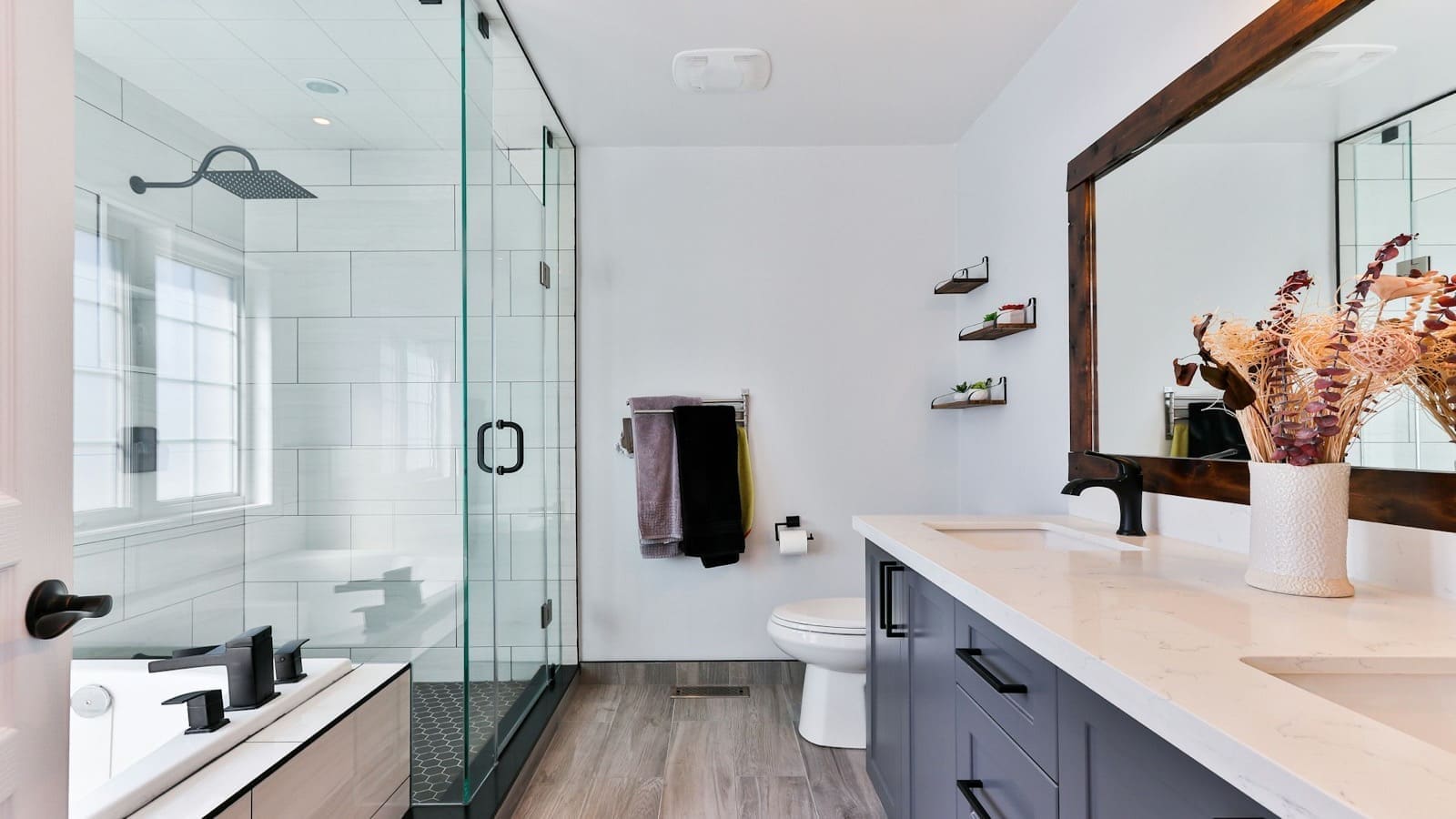
Porcelain and ceramic tiles are the top pick for underfloor heating and consistently recommended by manufacturers including Warmup. Stone-effect and large-format porcelain tiles are particularly popular. The reasons are straightforward: tile has high thermal conductivity (typically 1.0–1.3 W/mK for ceramic, higher for dense porcelain), low thermal mass latency once up to temperature, and no maximum tog restriction. There is no manufacturer limit on floor temperature for tiles — you simply set your thermostat to the desired comfort level. Tile is also dimensionally stable: it does not expand and contract with heat cycles the way timber does, which means no cracking, warping, or groaning over time.
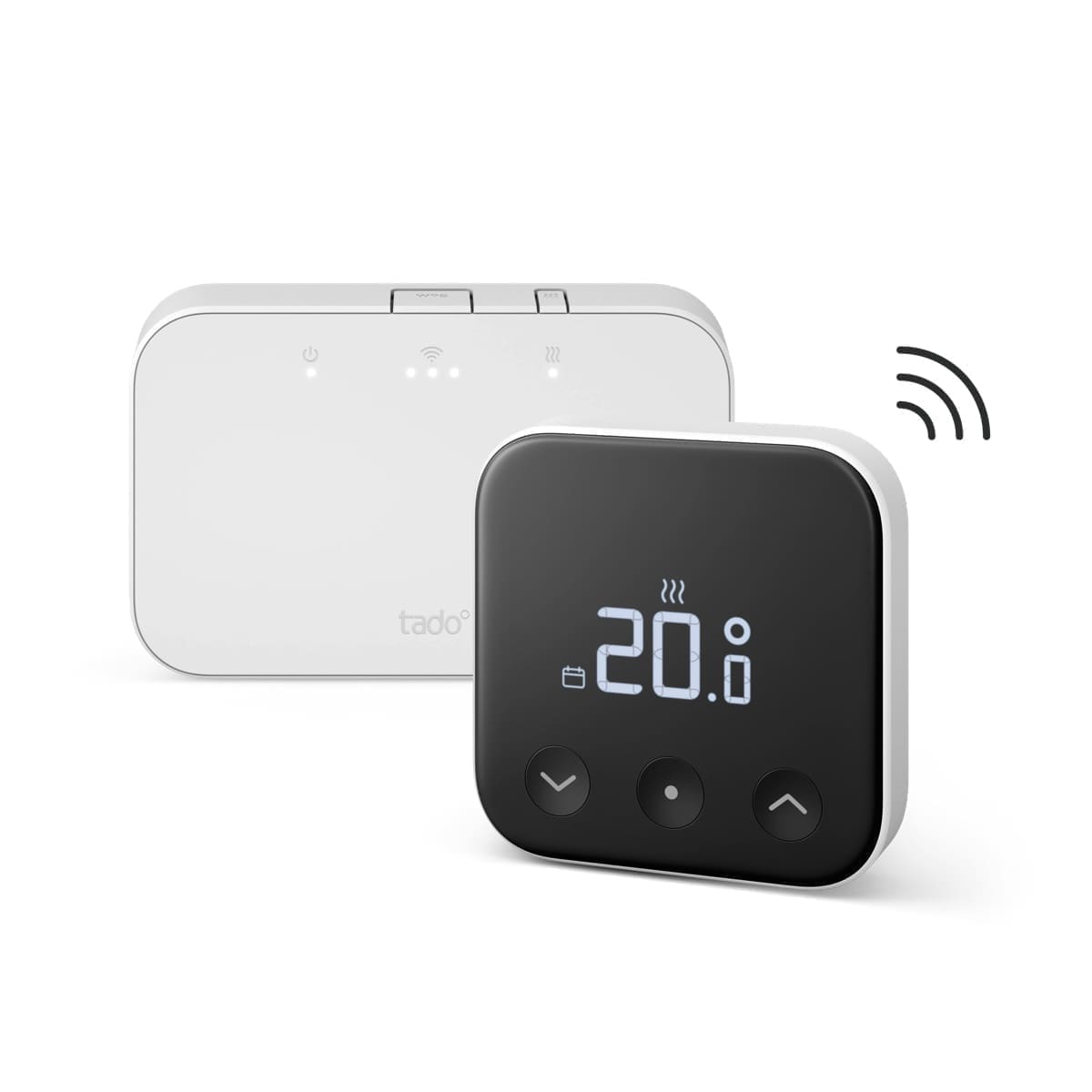
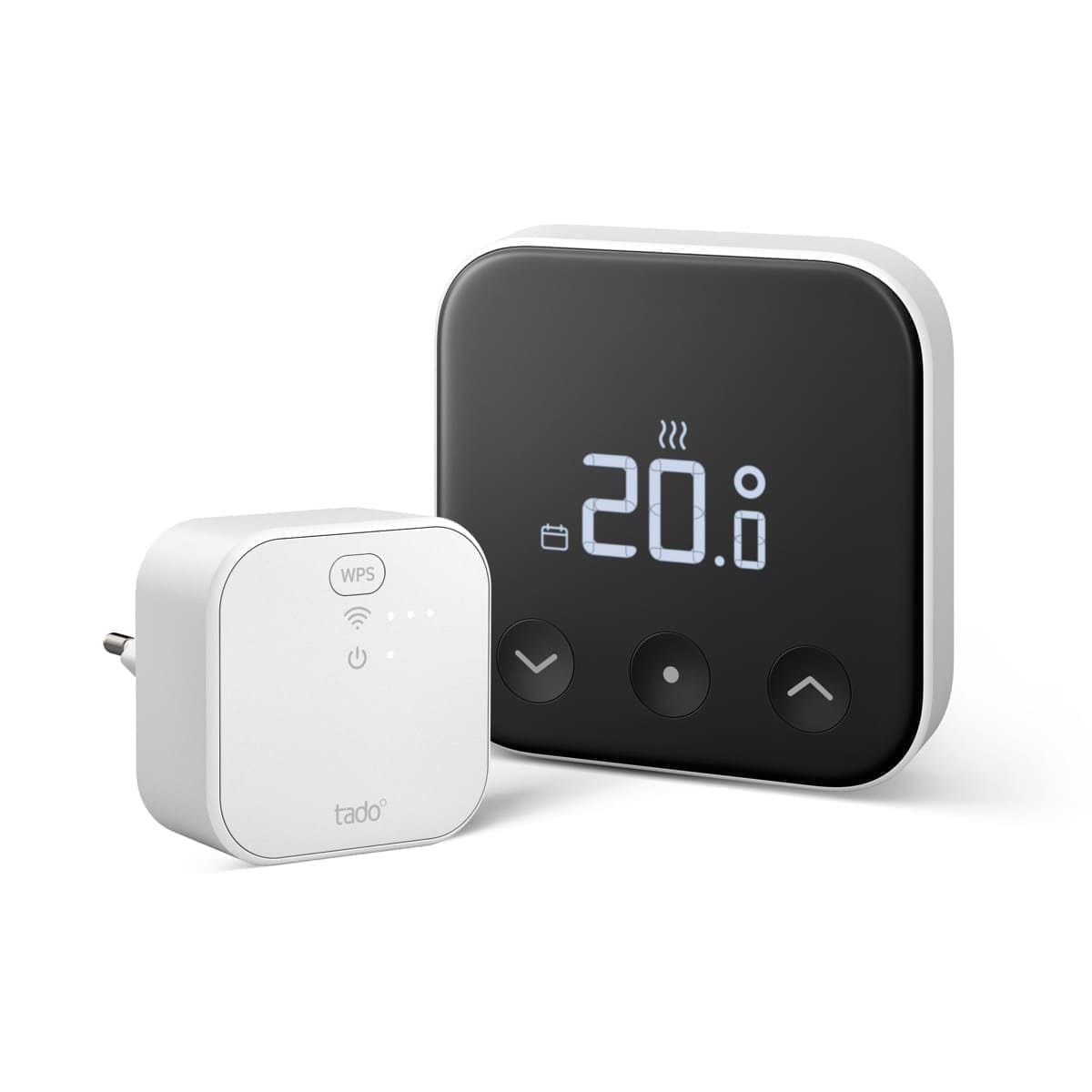
The main practical consideration is that tile takes longer to heat from cold than thinner coverings, so pairing it with a smart underfloor heating thermostat with pre-scheduling is worthwhile — the system can be set to reach temperature before you wake up rather than reacting after the fact.
Natural Stone — Excellent Conductor
Natural stone — slate, limestone, travertine, granite — is another excellent choice. Like tile, stone has high thermal conductivity and no maximum floor-temperature restriction. Dense stones such as slate and granite conduct heat particularly well. Stone is more expensive than porcelain and requires sealing to protect against moisture, but thermally it performs at least as well as tile. If you are budgeting a wet UFH project anyway, the material cost difference between stone and porcelain often narrows when you factor in long-term running costs — a highly conductive floor means the system runs at a lower flow temperature, cutting energy bills. For more on whole-system running costs, see our underfloor heating cost guide for UK homes.
Engineered Wood — Compatible With Caveats
Engineered wood can be used with underfloor heating, but only with specific products and within defined limits. The flooring must be clearly labelled as suitable for underfloor heating — this is not universal across the category. Key restrictions apply:
Maximum board thickness: Most manufacturers specify a maximum of 18 mm total thickness, including any underlay. Thicker boards increase thermal resistance and slow heat transfer significantly.
Maximum floor temperature: The industry standard maximum surface temperature for engineered wood over UFH is typically 27°C. Exceeding this causes the adhesive layers in the engineered plank to weaken and the board to cup or bow.
Underlay choice: Use only UFH-compatible underlay with a low tog rating (generally under 1.5 tog combined for the full floor build-up). Some installers prefer floating-floor systems; others recommend full adhesion to the screed for better conductivity — check the manufacturer's guidance for your chosen product.
Engineered wood offers a warmer feel underfoot than tile and suits living rooms and bedrooms well. The trade-off is a higher installation cost and the need to match product specs carefully to your system.
LVT and SPC — A Practical Mid-Range Option
Luxury vinyl tile (LVT) and stone polymer composite (SPC) flooring work well with underfloor heating. These products have low thermal resistance — generally well under 0.10 m²K/W, which is well within the recommended limit — and most leading brands are certified for UFH use. LVT has the additional benefit of being waterproof, making it a good choice for bathrooms and kitchens where water exposure is more likely. SPC is dimensionally more stable than standard LVT and handles temperature cycling better over time. Always verify the manufacturer's maximum temperature specification before installing; most LVT products are rated to 27–28°C floor surface temperature.
Laminate — Acceptable if Certified
Laminate flooring is acceptable for use with underfloor heating only if explicitly certified for it. Not all laminate is suitable. The high-density fibreboard (HDF) core in uncertified laminate can swell, buckle, or emit formaldehyde at elevated temperatures. Look for the European floor-heating standard certification (EN 14041) and check the manufacturer's stated maximum operating temperature — typically 27°C. Use a UFH-compatible underlay, and keep the combined thermal resistance of the floor build-up below the threshold specified by your UFH supplier. Laminate is more affordable than engineered wood and easier to replace if damaged, but requires the same due diligence on specifications.
Solid Wood — Generally Not Recommended
Solid wood flooring is generally not recommended for use over underfloor heating. Solid timber reacts to heat and moisture with significant expansion and contraction. Over repeated thermal cycles, this causes gaps between boards in summer and cupping in winter, along with potential squeaking and structural movement. Some specialist suppliers offer kiln-dried solid wood products designed for low-temperature UFH systems, but these are expensive, require very careful installation, and limit your system to very low flow temperatures. For most homes, engineered wood delivers the same aesthetic with far less risk.
Carpet — Not Recommended for UFH
Carpet is the least compatible flooring type for underfloor heating and is generally not recommended. The tog rating of carpet and underlay combined acts as thermal insulation, blocking heat from reaching the room. Industry guidance — including from UFH manufacturers — typically treats a combined tog rating above 1.5 as incompatible with effective UFH operation. Many thick carpets and underlays already exceed this on their own. A floor build-up above 2.5 tog will prevent the system from maintaining room temperature efficiently, forcing the system to run at higher temperatures and increasing running costs significantly. If carpet is unavoidable — for example, in a bedroom — use a low-tog option (under 1.0 tog for the carpet alone) with a thin, UFH-compatible underlay, and verify the combined rating with your UFH supplier.
If you are integrating your underfloor heating into a smart home system, see our overview of best smart thermostats for UK homes to pair the right controller with your floor type.
Quick Comparison
Best: Porcelain tile, ceramic tile, natural stone — no tog restriction, highest conductivity.
Good: LVT/SPC — low resistance, waterproof, widely certified; engineered wood (≤18 mm, ≤27°C, UFH-labelled).
Acceptable with caveats: Laminate — certified products only, check EN 14041 and manufacturer max temp.
Avoid: Solid wood — expansion and contraction risk; carpet above 1.5 tog combined — significantly impedes heat transfer.
Related: underfloor heating cost UK, best underfloor heating thermostats, and smart heating vs traditional heating.