Smart Home Assistant

Aqara FP400 Launches in the UK at £79.99: Thread, Zigbee and 10-Person Tracking

SepehrBy Sepehr· 2 October 2026· Updated 2 October 2026· 3 min read
✓ Independent — no paid placements✓ UK-tested in real homes✓ Cited sources
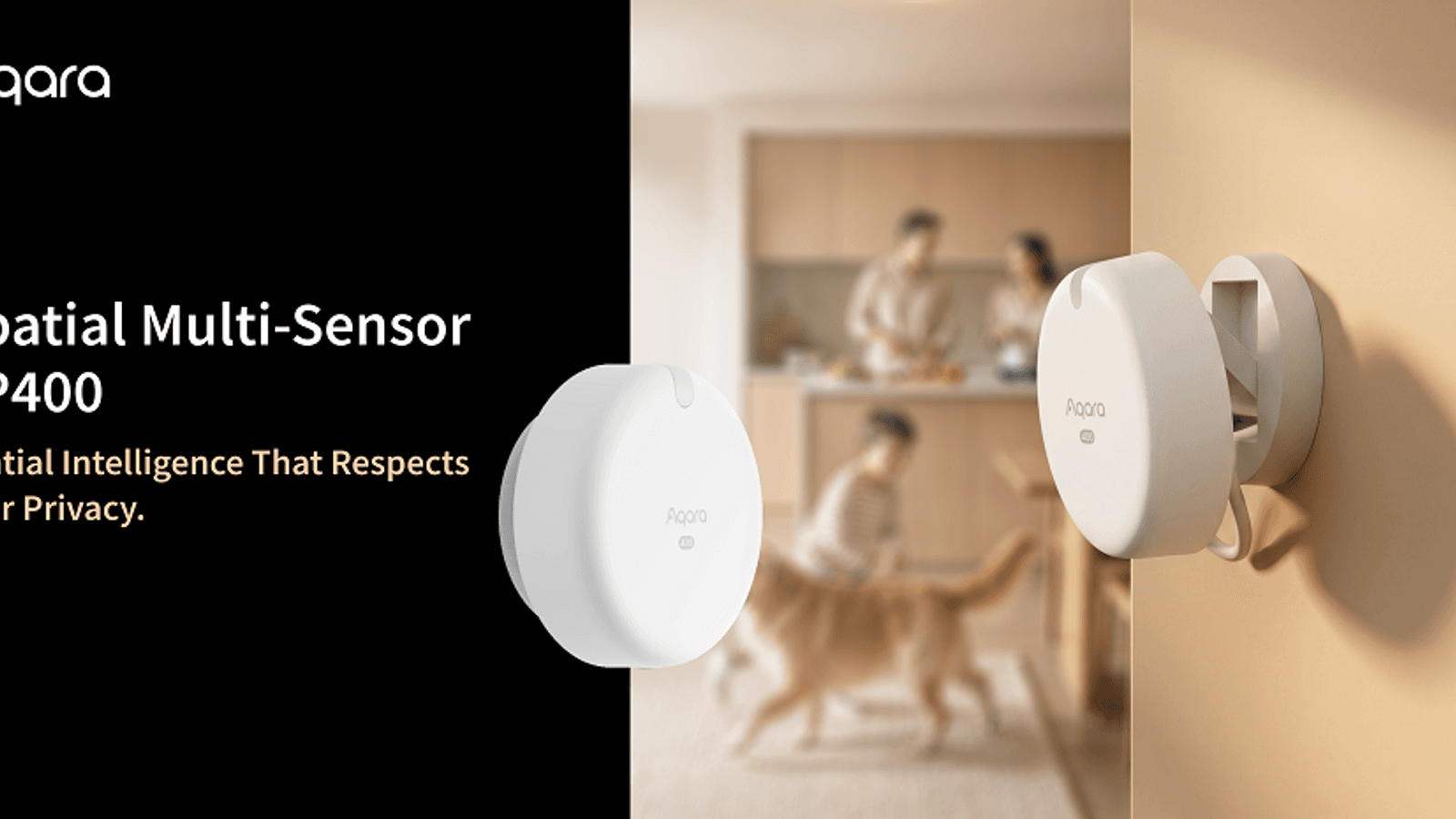
Two white round Aqara FP400 sensors mounted on a wall beside a family cooking in a kitchen

Key takeaways

  • The Aqara FP400 costs £79.99 in the UK and tracks up to ten people with 60GHz mmWave radar.
  • It replaces the FP2's Wi-Fi with Thread (Matter) or Zigbee 3.0, and needs constant USB-C power.
  • Over Thread, third-party platforms like Home Assistant see only one presence and one illuminance sensor unless zones are pre-configured in the Aqara app.
  • The FP2 keeps fall detection, sleep monitoring and 30 zones; the FP400 offers eight zones.
On this page[tap to expand]

The Aqara FP400 is a £79.99 mmWave presence sensor that tracks up to ten people at once and speaks Thread or Zigbee, replacing the Wi-Fi-only FP2. Aqara announced worldwide availability on 16 September 2026. It works with Home Assistant, but how much you get depends on which protocol you choose.

What has changed with the Aqara FP400?

Aqara's availability announcement says the Spatial Multi-Sensor FP400 uses a 60GHz mmWave radar to track and count up to ten people simultaneously. One unit covers up to 10m x 8m (about 860 sq ft) with a 120° field of view, and you can define up to eight zones for location-specific automations. The sensor was first teased at CES 2026 and has now reached shops in the UK and across Europe and North America.

The big change from the FP2 is connectivity. The FP400 supports Thread (and so Matter) and Zigbee 3.0 instead of Wi-Fi, which means it can join an existing mesh rather than needing its own Wi-Fi link. Aqara also adds AI-assisted room mapping and says its algorithm cuts false triggers from pets, airflow and robot vacuums. It includes a built-in light sensor and can be mounted on a wall, in a corner or on the ceiling.

Aqara is selling two versions: the standard FP400 for homes, and an FP400 Pro aimed at assisted living and elder care. Gizmodo's review notes that posture detection, originally promised, has been moved to the Pro model.

SpecAqara FP400
Radar60GHz mmWave
People trackedUp to 10
ZonesUp to 8 (0.5m grid)
Coverage10m x 8m wall; 7m x 7m corner; 5m x 6m ceiling
ConnectivityThread (Matter) or Zigbee 3.0
PowerUSB-C, 5V 1A, mains only
UK price£79.99 (Aqara UK shop)

Why does the FP400 matter for Home Assistant users?

Yes, but the feature set depends on the protocol. Aqara lists Home Assistant as a supported platform, and Thread mode needs only a Thread border router, which a Home Assistant setup with a Thread radio can provide. The catch is in Aqara's own footnote: over Thread, third-party platforms see just one overall presence sensor and one illuminance sensor.

Mighty Gadget's UK review found that you can unlock up to eight zone sensors over Matter by pre-configuring the zones in the Aqara app first. Zigbee mode through an Aqara hub gives the fullest access to zones. The same review says the headcount feature is labelled experimental, is only available in Aqara's own app, and that Aqara admits the count can be out by one to three people. Switching between Thread and Zigbee also means re-pairing the sensor from scratch.

If you run Zigbee2MQTT, note that Mighty Gadget describes support as incomplete for now. If you are new to presence sensing, our guide to presence detection in Home Assistant explains how to build reliable occupancy automations, and our Thread smart home guide covers border routers.

FP400 or FP2: which is the better buy?

The FP400 is the better choice if you want local control without Wi-Fi, but the FP2 still wins on some features. The FP400 costs about £13 more than the FP2 according to Mighty Gadget, and it doubles people tracking and widens coverage. The FP2 keeps fall detection, sleep monitoring and many more zones (30 versus eight).

Gizmodo gave the FP400 3.5 out of 5 and called it an updated but not necessarily better FP2. It reported finicky automation triggers and trouble picking up a child sitting still on the floor. Both reviews stress that the FP400 needs constant USB-C power, so there is no battery option.

UK availability and price

In the UK the FP400 costs £79.99 including VAT on the Aqara UK shop, with a free corner bracket included as a UK bonus and a two-year warranty. It is also sold through Amazon UK. The box contains the sensor, a bracket, a metal plate, a USB-C cable and a screw kit.

Should you buy the FP400 now or wait?

Buy now if you already run Zigbee or Thread and want a single sensor to cover a large open-plan room. Wait, or stay with the FP2, if you need fall or sleep monitoring, or if you want headcount in Home Assistant, which is not exposed over Matter. If you are weighing alternatives, see our best mmWave presence sensors for the UK. We have not tested the FP400 ourselves, so treat the behaviour above as reported by Aqara and the reviewers cited below.
Buy the picks in this guide

Recommended for Home Automation

See all devices →

Frequently asked questions

How much does the Aqara FP400 cost in the UK?
The Aqara FP400 costs £79.99 including VAT in the UK, sold through the Aqara UK shop and Amazon UK. The Aqara shop version includes a free corner bracket and screw kit as a UK bonus, plus a two-year manufacturer warranty. That makes it roughly £13 more than the older Aqara FP2, according to Mighty Gadget's review, in exchange for Thread and Zigbee connectivity, tracking of up to ten people and a larger coverage area of up to 10m by 8m. One caveat: the sensor is mains-powered only through USB-C, so you also need a nearby socket or power bank-style supply. Prices on Amazon can move, and there was a limited launch discount code that has already expired, so check the current price before ordering.
Does the Aqara FP400 need a hub?
Not always. Aqara says the FP400 can be added and configured in the Aqara Home app without an Aqara hub if you already have a third-party Thread border router, such as a Home Assistant setup with a Thread radio. However, an Aqara hub is essential if you run it in Zigbee mode and want to expose it to third-party Matter platforms. Zigbee mode through a hub also gives the fullest access to zones. Be aware that switching between Thread and Zigbee means re-pairing the sensor from scratch, so decide which protocol suits your network before you mount it. In Thread mode, Home Assistant sees only a single presence sensor and an illuminance sensor unless you pre-configure zones in the Aqara app first.
Is the Aqara FP400 better than the FP2?
It depends on what you need. The Aqara FP400 tracks up to ten people instead of five, covers a larger area, and uses Thread or Zigbee rather than Wi-Fi, which suits a local-first Home Assistant setup. The FP2 still has fall detection, sleep monitoring and up to 30 zones, against the FP400's eight, and Gizmodo called the FP400 an updated but not necessarily better version. Reviewers also reported finicky triggers and an experimental headcount feature that Aqara says can be out by one to three people. If you already own an FP2 and it works, there is little reason to upgrade. For a new purchase where Wi-Fi is a pain, the FP400 makes more sense.

Sources

Sources verified 2026-10-02

  1. Aqara — Aqara Announces the Availability of the Spatial Multi-Sensor FP400
  2. Aqara UK Shop — Aqara Spatial Multi-Sensor FP400 Kit
  3. Mighty Gadget — Aqara Spatial Multi Sensor FP400 Review
  4. Gizmodo — Aqara Multi-Sensor FP400 Review: Not Quite the mmWave of the Future
  5. HomeKit News and Reviews — Aqara FP400 Matter Multi-Sensor Launches With Thread and Zigbee
  6. Aqara Press — Aqara FP400 launch image
›How we researched this

Claims in this article are checked against primary sources — manufacturer specifications, official documentation, Which? research, Ofgem guidance, or gov.uk — rather than forum threads or video reviews. Where the author has direct hands-on experience with a product (most Home Assistant, Zigbee, and home-networking gear is running in his own homelab), that is stated explicitly in the text.

For categories outside that personal setup — such as boilers, heat pumps, and other areas that are traditionally a heating engineer's domain — verdicts are built from cross-referenced manufacturer data, published lab results, and vetted expert and owner reviews rather than a claim of personal hands-on testing. See the editorial policy for the full methodology.

Sepehr

Written by

Sepehr

10+ years hands-on with Home Assistant & networking · Research-backed elsewhere · No brand deals

Smart home specialist with 10+ years running a self-hosted Home Assistant setup — Zigbee2MQTT, Frigate NVR, and local-first automations. Independent coverage for UK homes, no brand deals.

LinkedIn →

Citing this page? Please use a dofollow link back to the original article — it helps us keep the data on this page accurate and up to date.

Related reading