Smart Home Assistant

Home Assistant 2026.9 Is Out: What's New and What Breaks

SepehrBy Sepehr· 5 September 2026· Updated 7 September 2026
✓ Independent — no paid placements✓ UK-tested in real homes✓ Cited sources
Home Assistant 2026.9 Is Out: What's New and What Breaks
On this page[tap to expand]
Buy the picks in this guide

Recommended for Home Automation

See all devices →
◇ injected env (36) from .env.local // tip: ⌘ suppress logs { quiet: true }

Home Assistant 2026.9 was released on 2 September 2026, and it is a release about visibility rather than new hardware: it adds a Matter network map, an Active alerts panel on the security dashboard, an Activity view that shows the full chain of what triggered what, and a unified Sources filter in History. Under the hood, Modbus devices such as inverters and heat pumps can now be configured from the UI, and 13 new integrations arrive alongside sun triggers for golden hour and blue hour. The update is safe for most homes, but it removes the VLC integration outright, strips the deprecated battery_level property from vacuum entities, and changes LLM tool names, so anyone with custom dashboards, vacuum automations or AI agents should read the breaking changes below first.

What has changed in Home Assistant 2026.9?

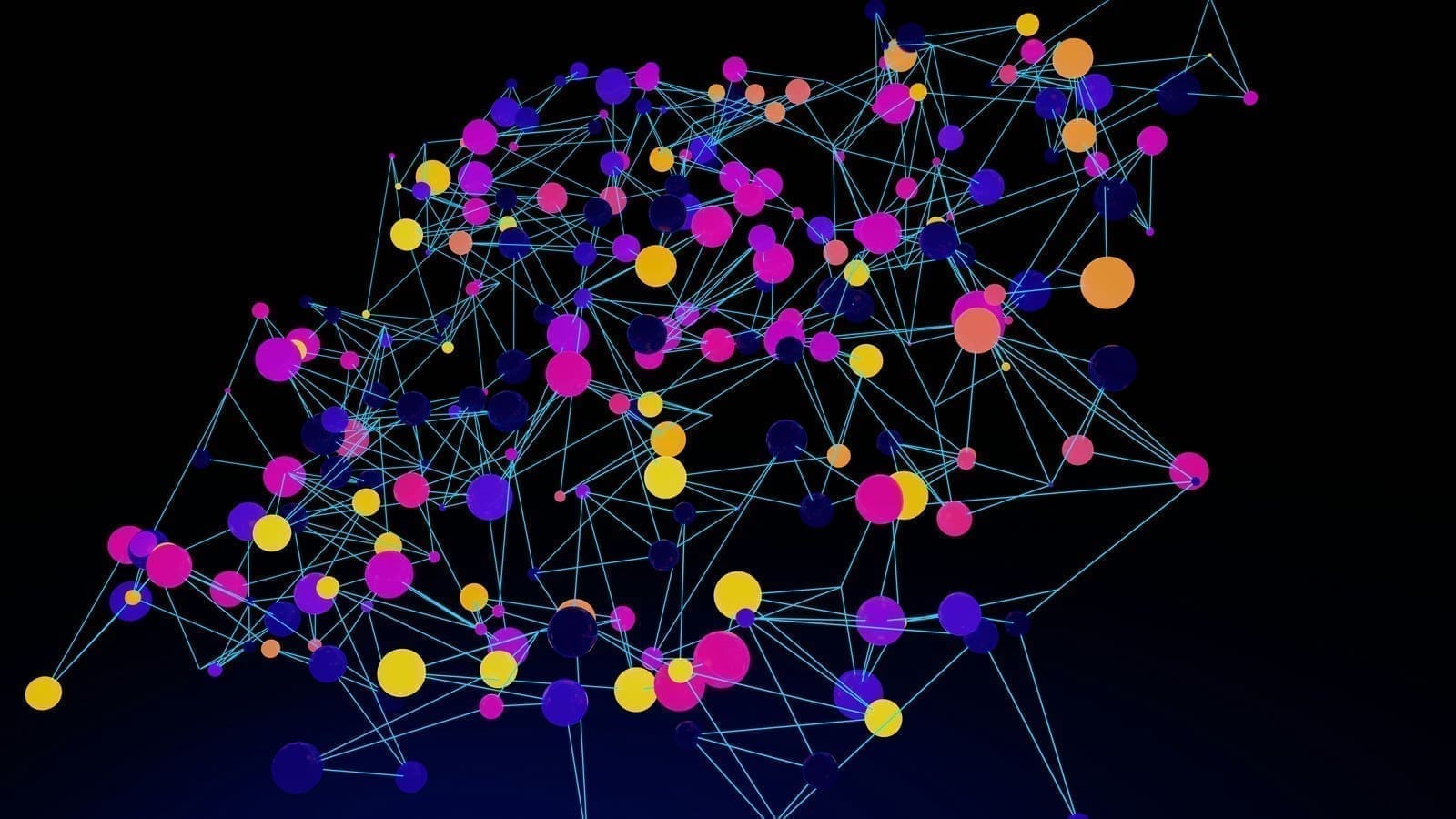
Matter network map. Settings now includes a map of your Matter fabric that separates Thread from Wi-Fi devices, marks border routers and shows signal strength per link. If you have been guessing why a Thread sensor keeps dropping, this is the first built-in tool that shows the path it takes. We covered the beta version in our 2026.9 beta preview; the stable release is functionally the same view.

Security dashboard alerts and favourites. The security dashboard gains an Active alerts section that only appears when something needs attention, with Alert and Warning severities, plus a Favorites section for pinning the entities you check most often.

History and Activity. History gets a single Sources panel that filters by floor, area, device, domain or integration, and Activity now shows the causation chain with clickable links back to the automation or trigger that fired, with millisecond timestamps for ordering.

Modbus modernised. Integrations built on the new modbus-connection library share one connection to a device instead of competing for it, and Fronius, Sofar Inverter and Flexit can now be set up from the UI rather than YAML.

Smaller additions. Tile cards gain a light effect selector, vacuum fan speed and climate humidity controls. Sun triggers and conditions add golden hour, blue hour, midnight sun and polar night with time offsets. Network storage shows usage bars that turn amber at 85% and red at 95%. There is a new Serial panel listing connected and missing ports, an MQTT settings page with broker status and a packet publishing tool, and charts can now be navigated by keyboard with screen reader announcements and audio sonification.

Home Assistant Cloud. Subscribers get a redesigned signup flow, real IP addresses in the login log, and a new Soniox speech-to-text engine in Labs aimed at accents and noisy rooms.

Which integrations are new or improved?

The 13 new integrations are Besen and NexBlue EV chargers, Silla Prism wallboxes, Sofar Inverter over Modbus, Flow-it ventilation, Hot Spring spas, ISEO Argo locks, LibreNMS, Ridder HortiMaX greenhouses, Samsung TV ExLink, Specialized Turbo e-bikes, Tonewinner AV and a Collection image integration, plus 15 virtual integrations for Midea-compatible brands such as Carrier and Comfee. We walked through each in our 2026.9 new integrations guide.

Among existing integrations, Shelly gains full camera support with motion detection for the new Shelly Camera, Reolink adds floodlight scheduling, a time sync button and a tamper alarm, Tado zones get a heating circuit selector, Roborock adds dock controls for V1 vacuums, Google Gemini exposes thinking budget options, KNX supports UI-based entity creation, and UniFi Protect can be set up with an API key alone.

What breaks in 2026.9?

  • VLC integration removed. The vlc integration is gone entirely; media players that used it need another route such as VLC Telnet — see our step-by-step VLC via Telnet migration guide.
  • Vacuum battery_level removed. The deprecated property is dropped from vacuum entities. Automations or cards reading it should switch to the separate battery sensor each vacuum integration now exposes.
  • LLM tool names are domain-prefixed. Tools are now named like homeassistant__GetLiveContext and intent__HassTurnOn, which affects anyone building on the LLM API or logging tool calls.
  • Update and Z-Wave JS actions need admin. Installing, skipping or clearing skipped updates, and Z-Wave JS user and credential management, are restricted to administrator accounts.
  • UniFi Protect requires Protect 7.2.105 or newer, and smart detection switches are always visible now.
  • KNX exposes no longer send their first value to the bus automatically unless you enable Send on initialization.
  • Persistent notification updates to an existing notification now fire an updated event rather than added.
  • Flexit Nordic drops the deprecated fireplace mode switch in favour of the fireplace preset.

Should you update now?

Yes for most installs, once you have a backup. The changes that bite are narrow: media setups built on VLC, vacuum automations that read battery_level, AI agents keyed on tool names, and non-admin accounts that install updates or manage Z-Wave locks. Check those four, update, then open the new Matter network map, which is the single most useful diagnostic this release adds for anyone running Thread devices such as the new Tado Smart Thermostat X.
Frequently asked questions

What is new in Home Assistant 2026.9?
Home Assistant 2026.9, released on 2 September 2026, focuses on making the system easier to understand rather than adding headline hardware support. The biggest additions are a Matter network map that shows Thread and Wi-Fi paths, border routers and signal strength; an Active alerts section and Favorites on the security dashboard; a unified Sources filter in History; and an Activity view that shows the chain of causes behind each state change. Modbus devices such as Fronius and Sofar inverters can now be configured in the UI, sun triggers gain golden hour and blue hour, and 13 new integrations ship alongside 15 virtual Midea-brand integrations. The caveat is that this release also removes the VLC integration and the vacuum battery_level property, so check the breaking changes list before updating.
What are the breaking changes in Home Assistant 2026.9?
Home Assistant 2026.9 has eight notable breaking changes. The VLC integration is removed outright. The deprecated battery_level property is dropped from vacuum entities in favour of a separate battery sensor. LLM API tool names are now domain-prefixed, for example homeassistant__GetLiveContext. Installing or skipping updates and managing Z-Wave JS users now require an administrator account. UniFi Protect needs version 7.2.105 or newer. KNX exposes no longer send their first value automatically. Persistent notification updates emit an updated event instead of added, and Flexit Nordic drops its fireplace mode switch for a preset. Most homes are unaffected, but anyone with VLC media players, vacuum battery automations or custom AI agents should adjust those before updating, and everyone should take a backup first.
Is it safe to update to Home Assistant 2026.9?
For the large majority of installations, yes. The release has been through a full beta cycle and its breaking changes are confined to specific integrations and features: VLC, vacuum battery_level, LLM tool names, admin-only update and Z-Wave JS actions, UniFi Protect version requirements, KNX exposes, persistent notifications and Flexit Nordic. If you do not use any of those, the update should be uneventful, and you gain the Matter network map, security alerts and improved History panel immediately. The sensible precaution is the usual one: take a full backup from Settings before updating, and if you run a large Matter or Thread network, open the new network map afterwards to confirm every device is still reachable.

Sources

Sources verified 2026-09-05

  1. Home Assistant — 2026.9: There's room on this bus
  2. Home Assistant — Full changelog for Home Assistant 2026.9
  3. GitHub — Release 2026.9.0 · home-assistant/core
  4. How-To Geek — Home Assistant 2026.9 finally makes it easier to understand and control your smart home
How we researched this

Claims in this article are checked against primary sources — manufacturer specifications, official documentation, Which? research, Ofgem guidance, or gov.uk — rather than forum threads or video reviews. Where the author has direct hands-on experience with a product (most Home Assistant, Zigbee, and home-networking gear is running in his own homelab), that is stated explicitly in the text.

For categories outside that personal setup — such as boilers, heat pumps, and other areas that are traditionally a heating engineer's domain — verdicts are built from cross-referenced manufacturer data, published lab results, and vetted expert and owner reviews rather than a claim of personal hands-on testing. See the editorial policy for the full methodology.

Sepehr

Written by

Sepehr

10+ years hands-on with Home Assistant & networking · Research-backed elsewhere · No brand deals

Smart home specialist with 10+ years running a self-hosted Home Assistant setup — Zigbee2MQTT, Frigate NVR, and local-first automations. Independent coverage for UK homes, no brand deals.

LinkedIn →

Citing this page? Please use a dofollow link back to the original article — it helps us keep the data on this page accurate and up to date.

Related reading