What's new in the Home Assistant 2026.9 beta integrations list?
The 2026.9 beta adds 13 integrations in total: Besen, Collection Image, Flow-it, Hot Spring, ISEO Argo BLE, LibreNMS, NexBlue, Ridder HortiMaX Pro, Samsung TV via ExLink, Silla Prism, Sofar Inverter Modbus, Specialized Turbo and Tonewinner. Two — Hot Spring and Samsung TV via ExLink — carry an official Integration Quality Scale rating (Platinum and Silver respectively), Home Assistant's mark for integrations that meet stricter code and reliability standards. The release also folds several existing Midea-branded integrations under one umbrella entry to make them easier to find in the integrations search, without adding new device support of its own.
What EV charger and electric mobility integrations are new in Home Assistant 2026.9?
Three of the new integrations target electric vehicles and e-bikes:
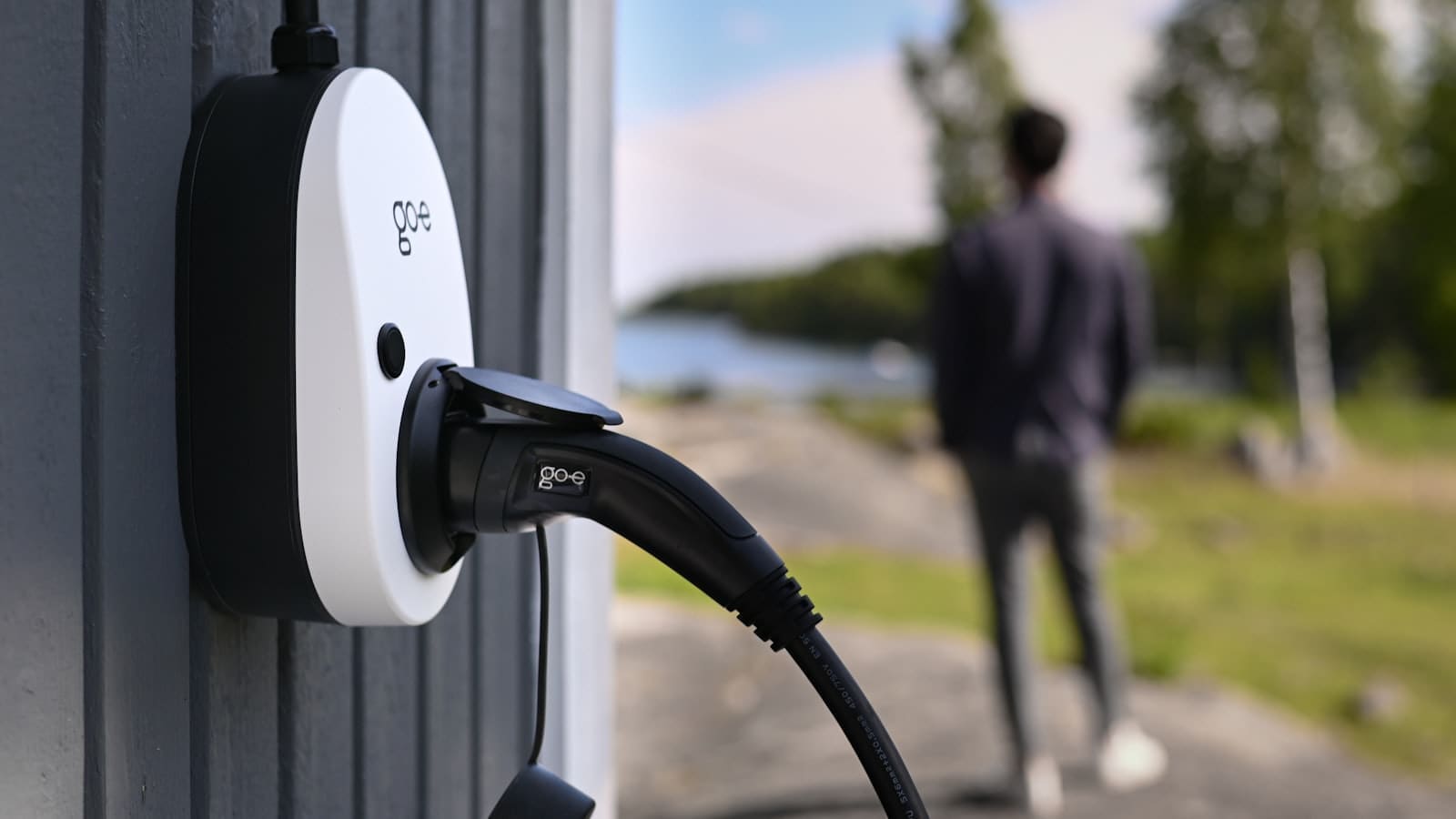
- Besen — connects Besen BS20 and compatible EV chargers over Bluetooth Low Energy, using either Home Assistant's built-in Bluetooth support or an ESPHome Bluetooth proxy for chargers out of direct range.
- NexBlue — links a NexBlue EV charger account to Home Assistant with read-only sensors for charging state, power draw and energy use. Charging controls are planned for a later release.
- Silla Prism — monitors a Silla Prism EV wallbox over local MQTT, exposing charging status and power sensors. Like NexBlue, it's read-only at launch.
- Specialized Turbo — pulls ride and battery telemetry from Specialized Turbo e-bikes (TCU1 and TCX1–4 drive units) over an encrypted Bluetooth Low Energy connection.
Does the new solar inverter integration support battery systems?
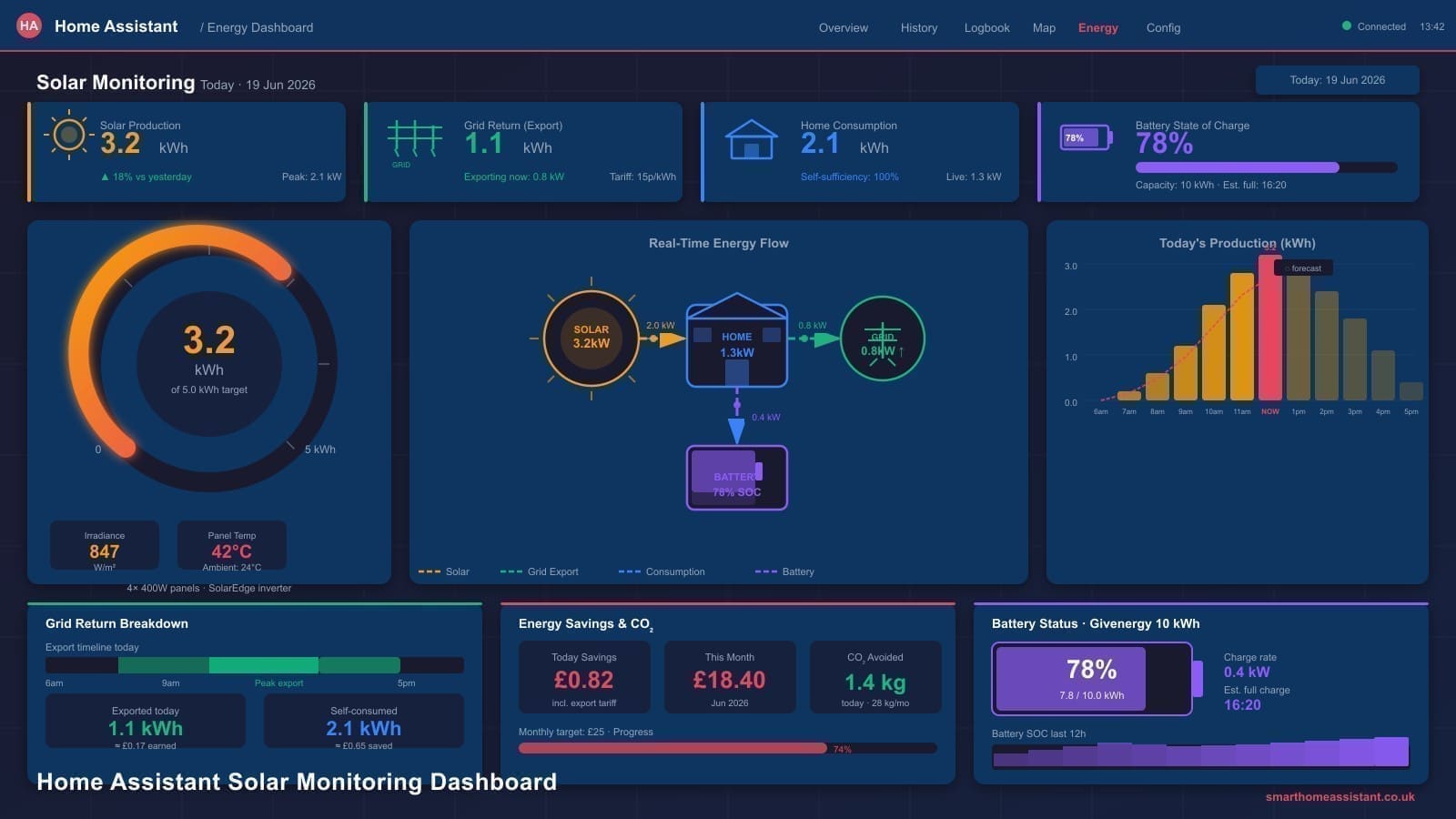
Yes — the Sofar Inverter Modbus integration connects Sofar Solar inverters over Modbus TCP and auto-detects the connected model, supporting both PV-only installations and hybrid systems with battery storage. It's a local-network connection, so no cloud account or internet access is required once set up. Anyone tracking solar generation and battery state of charge alongside the rest of their home in Home Assistant can pair this with our Home Assistant solar monitoring guide for dashboard and automation ideas once the inverter data is flowing.
What home comfort integrations does Home Assistant 2026.9 add for spas, ventilation and greenhouses?
Three integrations extend Home Assistant into more specialist home and outdoor equipment:
- Hot Spring (Platinum quality) — monitors and controls a Hot Spring spa fitted with the HotSpring Connected Spa Kit 2 module over the local network, covering temperature and pump/jet control.
- Flow-it — monitors and controls Flow-it ventilation systems locally, including fan speed adjustment and preset mode selection, useful for tying mechanical ventilation into humidity- or occupancy-based automations.
- Ridder HortiMaX Pro — brings greenhouse controller data into Home Assistant, including temperature, humidity and irrigation measurements. It's read-only, aimed at monitoring rather than controlling the greenhouse.
What security, AV and networking integrations does Home Assistant 2026.9 add?
The remaining integrations cover access control, entertainment equipment and infrastructure monitoring:
- ISEO Argo BLE — operates ISEO Argo Bluetooth smart locks, common on armoured doors in Italy and Switzerland, with access log syncing and user management from within Home Assistant.
- Samsung TV via ExLink (Silver quality) — controls older and newer Samsung TVs through their RS-232 serial port, via a direct cable, USB-to-serial adapter, or an ESPHome serial proxy. It works even on models without smart TV features, since it talks to the physical serial port rather than a network API.
- Tonewinner (Silver quality) — controls Tonewinner AV processors, receivers and amplifiers over RS-232 serial, the same connection pattern as the Samsung TV integration.
- LibreNMS — brings LibreNMS network monitoring data into Home Assistant as device online/offline sensors, useful for triggering automations when a router, NAS or access point drops off the network. It's cloud/API-based and read-only, with alert-based sensors planned for a future release.
- Collection Image — not a physical device integration, but a new image entity type that randomly selects a picture from a chosen media source folder each time it's requested, handy for dashboard backgrounds or a rotating photo card.
Do you need to update to get these integrations?
Yes — these 13 integrations only ship in the 2026.9 beta, available now at rc.home-assistant.io for testing, with the stable release expected alongside Home Assistant's usual release-party livestream. If you don't own any of the specific hardware listed above, there's no urgency to update early; beta releases can carry rough edges, and none of these integrations replaces functionality already available through Matter, Zigbee or an existing cloud integration. If you do run a Sofar inverter, Hot Spring spa or one of the listed EV chargers, updating to the beta (or waiting for stable) is the only way to add native support — check the 2026.7 new integrations roundup for how this release cadence has looked in recent months. For a look at manufacturers building local-first control directly into their hardware rather than via a Home Assistant integration, see our coverage of SONOFF OpenEdge, announced at IFA Berlin 2026.
Update: Home Assistant 2026.9 shipped on 2 September 2026 with all 13 integrations included. Our 2026.9 release round-up covers the rest of what changed and what breaks.