What do you need before you start?
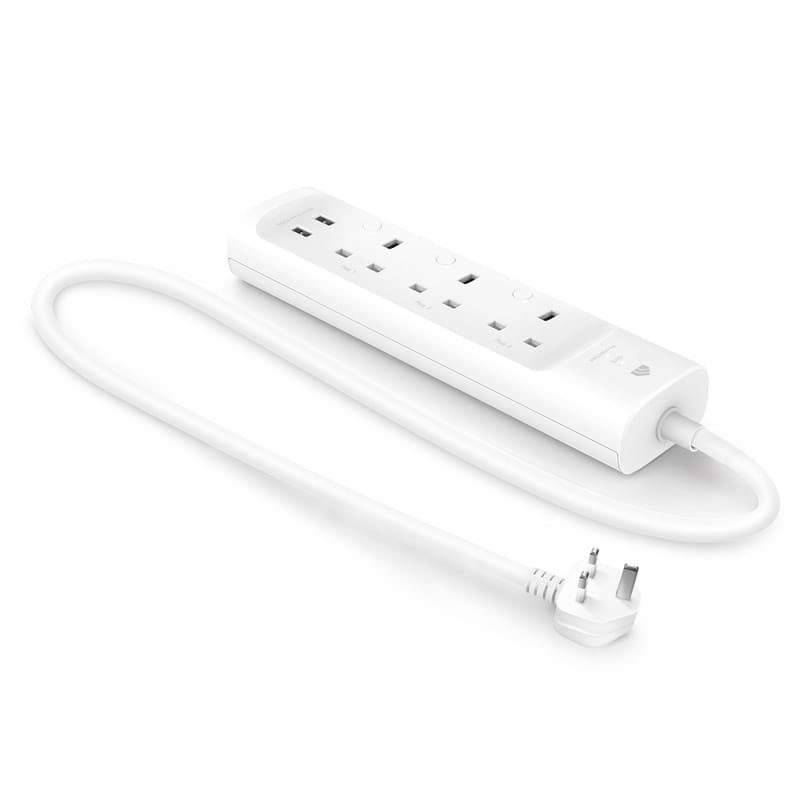
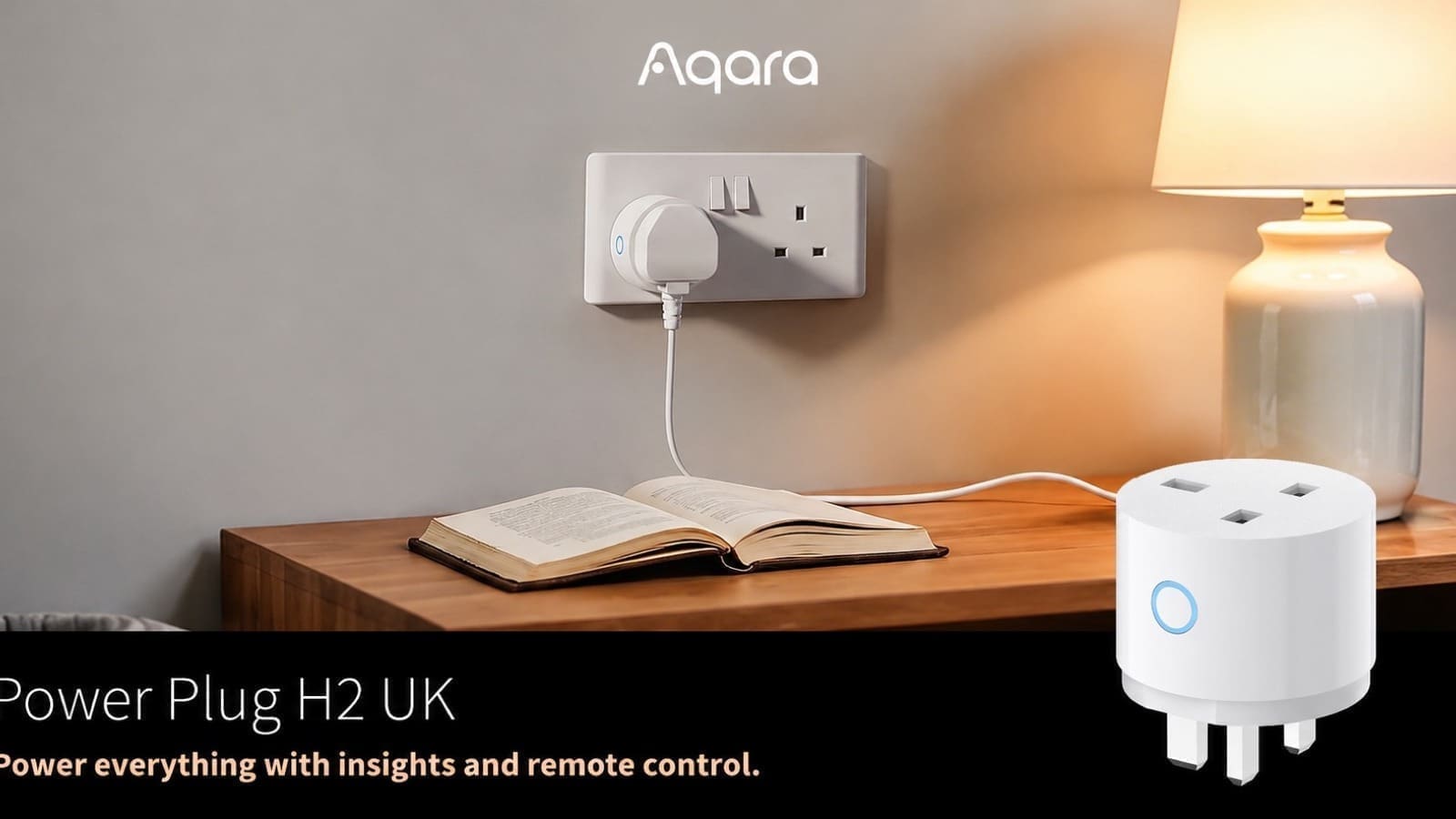
- A power-monitoring smart plug rated for the load: a UK socket supplies up to 13 A, roughly 3 kW at 230 V, and a dishwasher's heater can draw a large share of that. Check the plug's own rating before connecting a dishwasher; some budget plugs are rated lower. Our best smart plug roundup lists monitoring plugs that work with Home Assistant. A built-in dishwasher on a fused spur, or one wired in behind a cabinet with no accessible socket, cannot use a plug and would need an electrician-fitted energy monitor.
- The plug already in Home Assistant: it should expose a power entity in watts. For a wider view of what your appliances use, see the Home Assistant energy monitoring guide.
- Phone notifications working: the Companion app is the easiest route. If it is not set up yet, start with the Home Assistant notifications guide.
Why is a dishwasher harder to detect than a washing machine?
A dishwasher's power use rises and falls through the programme: the heater runs to warm the water, the pump runs to circulate and drain, and many models then dry the load with little or no power. Home Assistant can read all of this from a sensor with the power device class, which reports instantaneous watts (Home Assistant sensor docs).
| Dishwasher phase | What the power reading does | Risk for your automation |
|---|---|---|
| Heating | High while the element is on | Good signal that a cycle has started |
| Washing and draining | Low to moderate pump draw, with gaps | Brief dips can look like "finished" without a delay |
| Drying or idle at the end | Near standby for a long stretch, sometimes with a late pump pulse | Easily confused with the end of the cycle |
| Stopped by a fault | Drops early | Looks like a finished cycle unless you check run time |
Those behaviours differ by model and programme, so Step 2 has you measure your own machine rather than trusting a generic number. Some dishwashers (Bosch and Siemens Home Connect models, for example) have a Home Assistant integration that reports programme status directly; if yours does, that is more accurate than watching watts (Home Assistant Home Connect docs). The plug method below works for any dishwasher that plugs in.
Step 1: Find the plug's power sensor
Plug the dishwasher into the monitoring plug, then open Settings → Devices & services and select the plug. Find the entity reporting watts; this guide calls it sensor.dishwasher_power, so substitute your own name throughout. Do not use the cumulative energy sensor in kWh: it only ever rises, so it can never show the dishwasher has stopped (Home Assistant sensor docs).
Step 2: Measure one full dishwasher cycle
Run a normal programme and watch the power entity's history graph. Note three things:
- Running level: a figure above standby that the machine reaches early on, used to decide a wash has started. The heating phase is usually the clearest.
- Standby watts: what the machine reads when idle or finished. Your "finished" threshold sits just above this.
- Longest quiet gap mid-cycle: the longest time the reading sits low before climbing again, including any drying stretch. Your delay must be longer than this.
Eco programmes often have the longest quiet gaps, so measure the programme you use most.
Step 3: Create a "dishwasher running" helper
A toggle helper lets the automation remember that a real wash started, so a plug blip or a restart cannot trigger a finished alert on its own. Go to Settings → Devices & services → Helpers → Create helper → Toggle and name it "Dishwasher running". That gives you input_boolean.dishwasher_running (Home Assistant input boolean docs).
Step 4: Mark the wash as started
Create a new automation, open the three-dot menu, choose Edit in YAML and paste this. Change the entity and the 200 watt level to suit your measurements.
alias: "Dishwasher started"
mode: single
triggers:
  - trigger: numeric_state
    entity_id: sensor.dishwasher_power
    above: 200
    for: "00:02:00"
conditions:
  - condition: state
    entity_id: input_boolean.dishwasher_running
    state: "off"
actions:
  - action: input_boolean.turn_on
    target:
      entity_id: input_boolean.dishwasher_running
The for option means the reading must stay above the level for two minutes before the trigger fires, which ignores a momentary spike. A numeric state trigger fires when the value crosses the threshold, not repeatedly while it stays on one side (Home Assistant numeric state trigger).
Step 5: Send the finished notification
Now the finish automation. It only fires if the helper says a wash was running, and it checks how long the run lasted so you can tell a normal finish from an early stop.
alias: "Dishwasher finished"
mode: single
triggers:
  - trigger: numeric_state
    entity_id: sensor.dishwasher_power
    below: 4
    for: "00:15:00"
conditions:
  - condition: state
    entity_id: input_boolean.dishwasher_running
    state: "on"
actions:
  - choose:
      - conditions:
          - condition: template
            value_template: >
              {{ now() - states.input_boolean.dishwasher_running.last_changed
                 < timedelta(minutes=30) }}
        sequence:
          - action: notify.mobile_app_your_phone
            data:
              title: "Dishwasher stopped early"
              message: "The dishwasher stopped after a short run. Check the filter, spray arms and water supply."
    default:
      - action: notify.mobile_app_your_phone
        data:
          title: "Dishwasher finished"
          message: "The dishwasher has finished. Unload it while the dishes are still warm."
  - action: input_boolean.turn_off
    target:
      entity_id: input_boolean.dishwasher_running
The for: "00:15:00" delay rides out a quiet drying stretch, so set it a little longer than the longest gap you measured in Step 2. The cost is a notification that arrives that much later than the true end, which is the trade-off for avoiding false alerts. The 30 minute cut-off is a guess: set it below your shortest genuine programme. A template condition is evaluated at the moment the trigger fires (Home Assistant conditions docs), and every entity records when its state last changed, which is what last_changed reads.
Step 6: Test without waiting for a full cycle
Temporarily set both for values to 30 seconds and the early-stop cut-off to something tiny. Start a short rinse, stop it and confirm the "started" and "finished" messages arrive in order. Then restore your real values and run one full programme before relying on it. The Companion app's basic notification options are documented in the Companion notification docs.
Why isn't my dishwasher notification firing?
Nothing arrives at all: the "started" automation probably never fired, so the helper stayed off and the finish automation's condition blocked it. Check the helper in Developer tools → States mid-cycle. If it is still off, lower the running level or check the unit is watts, not kW.
The alert arrives mid-wash: the delay is shorter than a quiet gap. Lengthen it and re-test using your longest programme.
Always "stopped early": the cut-off is longer than your shortest programme. Lower it, or measure the quick programme separately.
It never says finished after a delayed start: if you use a delay-start timer, the plug may sit at standby for hours first. That is fine, because the helper only turns on once the wash genuinely begins.
The helper stays on after a restart: if Home Assistant restarts mid-cycle, the helper's state survives, so the next quiet spell still fires the alert.
What else can you do with the same setup?
Copy both automations for other appliances, swapping the entity and re-measuring each one; our tumble dryer finished notification guide shows the version tuned for anti-crease pulses. A dishwasher that fills but never drains is worth a second sensor: a leak sensor under the machine pairs well with the Home Assistant water leak alert guide. If you are on a time-of-use tariff, you could also start the wash in a cheap slot, as covered in the Octopus Agile cheapest slots guide.