What Is the Google Nest Thermostat 4th Gen?
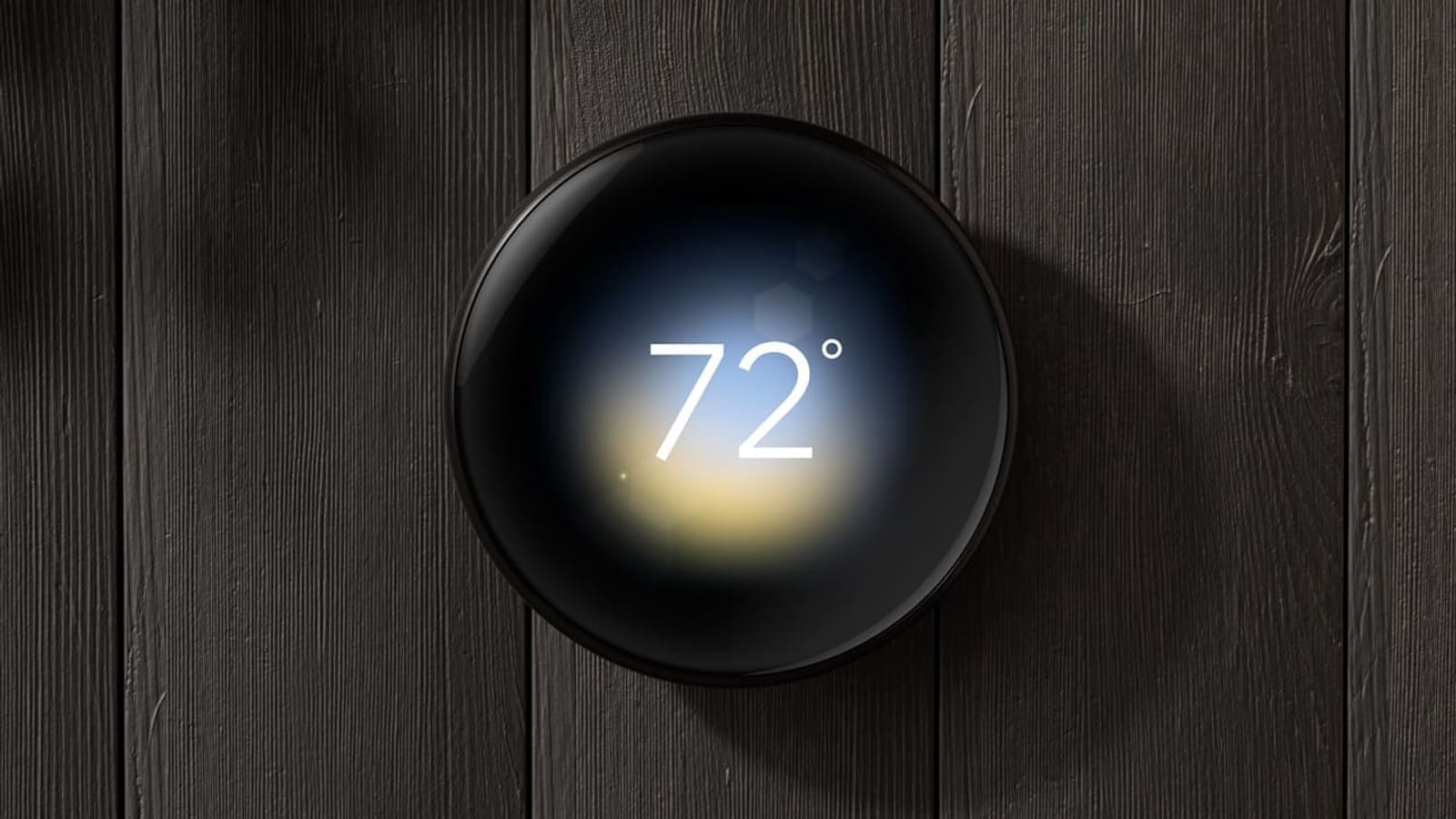
The 4th-gen Nest Thermostat is Google's entry-level smart thermostat. It replaces an older model with a redesigned 2.08-inch colour LCD display, a refreshed app experience through Google Home, and ENERGY STAR certification — a standard that recognises products meeting strict energy-efficiency criteria set by the US Environmental Protection Agency and adopted globally by manufacturers selling into efficiency-conscious markets.
Unlike the Nest Learning Thermostat at around £219.99, the 4th-gen model does not auto-learn your schedule. You set it manually through the app or the device itself, which is a meaningful trade-off at a £100 price difference.
Key Specs at a Glance
Display: 2.08-inch colour LCD, showing current temperature, target temperature, and heating status at a glance.
Price: Around £119.99 RRP; prices vary by retailer.
Wiring: Requires a C-wire (common wire) for continuous power. If your boiler wiring does not include a C-wire — common in older UK installations — Google sells the Nest Power Connector separately for around £15. This is an important installation consideration to check before buying.
App: Controlled via the Google Home app on iOS and Android. The same app manages Nest cameras, doorbells, and speakers, so it fits naturally into a wider Google ecosystem.
Voice assistants: Works with Google Assistant and Amazon Alexa. It does not support Apple HomeKit natively, so iPhone users who rely on the Home app will need to use Google Home instead.
Compatibility: Compatible with most UK combi boilers and system boilers. It is not designed for electric storage heaters or underfloor heating systems without additional controls.
Installation
Installation is broadly straightforward for a UK combi boiler setup, though the C-wire requirement catches some homeowners out. The Nest app walks you through wiring step by step with photos, and the process typically takes 30–60 minutes. If you are not comfortable working with low-voltage wiring, a Gas Safe registered engineer or competent electrician can install it for a modest fee.
The Nest Power Connector (around £15 separately) resolves the C-wire issue for most installations without running new cable. It taps into your existing wiring to provide a continuous power feed. Google's compatibility checker on its website will tell you whether your boiler wiring is supported before you commit to a purchase.
App and Scheduling
The Google Home app is polished and responsive. You can create daily or weekly heating schedules, set target temperatures per time slot, and adjust the thermostat remotely from anywhere with a mobile connection. The app also shows an energy history view — a breakdown of how long your heating ran each day — which is useful for spotting patterns and trimming unnecessary use.
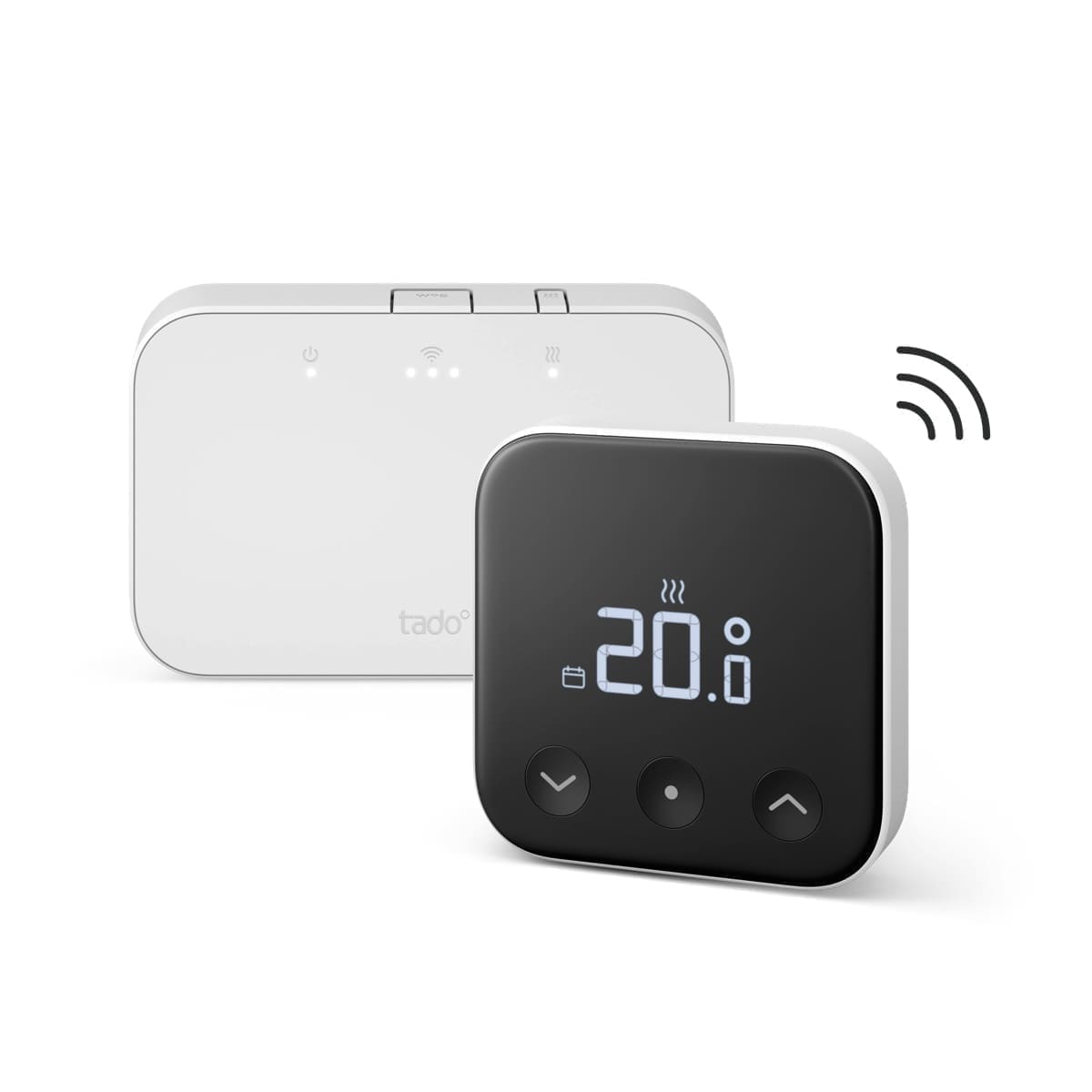
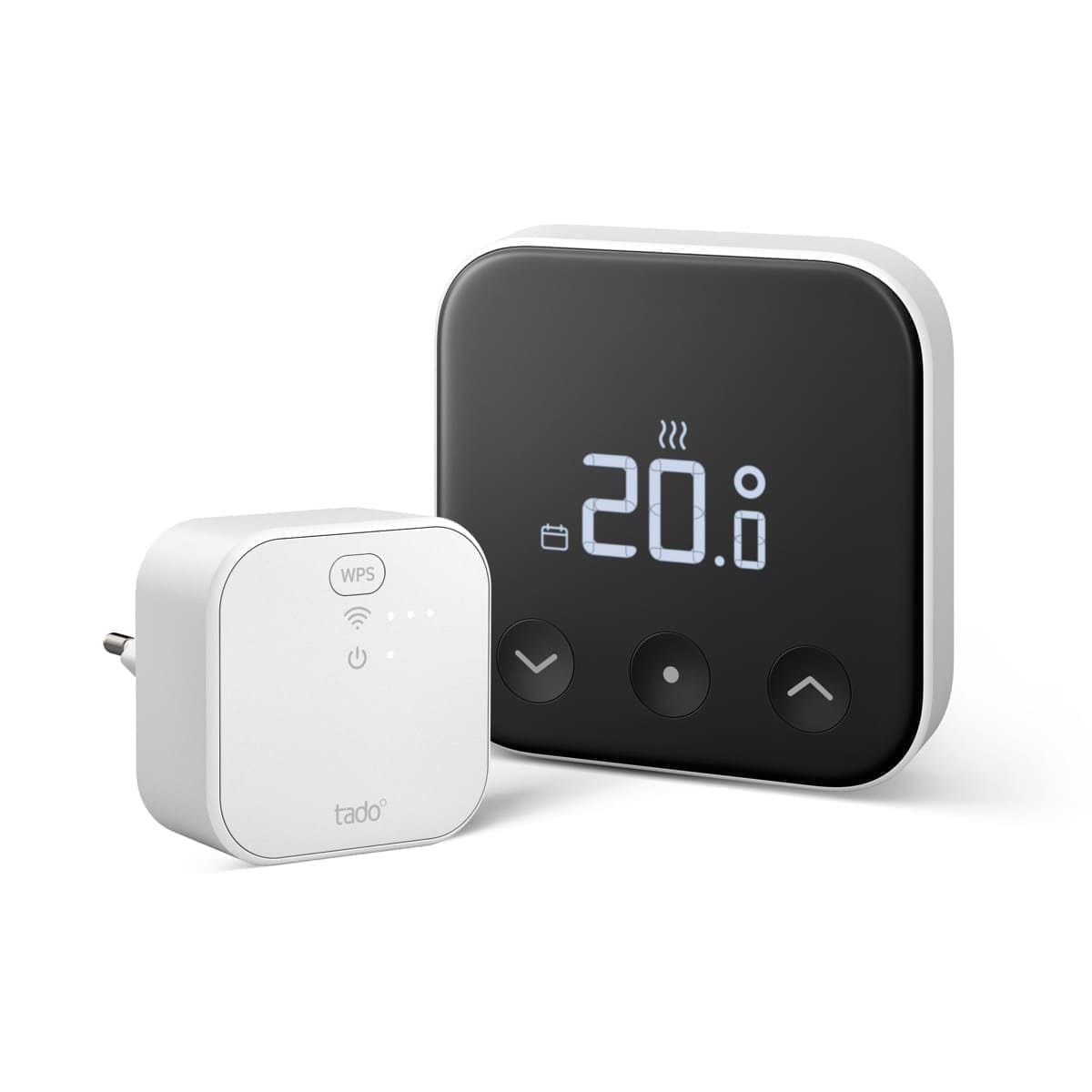
What you do not get is the automatic schedule learning of the more expensive Nest Learning Thermostat. The 4th-gen model requires you to programme schedules manually. For most households this is perfectly adequate — you know when you are home and when you are not. But if you have irregular hours or want the thermostat to adapt without intervention, the Learning Thermostat or a competitor like Tado — which offers geofencing-based auto control — may suit you better.
Geofencing is available on the 4th-gen via the Google Home app's Home/Away Assist feature, which uses your phone's location to reduce heating when everyone leaves the house. It works reliably in practice, though it depends on location permissions being enabled on your phone.
Energy Saving Potential
The Energy Saving Trust estimates that reducing your thermostat by just 1°C can cut your heating bill by up to 10%. The Nest Thermostat's scheduling and remote control make it easier to avoid heating an empty home — the main source of wasted energy in most households. According to Ofgem, space heating accounts for around 62% of the average UK household's energy use, so even modest reductions have a meaningful impact on bills.
The gov.uk guidance on smart meters and smart heating notes that remote control and scheduling are among the most effective behavioural tools for reducing energy consumption. The Nest Thermostat delivers both. Whether you recover the £119.99 cost depends on your current heating habits — households that frequently forget to turn the heating down before leaving will see the clearest payback. For a broader look at whether smart heating is financially worthwhile, see our guide on whether smart heating is worth it in the UK.
How It Compares to the Nest Learning Thermostat
The Nest Learning Thermostat (3rd gen) costs around £219.99 — £100 more than the 4th-gen model. The premium buys you auto-schedule learning, a metal chassis with a rotating ring interface, and a slightly larger display. For most people, the auto-learn feature is the headline differentiator.
If you are willing to set schedules manually and do not mind the simpler interface, the 4th-gen thermostat covers 80–90% of what the Learning Thermostat does at significantly lower cost. If you prefer a hands-off approach where the thermostat adapts to your routine automatically, the Learning Thermostat or a competing product may be worth the extra outlay.
How It Compares to the Competition
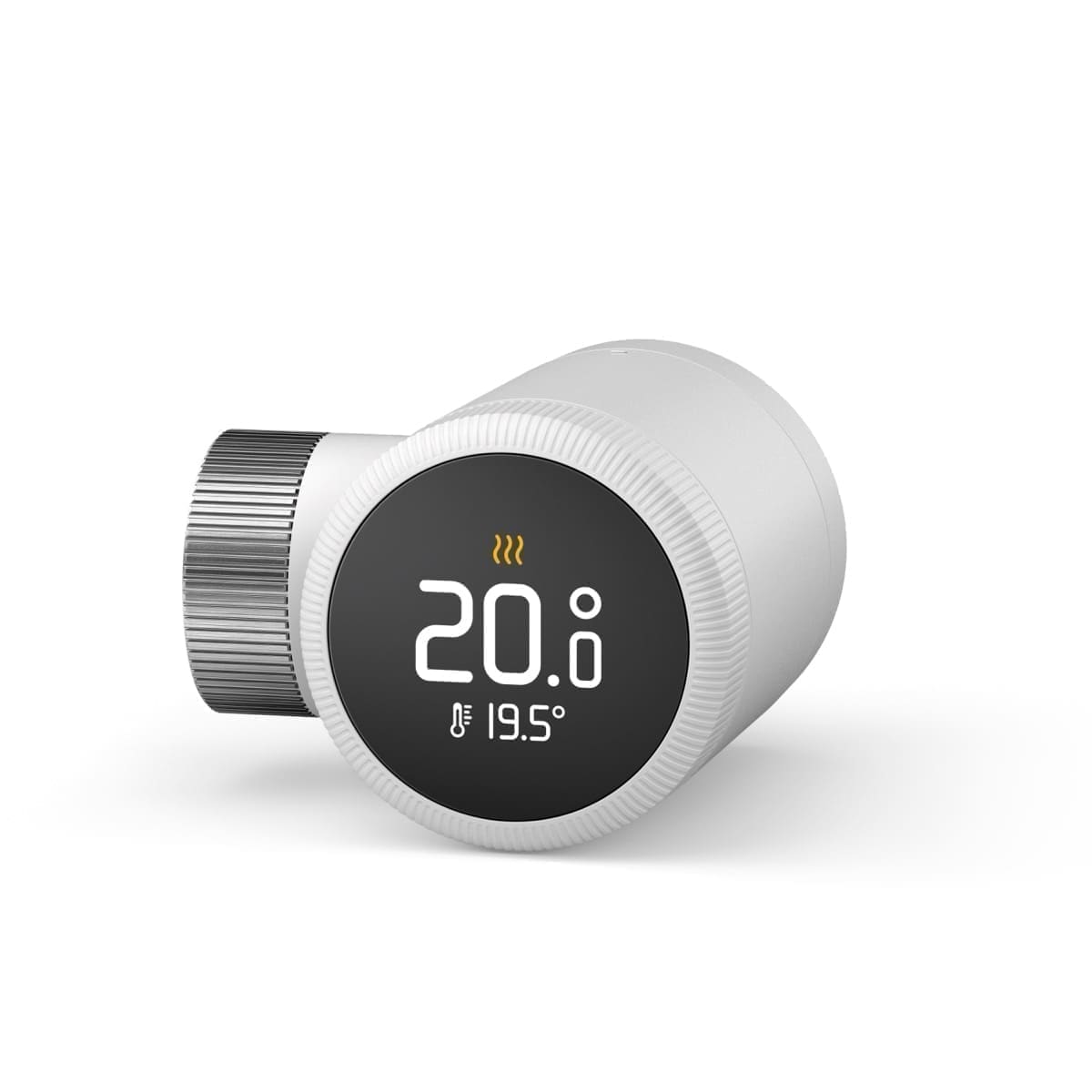
The 4th-gen Nest Thermostat sits in a competitive segment. Tado's Smart Thermostat Starter Kit typically comes in at a similar or slightly higher price, but Tado adds room-by-room control via smart radiator valves and a subscription-based Auto-Assist for geofencing. Hive's Active Heating thermostat is another UK alternative with a strong installer network and British Gas backing — useful if you want a professional installation bundled with a service plan.
For a direct comparison, see our Tado vs Nest UK comparison and our Hive Active Heating review. If you want to see how all options stack up, our best smart thermostats UK roundup covers the full market.
Verdict
The Google Nest Thermostat (4th generation) is a capable, well-designed smart thermostat at a reasonable price for the UK market. The Google Home app experience is smooth, the colour display is a step up from older models, and ENERGY STAR certification provides a recognised benchmark for efficiency. The lack of auto-schedule learning is a genuine limitation compared to the Nest Learning Thermostat, but for households prepared to set their own schedules it is not a deal-breaker.
The C-wire requirement and the need for the separate Nest Power Connector in many UK homes adds a small hidden cost and installation step that Google could make clearer upfront. At around £119.99, this is still one of the more premium options at the entry level — Tado and Hive can be found at similar or lower prices depending on offers. But if you are already in the Google ecosystem with Nest cameras or speakers, the 4th-gen thermostat integrates neatly and performs reliably.
Best for: Google Home users, households wanting reliable scheduling and remote control, anyone upgrading from a basic programmer.
Consider alternatives if: You want auto-schedule learning, Apple HomeKit support, or room-by-room radiator control.
Related: Tado vs Nest thermostat UK, Hive vs Tado vs Nest UK, and Nest thermostat installation cost UK.