
What Does Heat Pump Installation Cost in the UK?
The total installation cost depends on the type of heat pump, your property size, and what additional work is required (such as radiator upgrades or a new hot water cylinder). According to the Energy Saving Trust and Which?, the typical installed costs before grants are:
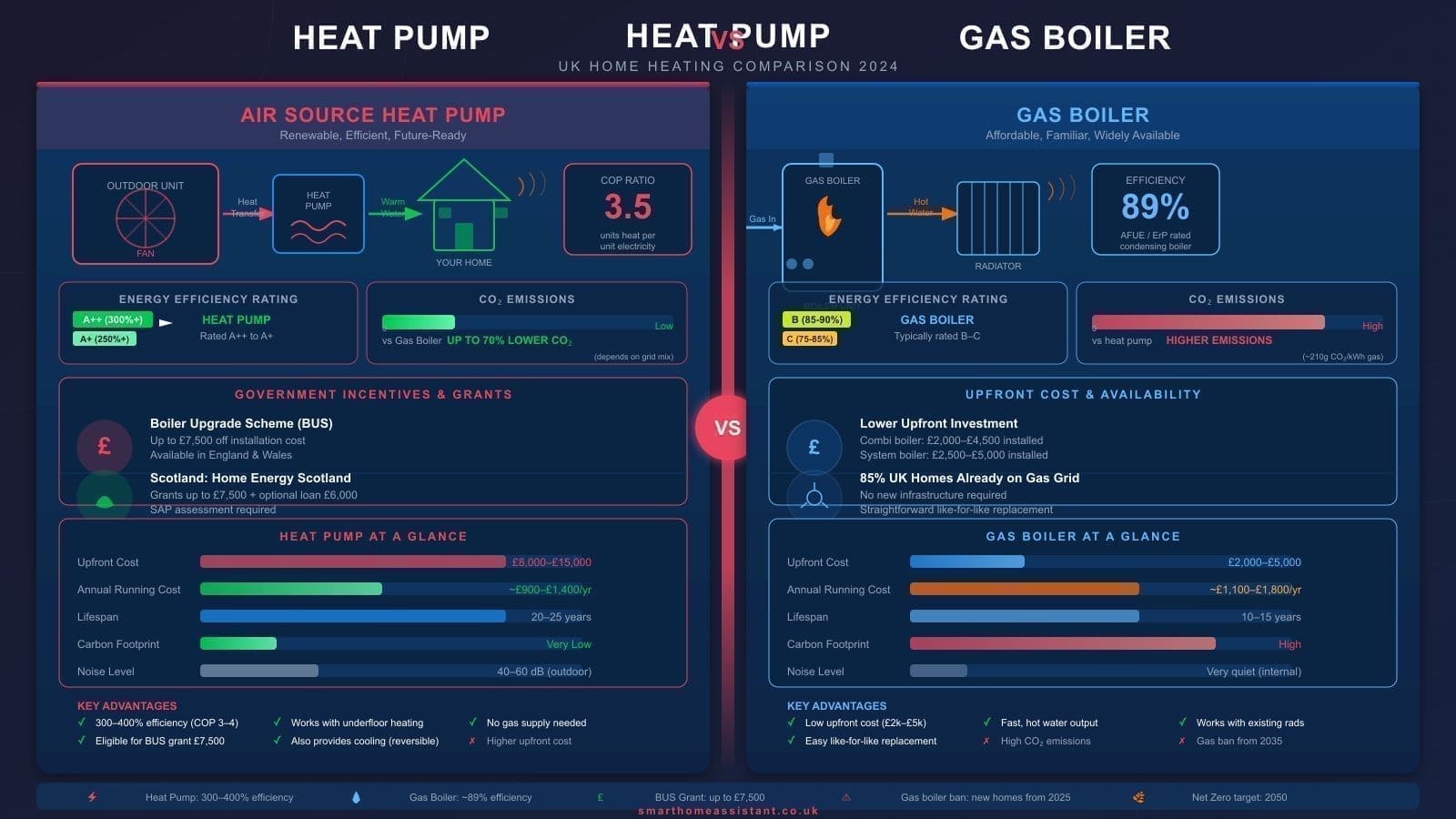
- Air source heat pump (ASHP): £8,000–£15,000
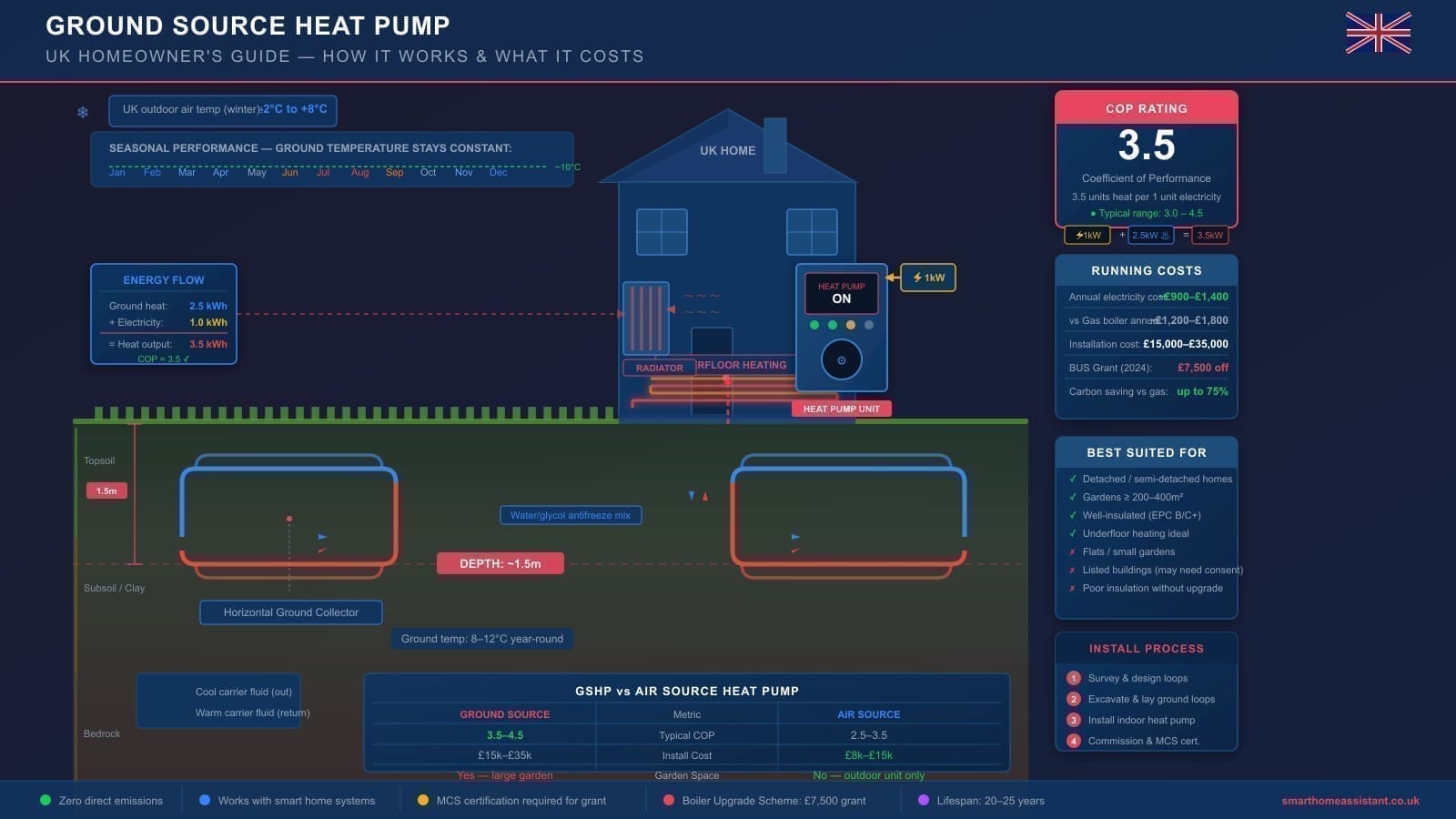
- Ground source heat pump (GSHP): £15,000–£35,000
These figures include the heat pump unit, labour, pipework, controls, and commissioning. They do not include any radiator upgrades, new hot water cylinders, or underfloor heating — costs that are sometimes necessary and covered separately below.
Annual servicing adds roughly £100–£200 per year once the system is installed — comparable to a gas boiler service.
Air Source vs Ground Source Heat Pump Costs
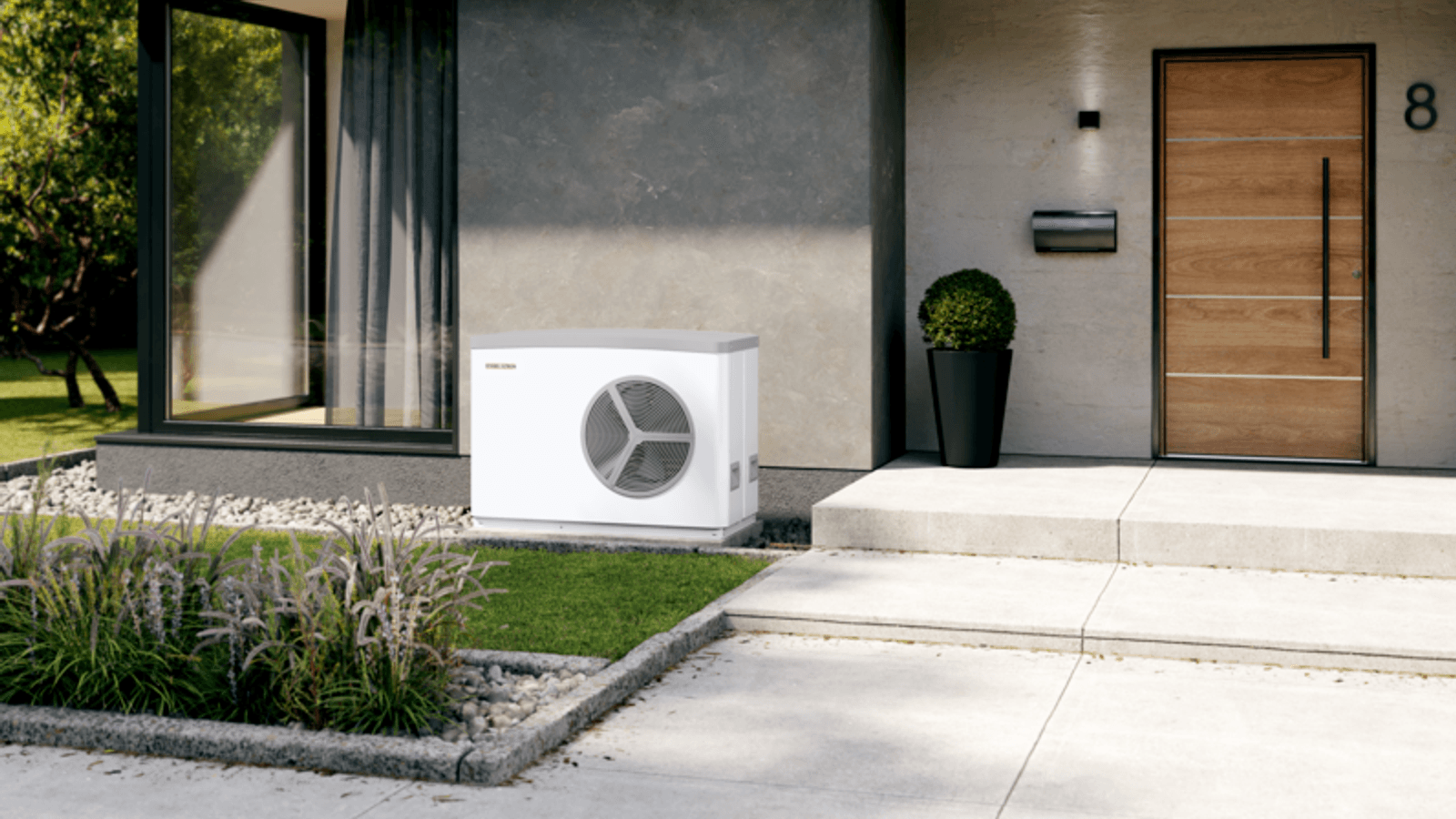
Air source heat pumps extract heat from outdoor air and are by far the most common choice for UK homes. They are less disruptive to install — the outdoor unit sits against an external wall — and the lower price point makes them more accessible. Most UK installers specialise in ASHPs, meaning competitive quotes are easier to find.
Ground source heat pumps extract heat from the ground via buried loops or bore holes. They cost significantly more upfront (£15,000–£35,000), require garden access for pipe installation, and take longer to install. However, they typically achieve a higher Coefficient of Performance (COP) than air source models, particularly in cold weather, which can mean lower running costs over time. They also qualify for the same £7,500 BUS grant as ASHPs.
For most UK homeowners, an air source heat pump is the practical starting point. If you are renovating a property with significant outdoor space and want to maximise efficiency, a ground source system is worth obtaining quotes for.
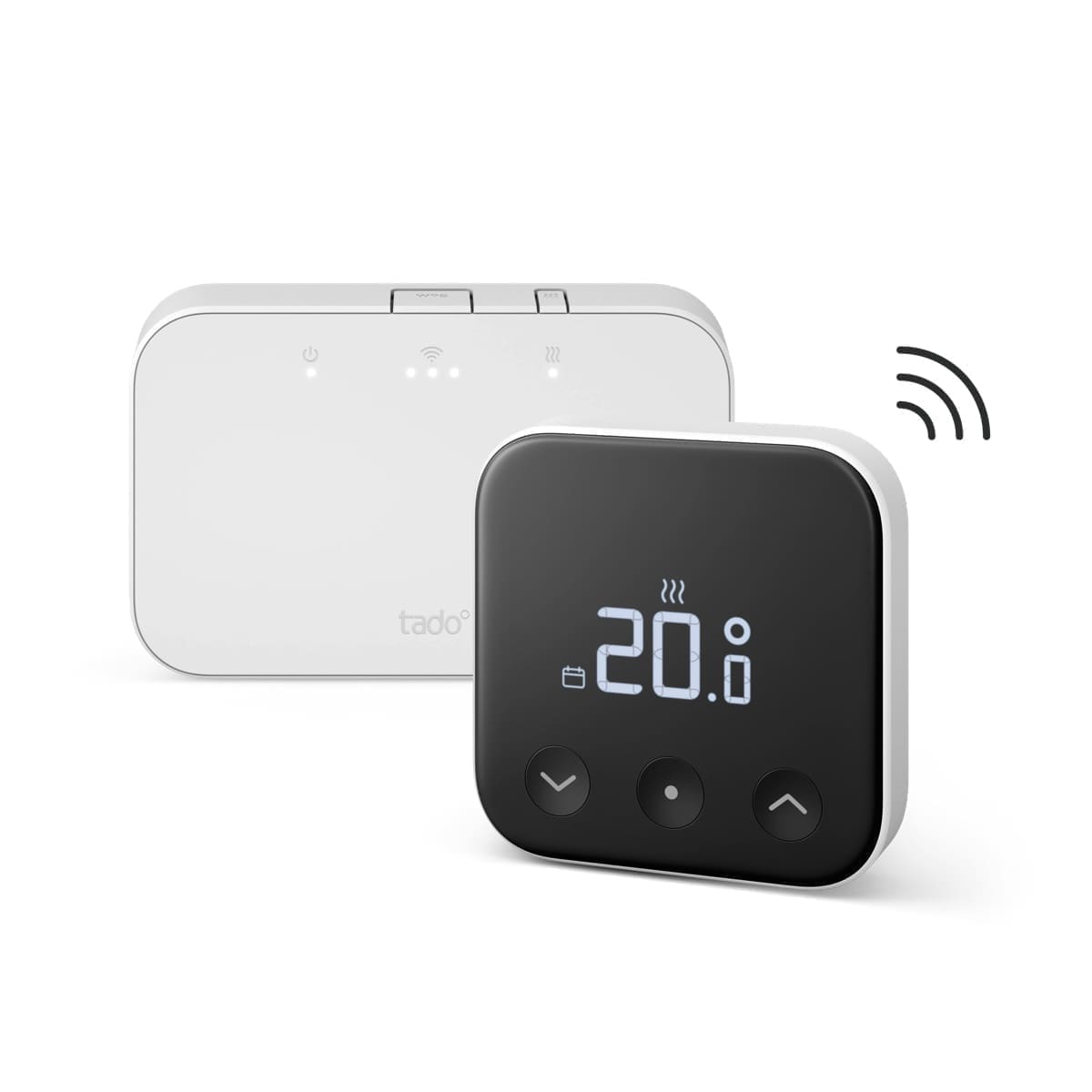
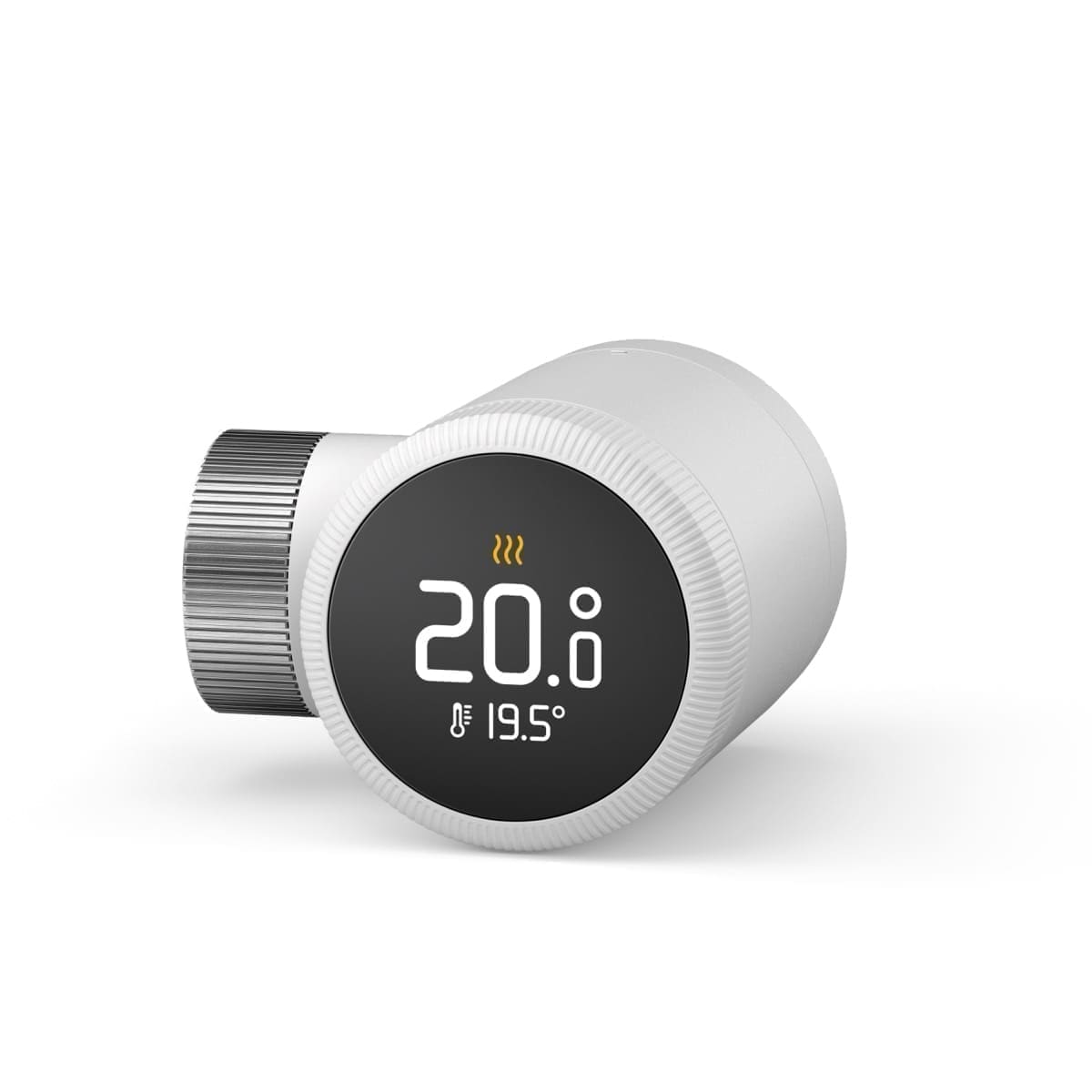
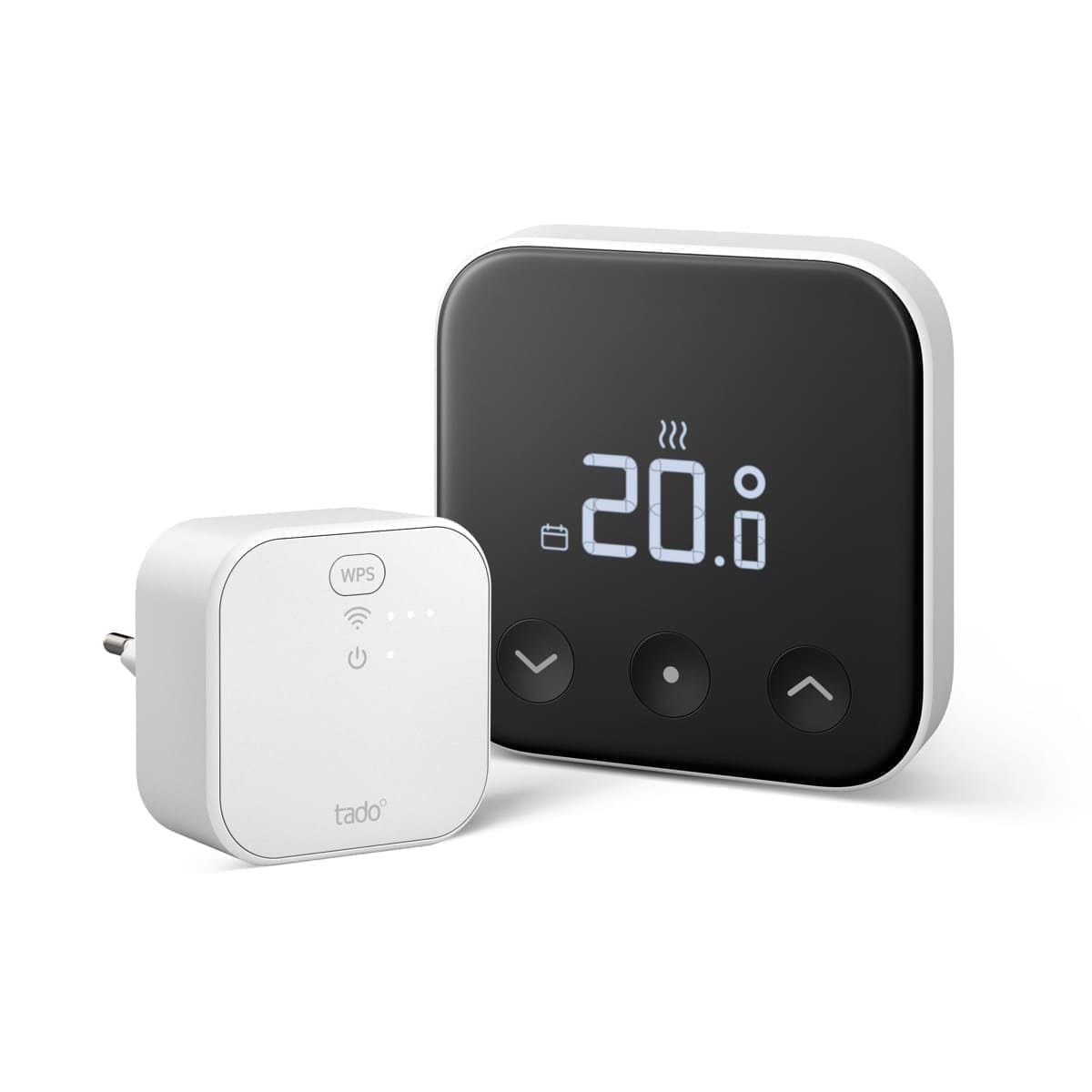
Whichever type you choose, pairing your heat pump with a smart thermostat designed for heat pumps is one of the most impactful upgrades you can make — it ensures the system runs at its most efficient schedule and COP.
The Boiler Upgrade Scheme — £7,500 Grant Explained
The Boiler Upgrade Scheme (BUS) is the UK government's primary grant for replacing gas or oil boilers with low-carbon heating. It was introduced in April 2022 and has been extended through 2025/26. As of 2024, the grant value was increased to £7,500 for both air source and ground source heat pumps.
Key points about the BUS grant:
- The grant is applied directly by your MCS-certified installer — you do not need to claim it yourself. The installer redeems it from the government and passes the saving on to you.
- Your property must have a valid EPC (Energy Performance Certificate) with no outstanding recommendations for loft or cavity wall insulation (unless these are not applicable or already completed).
- The grant applies to properties in England, Wales, and Scotland.
- You must use an installer registered with the Microgeneration Certification Scheme (MCS) — see mcsregistered.org.uk to find accredited installers. See our guide to choosing a heat pump installer for what a proper quote should include and red flags to avoid.
- Applications are made via your installer at gov.uk/apply-boiler-upgrade-scheme.
After the £7,500 BUS grant, a typical ASHP installation costs £500–£7,500 net — a significant reduction that has made heat pumps genuinely cost-competitive with gas boiler replacements for many UK households.
If you are unsure whether a heat pump is right for your home before committing, our guide to whether smart heating is worth it in the UK can help you weigh up the options alongside other heating upgrades.
Hidden and Additional Costs to Budget For
Heat pumps operate at lower flow temperatures than gas boilers (typically 35–55°C versus 70–80°C for a boiler). This means your existing radiators may not deliver enough heat unless they are oversized for these lower temperatures. Budget for the following potential additional costs:
- Radiator upgrades: Replacing or adding radiators to ensure adequate heat output at lower temperatures. Cost: approximately £150–£400 per radiator, or £1,000–£3,000 for a full house depending on size. See our guide to the best smart radiator valves UK for ways to optimise existing radiators.
- Hot water cylinder: Heat pumps typically require a separate hot water cylinder (unlike combi boilers). A new cylinder costs £500–£1,500 supplied and fitted.
- Underfloor heating: If your home has or is being fitted with underfloor heating — ideal for heat pumps — costs vary widely (£50–£150/m² for wet underfloor heating). See our guide to the best underfloor heating thermostats UK.
- Electrical upgrades: Heat pumps run on electricity and may require an upgraded consumer unit or additional circuit. Allow £200–£600 if upgrades are needed.
- Scaffolding or groundworks: Ground source installations require excavation — ground loop installation adds £3,000–£8,000 to the GSHP cost.
In total, additional costs beyond the base installation could add £1,000–£5,000 for a straightforward property, or more for a property needing significant upgrades.
Top Heat Pump Brands in the UK
The UK market is well-served by established manufacturers with proven track records. The most widely installed brands are:
- Vaillant aroTHERM plus — a German brand with a strong UK installer network. The aroTHERM plus is particularly popular for new-build and retrofit installations.
- Mitsubishi Ecodan — one of the UK's most popular ASHPs, backed by Mitsubishi's extensive service network. Known for reliability and good cold-weather performance.
- Daikin Altherma — a Japanese brand offering a wide range of capacities. The Altherma 3 is a common choice for UK homes.
- Samsung EHS (EcoHeating System) — a growing presence in the UK market; competitive on price and increasingly well-supported.
- LG ThermaV — LG's heat pump range, often praised for quiet operation and efficiency at low ambient temperatures.
Choosing a brand with strong UK installer support matters as much as the unit itself. Always check that your chosen installer is MCS-certified and has experience with your preferred brand.
How Long Does Installation Take?
A straightforward air source heat pump installation typically takes 2–3 days for a competent installer. This covers mounting the outdoor unit, installing the indoor components (buffer vessel, cylinder, controls), connecting pipework, and commissioning the system.
Ground source installations take longer — usually 5–10 days — owing to the groundworks required for the pipe loops or borehole drilling.
More complex retrofits — older properties needing radiator replacements, new cylinder spaces, or electrical upgrades — can extend the programme to a week or more. Your installer should provide a detailed project plan at the quote stage.
Is a Heat Pump Worth It? Running Costs and Payback
Heat pumps run on electricity, which is currently more expensive per kWh than gas in the UK — approximately 25p/kWh for electricity versus 7p/kWh for gas (Ofgem figures, Q2 2026). At first glance this looks unfavourable, but heat pumps do not convert electricity 1:1 into heat: they move heat from the environment using a refrigerant cycle.
The Coefficient of Performance (COP) measures this efficiency: a COP of 3 means 1 kWh of electricity delivers 3 kWh of heat. Modern ASHPs achieve a COP of 3–4 in typical UK conditions, giving an effective heat cost of approximately 6–8p/kWh — directly competitive with gas.
Running cost savings depend on your existing system, insulation levels, and electricity tariff. Some energy suppliers offer heat pump tariffs with lower overnight rates that can further improve economics. The Energy Saving Trust estimates that switching from an old gas boiler to a heat pump can save £100–£500/year, depending on the property.
Payback periods (before grants) are typically 10–20 years on running cost savings alone. After the BUS grant, this reduces significantly. The investment also adds value to your property and insulates you from future gas price volatility.
Pairing your heat pump with a smart thermostat allows you to schedule heating intelligently and monitor energy use — typically saving 10–15% on heating bills on top of the heat pump's own efficiency gains.
How to Find a Qualified Installer
To qualify for the Boiler Upgrade Scheme grant, your installer must be registered with the Microgeneration Certification Scheme (MCS). This is a non-negotiable requirement — installations by non-MCS installers are not eligible for the grant.
Steps to find a reputable installer:
- Search the MCS installer database at mcsregistered.org.uk — filter by postcode and heat pump type.
- Get at least three quotes. Heat pump installation costs vary considerably between installers, and the cheapest quote is not always the best value.
- Check reviews on Trustpilot, Google, and Which? Trusted Traders.
- Confirm the installer will handle the BUS grant application on your behalf.
- Ask about the heat loss survey — a proper installer will carry out a room-by-room heat loss calculation before sizing your system.
Avoid any installer who offers to install a heat pump without first conducting a heat loss survey, or who cannot confirm MCS accreditation. Both are red flags.
Related: heat pump vs gas boiler UK, best heat pumps UK, ground source heat pump guide UK, and our best heat pump tariffs UK comparison to cut the running cost.