Why does an installer need to be MCS certified?
An installer needs MCS certification because it's the only way to claim the Boiler Upgrade Scheme grant, and it's the industry's baseline technical standard for heat pump work. The Microgeneration Certification Scheme assesses installers against a recognised installation standard, checking that system sizing, commissioning, and documentation meet a minimum bar rather than being left to individual judgement. Under the current gov.uk-approved grant notice, air-to-water and ground source heat pumps qualify for a £7,500 grant in most cases, rising to up to £9,000 for off-gas-grid homes currently heating with oil or LPG that switch to an air or ground source heat pump; air-to-air heat pumps qualify for £2,500. None of these grants can be claimed unless the installation is carried out and signed off by an MCS-certified installer, so it's worth confirming certification before requesting a quote, not after.
What should a proper heat pump quote include?
A proper quote should be built on an in-person heat-loss survey, not a guess based on your existing boiler size. Reputable installers calculate heat loss room by room, taking into account insulation levels, window area, and floor construction, then use that to size both the heat pump and the radiators or underfloor heating it will run. The quote itself should list the exact heat pump model and output, the target flow temperature (lower flow temperatures generally mean better running efficiency), any radiators being upsized, pipework and electrical work, and a clear total rather than a single lump sum. It should also confirm the installer's MCS certification number and state whether the system will be registered for the Boiler Upgrade Scheme grant on your behalf, since installers submit that application, not homeowners directly.
What are the red flags when comparing installers?
The clearest red flag is a quote given without anyone visiting the property to survey it — a heat pump sized from assumptions rather than a heat-loss calculation is unlikely to perform well or run efficiently. Other warning signs include a quote that describes the work only as a "standard installation" without naming the specific heat pump model, one that omits the target flow temperature entirely, and any pricing that arrives as a single number with no breakdown of equipment, labour, and materials. High-pressure sales tactics — particularly "this price is only valid today" — are also worth treating with suspicion, since a legitimate installer has no reason to rush a five-figure decision. A quote that's dramatically cheaper than others you've received is not automatically dishonest, but it's worth asking directly what's been left out before assuming it's simply a better deal.
How many quotes should you get, and how do you compare them fairly?
You should get at least three quotes from separate MCS-certified installers before choosing one, because heat pump pricing for a broadly similar job can vary significantly between companies. Comparing fairly means lining up the same details across each quote: the heat pump brand and model, its rated output, the design flow temperature, whether radiators are being replaced or kept, and what's included for commissioning and the first service. It's also worth checking whether each installer is registered with TrustMark, the government-endorsed quality scheme for home improvement trades, which vets businesses on top of the manufacturer- and product-specific checks MCS covers. Two installers quoting a similar total price can still represent very different jobs if one has surveyed the property properly and the other hasn't — the cheapest quote on paper isn't necessarily the better one once flow temperature and radiator sizing are accounted for.
Do you still need an MCS installer if you're not claiming a grant?
Yes — even if you're not claiming the Boiler Upgrade Scheme grant, using an MCS-certified installer is still worth insisting on, because certification reflects a minimum standard of design competence rather than just grant eligibility. An installer working outside MCS oversight isn't required to follow the same heat-loss calculation and commissioning checklist, which is where a lot of poorly performing heat pump installations in the UK originate from — not from the equipment itself, but from undersized radiators or a flow temperature set too high for efficient running. If you're planning to self-fund the installation, you can still ask to see an installer's MCS certificate and installation number, and you can verify it independently through the MCS installer database rather than taking a company's word for it. For more on what typical UK installations cost with and without the grant, see our heat pump installation cost guide.
Choosing between heat pump types and brands
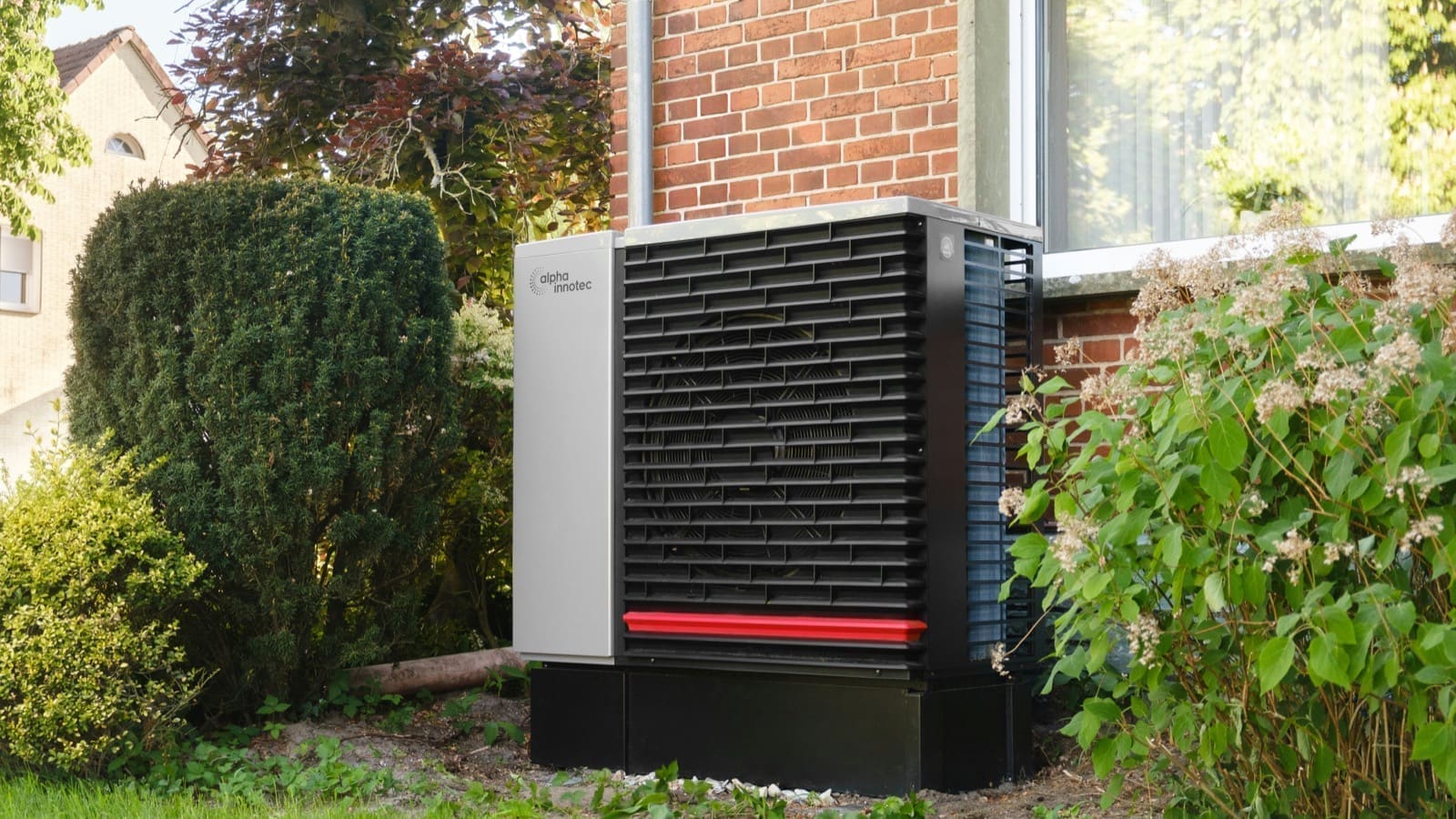
Once you've shortlisted certified installers, the conversation naturally moves to which heat pump technology suits your home. Most UK retrofits use air source heat pumps because they're cheaper to install than ground source systems, which need space for a borehole or ground loop but can run more efficiently once installed — our ground source heat pump guide covers those trade-offs and costs in more detail. If you're still deciding whether a heat pump makes sense for your property at all versus keeping a gas boiler, our heat pump vs gas boiler comparison walks through running costs and suitability. And once you've narrowed down a shortlist of installers, ask each one which brands they're MCS-certified to fit specifically, since certification is often brand- and model-specific rather than a blanket qualification — our best air source heat pump brands guide is a useful starting point for that conversation.