Which light bulb fitting do I have?
The fastest way to identify your fitting is to look at the base of the bulb you're replacing, not the fitting on the ceiling rose or lamp holder. UK homes almost always use one of five caps:
| Fitting | Also called | How it connects | Typical use |
|---|---|---|---|
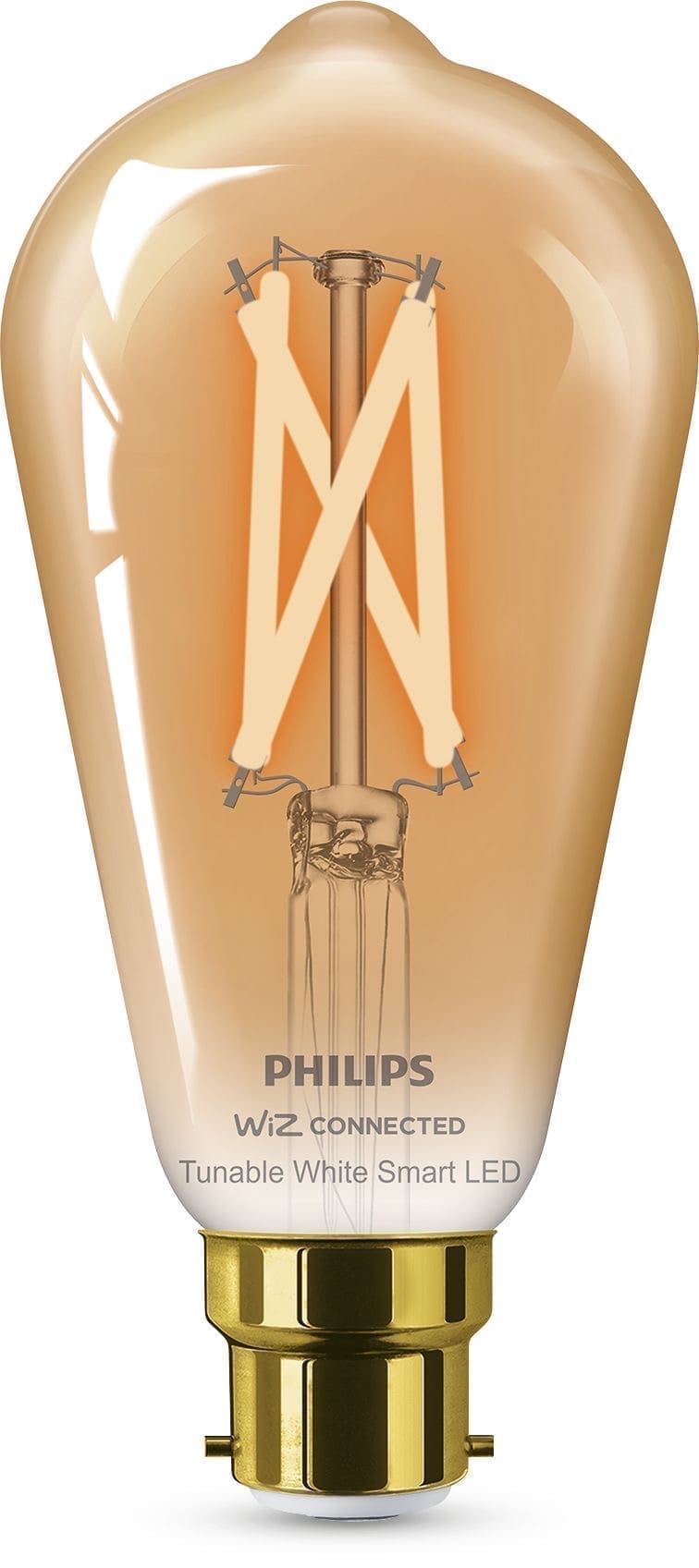
| B22 | Bayonet Cap (BC) | Two side pins, push in and twist a quarter-turn | Older UK pendants, ceiling roses, traditional lamps |
| E27 | Edison Screw (ES) | 27mm screw thread | Pendants, floor lamps, filament-style decorative bulbs |
| E14 | Small Edison Screw (SES) | 14mm screw thread | Candle bulbs, chandeliers, bedside lamps |
| GU10 | Twist-lock spotlight | Two pins, twist to lock, mains voltage (230V) | Recessed downlights, kitchen/bathroom spotlights, track lighting |
| GU5.3 | MR16 | Two thin push-fit pins, 5.3mm apart, low voltage (12V, needs a driver/transformer) | Older recessed spotlights, accent lighting |
The number in a fitting name is usually the diameter or pin spacing in millimetres — B22 is a 22mm bayonet base, E27 a 27mm screw thread. If you're unsure whether a spotlight is GU10 or GU5.3, check the pins: GU10's pins are wider apart and it twists to lock, while GU5.3/MR16 pins push straight in and the bulb usually feels warm to the touch behind a separate transformer.
Are halogen and incandescent bulbs banned in the UK?
Yes — incandescent bulbs and, since 1 September 2023, most halogen bulbs (including halogen G9 capsules and low-voltage G4/GY6.35 pins) can no longer be placed on the market for sale in the UK. This followed the earlier 2021 restriction on mains-voltage halogen spotlights and directional bulbs, part of the retained EU Ecodesign for Energy-Related Products framework the UK continued to enforce after Brexit. You can still legally use halogen bulbs you already own until they fail, but retailers can't sell new stock, so replacing a blown halogen bulb today means buying an LED equivalent regardless of fitting. The government estimated the shift to LED-only sales would save UK households money on running costs and cut national carbon emissions, since LEDs use roughly 80% less electricity than halogens for the same brightness.
What LED wattage do I need to replace my old bulb?
Match lumens (brightness), not watts — an LED uses far fewer watts than an incandescent or halogen bulb to produce the same light output, so the old wattage number on your existing bulb is not the number to look for on the LED box. Use the rough equivalents below as a starting point, then check the exact lumen figure printed on the packaging:
| Old incandescent/halogen | Approx. lumens | Equivalent LED wattage |
|---|---|---|
| 40W | ~450 lm | 4–6W |
| 60W | ~800 lm | 8–10W |
| 75W | ~1,050 lm | 10–12W |
| 100W | ~1,600 lm | 12–14W |
| 150W | ~2,600 lm | 18–23W |
These are ranged estimates because efficiency varies between LED brands and bulb shapes — always check the lumen figure on the box rather than assuming a fixed watt-for-watt swap. Also check the colour temperature (measured in Kelvin): 2,700–3,000K reads as “warm white” close to old incandescent light, while 4,000K+ looks cooler and more clinical, which suits kitchens and bathrooms better than living rooms.
Should I buy a smart bulb instead of a standard LED?
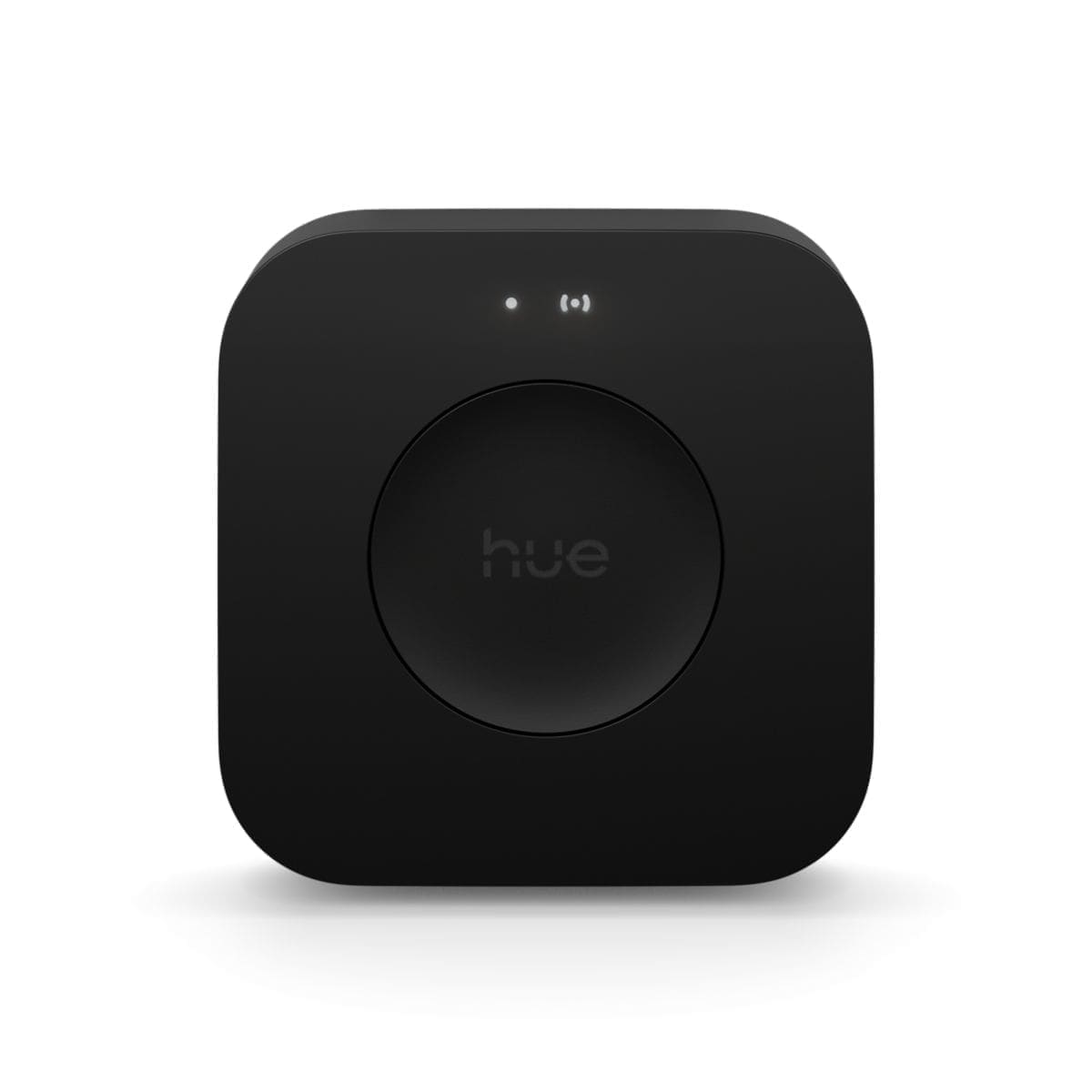
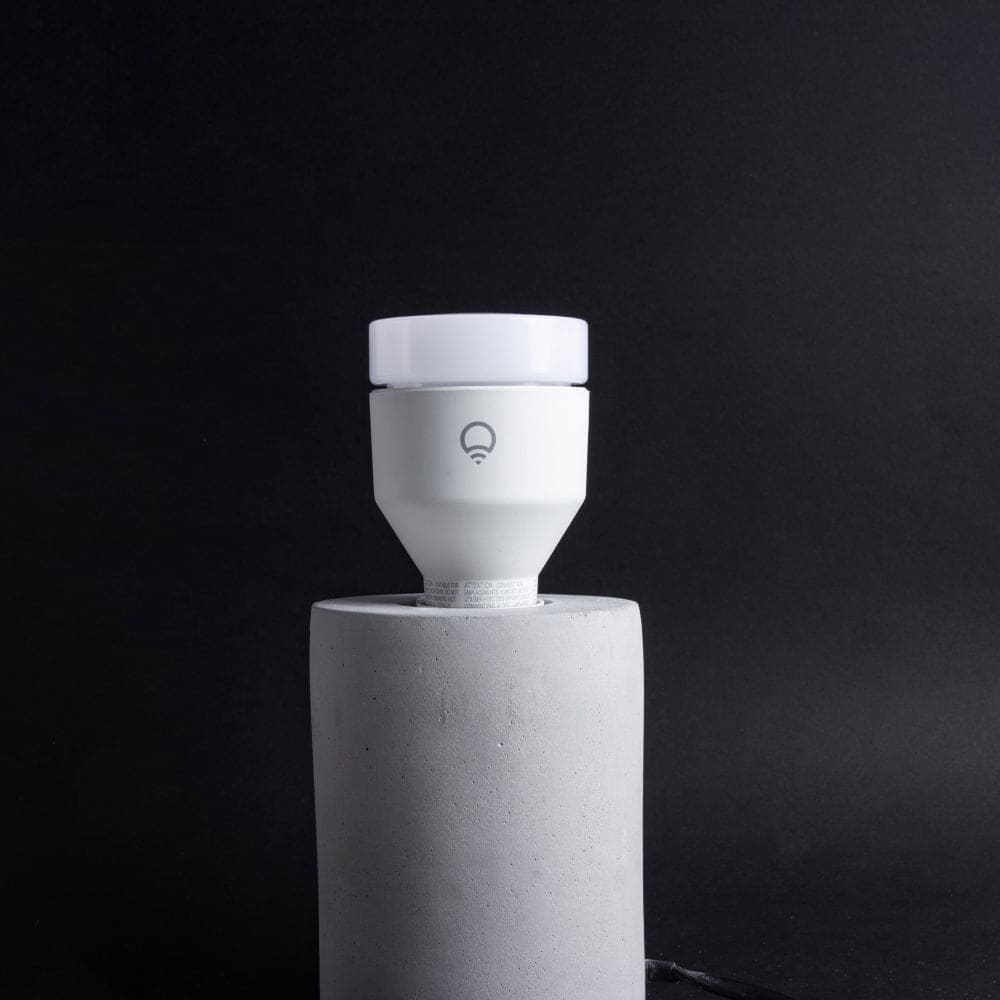
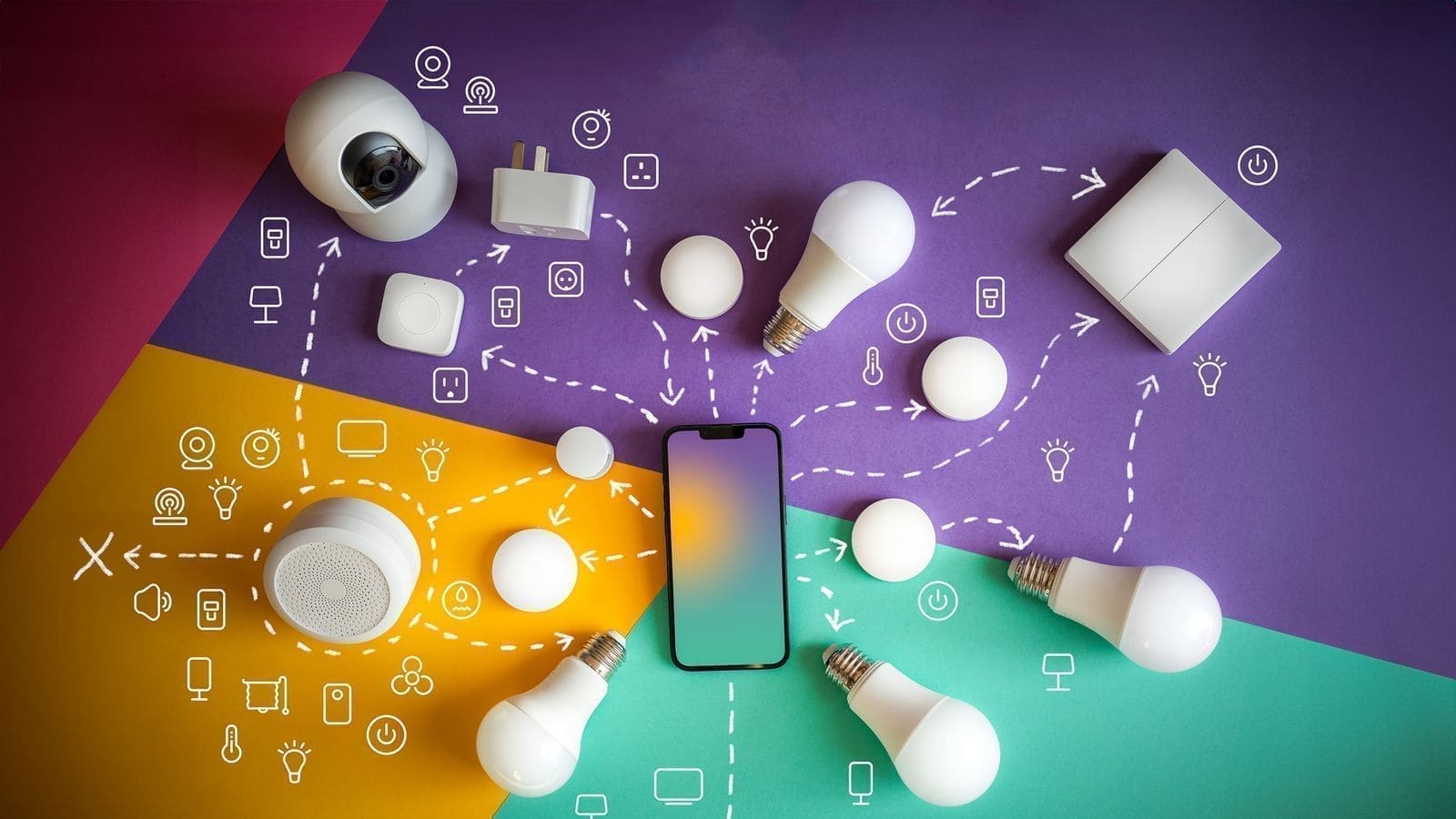
Buy a smart bulb if you want to dim, schedule, colour-change or voice-control that light without a physical smart switch — otherwise a plain LED does the job for less money and with zero setup. Smart bulbs fall into three connectivity types: Wi-Fi bulbs (like many budget colour-changing options) connect straight to your router with no hub needed, but can be slower to respond and add to Wi-Fi congestion in a house with many devices; Zigbee bulbs need a hub (Philips Hue Bridge, IKEA Dirigera, or a Home Assistant Zigbee coordinator) but respond faster and build a more reliable mesh network as you add more devices. Increasingly, new bulbs also support Matter, letting them work across Google Home, Apple Home and Home Assistant without being locked to one app.
Does a smart bulb still need a normal light switch?
Yes, but it needs to stay permanently powered — turning a smart bulb off at a standard wall switch cuts its power entirely, so it can't respond to the app, voice commands or automations until someone switches it back on at the wall. This is the single most common smart lighting mistake: if you want the physical switch to keep working alongside the app, you either need to leave that switch on permanently and control the bulb only through automations, or replace the switch itself with a smart light switch that reports its state instead of cutting power. For GU10 spotlight fittings specifically, check compatibility carefully first — see our guide to the best smart downlights for GU10 fittings before buying, since not every smart GU10 bulb fits every downlight housing.