Smart Home Assistant

Home Assistant Connect ZBT-2 vs Sonoff ZBDongle UK (2026)

SepehrBy Sepehr· 27 November 2026· Updated 27 November 2026· 5 min read
✓ Independent — no paid placements✓ UK-tested in real homes✓ Cited sources
Abstract dark navy mesh network of connected nodes radiating from a glowing red central coordinator point

Key takeaways

  • The Sonoff ZBDongle-E costs £18.57, about half the £38 Home Assistant Connect ZBT-2, and is the best-value Zigbee-only stick.
  • The ZBT-2 includes a 1.5 m USB-C cable, while Sonoff's sticks ship without a USB extension lead.
  • A ZBT-2 or ZBDongle-MG24 can run Zigbee or Thread, but only one protocol at a time.
  • ZHA's Migrate option moves your Zigbee network between adapters, so starting cheap and upgrading later is low-risk.
On this page[tap to expand]

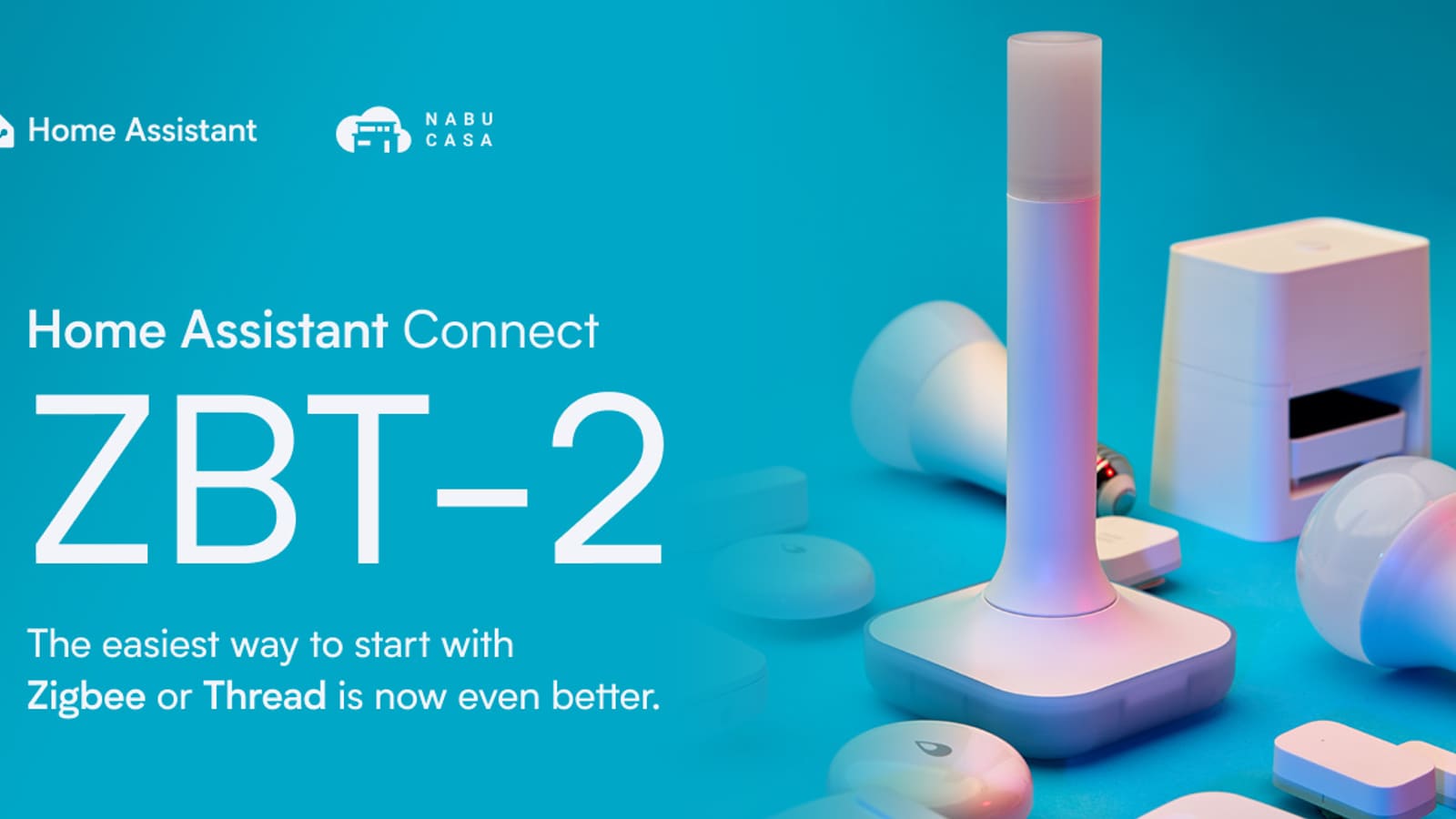
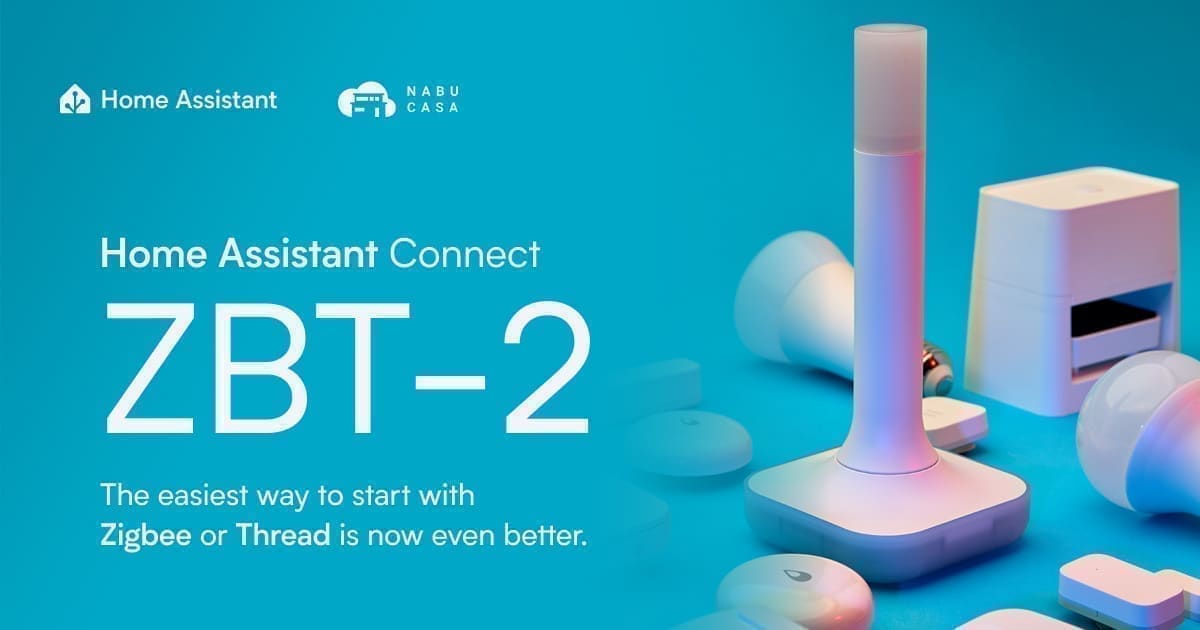
The Home Assistant Connect ZBT-2 vs Sonoff ZBDongle choice comes down to money against convenience. The ZBDongle-E is the cheap, proven Zigbee-only stick at about £19, the ZBDongle-MG24 adds Thread for around £27, and the official ZBT-2 costs £38 and is the one built for Home Assistant.

All three are USB Zigbee coordinators that work with ZHA, so the real question is which trade-offs you care about. We compared the three on price, radio hardware, Thread support, setup and long-term support, using the manufacturers' own specifications. For the wider field of coordinators, see our best Zigbee stick for Home Assistant UK roundup.

Home Assistant Connect ZBT-2Sonoff ZBDongle-ESonoff ZBDongle-MG24
Typical UK price£38 (The Pi Hut)£18.57 (Amazon UK)£26.76 (Amazon UK)
Radio chipSilicon Labs MG24 plus ESP32-S3 USB bridgeSilicon Labs EFR32MG21Silicon Labs EFR32MG24
ProtocolsZigbee 3.0 or Thread (one at a time)Zigbee 3.0 onlyZigbee 3.0, or Thread after flashing
AntennaPillar antenna, 4.16 dBi peak gain, 10 dBm transmit (EU)External SMA, up to +20 dBmExternal SMA
ConnectorUSB-C, 1.5 m cable in the boxUSB-A, no extension cableUSB-A
Ships ready forGuided setup in Home AssistantPre-flashed Zigbee coordinator firmwareZigbee coordinator
Made byNabu Casa, the Home Assistant companySonoff (ITEAD)Sonoff (ITEAD)

Prices are UK retail on the day of writing and move with stock. Each stick has a live entry in our hubs and dongles finder.

Which is cheaper to buy?

The Sonoff ZBDongle-E is cheapest by a wide margin at £18.57, roughly half the ZBT-2's £38. The MG24 version costs about £8 more than the E, which puts it at £26.76, and the ZBT-2 is a further £11 on top of that.

The gap shrinks once you add accessories. The ZBT-2 includes a 1.5 m USB-C cable in the box, while Sonoff's sticks ship without an extension lead and Sonoff sells one separately. You want an extension cable anyway, because Home Assistant's own ZHA guide advises using a USB extension cable, a USB 2.0 port or powered hub, and keeping the adapter away from USB 3.0 devices to reduce interference. Budget a few pounds for that and the real difference is closer to £15 than £19.

Which has the better radio?

The ZBT-2 is the better-engineered radio, but the ZBDongle-E is not a poor one. Both are Silicon Labs chips, the ZBT-2 using the newer MG24 generation, and both talk to ZHA with no manual driver step.

On paper the numbers point in different directions. Sonoff quotes up to +20 dBm output for the ZBDongle-E, while Nabu Casa lists 10 dBm in Europe for the ZBT-2 but pairs it with a tall pillar antenna with 4.16 dBi peak gain. Higher transmit power is not the same as a better link, because a mesh depends on the weakest hop and battery sensors transmit far less than a coordinator does. Nabu Casa publishes no range figure in metres, and neither do we invent one: expect the ZBT-2's antenna and placement to matter more than the headline power figure.

The ZBT-2 also has a faster USB-serial bridge. Nabu Casa says its adapter speed is four times its predecessor's, from 115200 to 460800 baud, which it credits with more responsive devices. That is a claim about the ZBT-1 comparison, not a measured difference against Sonoff's sticks, so treat it as a plus rather than a decider.

Which is better if you want Thread as well?

The ZBT-2 is the simplest route to Thread, with the ZBDongle-MG24 a cheaper but fiddlier second. Both can act as a Thread radio for Matter devices, but each runs one protocol at a time, so a single stick will not do Zigbee and Thread together.

Nabu Casa lets you dedicate a ZBT-2 to either Zigbee or Thread from Home Assistant's own menus, with one-click updates. On the Sonoff MG24 you flash separate Thread firmware yourself and run the OpenThread Border Router add-on. The ZBDongle-E has no Thread option at all. If Thread is on your roadmap but not today, buy a Zigbee stick now and add a second radio later; our Matter vs Zigbee vs Z-Wave guide explains whether Thread is worth waiting for.

Which is easier to set up and support?

The ZBT-2 is easier, because it is designed and supported by the team behind Home Assistant and ZHA. Nabu Casa describes a start-up wizard and one-click firmware updates, and the hardware is built to be tinkered with, with accessible pads and pins.

The ZBDongle-E is also painless in practice. It ships pre-flashed with coordinator firmware, so ZHA detects it when you plug it in. The downside is the community folklore: on some large or busy networks, particular coordinator firmware builds have caused trouble, and Sonoff support is a retail brand's rather than the Home Assistant team's. If a firmware update leaves devices offline, our guide to Zigbee devices offline after a coordinator firmware update walks through the fixes.

Can you switch between them later?

Yes. ZHA has a built-in migration tool that moves your Zigbee network between adapters based on Silicon Labs, Texas Instruments or ConBee chips, provided the backup was made from inside ZHA. Go to Settings, Connectivity, Zigbee, and choose Migrate. Home Assistant warns that you will not control existing devices until they rejoin, which can take a few minutes, and some may need power-cycling.

That makes the decision lower-stakes than it looks. Starting on a £19 ZBDongle-E and moving to a ZBT-2 later costs you an afternoon, not a rebuild. If you use Zigbee2MQTT instead of ZHA, check its supported-adapters page for your exact stick first, and read our Zigbee2MQTT vs ZHA comparison before choosing an integration. The ZBT-2 itself is covered in depth in our ZBT-2 UK review.

Which should you buy?

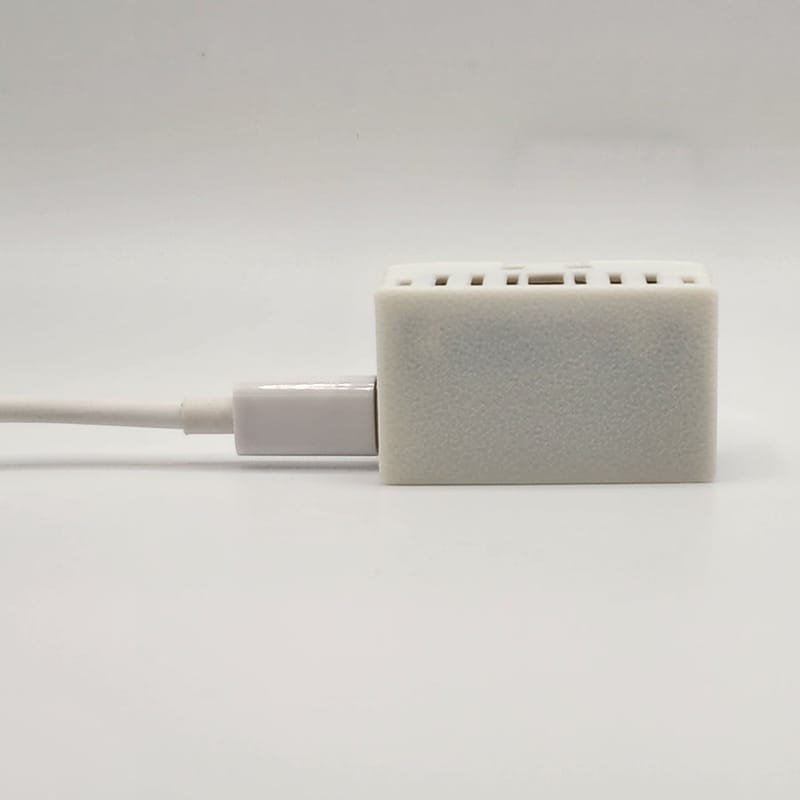
Buy the Sonoff ZBDongle-E if you want the cheapest reliable Zigbee coordinator, you only need Zigbee, and you are happy to buy a USB extension lead. It is the sensible first stick at £18.57.

Buy the Home Assistant Connect ZBT-2 if you want official support, guided setup and the option of Thread without hunting for firmware. At £38 it costs more, but the cable is included and Nabu Casa maintains it alongside Home Assistant itself.

Buy the Sonoff ZBDongle-MG24 if you want a Thread-capable radio under £30 and do not mind flashing firmware yourself. It sits between the other two on price and on effort.

Buy neither if your coordinator must sit away from your server. A USB stick lives where the Home Assistant box lives, so a network-connected coordinator such as those in our best Zigbee hub UK guide suits an awkwardly placed server better.
Buy the picks in this guide

Recommended for Home Automation

See all devices →

Frequently asked questions

Is the Home Assistant Connect ZBT-2 worth the extra money over a Sonoff ZBDongle-E?
The Home Assistant Connect ZBT-2 is worth the extra money if you value official support and the option of Thread, but not if you simply want a Zigbee network. At £38 it costs about double the £18.57 Sonoff ZBDongle-E, although it includes a 1.5 m USB-C cable that Sonoff's stick lacks. Nabu Casa designs it alongside Home Assistant and ZHA, with a guided setup and one-click firmware updates. The ZBDongle-E is also a good, widely used coordinator that ZHA detects automatically. The catch is that neither has a published, comparable range figure, so the extra spend buys convenience and support rather than a proven range advantage. If your budget is tight, buy the Sonoff and migrate later.
Can the Sonoff ZBDongle run Thread like the ZBT-2?
Only the Sonoff ZBDongle-MG24 can run Thread; the ZBDongle-E cannot. The MG24 uses the same generation of Silicon Labs chip as the ZBT-2, but you must flash Thread firmware yourself and run the OpenThread Border Router add-on in Home Assistant. The ZBT-2 offers a simpler, guided switch between Zigbee and Thread from Home Assistant itself. In both cases the stick runs one protocol at a time, so running Zigbee and Thread together means buying two radios. If you only need Zigbee today, the cheaper ZBDongle-E is enough, and you can add a Thread-capable stick later when you own Matter-over-Thread devices that need it.
How do I switch from a Sonoff ZBDongle to a ZBT-2 without re-pairing everything?
You can switch using ZHA's built-in migration tool, which moves your Zigbee network between adapters based on Silicon Labs, Texas Instruments or ConBee chips, provided the backup was made from inside ZHA. Open Settings, Connectivity, Zigbee, select Migrate, plug in the new stick and choose the automatic backup. Home Assistant warns that existing devices will not respond until they rejoin the network, which can take a few minutes, and some may need power-cycling. Use a USB extension cable and a USB 2.0 port to minimise interference. If you run Zigbee2MQTT rather than ZHA, the process is different, so check its documentation first.

Sources

Sources verified 2026-11-27

  1. Home Assistant — Home Assistant Connect ZBT-2
  2. Home Assistant — Zigbee Home Automation (ZHA) integration: migrating to a new adapter
  3. SONOFF — SONOFF Zigbee 3.0 USB Dongle Plus ZBDongle-E
  4. Zigbee2MQTT — Supported Adapters
  5. The Pi Hut — Home Assistant Connect ZBT-2
›How we researched this

Claims in this article are checked against primary sources — manufacturer specifications, official documentation, Which? research, Ofgem guidance, or gov.uk — rather than forum threads or video reviews. Where the author has direct hands-on experience with a product (most Home Assistant, Zigbee, and home-networking gear is running in his own homelab), that is stated explicitly in the text.

For categories outside that personal setup — such as boilers, heat pumps, and other areas that are traditionally a heating engineer's domain — verdicts are built from cross-referenced manufacturer data, published lab results, and vetted expert and owner reviews rather than a claim of personal hands-on testing. See the editorial policy for the full methodology.

Sepehr

Written by

Sepehr

10+ years hands-on with Home Assistant & networking · Research-backed elsewhere · No brand deals

Smart home specialist with 10+ years running a self-hosted Home Assistant setup — Zigbee2MQTT, Frigate NVR, and local-first automations. Independent coverage for UK homes, no brand deals.

LinkedIn →

Citing this page? Please use a dofollow link back to the original article — it helps us keep the data on this page accurate and up to date.

Related reading