What size air conditioner do you need?
Air conditioner cooling capacity is measured in BTU (British Thermal Units) per hour. As a rough guide, a small bedroom or home office (up to around 15m²) needs roughly 7,000–9,000 BTU, a mid-size double bedroom or living room (16–26m²) needs 9,000–12,000 BTU, and larger open-plan living rooms (26–30m²+) need 14,000–16,000 BTU or more. Buying oversized doesn't cool a room faster — it just short-cycles, using more electricity per degree of cooling and leaving the room clammy because it hasn't run long enough to properly dehumidify the air. South-facing rooms, rooms with lots of glass, and rooms above 2.4m ceiling height should size up a notch from these baselines.
Do you need planning permission for air conditioning in the UK?
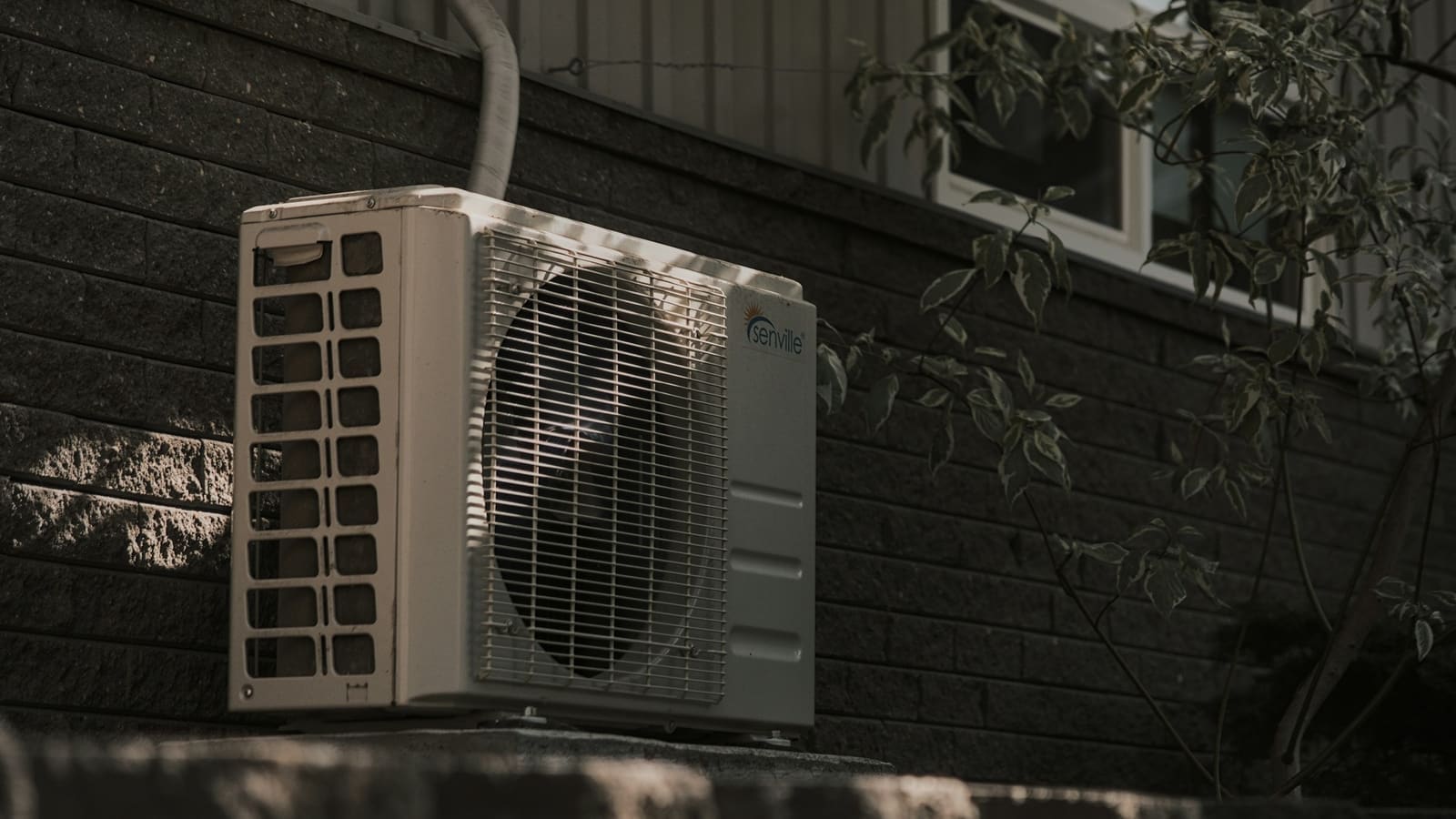
Usually not. Since 29 May 2025, amendments to permitted development rules in England mean most domestic air-to-air systems — which cool as well as heat, covering the vast majority of split-system AC — qualify as permitted development without planning permission, provided the outdoor condenser unit stays under 1.5 cubic metres for a house (0.6 cubic metres for a flat) and isn't mounted on a wall facing a highway. The change also removed the old rule requiring the unit to sit at least one metre from the property boundary, which matters for terraced houses and small gardens. Portable units need no permission at all, since nothing is fixed to the building — though flats and leasehold properties may still restrict trailing an exhaust hose through a window under the lease. Conservation areas, listed buildings, and National Parks have tighter rules and are worth checking with the local planning authority before committing to a split system.
Portable vs split air conditioning: which should you buy?
Portable units are cheaper to buy, need zero installation, and can move between rooms, but they're louder (most sit around 50–65dB on cooling mode), less energy-efficient because the compressor and hose both work harder to exhaust heat through a window gap, and most single-hose models pull some of the room's own cooled air back out with the exhaust, undermining their own performance. Split systems cost considerably more once you include installation and F-Gas commissioning by a qualified engineer, but they're quieter indoors, cool a room faster per unit of electricity, and don't need a window kept ajar. The table below summarises the trade-offs.
| Type | Typical UK price | Installation | Efficiency | Best for |
|---|---|---|---|---|
| Portable (single-hose) | £200–£400 | None — plug in, vent through a window kit | Lowest — pulls cooled room air out with exhaust | Renters, occasional use, one room at a time |
| Portable (dual-hose) | £350–£650 | None — plug in, vent through a window kit | Better than single-hose, still below split | Larger rooms, more frequent summer use |
| Split system (wall-mounted) | £1,200–£3,000+ fitted | Professional install + F-Gas commissioning required | Highest — purpose-built refrigerant loop | Homeowners wanting permanent, quiet cooling |
Can you control air conditioning with a smart home system?
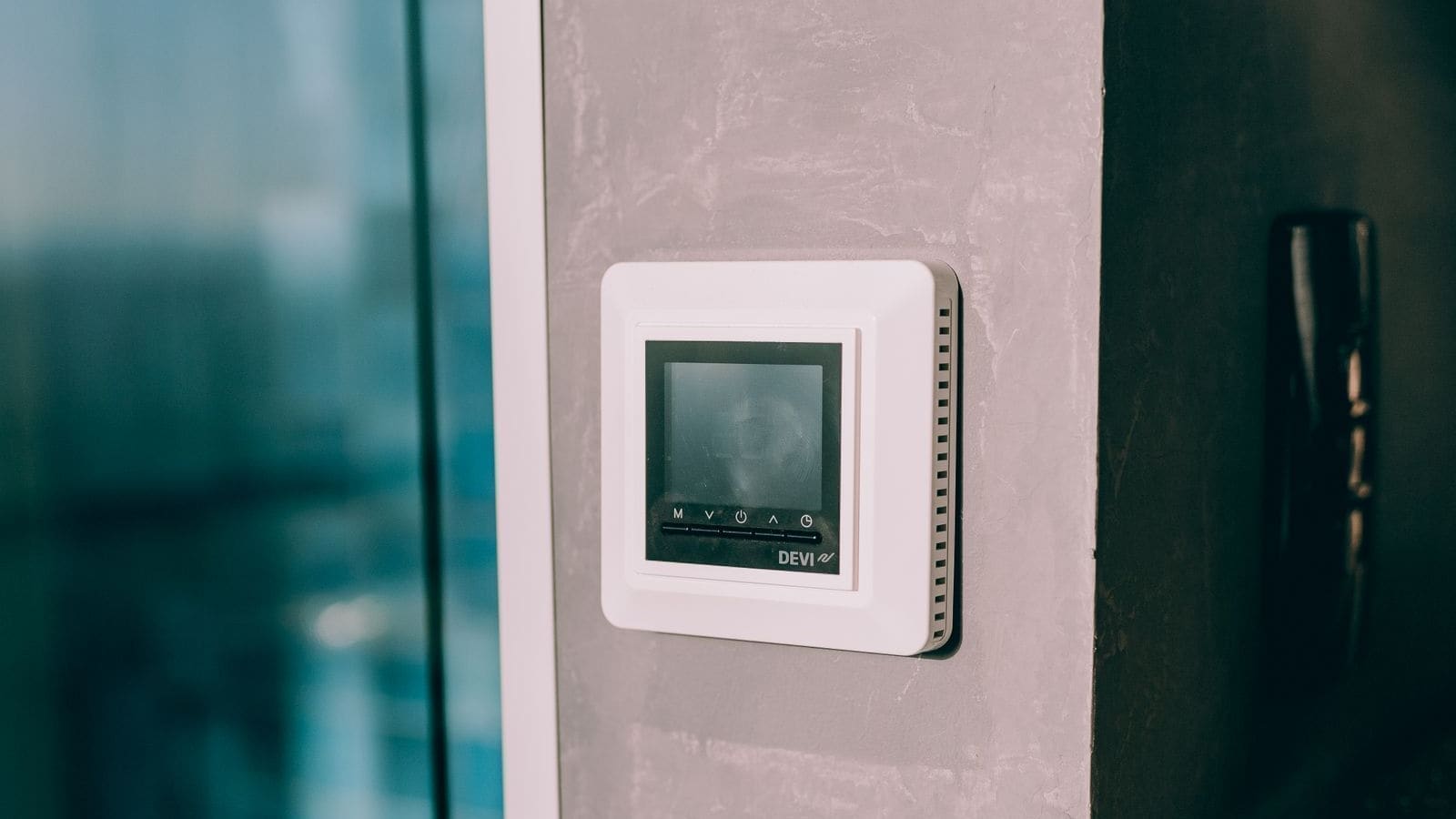
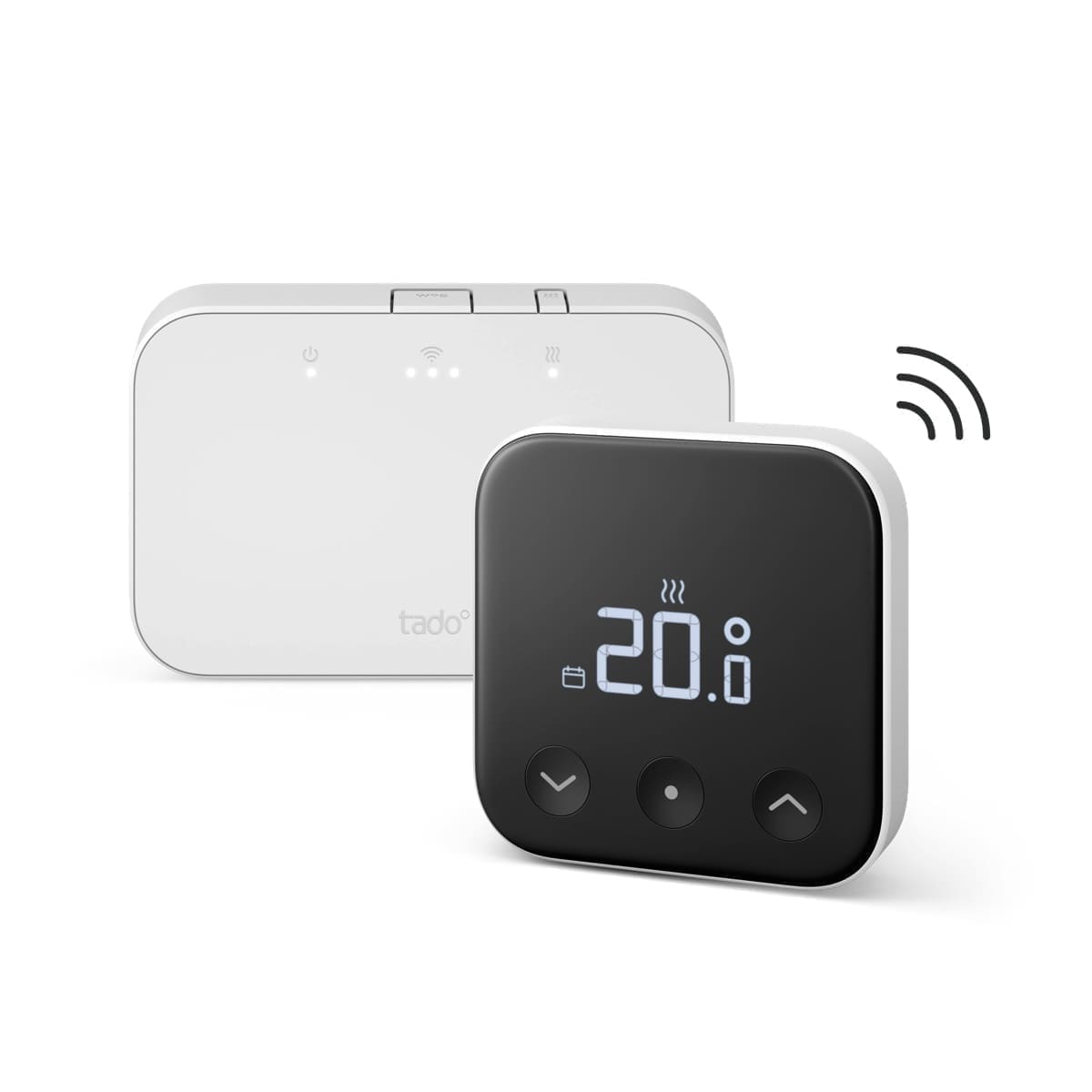
Yes, though the level of integration varies by brand. A growing number of portable and split units ship with built-in Wi-Fi and a companion app for scheduling, temperature targets, and remote on/off, and several also work with Amazon Alexa or Google Home for voice control — check the specific model's spec sheet, since this isn't universal even on 2026 ranges. For AC units without any smart features, the simplest route is plugging a portable unit into a smart plug rated for the unit's load, which gets you scheduling and remote control, plus power monitoring if the plug supports it. If you're already running Home Assistant for energy monitoring, a smart-plugged AC unit shows up as just another controllable, trackable load — useful for spotting exactly how much a hot week is costing you.
For an infrared-controlled split unit or heat pump with no built-in smart features, our NodOn IRB-4-1-00 review covers a Zigbee infrared controller that adds Home Assistant control without rewiring the AC itself.How much does it cost to run an air conditioning unit in the UK?
Running costs depend on the unit's wattage, how hard it has to work, and your electricity tariff. Under the Ofgem price cap for Direct Debit customers in England, Scotland and Wales, the average unit rate for July–September 2026 is 26.11p per kWh. A typical 9,000 BTU portable unit draws roughly 800–1,000W while actively cooling, so an evening's use — say six hours, though it will cycle on and off rather than run continuously — works out at very roughly £1.25–£1.60, and that adds up across a warm week. Larger portable units and less efficient single-hose models can cost noticeably more per hour; well-installed split systems are typically the cheapest to run per degree of cooling delivered, since they don't lose cooled air through an exhaust hose.
If you already have a ceiling fan gathering dust, it's worth automating before buying a dedicated cooling unit — see our guide to adding smart control to a UK ceiling fan for the retrofit options that actually work.